Why stage photos matter more than you think
Most people think stage photos are just pretty pictures for social media. But if you’re running a live show-whether it’s a small club gig or a packed arena-the quality of your visual content can make or break your fan engagement, ticket sales, and long-term brand. Alli Starr, a touring artist and media strategist, doesn’t just perform. She builds a visual story around every show. And her method? It’s simple, repeatable, and it works.
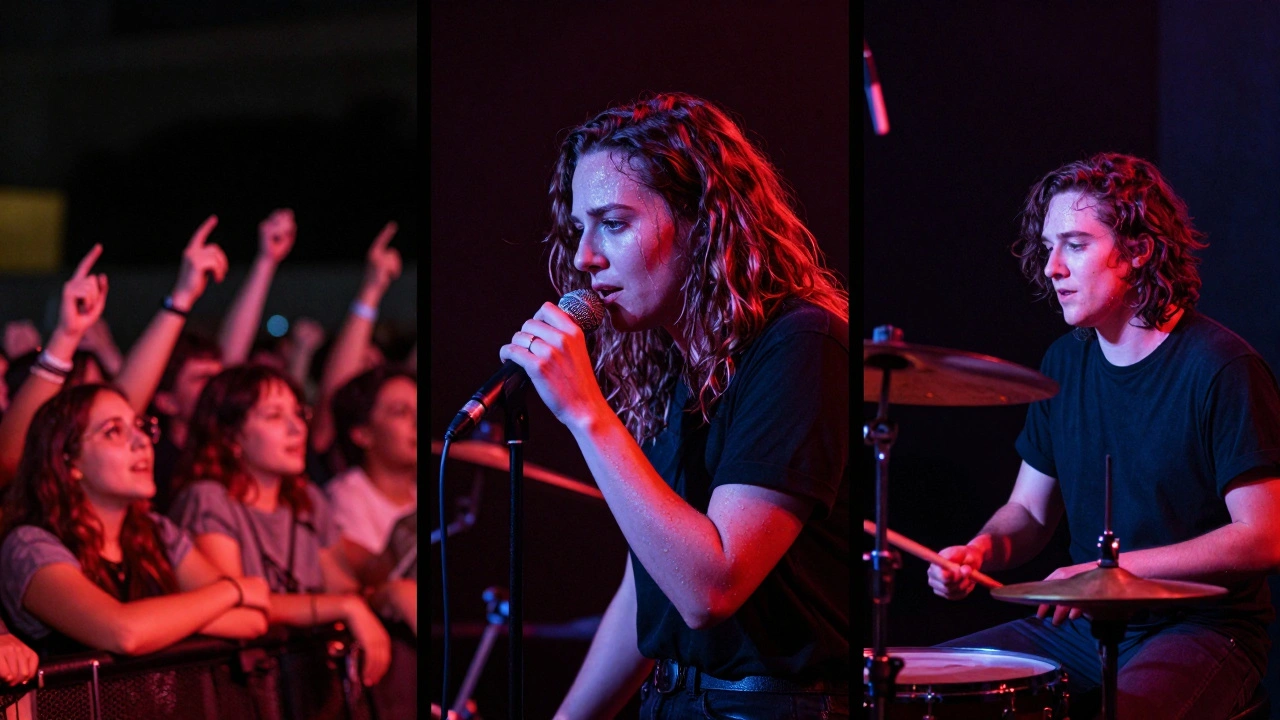
Her team captures over 200 high-res images and 45 seconds of raw video per show. Not just the big moments-the crowd, the lighting, the sweat on her forehead, the way she leans into the mic like she’s telling a secret. These aren’t stock shots. They’re emotional anchors. And they’re not left to chance.
What Alli Starr’s live media plan actually looks like
Her plan has three non-negotiable pillars: camera placement, timing, and access.
- Camera placement: Three fixed points: one at stage left, one at center stage, and one behind the drum kit. No handheld. No wandering. Each camera has a fixed lens-24mm, 50mm, and 85mm-to cover wide, mid-range, and tight shots. No zooming. No guessing. The shots are predictable, which means the editing is fast.
- Timing: They capture during specific song transitions-not the chorus, not the solo, but the 3 seconds right after the last note drops. That’s when the crowd reacts hardest. The lights shift. The energy spikes. That’s when the best human moments happen.
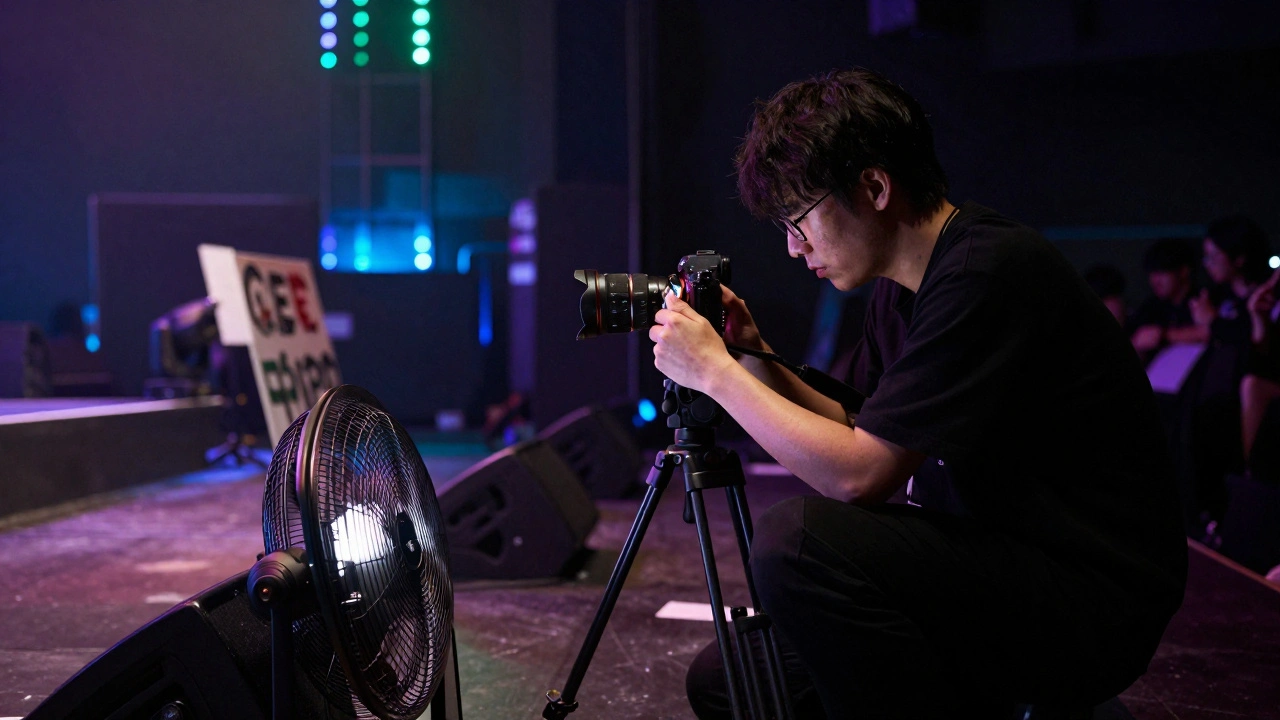
- Access: Only two people on stage during the show: the stage manager and the lead photographer. No influencers. No fans with phones. No distractions. The photographer is dressed in black, moves like a shadow, and has a 30-second window between songs to swap memory cards. No delays. No chaos.
She doesn’t use drones. She doesn’t do live streaming. She doesn’t post raw clips. She waits. Then she picks the 12 best images and one 15-second clip. That’s it. Every show. Every week.
The tools she swears by
It’s not about having the most expensive gear. It’s about having the right gear, used the right way.
- Cameras: Two Sony A7 IVs and one Canon R5. The A7s handle low-light, the R5 handles detail. No need for a third camera.
- Lenses: 24mm f/2.8, 50mm f/1.8, 85mm f/1.8. All prime lenses. No zooms. No autofocus hunting during fast movement.
- Storage: Dual-slot CFexpress cards. One card records, one backs up. Automatic backup on capture. No manual transfers.
- Lighting: No extra lights. She uses the stage’s existing rig-colored LEDs, moving heads, strobes-and times shots to match the light changes. If the light turns red during a bridge? That’s the shot.
She doesn’t use external flashes. They ruin the mood. She doesn’t use ring lights. They look fake. She lets the stage light do the work. And because of that, her photos have a raw, electric feel that no studio shot ever captures.
How she turns photos into momentum
Here’s the part most artists miss: content doesn’t live on a hard drive. It lives in the hands of fans.
Within 90 minutes after every show, her team uploads 12 images to a private Dropbox folder. That folder auto-syncs to a templated Instagram carousel and a TikTok short. The captions? Always the same format: "[City], [Date]. You were the reason the lights stayed on." No hashtags. No emojis. Just truth.
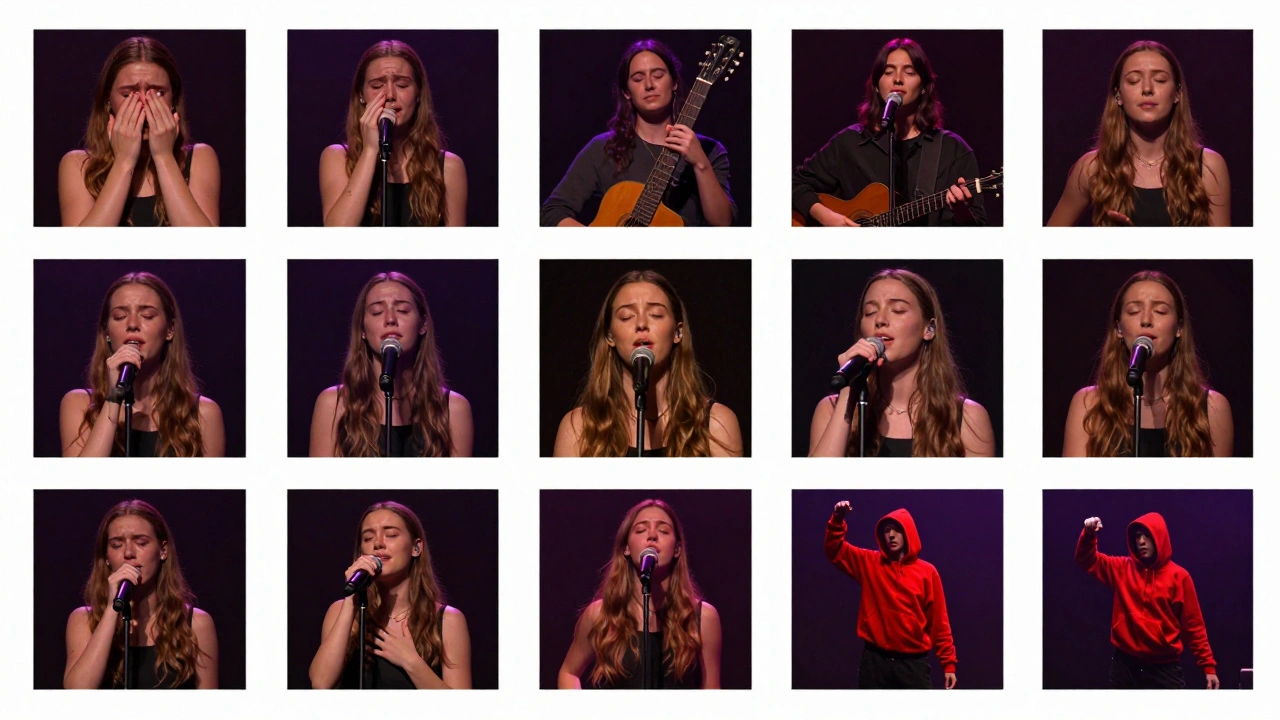
She doesn’t tag every fan. She tags 3-5 people who stood out-someone dancing alone, someone holding a handmade sign, someone crying during the ballad. Those tagged fans reshare. And then their friends see it. And then the local venue gets 20 new ticket inquiries the next week.
She tracks this. In 2025, her team saw a 34% increase in ticket sales in cities where she posted these posts within 2 hours of the show ending. That’s not luck. That’s a system.
What she doesn’t do
She doesn’t post every photo. She doesn’t do behind-the-scenes reels. She doesn’t answer DMs asking for free shots. She doesn’t let merch teams use her images without approval. She doesn’t let her team edit the colors to match the brand palette. The photos stay true to the moment.
She once deleted 87 images from a show because the lighting was too harsh. "It doesn’t feel like us," she said. "We’re not a glow stick festival. We’re a slow burn. Let the photos breathe."
That discipline is what sets her apart. Most artists flood the feed. She curates like a gallery owner.
How to build your own plan
You don’t need a crew. You don’t need a budget. You need three things:
- A fixed camera position. Put a camera on a tripod at the front of the stage. No moving. No zooming. Just shoot.
- A 30-second window. After every song, pause. Let the crowd react. Capture that.
- A 12-image rule. Pick only 12 photos per show. Not 50. Not 200. Twelve. Then post them. Within 90 minutes.
Use a phone if you have to. Use natural light. Use the stage lights. Don’t overthink it. The goal isn’t perfection. It’s presence. It’s proof that you were there. That your fans were there. Together.
Why this works for small venues too
Alli started this in a 200-capacity club in Eugene, Oregon. She had one volunteer with a Canon T7i. She posted 12 photos. One of them got 17,000 shares. The next week, 87 new tickets sold. The venue owner asked if she could do it every month.
It’s not about fame. It’s about connection. The photo of the guy in the red hoodie singing along? That’s not content. That’s a memory. And memories sell tickets.
Final thought: Your stage is your gallery
Every live show is a moment that will never happen again. The light, the sound, the way someone’s hand shakes as they hold up a sign. If you don’t capture that, no one else will. And if you don’t share it, it fades.
Alli Starr doesn’t just perform. She preserves. And you can too. Start small. Be consistent. Trust the quiet moments. The rest will follow.
Do I need expensive cameras to capture good stage photos?
No. A smartphone with manual mode, a tripod, and good lighting can outperform a $3,000 camera if used right. Alli Starr’s first stage photos were taken with a Canon T7i. What matters more than the gear is consistency, timing, and knowing which moments to capture. Focus on the 30 seconds after each song ends. That’s when the real emotion shows up.
How do I avoid blurry photos during fast stage movements?
Use a fast shutter speed-1/500s or faster. Set your camera to continuous shooting mode so you get 5-10 frames per second. Shoot in RAW so you can fix exposure later. And don’t chase the performer. Position your camera where they naturally move. Most artists have a rhythm: they walk left after the chorus, pause at the bridge, turn toward the crowd on the final note. Learn their pattern. Then wait for it.
Should I post every photo I take after a show?
No. Overposting dilutes impact. Alli Starr posts exactly 12 images per show. That’s enough to show energy without overwhelming fans. Pick the ones with strong emotion, good lighting, and clear subject. If a photo feels flat, delete it. Quality beats quantity every time. Your audience remembers the few that move them-not the hundred that just look okay.
Can I use this plan for acoustic or non-electric shows?
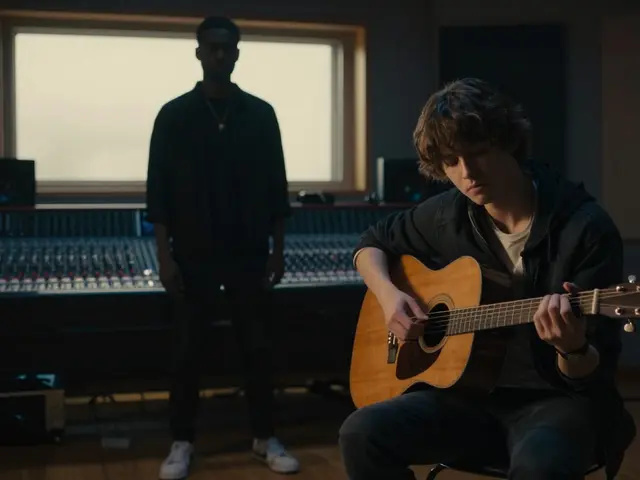
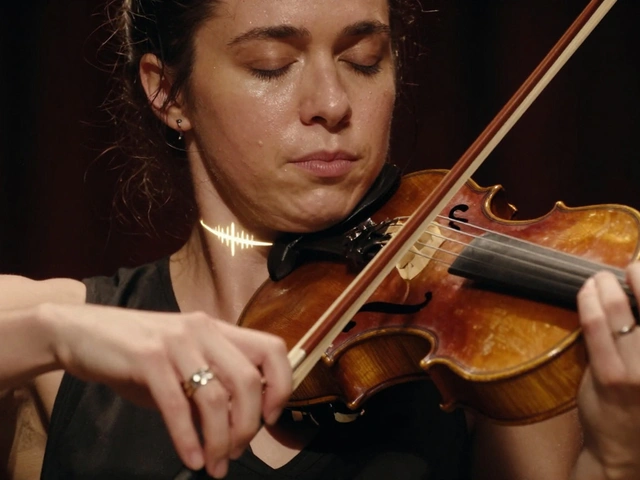
Absolutely. In fact, quieter shows often produce more powerful images. Without bright strobes or smoke machines, the natural light and facial expressions become the story. Focus on hands, eyes, and body language. A single tear, a closed eye during a high note, fingers gripping a guitar neck-those are the moments that connect. The lighting might be softer, but the emotion is deeper.
How soon after the show should I post content?
Within 90 minutes. That’s the sweet spot. Fans are still buzzing. They’re on their phones. They’re talking about the show. If you post while that energy is fresh, they’ll reshare, comment, and tag friends. Waiting until the next day? You’re too late. Set up an automated system: upload to a folder, auto-generate a carousel, schedule the post. Make it effortless.
What if I don’t have a team? Can I do this alone?
Yes. Alli started alone. Use a tripod, a remote shutter, and a phone with a good camera. Set up one fixed shot. Shoot during the quiet moments between songs. Edit 12 images on your phone while you’re still at the venue. Upload them before you leave. It takes 20 minutes. That’s all. You don’t need a crew. You need discipline.