Key Takeaways for Impact-Driven Artists
- Global platforms can be leveraged to bring visibility to local grassroots issues.
- Sustainable community investment requires consistent presence, not just one-time checks.
- Music education serves as a bridge to social equity and mental health support.
- Balancing a touring schedule with local work requires a systemic approach to time management.
Turning the Global Stage into a Local Tool
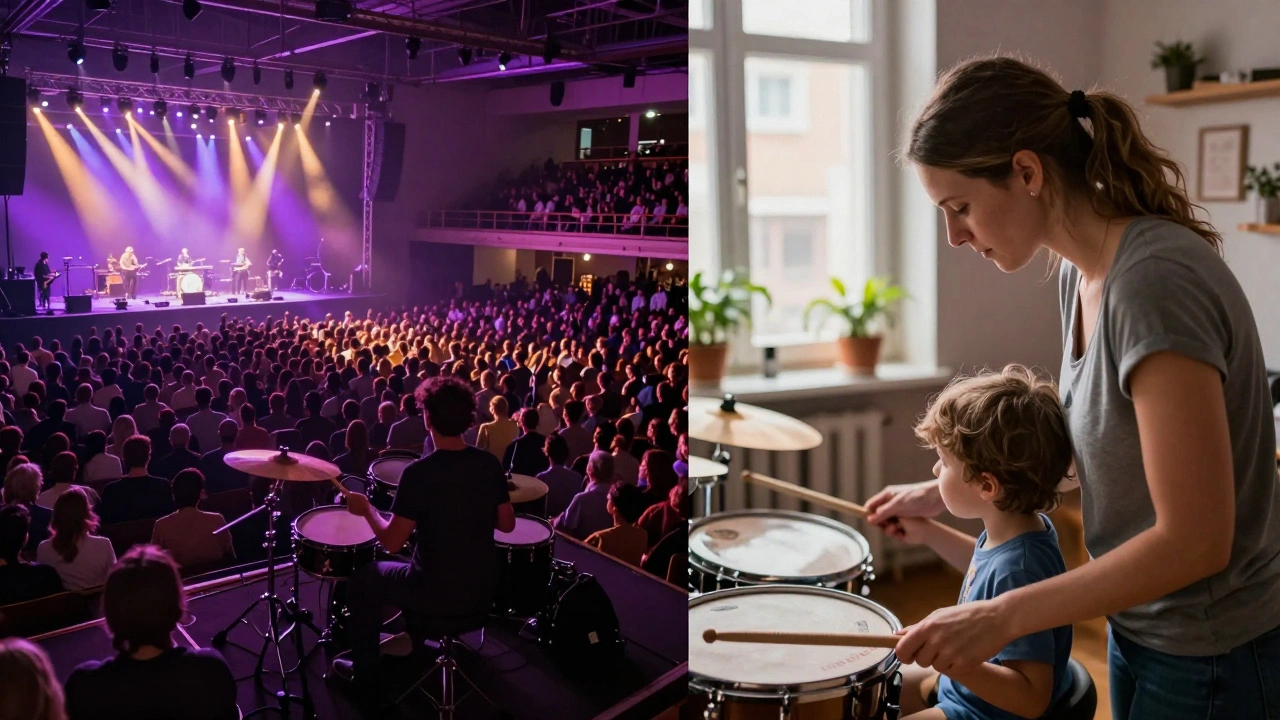
When an artist travels the world, they collect more than just ticket revenue. They gather a network of influence. Alli Starr uses her visibility to shine a light on things that usually go unnoticed in the shadow of the music industry. Instead of just focusing on the applause in a foreign city, she looks for ways that the resources gathered abroad can be funneled back into community investment. Think about it: a performer might reach ten thousand people in a single night. If just 1% of that audience is inspired to support a local music program in the artist's hometown, that's a massive win. This isn't about vanity projects. It's about using the "celebrity" aspect of the job to open doors that would otherwise stay locked for local non-profits. By bridging the gap between a world tour and a neighborhood clinic, she proves that you don't have to choose between professional ambition and a social conscience.The Strategy Behind Sustainable Giving
Many celebrities do "parachute philanthropy"-they fly in, write a big check, take a photo, and fly out. It looks great on Instagram, but it rarely changes lives. Alli Starr takes a different route. She focuses on long-term relationships. This means investing in infrastructure, not just events. Whether it's supporting music education or funding youth mentorship, the goal is to create a system that works even when she is in a different time zone. This requires a level of trust with local leaders. She doesn't show up and tell a community what they need; she listens to the local organizers and asks how her platform can amplify their existing work. It's the difference between being a savior and being a partner.| Feature | Parachute Philanthropy | Sustainable Investment |
|---|---|---|
| Timeframe | Short-term / Event-based | Long-term / Multi-year |
| Goal | Immediate relief / Visibility | Systemic change / Empowerment |
| Approach | Top-down (Donor decides) | Bottom-up (Community decides) |
| Metric of Success | Amount donated | Number of lives permanently improved |
Fighting the Burnout of a Double Life
Let's be honest: touring is exhausting. Jet lag, hotel rooms, and the mental drain of performing for crowds of thousands can leave anyone depleted. Adding a commitment to local community work on top of that is a recipe for burnout if you don't have a plan. Alli manages this by treating her community work as a form of recovery. While the stage is where she gives energy, the community is where she refills her tank. Working with students or volunteering in local projects reminds her why she started playing the drums in the first place. It grounds her. Instead of seeing local investment as "another job," she views it as the anchor that keeps her from floating away in the bubble of the music industry. She uses a rhythmic approach to her schedule-just like her drumming. There are periods of high intensity (touring) followed by periods of deep focus (local investment). This intentional oscillation prevents her from becoming a stranger to her own neighborhood while she's conquering the world.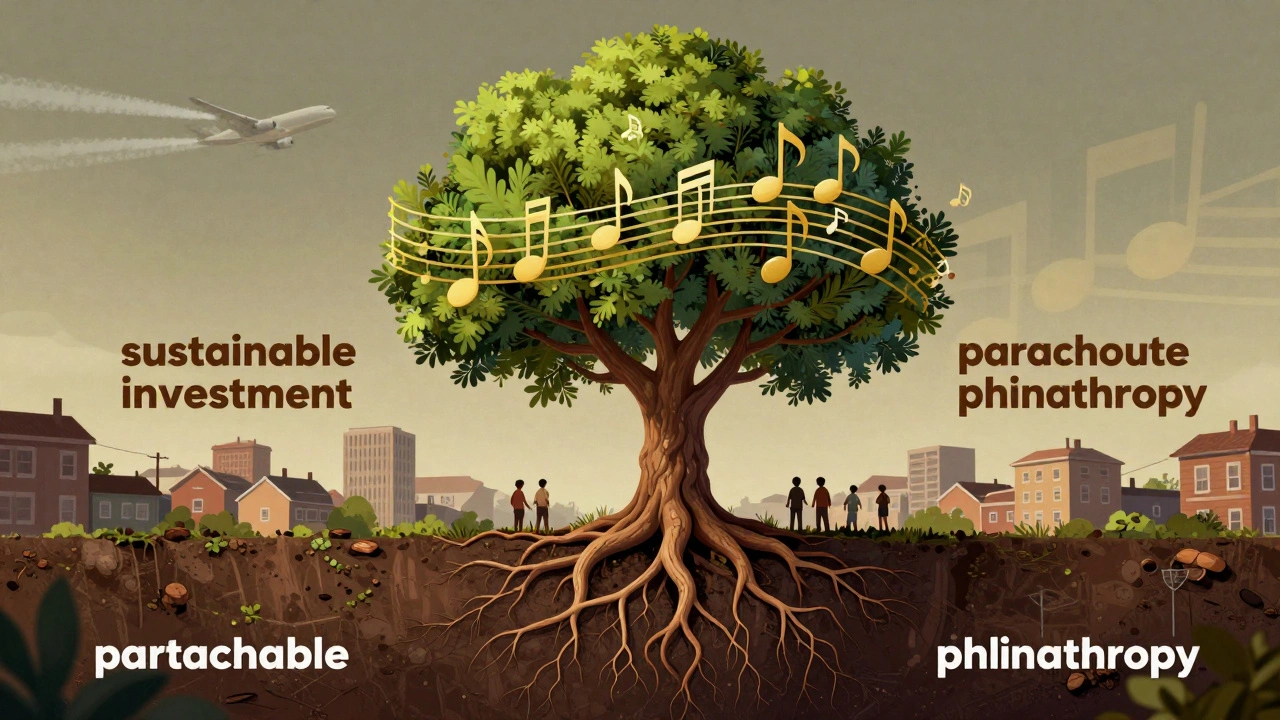
Music as a Vehicle for Social Change
For Alli, the drums aren't just instruments; they are tools for communication. In her workshops, she doesn't just teach a 4/4 beat; she teaches confidence, discipline, and emotional regulation. Arts education is often the first thing cut from school budgets, which means the kids who need it most are the ones who lose access to it. By investing in local programs, she's fighting the "opportunity gap." When a kid from an underserved area realizes they can play a complex rhythm, it triggers a chain reaction. They start believing they can master other things, too. This is where the real impact happens. The music is the hook, but the result is a more resilient, confident human being. This specific focus on empowerment over entertainment is what separates her approach from standard celebrity outreach.Navigating the Logistics of Localism
How does someone actually do this? It starts with a dedicated support team. You can't run a global tour and a local non-profit from the same laptop without help. Alli relies on a network of trusted local coordinators who keep the projects moving while she's on the road. She also utilizes digital tools to stay connected. Whether it's virtual mentorship sessions or collaborative planning via cloud-based project management, the technology allows her to be present even when she's physically thousands of miles away. However, she knows that digital presence isn't a substitute for physical presence. That's why she schedules "homecomings"-dedicated blocks of time where the phone goes off, the tour manager is ignored, and the only thing that matters is the local project at hand.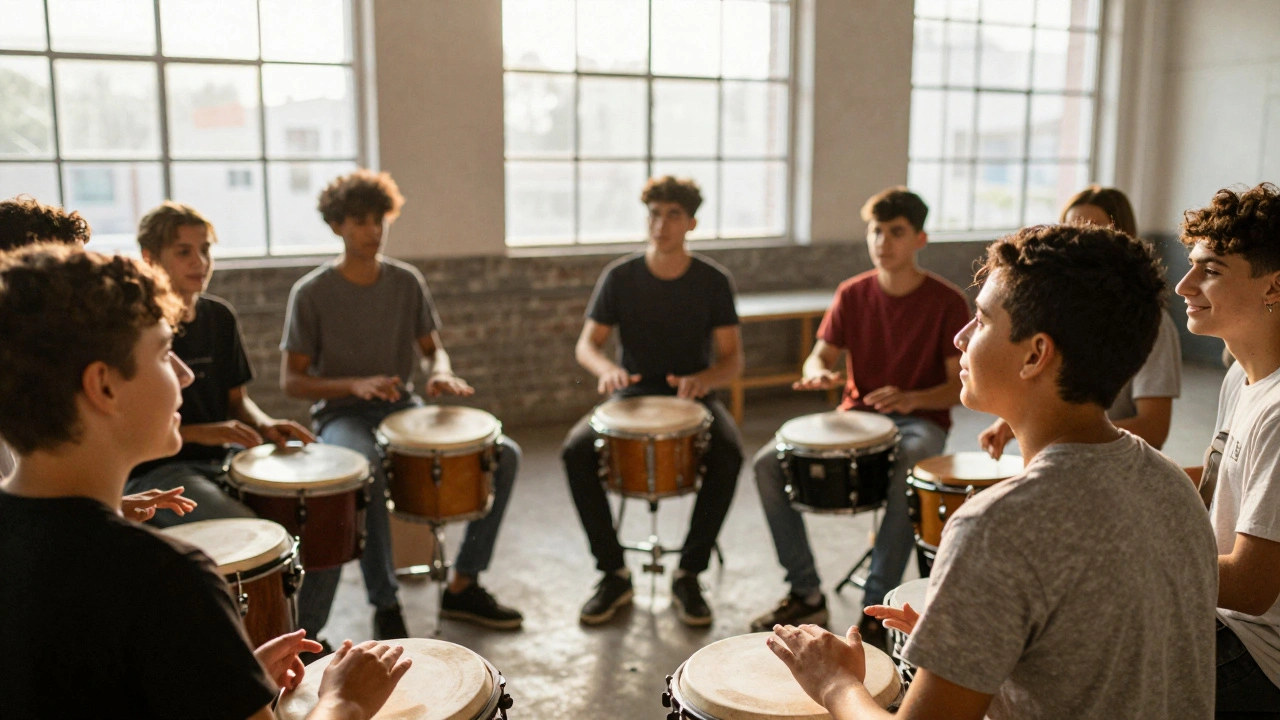
The Ripple Effect of Integrated Success
When a community sees a global star coming back to invest in them, it changes the narrative. It tells the local youth that you don't have to "escape" your neighborhood to be successful. Success isn't about leaving; it's about taking the success back with you. This creates a cycle of aspiration. The students she mentors today become the leaders of tomorrow, and they, in turn, start investing in the next generation. This is the true definition of social equity. It's not about a hand-out; it's about a hand-up. By balancing her global career with local action, Alli Starr is building a legacy that will outlast any album or world tour.Why is community investment different from charity?
Charity often focuses on immediate, short-term relief (like giving food or money), whereas community investment focuses on long-term growth. It's about building schools, creating jobs, or funding education programs that allow a community to sustain itself without needing constant outside help.
How can musicians balance touring with social work?
The key is intentional scheduling and a strong support system. Instead of trying to do everything at once, successful artists often use a "seasonal" approach-focusing on tours during specific months and dedicating other months entirely to local projects. They also employ local coordinators to keep the work moving during their absence.
What impact does music education have on underserved youth?
Music education improves cognitive development, enhances discipline, and provides a safe outlet for emotional expression. For many youth, it's a gateway to building self-esteem and discovering a sense of purpose, which can lead to better academic and social outcomes.
Does global fame hinder local impact?
Not if used correctly. Fame can actually amplify local impact by attracting more funding, bringing media attention to ignored issues, and inspiring local youth through a relatable success story.
What are the biggest risks of celebrity philanthropy?
The biggest risk is the "savior complex," where the celebrity decides what the community needs without consulting the people living there. This can lead to wasted resources and projects that don't actually solve the core problems.
Next Steps for Aspiring Change-Makers
If you're an artist or professional looking to follow this path, don't wait until you're "famous' to start. Start small. Find one local organization you believe in and offer your time or a specific skill.- Audit your influence: What do you have (skills, network, money) that a local group needs?
- Listen first: Spend a month just observing and talking to community leaders before suggesting a project.
- Build a team: Find a few reliable people who share your vision to help manage the workload.
- Set boundaries: Be clear about when you are "on tour" and when you are "on the ground" to avoid burnout.