The Truth About Artist Alignment
Most musicians treat sponsorships like a lottery ticket-they just want to win the money. But Alli Starr looks at it differently. For her, alignment isn't a "nice-to-have"; it's the only way to ensure long-term sustainability. When an artist promotes a product, they aren't just selling a gadget; they are lending their personal credibility to that company. If you're a folk singer who advocates for environmental sustainability, taking a check from a fast-fashion giant that pollutes rivers is a branding disaster. The cognitive dissonance for the fan is too high. Alignment means that if you weren't being paid, you'd probably still use the product or support the mission. That's the gold standard for any Music Sponsorship deal.Alli Starr’s Non-Negotiable Criteria
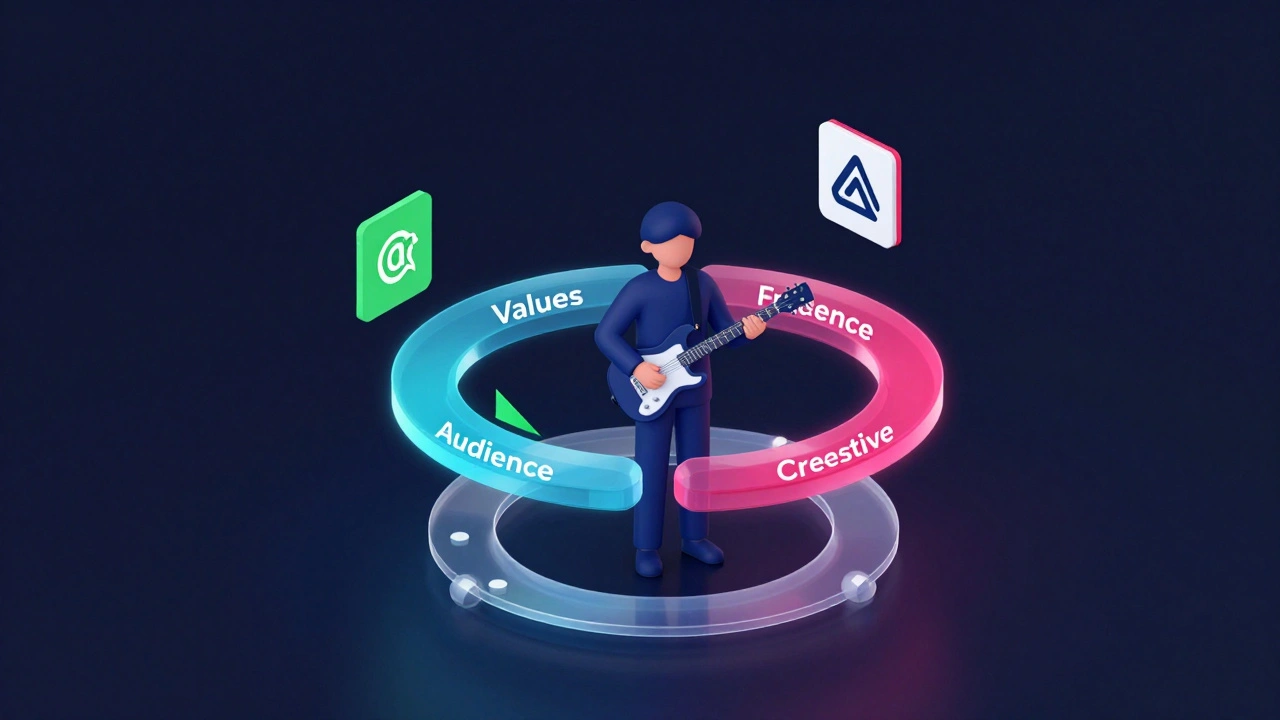
Alli doesn't just look at the budget. She uses a specific set of filters to decide if a company is a fit. It starts with a deep dive into the brand's history and current behavior. Does the company actually practice what it preaches? One of the core pillars is audience overlap. If the brand targets high-net-worth executives in their 50s but your listeners are Gen Z students in Berlin, the partnership is a ghost town. You're talking to a room where no one is listening. Then there's the "Creative Control" factor. A brand that wants to dictate every word of your caption or tell you how to dress in a video is usually a red flag. Partnerships should be a conversation, not a mandate. If a company treats an artist like a billboard rather than a creator, the authenticity vanishes instantly.Evaluating the Value Exchange
Money is the obvious part, but a smart partnership offers more than just a flat fee. You have to look at the total value exchange. Sometimes, access to a brand's massive distribution network is worth more than an upfront payment. For instance, if a tech company integrates your music into a global app launch, the sheer number of new ears on your tracks can outweigh a one-time check.| Criteria | Green Light (High Alignment) | Red Flag (Low Alignment) |
|---|---|---|
| Value System | Shared ethics and mission | Conflicting public stances |
| Audience | Natural overlap in demographics | Completely different user bases |
| Creative Freedom | Trusts artist's voice and vision | Strict, corporate script requirements |
| Product Use | Artist already uses the product | Artist has never tried the product |
The Danger of the "Quick Buck"
It's tempting to say yes to everything when the bank account is low. But the industry is full of cautionary tales. When an artist takes a deal that feels "off," they create a perception of being "bought." Once a fan believes you're just a mouthpiece for the highest bidder, your power to influence them drops to zero. This is where Artist Monetization becomes a psychological game. You aren't just managing money; you're managing a reputation. A few well-chosen, authentic partnerships can build a brand that lasts decades. A dozen mismatched sponsorships can burn a bridge in a single Instagram story.Building a Partnership Portfolio
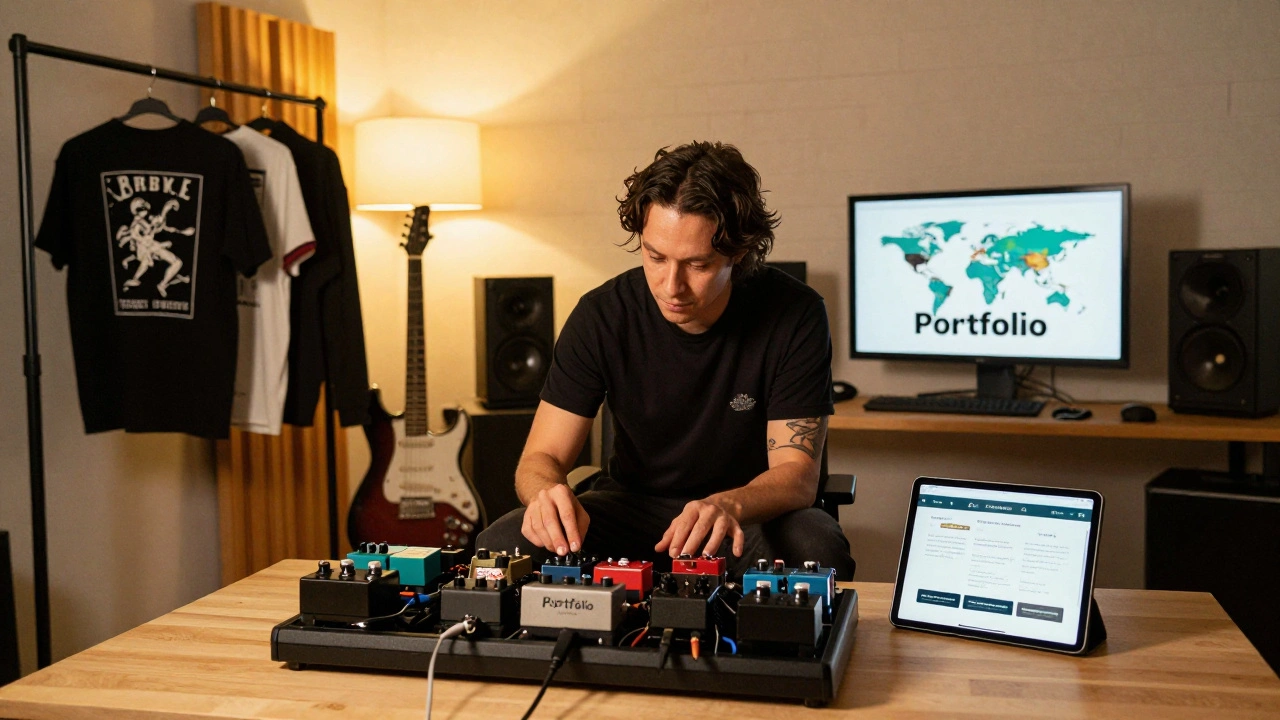
Instead of one giant, soul-crushing deal, Alli suggests building a portfolio. This means mixing different types of collaborations to keep the brand fresh.- Endorsements: Long-term relationships with a brand where you are the "face" of the product. This requires the highest level of alignment.
- Project-Based Deals: Sponsoring a specific tour or album release. These are easier to manage because they have a clear start and end date.
- Equity Partnerships: Taking a stake in a company in exchange for promotion. This is a high-risk, high-reward move that aligns the artist's success directly with the company's growth.
- Co-Branded Products: Creating a limited edition item, like a signature guitar pedal or a custom clothing line. This allows the artist to inject their own DNA into the product.
Negotiating from a Position of Strength
When you approach a brand, don't ask for a favor. Position yourself as a solution to their problem. Brands aren't paying you to be famous; they're paying for access to your community. If you can show a brand that your fans are highly engaged and trust your recommendations, you have the leverage. Instead of saying, "I'd like to be a brand ambassador," say, "My audience is currently struggling with [problem], and your product solves that. Here is how we can introduce it naturally." This shift in perspective changes the dynamic from a beggar to a business partner. It also ensures that the alignment is based on utility, not just aesthetics.Avoiding Common Contract Traps
Even with a perfect brand match, the contract can ruin the deal. Many artists get trapped by "Exclusivity Clauses." If you sign a deal with one beverage company that forbids you from working with any other drink brand for three years, you've just closed the door on every other potential deal in that category. Always negotiate the scope of exclusivity. Does it apply globally or just in your home country? Does it include all beverages or just energy drinks? Being specific here prevents you from accidentally killing your future income streams. Another pitfall is the "Moral Turpitude Clause." These are common in Sponsorship Contracts, allowing the brand to cancel the deal if you do something that "damages their image." While fair on the surface, make sure the language isn't so broad that a simple political opinion or a misunderstood tweet can cost you your entire payout.The Long-Term Play
Ultimately, the goal is to reach a point where your brand is so defined that the right partners come to you. When you consistently turn down misaligned deals, you signal to the market that your endorsement is valuable and selective. This scarcity increases your price. Companies will pay a premium for an artist who is known for being picky because they know that when that artist finally says "yes," the audience will actually believe them. That's the secret to sustainable success in music entrepreneurship: choosing the right "no" so that your "yes" carries real weight.How do I know if a brand is actually aligned with my music?
Ask yourself: If this company didn't pay me, would I still recommend this product to my best friend? If the answer is no, the alignment is likely purely financial. Check their public records, their social media interactions, and their corporate values to see if they match your own beliefs.
Is it okay to take a deal that isn't a perfect fit if I really need the money?
It depends on the degree of misalignment. There's a difference between a "neutral" fit (a product you don't care about but doesn't hurt your brand) and a "toxic" fit (a product that contradicts your values). Neutral fits can be acceptable in the short term, but toxic fits can cause permanent damage to your fan relationship.
What is the best way to reach out to a brand for a partnership?
Don't send a generic email. Create a short pitch deck that shows your audience demographics, engagement rates, and a concrete idea for how the partnership would work. Focus on the value you bring to the brand, not what the brand can do for you.
How much should I charge for a brand partnership?
Pricing varies wildly, but a good starting point is to calculate the value of your reach (impressions) and add a premium for your creative production and the "trust' factor of your endorsement. Don't forget to factor in the time it takes to create content and the duration of the usage rights the brand wants.
What are the risks of equity partnerships over cash payments?
The main risk is liquidity. Cash is immediate; equity is a bet on the future. If the company fails or never goes public/gets acquired, your equity is worth zero. However, if the company explodes in growth, equity can lead to a much larger payout than any single sponsorship fee ever could.