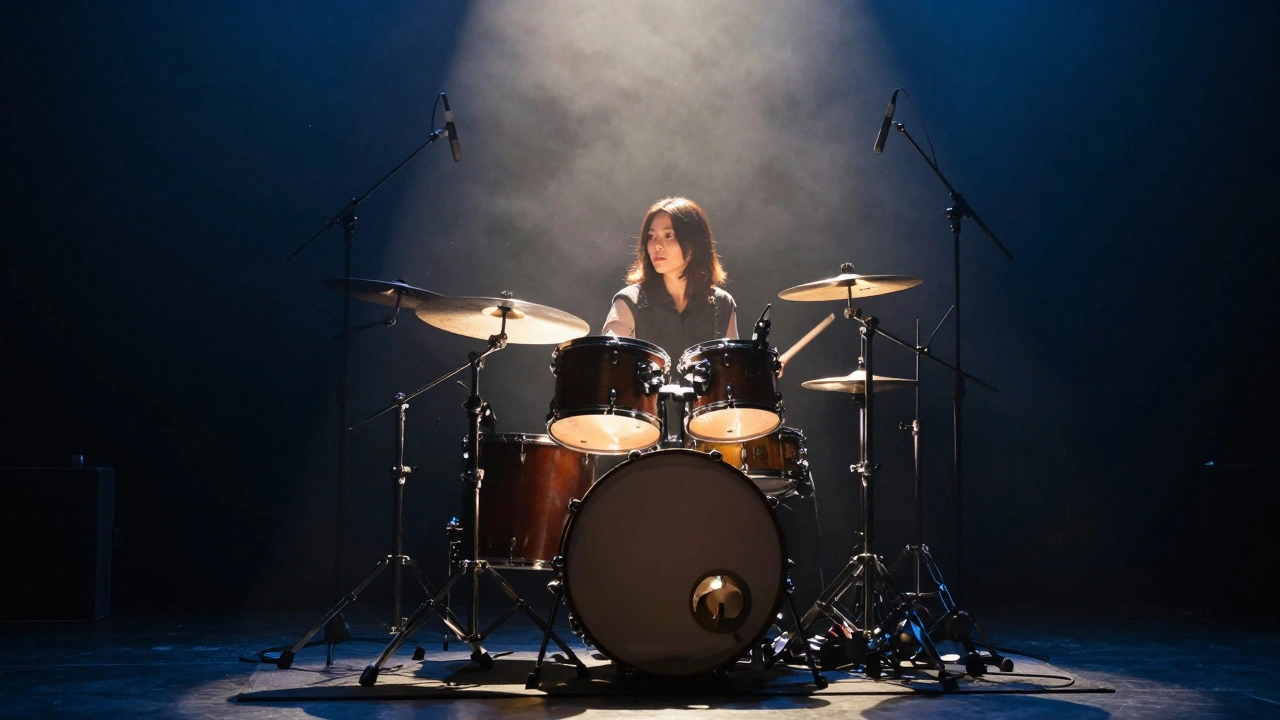
Most of us view a stage as a place of perfection, where the artist is a superhuman machine. But the reality is that the physical demands of performing-especially for drummers-are grueling. When Starr faced health challenges that threatened her ability to maintain her usual intensity, she didn't just "tough it out." She looked at the ergonomics of her kit and the timing of her sets. This shift from endurance to adaptation is where the real lesson lies for any artist facing physical or mental limitations.
The Shift from Endurance to Adaptation
There is a dangerous myth in the arts that suffering is a prerequisite for authenticity. We've all heard stories of singers performing with pneumonia or dancers ignoring stress fractures. However, Starr's approach treats the body as a collaborator rather than a tool. When a collaborator is struggling, you change the arrangement. You don't just yell at them to play louder.
For an artist, this means auditing the "physical cost" of every movement. If a specific gesture, a high note, or a heavy drum fill causes a flare-up or extreme fatigue, the question isn't "How do I fix my body?" but "How do I change the movement to keep the emotional impact?" This is a core tenet of Adaptive Performance, where the goal is to maintain the artistic integrity of the piece while reducing the physiological strain.
| Aspect | The Endurance Approach (Traditional) | The Adaptive Approach (Starr's Model) |
|---|---|---|
| View of Pain | A hurdle to be ignored or pushed through. | A data point indicating a need for change. |
| Stage Setup | Standard, traditional configurations. | Ergonomically modified for energy conservation. |
| Pacing | High intensity from start to finish. | Strategic peaks and valleys to manage fatigue. |
| Success Metric | Executing the piece exactly as rehearsed. | Delivering the emotional truth without injury. |
Redesigning the Physical Environment
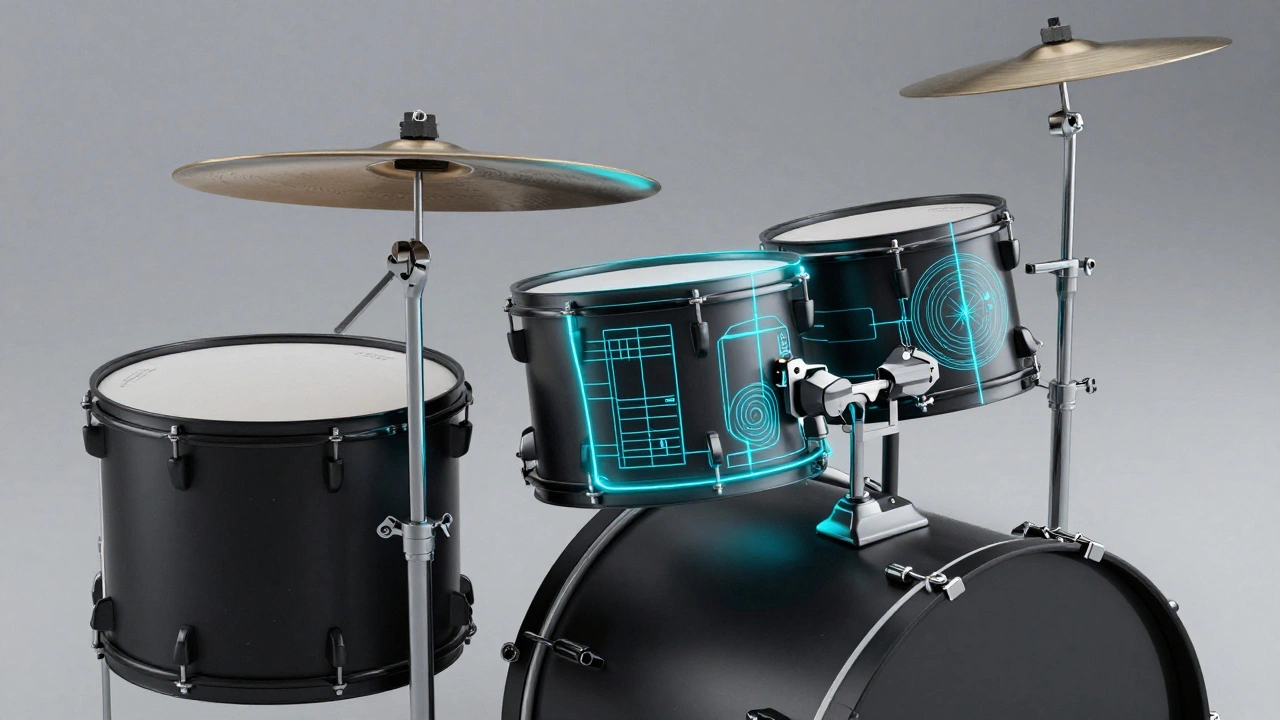
You can't expect a body in crisis to perform in a space designed for the healthy. Starr's adaptations often start with the hardware. For a drummer, this might mean adjusting the height of a snare or relocating a crash cymbal by just two inches to avoid a repetitive strain. For a painter, it might mean an easel that allows for sitting; for a singer, it might be a stool that provides stability without sacrificing diaphragm expansion.
Consider the concept of Ergonomics-the study of people's efficiency in their working environment. In the arts, ergonomics is often ignored in favor of "the look." But when health is at stake, the environment must bend to the artist. If you find yourself gripping a brush too tightly or leaning too far forward during a set, you are leaking energy. By modifying the physical touchpoints of your craft, you extend your career longevity.
Practical changes can include:
- Tool Modification: Adding grips to instruments or using lighter-weight materials to reduce joint pressure.
- Strategic Seating: Using supports that maintain posture without creating tension in the lower back.
- Lighting and Sensory Control: Reducing jarring stimuli that can trigger migraines or sensory overload, allowing the brain to focus on the performance.
Pacing and the "Energy Budget"
One of the most vital lessons from Starr’s experience is the concept of the "Spoon Theory" applied to the stage. For those with chronic illness, energy is a finite currency. If you spend all your tokens on the first two songs, you'll be bankrupt by the encore. Health resilience requires a strict energy budget.
This means mapping out a performance not just by musical transitions, but by energy expenditure. Where can you afford to be minimalist? Where do you need to go all-in? By consciously choosing moments of restraint, you create a more dynamic show. Ironically, this often makes the high-energy moments feel even more impactful because they aren't buried in a constant wall of noise or effort.
To implement this, try a "heat map" of your performance. Mark the sections that are physically taxing in red and the low-effort sections in green. If you have too much red in a row, it's time to rewrite the arrangement. Maybe a high-energy chorus can be followed by a stripped-back verse that allows you to breathe and reset.
The Psychology of Visible Adaptation
There is a fear among artists that showing adaptation-like sitting down during a set or using an assistive device-will make them look "weak" or "less professional." Starr’s journey challenges this. When an artist is honest about their needs, it actually builds a deeper connection with the audience. It transforms the performance from a display of perfection into a story of human resilience.
This is where Accessibility moves from being a logistical requirement to an artistic statement. When you adapt your stage presence, you are essentially telling your audience that art is for everyone, regardless of their physical state. It removes the pedestal and replaces it with a bridge of shared vulnerability.
Stop asking, "Will they notice the change?" and start asking, "What does this change say about my commitment to my art?" The answer is usually that you love the work enough to find a way to keep doing it, even when the odds are against you. That level of commitment is far more inspiring than a flawless, robotic performance.

Building a Support Ecosystem
No artist is an island, especially not one managing a health condition. Health resilience isn't just about what you do on stage; it's about who you have in your corner. Starr’s success isn't just about her own will; it's about creating a system that supports her adaptations.
This involves clear communication with bandmates, technicians, and venue managers. If you need a specific ramp, a certain type of chair, or a longer break between sets, you have to advocate for it. Many artists fail here because they don't want to be a "burden." But a professional environment is one where every team member has what they need to succeed. Your health needs are no different than a guitarist needing a specific amp or a lighting tech needing a certain gel.
A resilient ecosystem looks like this:
- The Honest Conversation: Briefing your collaborators on your boundaries and your "warning signs" of fatigue.
- The Logistics Audit: Walking through the stage layout before the show to identify potential physical bottlenecks.
- The Recovery Plan: Scheduling mandatory downtime immediately following a performance to prevent the "crash" that often follows high-adrenaline events.
How do I start adapting my performance without losing the "feel" of the music?
Start by identifying the "core emotional beats" of your piece. Ask yourself: Does this specific physical movement contribute to the emotion, or is it just a habit? Replace the taxing movements with simpler ones that evoke the same feeling. For example, a drummer might replace a complex fill with a powerful, singular hit that carries the same weight but requires less joint strain.
What if my health condition changes rapidly from show to show?
Create "Modular Arrangements." Design your set with three versions of a song: a High-Energy version, a Moderate version, and a Minimalist version. Depending on how you feel during soundcheck, you can slot in the version that matches your energy budget for that day. This takes the pressure off and ensures you can always perform regardless of your symptoms.
Is it a bad idea to mention my health struggles to the audience?
That is entirely up to your comfort level, but generally, authenticity wins. You don't need to give a medical lecture, but a simple comment like, "I've had to change how I play to keep doing what I love," can create a powerful bond with listeners who are also struggling with their own invisible battles.
How do I handle the guilt of not performing the way I "used to"?
Reframe your definition of success. If you define success as a carbon copy of your past self, you'll always feel like you're failing. Instead, define success as the ability to translate your current experience into art. Your current perspective, shaped by your health journey, likely has an emotional depth that your younger, healthier self didn't possess.
What tools are best for monitoring energy levels during a performance?
Use a simple "Check-in Scale" from 1 to 10. At the end of every third song, quickly assess your fatigue. If you're at a 3, it's time to trigger your minimalist arrangements or take a longer speaking break. Using wearable tech like a smartwatch to monitor heart rate can also give you objective data on when your body is hitting a stress ceiling.
Next Steps for the Resilient Artist
If you are currently struggling to balance your health with your art, stop trying to fight your body. Start by documenting where you feel the most strain during your creative process. Is it the setup? The actual performance? The cleanup? Once you have that data, apply the Starr method: adapt the environment, budget your energy, and communicate your needs.
For those in a healthy phase, now is the time to build these habits anyway. Ergonomics and pacing aren't just for the ill; they are the secrets to a forty-year career versus a five-year burnout. By treating your health as a core part of your artistic practice, you ensure that the curtain stays up for as long as possible.