When you think of Vegas residencies, you probably picture big-name singers belting out hits under neon lights. But for Alli Starr, her residency isn’t just a gig-it’s the engine behind everything she posts online. Every show, every backstage moment, every crowd reaction becomes raw material for her social media and streaming content. And it’s not luck. It’s strategy.
Residencies Are Content Factories
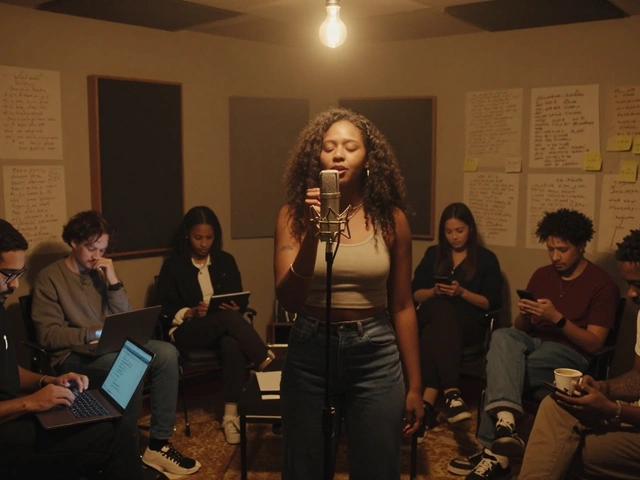
Alli Starr doesn’t perform in Vegas because it’s glamorous. She does it because the environment is perfect for content creation. A residency means she’s playing the same venue, same nights, same time, every week. That consistency gives her a rhythm. She knows exactly when to set up cameras, who to interview, and what moments will blow up online.
Unlike one-off concerts, residencies let her build a library of footage. She films warm-ups, soundchecks, costume changes, and even the quiet moments before the show starts. These aren’t just behind-the-scenes clips-they’re storytelling gold. Her TikTok followers see her arguing with a stage manager over a missing mic, then cut to her nailing a high note ten minutes later. The contrast is real. And real gets views.
The Audience Becomes Part of the Show
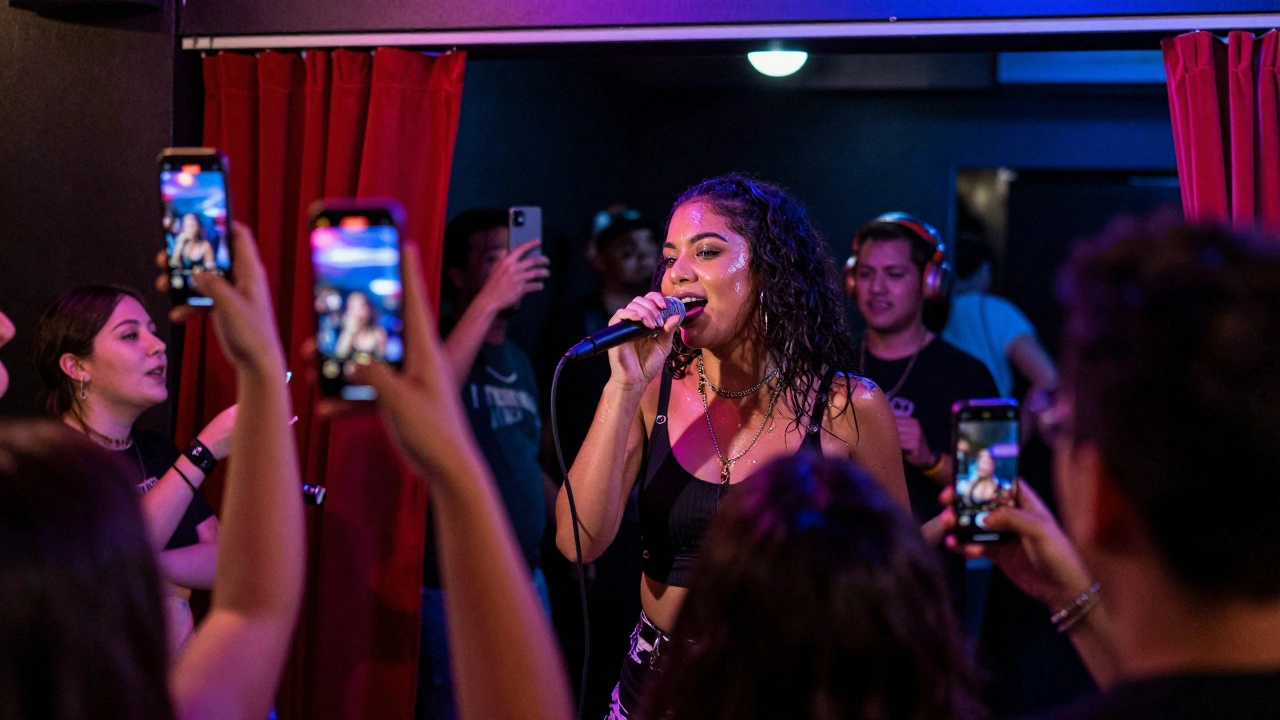
Most artists treat live audiences as passive observers. Alli treats them as co-creators. During her residency at The Pearl, she started tagging fans in posts after their reactions went viral-like the guy who screamed so hard his voice cracked during her bridge, or the group that showed up in matching neon outfits every Friday.
She doesn’t just film them. She interacts. After a show, she’ll grab her phone and ask someone in the front row, “What was the one thing you came for?” Then she’ll post it as a 15-second clip. That simple question has generated over 2 million views across platforms. Fans feel seen. And when they feel seen, they show up again. And again. And again.
Streaming Isn’t an Afterthought-It’s the Plan
She doesn’t stream her shows just to reach people who couldn’t make it. She streams them because the live feed gives her real-time feedback. She watches the chat while performing. If 300 people type “I need that outfit,” she’ll pull the designer’s name into her next Instagram Story. If 120 people ask about the song she didn’t play, she’ll drop it as a surprise the next night.
Her Twitch and YouTube Live streams are edited on the fly. She’ll pause mid-song to answer a question, then jump back in. That spontaneity builds trust. Viewers don’t feel like they’re watching a polished product-they feel like they’re in the room. And that intimacy turns casual viewers into loyal subscribers.
Content Repurposing Is a Science
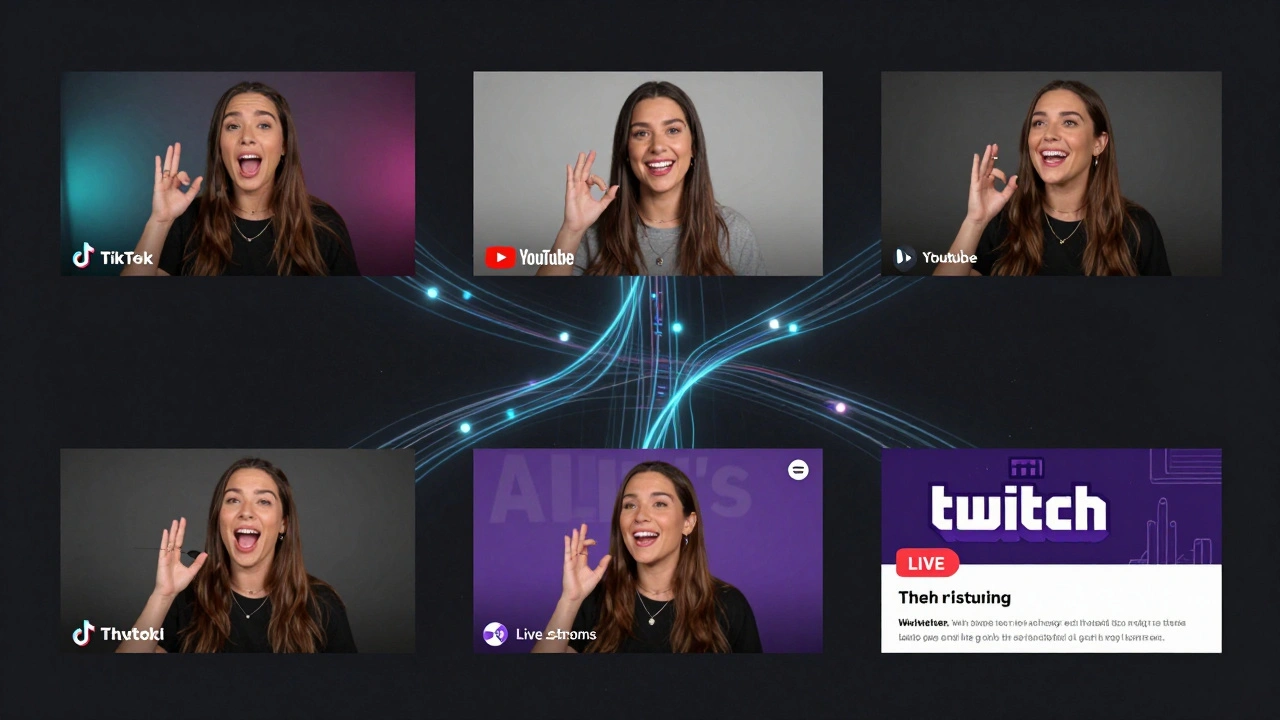
One residency show generates enough material for three weeks of posts. She breaks it down like this:
- 2-3 short clips for TikTok (under 60 seconds)
- 1 longer vlog-style video for YouTube (8-12 minutes)
- 5-7 Instagram carousels (outfit breakdowns, setlist secrets, fan shoutouts)
- 1 live stream recap for her newsletter
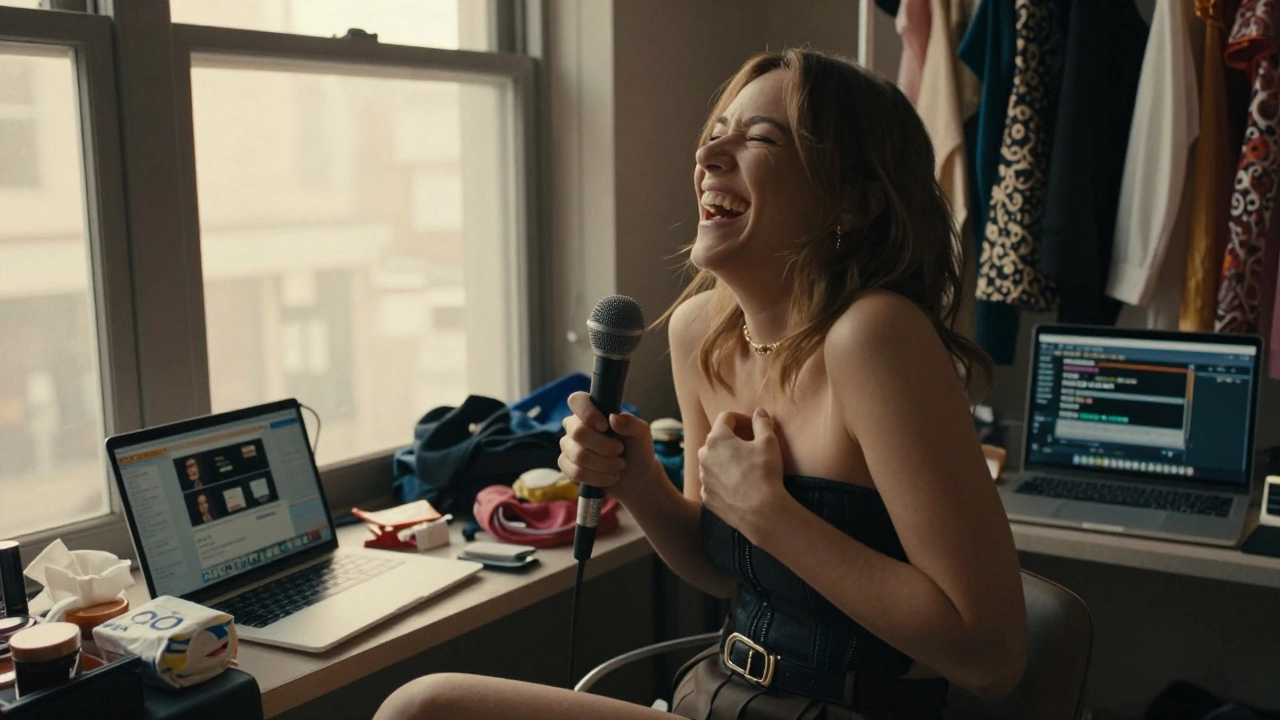
She uses the same footage, but changes the context. A 10-second clip of her laughing after a flubbed lyric becomes a TikTok trend: “When the mic dies and you still hit the note.” The same moment, with added narration about stage nerves, becomes a YouTube video titled “Why I’m Not as Confident as I Look.”
She doesn’t post more because she’s trying to be everywhere. She posts smarter because she’s collecting data. Which clips get shared? Which ones get saved? Which ones make people DM her asking where to buy the dress? That data tells her what to do next.
Residencies Build Momentum, Not Just Fans
Most artists chase virality. Alli chases consistency. Her residency runs for 14 weeks a year. That’s 56 shows. In each show, she captures 20 unique moments. That’s over 1,100 content pieces per year-just from one residency.
And it’s not just about numbers. It’s about momentum. When a fan sees her in Vegas, then sees her in a TikTok trend the next day, then gets a DM from her after commenting on a stream, they don’t just follow her. They feel connected. And that connection turns into ticket sales, merch purchases, and even fan-made edits that go viral on their own.
She doesn’t need to go viral. She needs to stay visible. And residencies make that possible without burning out.
Why This Works for Artists Like Her
Not every artist can pull this off. You need:
- A team that understands content as part of the performance
- A venue willing to let cameras in during rehearsals and shows
- A schedule that allows time to edit and post without missing shows
- A personality that doesn’t mind being vulnerable on camera
Alli has all four. Her manager handles logistics. Her videographer is also her best friend. She edits on her phone between soundcheck and curtain. And she’s never afraid to show up tired, sweaty, or emotional.
That honesty is what makes her content stick. People don’t follow perfection. They follow truth. And residencies give her the space to be both a performer and a person.
What Other Artists Miss
A lot of singers think residencies are just about making money. They are-but that’s not the point. The real value is in the content pipeline. A residency turns a short-term event into a long-term brand builder. It gives you a steady stream of authentic moments that you can’t fake in a studio.
It’s not about having the biggest stage. It’s about having the most consistent one.
Alli Starr’s secret isn’t her voice. It’s her schedule. And the fact that she turned a Vegas residency into a content machine that keeps her relevant, relatable, and always in the spotlight-without ever chasing trends.
Do you need a big venue to make residencies work for content?
No. Alli started in a 300-seat room at The Pearl. What matters isn’t the size-it’s the consistency. A smaller venue with regular shows gives you more control over lighting, sound, and camera angles. Big venues often have strict rules about filming. Smaller ones are more flexible. The key is showing up the same nights, every week, so your audience knows when to expect new content.
How do you avoid burnout from performing and creating content?
Alli limits her content creation to three hours after each show. She doesn’t film everything. She picks three moments: one emotional, one funny, one behind-the-scenes. That’s it. She also has a dedicated editor who handles the heavy lifting. She doesn’t edit on tour days. She saves that for her off-weeks. And she takes two full weeks off every three months. No phones. No cameras. Just rest.
Can smaller artists replicate this without a team?
Yes, but you need to be ruthless about what you film. Start with one phone on a tripod. Film one 60-second clip after each show. Post it the same day. Don’t try to do TikTok, YouTube, and Instagram at once. Pick one platform and master it. Use free tools like CapCut or Canva. Your first goal isn’t to go viral-it’s to build a habit. One consistent post per week for 12 weeks will do more than 100 random posts.
Do residencies still work in 2026 with AI-generated content everywhere?
More than ever. AI can write captions. It can even generate fake crowd reactions. But it can’t replicate the sweat on your forehead after a high note. It can’t capture the moment your fan screams because they’ve waited two years to see you live. Authentic human moments are rare. And that’s exactly what people are starving for. Residencies give you a steady supply of them.
What’s the biggest mistake artists make with residency content?
Trying to make everything look perfect. Alli’s most shared clip? When she dropped her mic, laughed, and said, “I’m too tired for this.” No filters. No edits. Just real. People don’t follow polished personas. They follow real people who show up, mess up, and keep going. If you’re editing out every mistake, you’re editing out the connection.