When you hear Alli Starr’s music, you don’t just hear notes-you hear silence. The spaces between the beats, the way a cello lingers after the last bow stroke, the sudden quiet before a chorus crashes in. It’s not just artistic choice. It’s learned. Alli Starr didn’t go to music school first. She went to mortuary science.
Death Taught Her How to Listen
Alli Starr spent two years in a mortuary science program before she picked up a guitar again. She didn’t plan it that way. After her brother died suddenly at 22, she needed to understand what happened to his body. Not just the medical details, but the rituals. The way families touched his hands one last time. The way the room smelled after the embalming fluid settled. The way a funeral home could feel both sterile and sacred at the same time.
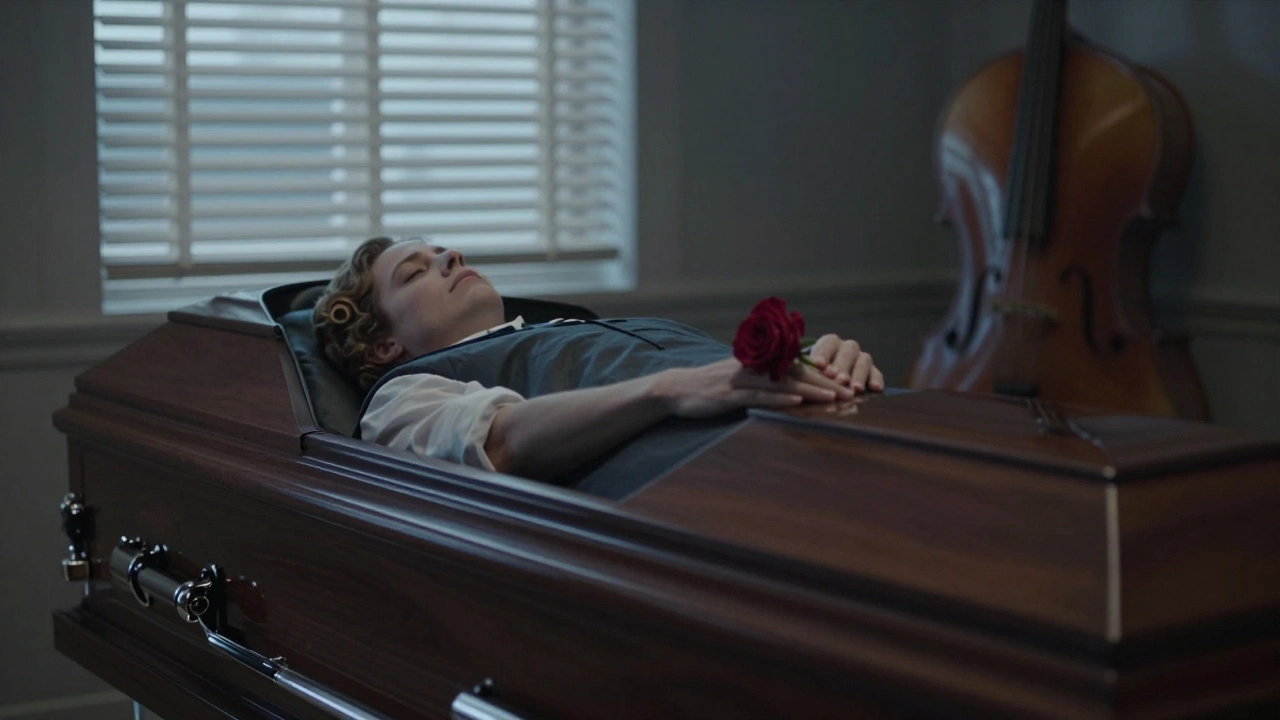
She started working part-time at a family-owned funeral home in Eugene. She learned how to clean, how to dress, how to position a body so it looked peaceful, not stiff. She learned that the most important part of the job wasn’t the chemicals-it was the silence. The quiet hours when no one was around, just the hum of the refrigeration unit and the weight of grief in the air.
That silence became her muse.
The Science of Finality, the Art of Memory
Mortuary science teaches you that death isn’t an ending-it’s a transition. Bodies don’t vanish. They change. Skin cools. Tissues break down. Odors shift. Colors fade. Alli saw how families clung to small things: a favorite shirt, a wedding ring left on the chest, a single rose placed in the folded hands. Those details weren’t random. They were anchors.
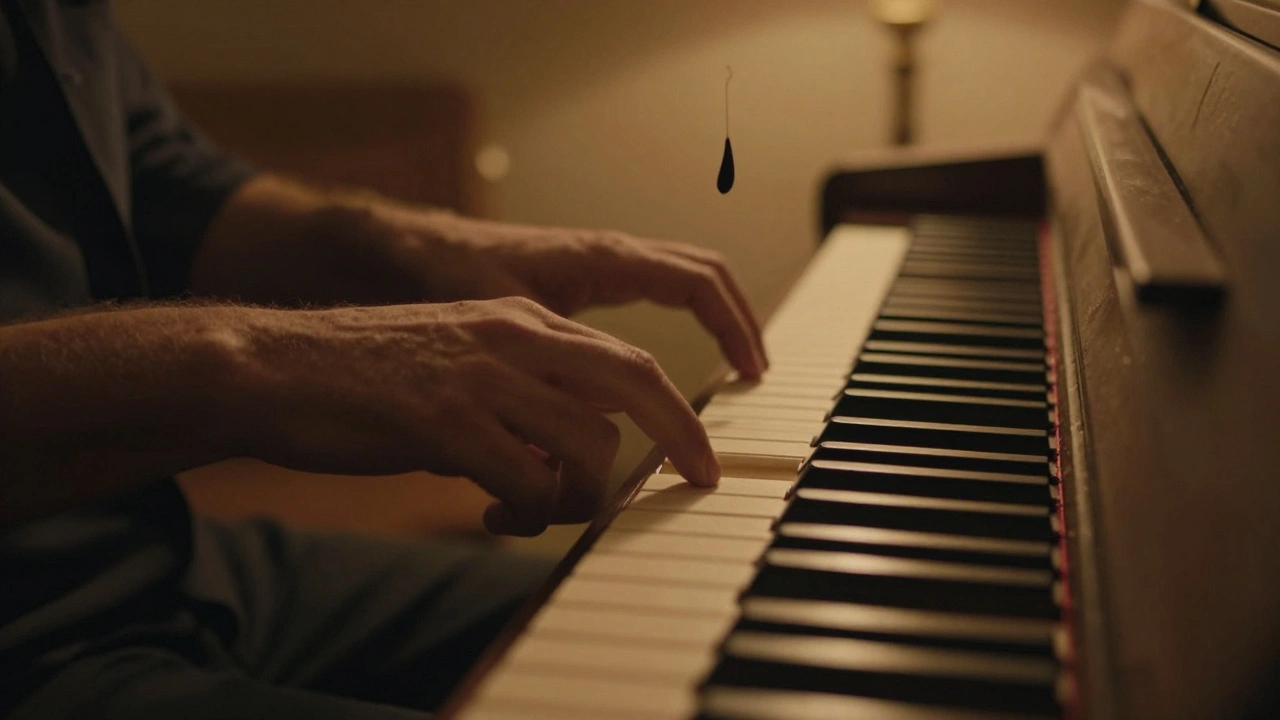
She started applying that to her songwriting. Instead of writing songs about loss, she started writing about the things left behind. Her song "Cufflinks in the Drawer" is built around a single recurring piano line that repeats, then drops out, then returns one last time. It’s not a metaphor. It’s a technique she learned from arranging hair for viewing. "You don’t comb it all the way down," she told an interviewer once. "You leave a curl. Just one. So it looks like they were just about to move."
Her album Still Life in E Minor has no percussion on three tracks. No drums. No hi-hats. Just strings, breath, and the faint echo of a door closing. A producer asked her why. She said, "I’ve seen people sit for hours beside a body, waiting for a sign. That’s what I’m trying to recreate. Not the moment they died. The moment they stopped being gone."
How Embalming Changed Her Chord Progressions
One of the most surprising things mortuary science taught her was how chemicals alter texture. Formaldehyde tightens skin. Alcohol dries out tissue. The goal isn’t to make someone look alive-it’s to make them look like they could be. A balance. Too much, and they look like wax. Too little, and they look like they’re melting.
She started thinking about music the same way. Her chord progressions used to be predictable: I-IV-V, then resolve. Now, she layers chords that don’t resolve cleanly. She uses suspended fourths that hang. She lets minor sevenths bleed into major thirds. She calls it "emotional embalming." The notes don’t fix the sadness-they preserve it. They keep it from collapsing.
Her song "The Last Bath" opens with a vocal harmony that never quite lands on the root note. It’s unsettling. People ask her if it’s intentional. "Yes," she says. "It’s supposed to feel like you’re waiting for someone to blink. They never do. But you still look."
Funeral Rituals as Musical Structure
In mortuary science, rituals aren’t optional. They’re protocols. The sequence matters. The order of washing, dressing, casketing, viewing. Each step has a purpose: dignity, control, closure.
Alli started structuring her albums like a funeral service. Her EP Three Days follows the timeline of a traditional viewing:
- Day One: The Arrival - A slow, ambient track with distant echoes of a heartbeat monitor.
- Day Two: The Gathering - A duet between violin and voice, layered like voices speaking over the casket.
- Day Three: The Release - A single note held for 87 seconds, then silence.
She doesn’t call it avant-garde. She calls it "what happens when you treat grief like a science."
Legacy Isn’t What You Leave Behind-It’s How You Leave It
She’s not the only artist who’s been touched by death. But most musicians romanticize it. Alli doesn’t. She’s seen too many bodies. Too many families who didn’t say goodbye. Too many people who left behind half-written letters, unplayed instruments, unanswered texts.
Her music doesn’t ask you to mourn. It asks you to notice. To pay attention to the quiet. To the way a sock sits on the floor. To the way a coffee cup still has a ring. To the way a song can feel like a hand that’s no longer there, but still reaches out.
She once said in a radio interview: "People think legacy is about being remembered. But legacy is about being felt. Even when you’re gone. Even when the body is gone. Even when the voice stops. That’s what mortuary science taught me. You don’t preserve the person. You preserve the space they left. And that space? That’s where the music lives."
Why This Matters Now
In a world obsessed with viral moments and instant fame, Alli Starr’s work is a quiet rebellion. She doesn’t post on TikTok. She doesn’t chase trends. She doesn’t need to. Her audience doesn’t grow through algorithms. It grows because someone hears a song and thinks, "That’s how I felt when my mom died. But I never had the words."
She’s not trying to sell comfort. She’s trying to give space. Space to feel. Space to not fix it. Space to sit with the silence.
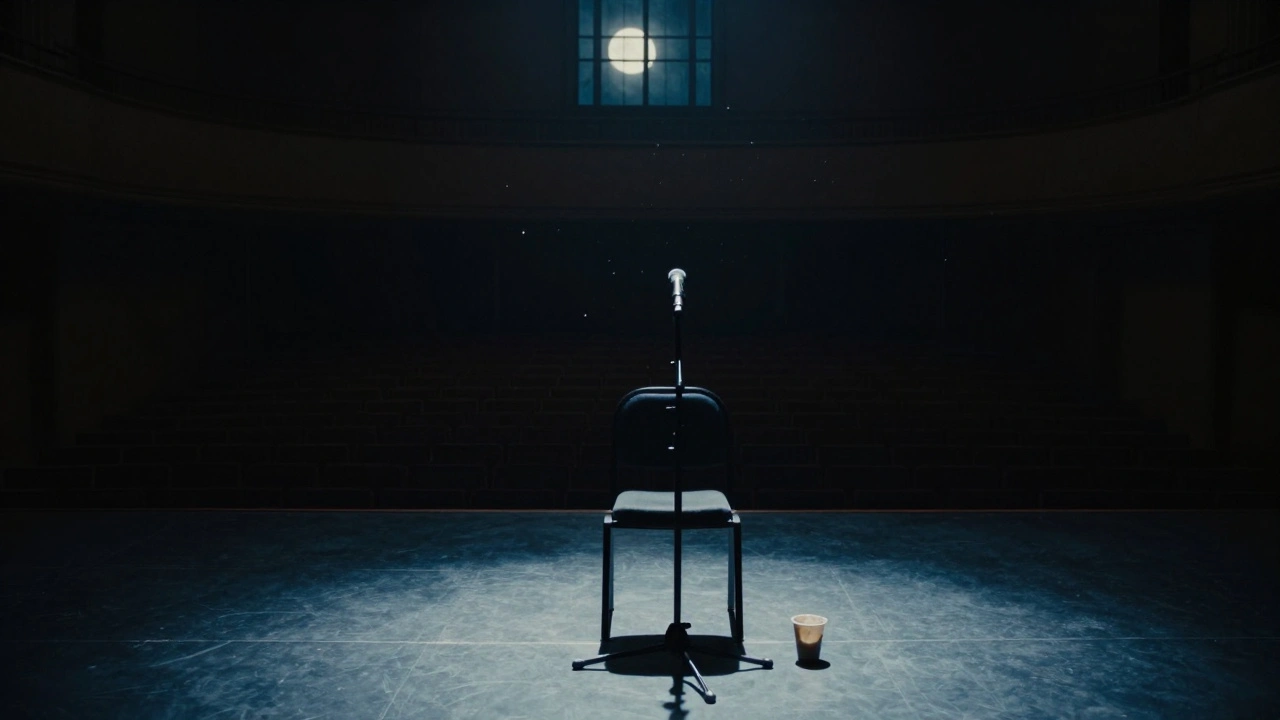
Her latest tour has no opening acts. Just her, a microphone, and a single chair. No lights. No visuals. Just the sound of her voice, the creak of the chair, and the silence between notes. People cry. They don’t leave. They stay. Because for the first time, they’re not being asked to move on.
What You Can Learn from Alli Starr
You don’t need to study mortuary science to understand what she’s doing. But you do need to be willing to sit with the uncomfortable. To listen to the quiet. To notice what’s missing.
If you’re a musician: Try writing a song without a resolution. Let one chord hang. See how long you can hold it before you feel the urge to fix it.
If you’re a listener: Next time a song ends and there’s silence, don’t skip to the next track. Stay there. For 10 seconds. Maybe longer. See what rises up.
Legacy isn’t about being loud. It’s about being remembered in the quiet.
Is Alli Starr a funeral director?
No, Alli Starr is not a practicing funeral director. She completed a two-year mortuary science program and worked part-time in a funeral home, but she left the field to focus on music. Her training informs her art, but she doesn’t perform embalming or funeral services. She calls herself a "musician who learned grief from the inside out."
Does mortuary science teach anything about music?
Not directly. But mortuary science teaches attention to detail, ritual, and the emotional weight of physical absence-all things that deeply influence artistic expression. Alli Starr uses her training to understand how people process loss, and she translates that into musical structure, silence, and texture.
Where can I listen to Alli Starr’s music?
Alli Starr’s music is available on Bandcamp, Spotify, and Apple Music. Her albums Still Life in E Minor and Three Days are her most widely listened to. She doesn’t have a YouTube channel or social media presence, but live performances are occasionally recorded and shared by attendees.
Why does her music feel so heavy?
It’s not heavy because it’s sad. It’s heavy because it’s real. She avoids clichés of grief-no crying violins, no dramatic crescendos. Instead, she uses stillness, unresolved harmonies, and long silences to mirror the way people actually experience loss: slowly, quietly, and without clear endings.
Did mortuary science change how she writes lyrics?
Yes. She stopped writing about death as an event and started writing about what remains. Her lyrics focus on ordinary objects-a key on a hook, a shoe by the door, a half-read book. These details aren’t poetic. They’re forensic. She’s trained to notice what’s left behind, and she lets those things speak.