Most people think if you’re not signed to a major label, you can’t win real awards. That’s not true. Alli Starr didn’t wait for a label to notice her. She built her own path - and ended up with three Grammy nominations in 2025, a BBC Radio 1 Sound of the Year nod, and a spot on the Time 100 Next list. No label. No manager. No budget. Just a laptop, a home studio, and a plan.
Start with the music - not the marketing
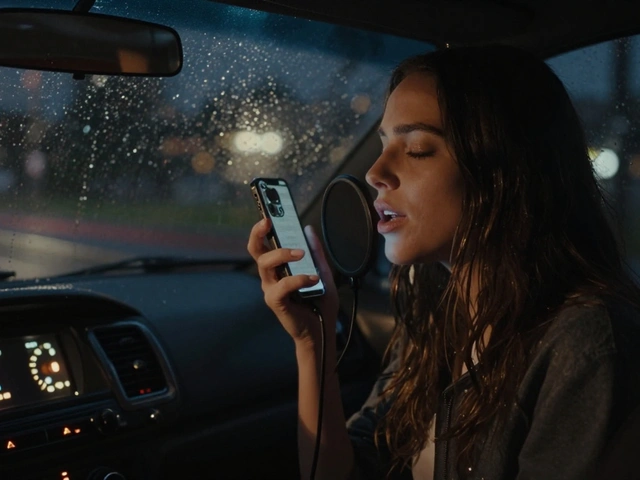
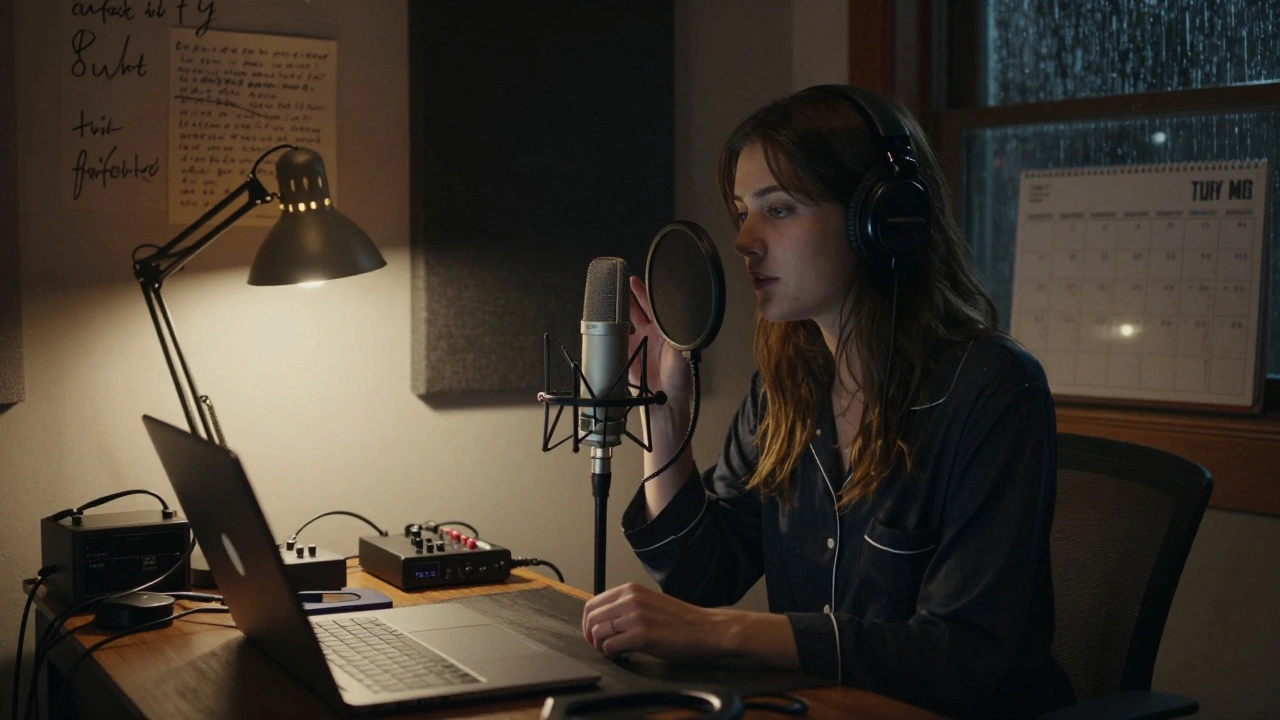
Alli Starr’s first rule? Don’t chase trends. She spent 18 months recording her album Static Hearts in her Portland basement. No producer. No studio time. Just her, a Shure SM7B mic, and a $300 audio interface. She didn’t release singles to radio stations. She didn’t pitch to blogs. She released one full album on Bandcamp with no fanfare. Then she waited.
That album had 11 tracks. Each one was a different mood, a different sound. Some were lo-fi folk. Others were glitchy synth-pop. One track used recordings of rain on her apartment window. Another layered her voice 17 times. It wasn’t polished. It was honest. And that’s what caught attention.
Within six months, three songs from Static Hearts ended up on Spotify’s editorial playlists. Not because she paid for promotion. Because listeners shared them. The algorithm didn’t push them - people did.
Let fans become your first team
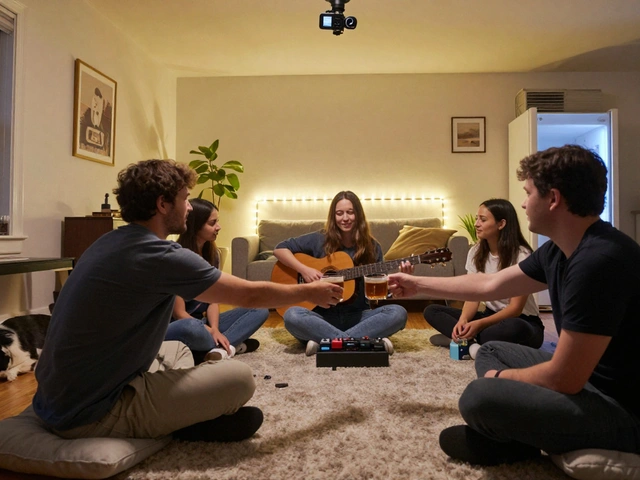
Alli didn’t have a PR team. So she turned her fans into one. She started a private Discord server with 200 early listeners. She didn’t ask them to buy merch. She asked them to send her voice memos: "What song made you cry?" "Which track felt like your life?"
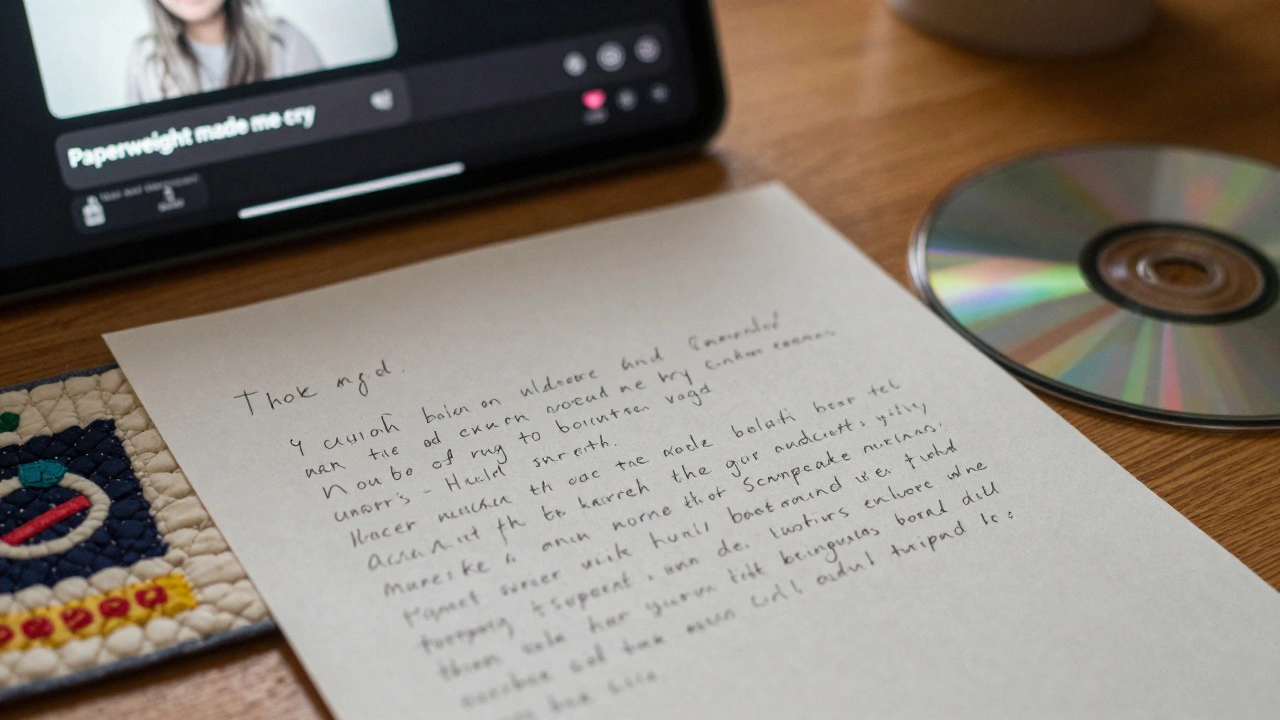
One fan sent a 12-minute voice note about how the song "Paperweight" helped her through a breakup. Alli posted it on Instagram. No caption. Just the audio. It got 87,000 plays. That’s when she realized: her fans weren’t just listeners. They were storytellers.
She started a simple ritual: every Friday, she sent out a handwritten letter to 10 fans - no email, no automation. Just ink on paper. Inside, she’d include a demo, a lyric snippet, or a photo from her studio. Some fans mailed her back with poems. Others sent home-recorded covers. One sent a hand-stitched quilt made from old concert flyers.
That community became her network. When the Grammy submissions opened, 12 fans submitted her album independently. They filled out the forms. They wrote the letters. They called their friends at NPR and Pitchfork. Alli didn’t ask them to. They did it because they believed in her music.
Use small wins to build big momentum
Alli didn’t start with a Grammy nod. She started with a tiny local award: the Portland Independent Music Prize. It came with $500 and a slot at a small festival. She used the cash to buy a secondhand MIDI controller. She used the stage time to record a live version of "Static Hearts" - no overdubs, no edits. She uploaded it to YouTube with the title: "This is what 10 people in a basement sound like."
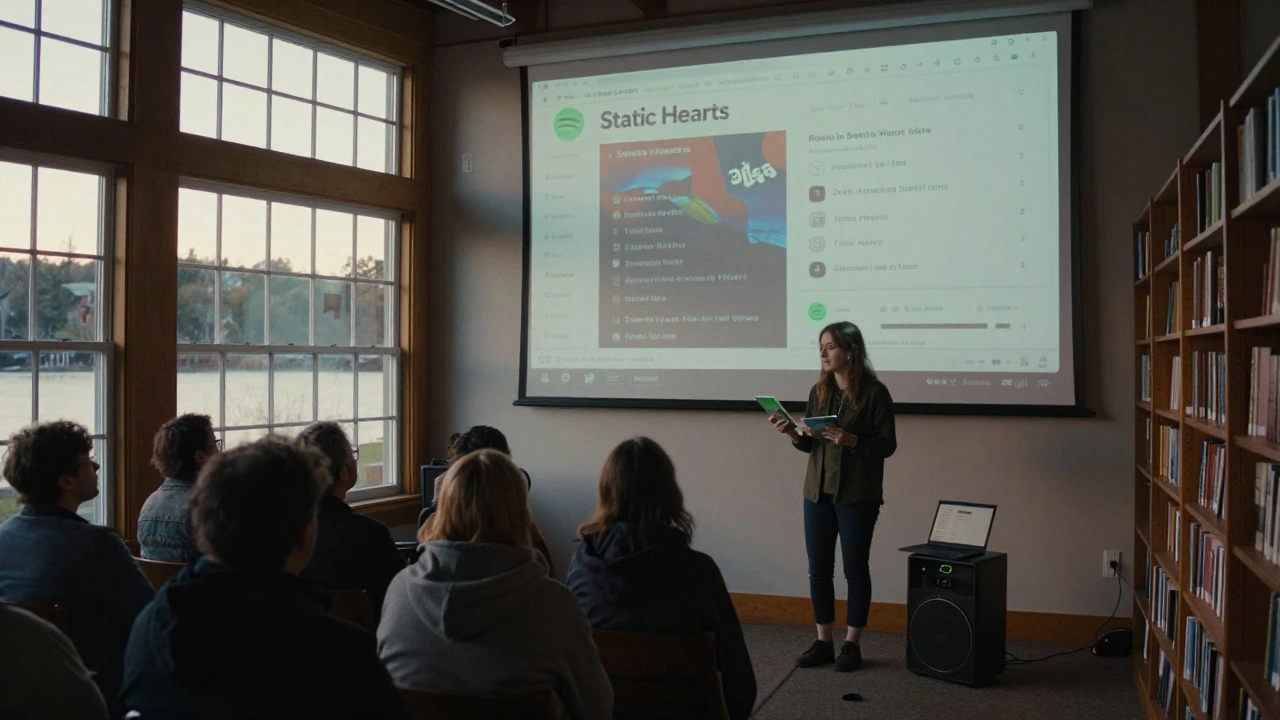
The video got 1.2 million views in 90 days. A music supervisor from Stranger Things saw it. They licensed "Paperweight" for season 5. That one sync deal brought in $200,000. She used it to fund a 12-city tour - not in clubs, but in libraries, community centers, and even a public library in rural Maine.
That tour became her reputation. People didn’t just hear her music. They saw her set up her own gear. They watched her hand out CDs after the show. They heard her say, "I didn’t get signed. I got heard."
Submit everywhere - even if you think you’re not ready
Here’s the thing about awards: most artists don’t apply. They wait to be invited. Alli applied to 17 award programs in her first year. The Grammys. The Mercury Prize. The Americana Honors. Even the Canadian Folk Music Awards. She didn’t think she’d win. She just wanted to be seen.
She filled out every form herself. No ghostwriter. No agent. She wrote her own artist bio: "I record alone. I tour alone. I don’t have a team. But I have 43,000 people who know every word of my songs."
She submitted her album as a full project - not singles. She included every track. She didn’t hide the raw recordings. She didn’t fix the background noise. She included the sound of her dog barking during take 3 of "Cinder". The Grammy committee later said that rawness was what made her submission stand out.
Don’t chase the big names - chase the right listeners
Alli didn’t try to get on Apple Music’s "New Artist of the Week." She didn’t pitch to Billboard. Instead, she focused on niche platforms. She got on WNYC’s Soundcheck. She was featured on Radio Garden’s global playlist. She did a live session for Substack’s Music Letters - a newsletter with 12,000 subscribers who only read about music made outside the system.
Those weren’t big audiences. But they were deep ones. Each listener knew her story. Each one could explain why her music mattered. That’s what award committees look for: not popularity, but resonance.
When the Grammy nominations dropped in November 2025, Alli’s name was on three lists: Best Alternative Music Album, Best Engineered Album (non-classical), and Best Recording Package. She didn’t have a publicist. She didn’t have a fancy press kit. She had a stack of handwritten letters from fans and a single photo of her recording in pajamas.
What you can steal from Alli’s playbook
- Record first. Promote later. Build your art before you build your brand.
- Turn listeners into co-creators. Ask them to tell stories. Let them submit your work.
- Use small wins as fuel. A $500 prize can fund your next big move.
- Apply to everything. You never know who’s reading.
- Be authentic, not polished. Rawness beats perfection every time.
There’s no secret formula. No magic trick. Just consistency. Alli released one song every three months for two years. No hype. No countdowns. No teasers. Just music. And when the time came, the world noticed - not because she begged for attention, but because she gave something real.
What’s next for independent artists in 2026?
The music industry is shifting. Labels are slower. Algorithms are smarter. Fans are more loyal. In 2026, the artists who win awards won’t be the ones with the biggest budgets. They’ll be the ones with the deepest connections.
AI tools can help you mix. Social media can help you share. But none of it matters if your music doesn’t feel human. Alli Starr’s success proves that the most powerful tool isn’t a studio. It’s trust.
If you’re an independent artist right now - stop waiting. Start recording. Start sharing. Start asking your listeners: "What do you need to hear?" Then make it.
Can an independent artist really win a Grammy without a label?
Yes. Alli Starr was nominated for three Grammys in 2025 without a label, manager, or publicist. The Recording Academy accepts submissions from anyone who meets eligibility rules - including self-released artists. What matters is the quality of the recording, the completeness of the submission, and whether it stands out creatively. In 2024, 17% of Grammy-nominated albums were self-released. That number is rising.
How do I submit my music to the Grammys as an independent artist?
You can submit directly through the Recording Academy’s online portal. You need a physical or digital copy of your album, a completed entry form, and a $100 submission fee (waived for members). You don’t need a label. You don’t need a distributor. You do need to have released your music between October 1, 2024, and September 30, 2025. Many indie artists team up with other musicians or fans to help fill out forms and submit entries.
Do I need a PR team to get noticed by award committees?
No. Award committees like the Grammys, Mercury Prize, and Americana Honors evaluate submissions based on the music itself - not how much hype it got. Alli Starr’s Grammy submission had zero PR. Her album was submitted by fans. The judges listened to the tracks. They read the liner notes. They saw the raw recordings. What impressed them was the emotional depth, not the marketing budget.
What’s the best way to build a fanbase as an indie artist?
Focus on depth, not size. Alli Starr had 43,000 followers - but only 200 were deeply engaged. She built trust by being consistent, vulnerable, and personal. Send handwritten notes. Host live Q&As. Share your process. Let fans feel like they’re part of the journey. The most loyal fans will become your advocates - submitting your work, writing reviews, and even helping you apply for awards.
Should I wait until my music is perfect before releasing it?
No. Alli Starr’s album had background noise, imperfect vocals, and accidental sounds. She didn’t fix them. She kept them. Listeners connected with that honesty. Perfection is boring. Authenticity is magnetic. Release your music when it feels true - not when it sounds flawless. You’ll find your audience faster.