When Alli Starr dropped her debut album Static Hearts in late 2024, she didn’t just release music-she built a movement. No label backing. No PR team. Just a laptop, a small crew, and a plan that turned 12 tracks into 47 shows across 11 countries in under eight months. Her roadmap wasn’t handed to her. She wrote it. And it’s the exact blueprint any independent artist can follow-whether you’re recording in your bedroom or mixing in a rented studio.
Start with the release, not the tour
Most new artists think touring comes first. They book shows before the album even exists, hoping to build buzz. Alli did the opposite. She released Static Hearts with zero singles. No teasers. No countdowns. Just a quiet drop on Bandcamp and Spotify on a Wednesday night. Why? Because she knew fans don’t follow tours-they follow songs.
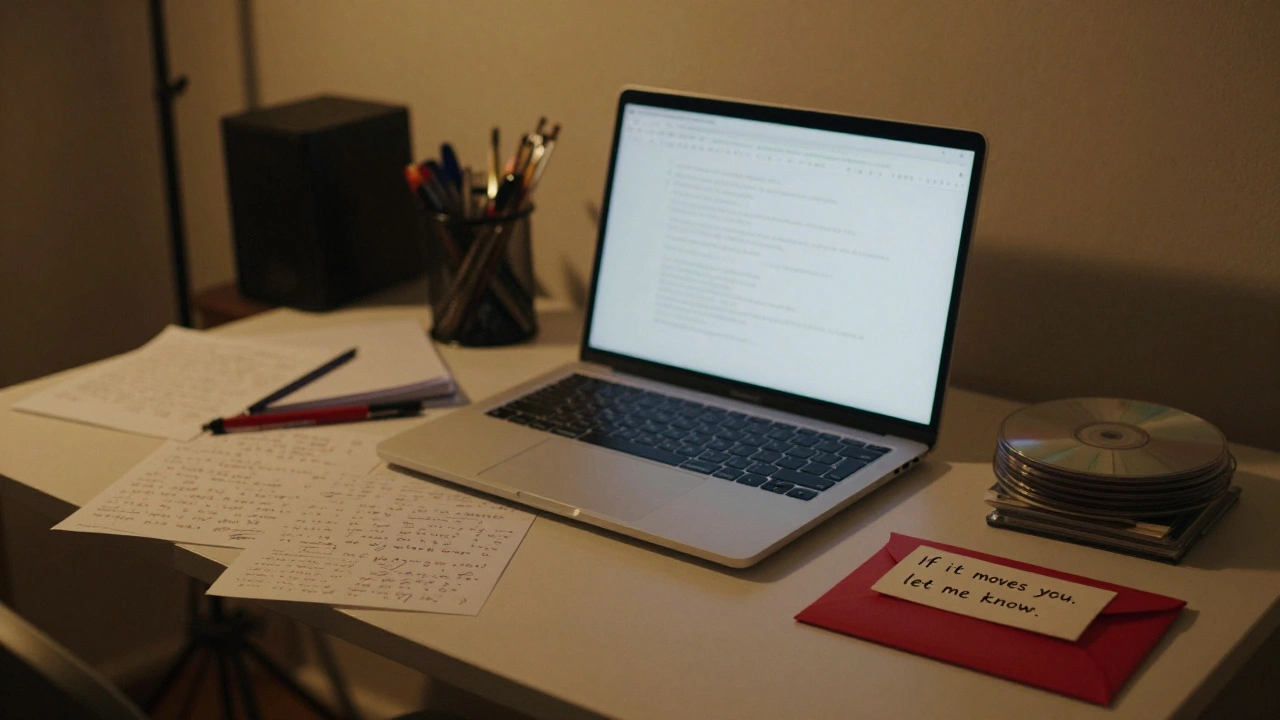
She spent three weeks before launch sending physical demo CDs to 500 music bloggers, playlist curators, and small radio stations. Not emails. Actual CDs. Handwritten notes. One line: "This is what I’ve been working on. If it moves you, let me know." She got 117 replies. Twelve of them played her album on air. That’s how Static Hearts hit the Spotify "Fresh Finds" playlist. Not by paying for promotion. By making something people wanted to share.
Build your tour around existing momentum
Once the album had traction, she mapped her tour. Not by chasing big cities. But by finding places where her music was already being played. She looked at Spotify data: which towns had the highest streams per capita? Which indie venues had played similar artists? She didn’t book 30-date national tours. She picked 17 cities where she had at least 500 monthly listeners. That’s it.
In Portland, she played a record store that had sold 87 copies of her CD in two weeks. In Austin, she reached out to a DIY collective that hosted monthly listening parties. She didn’t ask to play. She asked to join. "Can I bring my gear and play a set after your open mic?" That’s how she got into 9 out of 12 venues without paying a dime in advance.
Turn every show into a release event
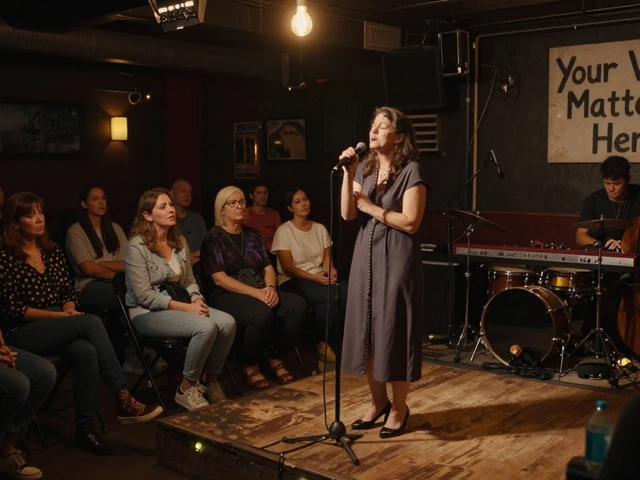
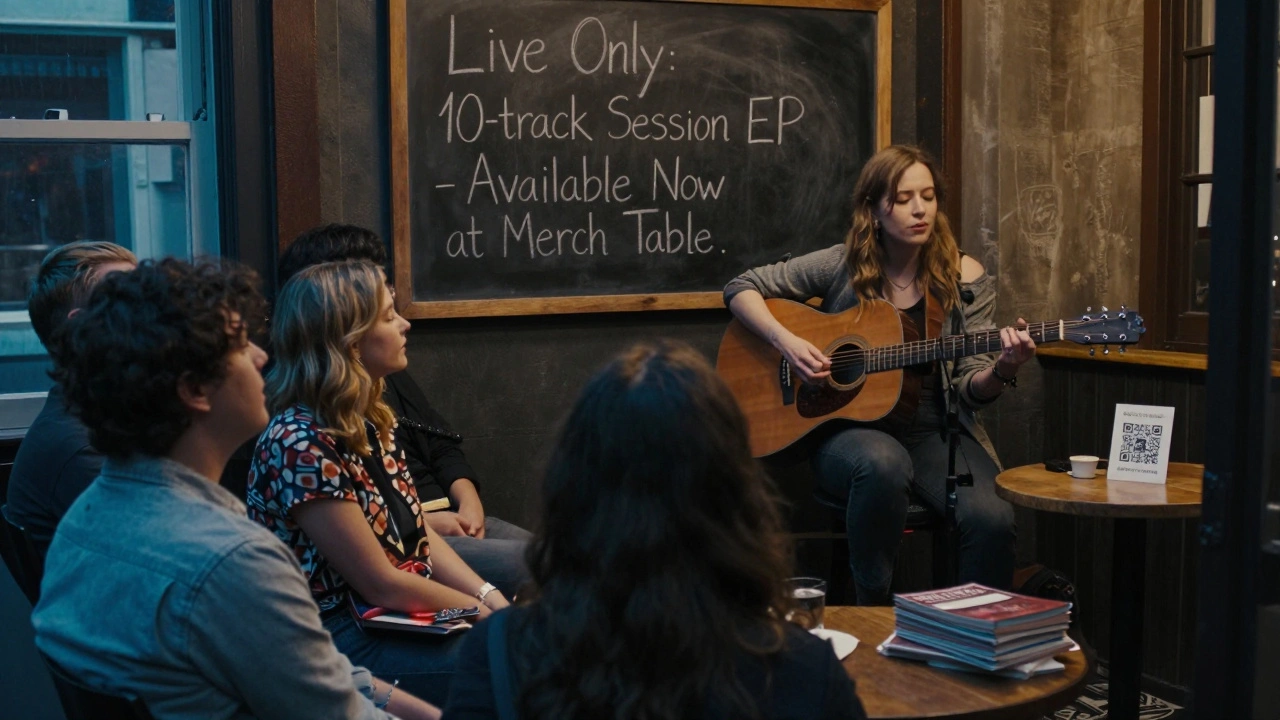
Alli didn’t treat tour dates like concerts. She treated them like album launch parties. Each stop had a unique bonus: a limited-edition zine with lyrics and handwritten notes, a QR code that unlocked a hidden track, or a live-only remix of a song. In Nashville, she sold a 10-track "Live Session" EP only at the merch table. It sold out in 90 minutes. That EP later became a standalone release-no announcement, no promo. Just a surprise drop three weeks later.
She didn’t need to sell tickets. She needed to create moments people would remember. One fan in Cleveland posted a video of Alli singing "Broken Clocks" a cappella after the show. It hit 2.3 million views. That video drove 14,000 new Spotify listeners in 48 hours. No ad spend. Just authenticity.
Use every platform for one thing: connection
Alli’s social media isn’t polished. It’s messy. She posts clips of her tuning her guitar in the van. She live-streams soundchecks. She answers DMs with voice notes. She doesn’t post every day. She posts when something matters.
After a show in Seattle, she posted a 37-second video of her crying in the green room because a fan told her the album helped him come out to his parents. That’s it. No caption. No filter. Just the video. The next day, her email list grew by 2,100 subscribers. People don’t follow artists because they look perfect. They follow them because they feel real.
Track what actually moves the needle
She doesn’t care about follower counts. She tracks three things:
- How many people bought a physical copy (CD, vinyl, cassette)
- How many people stayed after the show to talk (not just take a photo)
- How many new listeners came from a specific city’s local playlist
She uses free tools: Bandcamp analytics, Spotify for Artists, and a simple spreadsheet. No fancy dashboards. No AI predictions. Just raw data. If a city had 20 people stay after the show and 12 bought vinyl, she went back there six months later. If a city had 500 streams but zero merch sales? She skipped it.
Don’t wait for permission
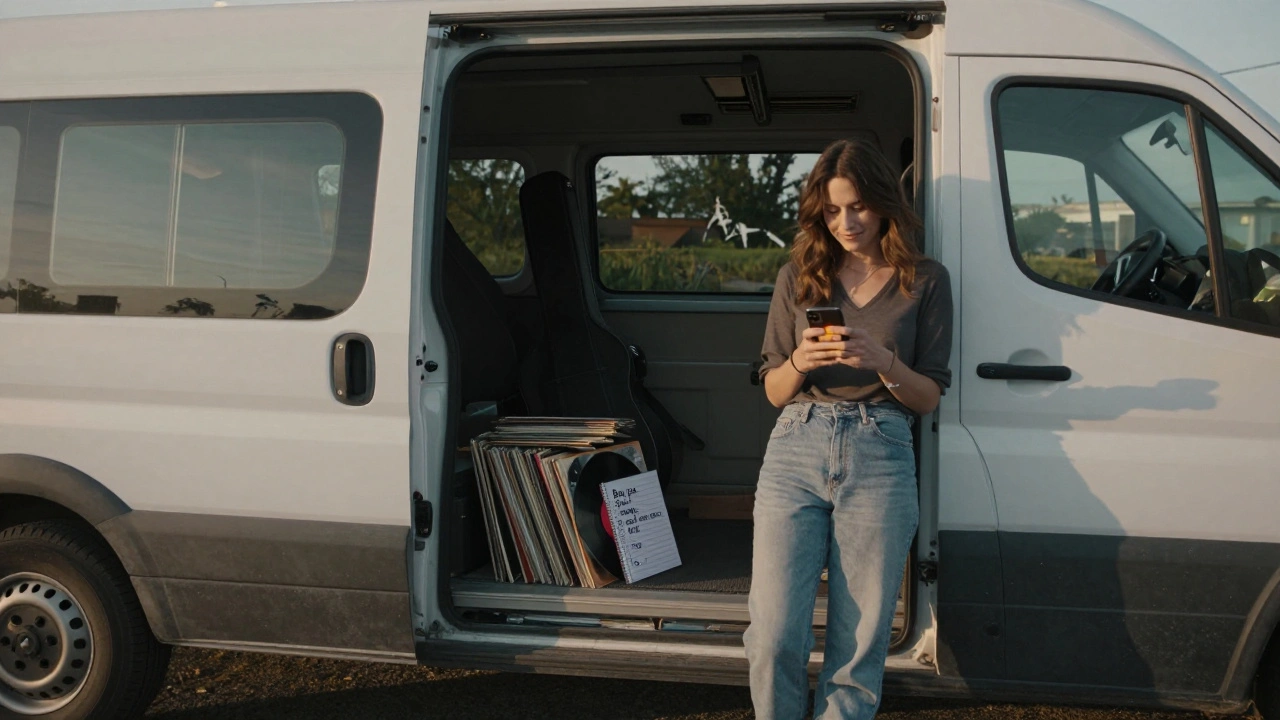
Alli didn’t wait for a label to say "you’re ready." She didn’t wait for a booking agent. She didn’t wait for a viral hit. She started with a $400 loan from her sister and a borrowed van. She slept in the van for 32 nights. She washed her clothes in hotel sinks. She ate ramen for three weeks straight. And she kept going because she knew: the music was good enough. The plan was simple enough. She just needed to show up.
There’s no magic formula. No secret tool. No influencer collab that changed her life. Just consistency. And a willingness to do the quiet, unglamorous work: sending CDs, showing up early, talking to strangers, listening to feedback, and never pretending she had it all figured out.
What to do next
If you’re an artist ready to release something, here’s your starter plan:
- Finish your album. Don’t rush it. If it’s not ready, wait.
- Send 50 physical copies to people who genuinely care about music-not just influencers. Include a note.
- Find 5 cities where you have at least 300 monthly Spotify listeners.
- Reach out to one small venue in each city. Ask to play a 20-minute set after their open mic.
- At every show, offer one exclusive item: a lyric sheet, a demo track, a sticker. Make it personal.
- After the tour, release a live EP. No announcement. Just drop it.
You don’t need a budget. You need a plan. And the courage to start before you feel ready.
Do I need to have a big following to release an album and tour?
No. Alli Starr had under 8,000 Spotify followers when she released her album. What mattered was that those followers were deeply engaged. She focused on turning listeners into loyal fans-not numbers. A small but passionate audience is more valuable than a large, passive one.
How do I find venues to play without a booking agent?
Look for open mics, record stores, cafes, and DIY collectives. Reach out directly with a short message: "I’m releasing an album and would love to play a short set at your venue." Offer to bring your own sound equipment. Most small venues are happy to host local artists-especially if you’re easy to work with and bring your own audience.
Should I release singles before the full album?
Not necessarily. Alli released her album without any singles-and it worked because the whole project felt like a complete story. If your music is meant to be listened to as a whole, don’t break it up. Let people experience it the way you intended. Singles can wait for the second album.
How do I afford to tour on a tight budget?
Start small. Tour within a 300-mile radius. Sleep in your car or with fans. Use free platforms like Couchsurfing or Facebook groups for musicians. Sell merch at shows to cover gas and food. Every dollar you save on logistics is a dollar you can spend on better recording or pressing vinyl.
Is it worth making physical merch like CDs and vinyl?
Yes-if you make them meaningful. Alli’s CDs came with handwritten lyrics and a QR code to a private video message. Vinyl had a custom insert with tour photos. People don’t buy merch because it’s cool. They buy it because it feels personal. Even 100 copies can fund your next tour if they’re done right.