Singing Whitney Houston is not just about hitting high notes. It is an act of deep emotional vulnerability. When Alli Starr steps onto the stage to perform as a Whitney Houston tribute artist, she is not merely imitating a voice. She is channeling a legacy that belongs to millions of fans worldwide. The pressure is immense. One wrong note or a lack of genuine emotion can break the spell for an audience that expects perfection. This article explores the mental and emotional strategies Starr uses to manage this weight.
The Weight of Expectation
Imagine standing in front of five hundred people who have spent their lives loving one specific voice. That is the reality for any tribute artist performing at venues like the Whitney Houston Tribute Show circuits across the United States. The audience does not come to see a cover band; they come to feel a connection to the past. For Starr, this creates a unique psychological burden. She must balance her own artistic identity with the expectation of being a vessel for someone else’s soul.
This dynamic requires a shift in mindset. Starr has spoken in interviews about the "emotional stakes" involved. It is not enough to sound like Whitney; she must feel like Whitney. This means digging into personal memories and projecting them through the lens of Houston’s songs. Songs like "I Will Always Love You" are not just pop hits; they are anthems of loss and devotion. To sing them authentically, Starr must access those same raw emotions night after night.
Building the On-Stage Mindset
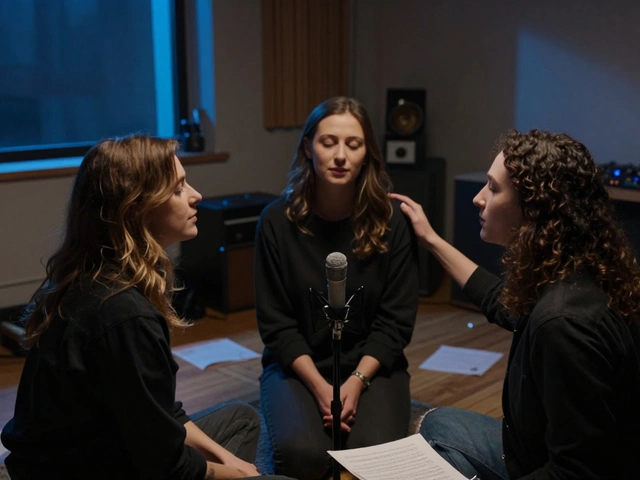
How does a performer maintain this level of intensity without burning out? Starr relies on a structured pre-show routine that blends physical preparation with mental visualization. Before stepping on stage, she spends twenty minutes in silence, focusing on breath control and grounding techniques. This practice helps her transition from "Alli the person" to "Alli the performer."
- Visualization: She visualizes the concert hall filled with light, imagining the energy of the crowd before she even sees them.
- Vocal Warm-ups: Specific exercises designed to mimic Houston’s signature melisma and belt technique.
- Emotional Anchoring: Connecting each song to a specific personal memory to ensure authenticity.
The Physical Toll of Emotional Performance
There is a direct link between emotional expression and physical strain. Singing with genuine feeling requires total body engagement. The diaphragm expands, the chest opens, and the facial muscles tense. For a vocalist like Starr, who aims for technical precision alongside emotional depth, this can lead to fatigue. Vocal health becomes a critical component of her mindset.
| Aspect | Challenge | Management Strategy |
|---|---|---|
| Vocal Strain | Mimicking powerful belts | Hydration, rest, and controlled breathing |
| Emotional Exhaustion | Replaying grief/joy nightly | Post-show decompression rituals |
| Audience Pressure | Fear of disappointing fans | Focusing on connection, not perfection |

Connecting with the Audience
The ultimate goal of Starr’s performance is to create a shared experience. When she sings "Greatest Love of All," she wants the audience to see themselves in the lyrics. This requires reading the room. Is the crowd energetic? Are they reflective? Adjusting her delivery based on these cues is part of her on-stage intelligence. She often pauses before big choruses, allowing the silence to build anticipation. These moments of stillness are where the real connection happens. It shows respect for the song and for the listeners. Starr believes that honesty trumps technical perfection every time. If her voice cracks slightly because she is truly moved, the audience will forgive it-and likely appreciate it more than a flawless but cold rendition.
Navigating Criticism and Comparison
No tribute artist escapes comparison. Critics and fans alike will judge how closely Starr resembles Houston. Some praise her uncanny resemblance; others argue that no one can truly replace the original. Starr acknowledges this tension but refuses to let it define her career. She focuses on what she brings to the table: her own interpretation and emotional truth. This resilience is key to her longevity. Instead of trying to be a clone, she aims to be a storyteller who honors Houston’s work while adding her own perspective. This approach allows her to grow as an artist rather than remaining stuck in imitation. It also protects her mental health by setting realistic boundaries around her role.

The Role of Music Therapy in Performance
Interestingly, many performers find that singing therapeutic songs helps them process their own emotions. For Starr, performing Whitney’s catalog serves as a form of catharsis. Songs about heartbreak, empowerment, and faith resonate deeply with her personal journey. This dual function-entertaining others while healing herself-adds another layer to her mindset. She collaborates with vocal coaches who understand the psychological aspects of performance. They help her identify triggers that might cause emotional overload during shows. By preparing for these moments, she ensures that she remains present and engaged without becoming overwhelmed. This professional support system is vital for sustaining a career in such an emotionally demanding field.
Conclusion: The Heart Behind the Voice
Alli Starr’s approach to singing Whitney Houston demonstrates that great performance is rooted in emotional integrity. It is not just about talent; it is about courage. The willingness to be vulnerable, to connect deeply with both the material and the audience, sets her apart. As audiences continue to seek authentic experiences, performers like Starr remind us why we love music in the first place. It is the human connection behind the notes that makes all the difference.
What makes Alli Starr's Whitney Houston tribute unique?
Alli Starr stands out due to her focus on emotional authenticity rather than mere imitation. She combines technical vocal skills with deep personal connection to the songs, creating a performance that feels genuine and moving to audiences.
How does Alli Starr handle the pressure of performing for Whitney fans?
She manages pressure through a strict pre-show routine involving visualization, breath control, and emotional anchoring. This helps her stay grounded and focused on connecting with the audience rather than worrying about judgment.
Is it difficult to sing Whitney Houston's songs emotionally every night?
Yes, it can be emotionally exhausting. To cope, Starr uses post-show decompression rituals and works with vocal coaches to ensure she doesn't burn out. She views the performance as a form of catharsis, which helps sustain her passion.
Does Alli Starr try to copy Whitney Houston's exact style?
While she respects and mimics Houston's techniques, Starr aims to add her own interpretation. She believes in honoring the original while bringing her own emotional truth to the performance, avoiding simple cloning.
What role does vocal health play in her performance mindset?
Vocal health is central to her mindset. She understands that emotional intensity can strain the voice, so she prioritizes hydration, rest, and proper technique to ensure she can deliver powerful performances safely over the long term.