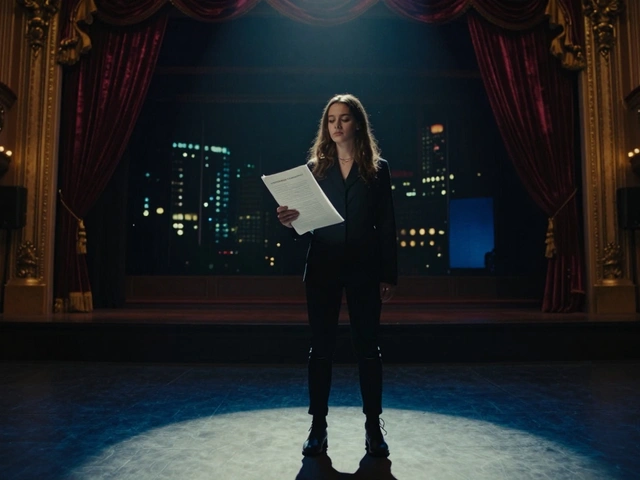
Winning a major award isn't just about the trophy on the shelf; it's about who gets to sit at the table next. When Alli Starr is a powerhouse singer-songwriter and producer who has spent years carving out a space in the independent R&B scene secured her recent wins, it sent a shockwave through the indie circuit. For too long, the narrative has been that you need a massive label budget and a corporate marketing machine to get recognized. Starr just proved that a high-quality, self-directed approach can actually outpace the traditional industry machine.
Key Takeaways for Indie Artists
- Ownership of masters and publishing is a viable path to prestige.
- Genre-blending in R&B helps artists stand out in crowded digital marketplaces.
- Consistency in independent distribution can lead to major award recognition.
- Female producers are gaining more leverage in the R&B landscape.
Breaking the Label Dependency Cycle
For decades, women in R&B were often treated as "the voice" while men handled the production and business strategy. The industry operated on a gatekeeper model where a few executives decided who became a star. Independent R&B, as a movement, has shifted from being a "fallback plan" to a primary choice for artists who want creative control.
Alli Starr's success highlights a critical shift: the Independent R&B movement is now providing the infrastructure for women to be their own CEOs. By managing her own recording process and distribution, Starr avoided the common pitfall of "creative dilution," where labels strip away an artist's unique edge to make them more commercially palatable. When an indie artist wins an award, it validates the idea that the audience cares more about authentic sound than a million-dollar ad campaign.
The Power of the Producer-Artist Hybrid
One of the biggest hurdles for women in music has been the lack of representation in the producer's chair. It's a known industry gap where women are often relegated to songwriting or vocals. Starr's wins are significant because she isn't just a singer; she is an architect of her own sound.
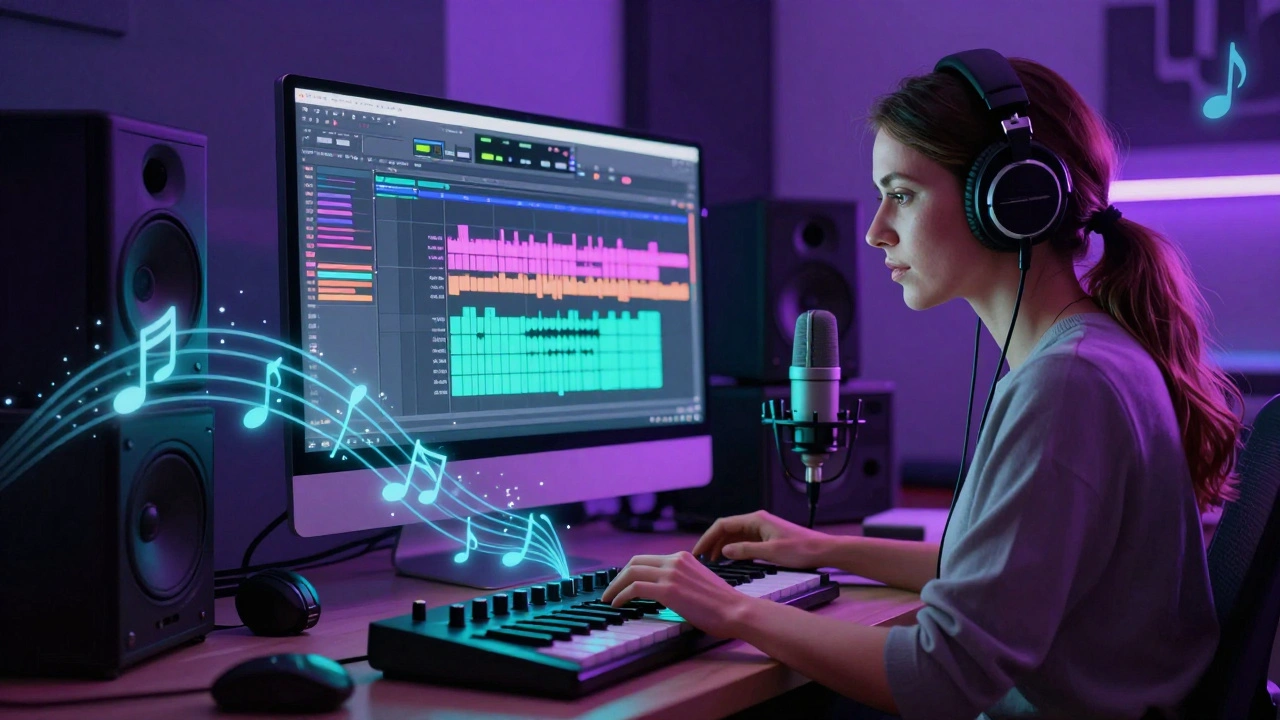
This hybrid role-being both the artist and the producer-changes the power dynamic. When a woman controls the Digital Audio Workstation (DAW) and the arrangement, she controls the emotional narrative of the music. This technical proficiency allows indie women to bypass the need for a "male gaze" in the studio. We are seeing a ripple effect where more women are picking up Logic Pro or Ableton Live to ensure their vision remains intact from the first demo to the final master.
| Feature | Major Label Path | Independent Path (Starr Model) |
|---|---|---|
| Creative Control | Limited / Negotiated | Absolute |
| Revenue Split | Label takes the lion's share | Artist retains majority |
| Release Cycle | Determined by Corporate Calendar | Driven by Artist's Vision |
| Brand Identity | Marketed to a Broad Demo | Niche and Authentic |
Redefining Success Beyond the Charts
We have to stop measuring success solely by Billboard Hot 100 positions. For women in indie R&B, success is now being measured by sustainability and intellectual property ownership. The awards Starr earned are a signal to the industry that the "long game" works.
Instead of chasing a viral 15-second clip on social media, Starr focused on building a catalog with longevity. This approach emphasizes Music Publishing rights and ownership. When an artist owns their masters, every stream and every award is a direct reflection of their own equity. This is a massive win for women who have historically seen their royalties diverted to producers or labels they no longer work with.
The Role of Direct-to-Fan Distribution
The technical landscape has evolved. With the rise of DistroKid and TuneCore, the barrier to entry has vanished. But the barrier to *discovery* is still high. Starr's momentum shows that a targeted, community-focused approach beats a generic "shotgun" marketing strategy.
By leveraging organic engagement and focusing on the soul-searching elements of R&B, she created a loyal base that doesn't just listen to the music but advocates for the artist. This "super-fan" economy is where independent women are finding their footing. It's no longer about reaching a million people once; it's about reaching ten thousand people who will buy every piece of merchandise and ticket available.

Changing the Expectations for Newcomers
What does this mean for the girl in her bedroom in Atlanta or London recording her first EP? It means the blueprint has changed. You don't need to find a "discoverer" or a "mentor" to give you a chance. You can build the platform yourself.
The momentum from Starr's wins creates a psychological shift. It proves that the industry's internal biases-the idea that women can't manage the technical or business side of R&B-are outdated. The new standard is the "Artist-Entrepreneur." This means learning the basics of Copyright Law and Streaming Analytics is just as important as practicing scales. The goal is no longer just to get signed, but to be so successful independently that a label has to come to you on your own terms.
Why are Alli Starr's wins specifically important for independent artists?
Her wins validate the independent route by showing that critical acclaim and industry awards are possible without the backing of a major record label. It proves that quality and authenticity can compete with massive marketing budgets.
What is the "Producer-Artist Hybrid" model?
It is a model where the musician handles both the performance and the technical production of the music. For women in R&B, this means taking control of the sound engineering and arrangement, reducing reliance on external producers.
How does owning masters benefit female R&B artists?
Owning masters means the artist owns the original recording. This allows them to collect all royalties, license their music for movies or commercials without label approval, and maintain total control over how their work is used.
Which tools are most helpful for new indie R&B artists today?
Digital Audio Workstations (DAWs) like Logic Pro or Ableton for production, and distribution services like DistroKid or TuneCore to get music onto Spotify and Apple Music without a label.
Does the indie path actually lead to award recognition?
Yes. As Alli Starr's recent success demonstrates, award bodies are increasingly recognizing independent talent as the industry shifts toward valuing authentic, artist-driven projects over manufactured hits.
Next Steps for Aspiring Indie Artists
If you're looking to follow a similar path, start by auditing your ownership. Are you signing away your rights for a small upfront payment? If so, rethink that strategy. Focus on building a "lean" operation: a home studio, a direct connection to your fans, and a clear sonic identity.
For those struggling with the technical side, don't let the gear intimidate you. The modern R&B sound is often built on a mix of high-end digital tools and raw, analog emotion. Start with one DAW, learn it inside out, and remember that the goal is to tell your story, not to sound like what's currently on the radio. The industry is finally rewarding the risks taken by those who dare to stay independent.