Quick Takeaways
- Focus on a single, clear emotional shift rather than a complex life story.
- Use visual motifs (colors, lighting, costumes) to signal internal change.
- Align the character's peak emotional moment with the song's climax.
- Prioritize "showing" over "telling" through specific, concrete actions.
The Micro-Arc: Change in Miniature
Most people think a character arc requires a three-act structure with a slow burn. In a music film, you can't afford that. Starr treats the arc as a "micro-arc." Instead of a total personality overhaul, she focuses on a shift in perspective. Maybe the character moves from grief to acceptance, or from fear to courage. The goal is a believable emotional pivot.
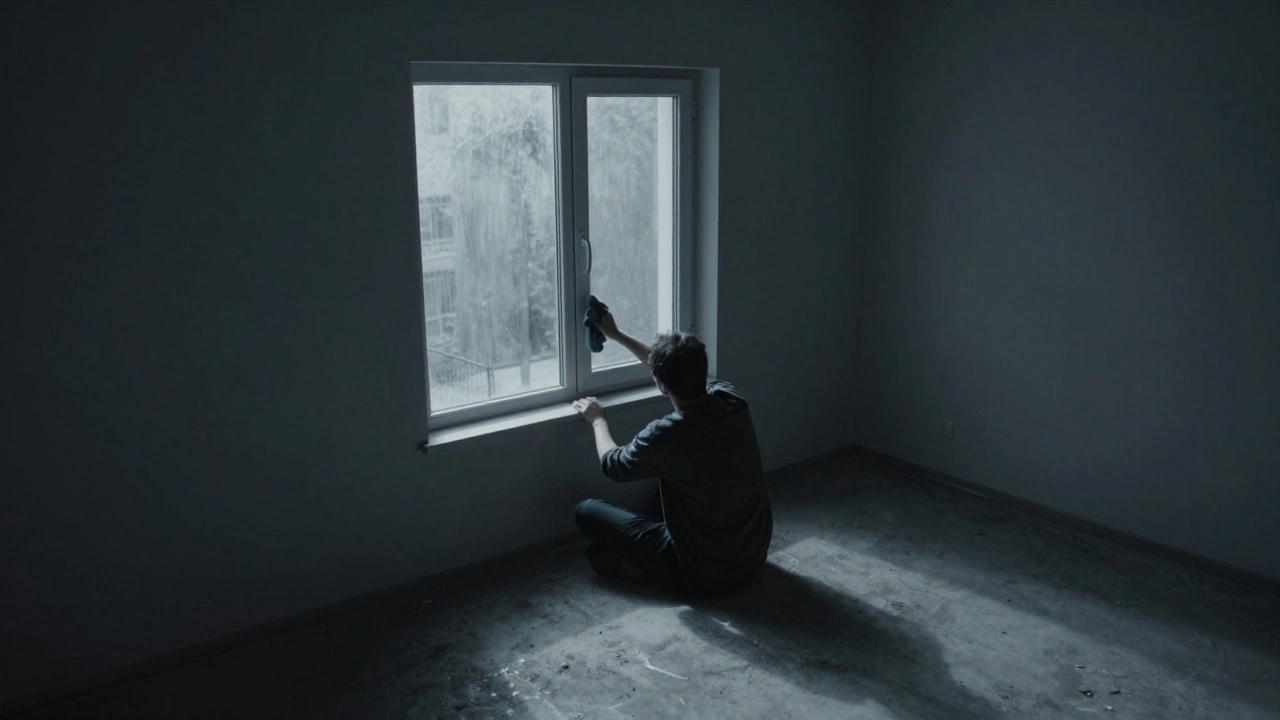
To make this work, the starting point must be immediate. If your character is depressed, don't just have them sit in a dark room. Have them try to clean a window and fail, or stare at a phone that won't ring. These specific actions establish the "baseline." Once the baseline is set, every subsequent action is measured against it. When that same character finally opens the curtain to let the sun in during the bridge of the song, the audience feels the victory because they saw the struggle.
Visual Anchors and Symbolic Shifts
Since you can't rely on heavy dialogue, you need Visual Motifs. These are recurring elements that change as the character evolves. Starr often uses a "color journey." A character might start the film in a desaturated, monochromatic environment-representing their stagnation-and slowly introduce vibrant hues as they find their voice.
Think about the costume. A tight, restrictive suit at the beginning of a film can represent a character's feeling of being trapped by societal expectations. By the final scene, seeing that character in a loose, breathable linen shirt tells the story of liberation without a single word of dialogue. It's a visual shorthand that the brain processes instantly.
| Element | Starting State (The Baseline) | Ending State (The Resolution) | Psychological Meaning |
|---|---|---|---|
| Lighting | Harsh shadows / Low key | Soft, natural light / High key | Confusion to Clarity |
| Camera Angle | High angle (Looking down) | Eye-level or Low angle | Powerlessness to Agency |
| Color Palette | Cool blues and greys | Warm golds and reds | Isolation to Connection |
| Movement | Static, rigid, or frantic | Fluid, purposeful, and calm | Anxiety to Confidence |

Syncing Narrative Beats with Sonic Architecture
In a music film, the Song Structure is your script. The verse, chorus, and bridge aren't just musical terms; they are narrative markers. Starr aligns the character's external actions with the energy of the music. If the song has a slow build-up, the character's realization should mirror that crescendo.
The most critical moment is the "Sonic Climax." This is where the music reaches its peak intensity. In a well-crafted arc, this is where the character makes their definitive choice. If the story is about overcoming a fear of public speaking, the moment the drums hit their hardest should be the moment the character steps onto the stage. If the visual change happens during a quiet verse, the impact is diluted. The music should amplify the emotion, not just play alongside it.
Avoiding the "Generic Emotion" Trap
A common mistake in short films is using generic expressions-someone crying or someone smiling. These are placeholders, not storytelling. Starr advocates for "concrete specificity." Instead of a character looking "sad," show them meticulously organizing a collection of old ticket stubs from a lost relationship. This tells us they are clinging to the past, which is a specific type of sadness.
This approach turns the film into a puzzle for the viewer. When we see the character throw one of those ticket stubs away in the final act, it's a powerful image of letting go. It's much more effective than a close-up of a tear rolling down a cheek because it shows a decision being made. Decisions are the heartbeat of a character arc.
The Role of the Environment as a Mirror
The setting should never be static. It should act as a mirror to the character's internal state. This is often achieved through Production Design. If a character is feeling overwhelmed, the room around them should feel claustrophobic-cluttered desks, low ceilings, overlapping frames. As the character finds peace, the space should literally and figuratively open up.
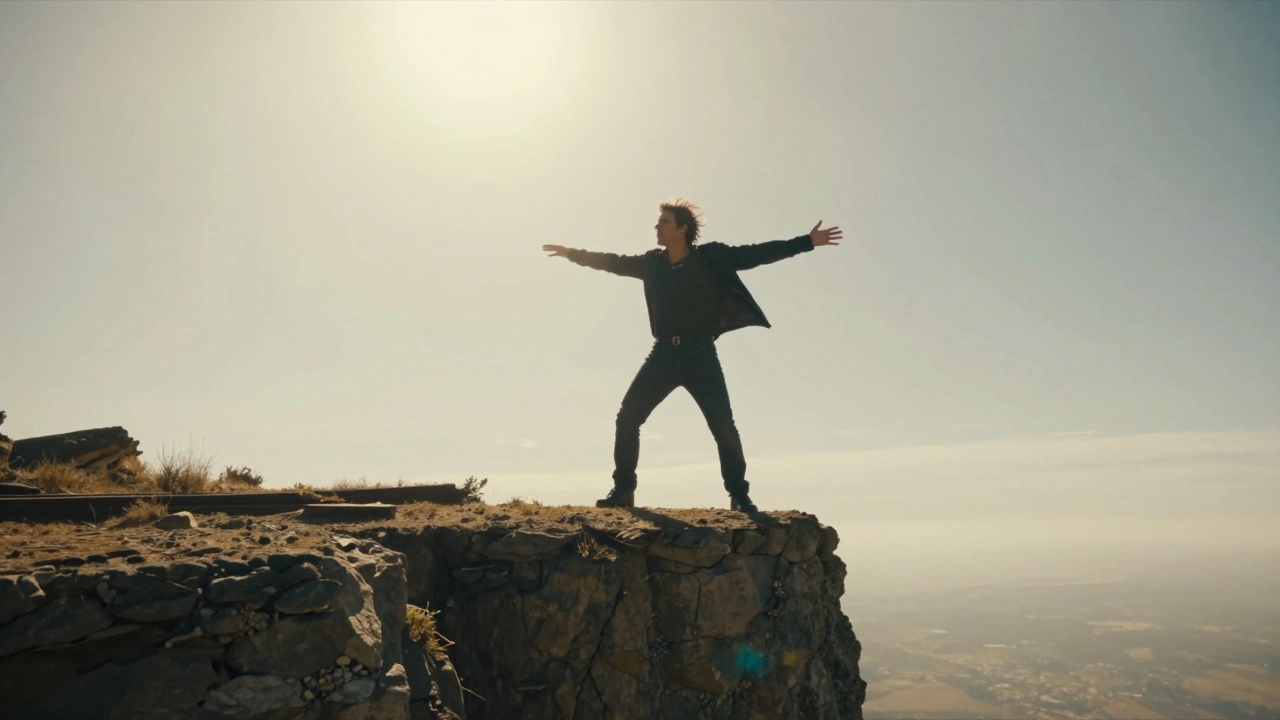
Consider the transition from an indoor space to an outdoor space. Starting a film in a cramped apartment and ending on a wide-open cliffside is a classic move for a reason: it visually represents the expansion of the character's world. Starr uses this to signal that the character is no longer limited by their previous mental boundaries.
Can you really have a meaningful arc in under 5 minutes?
Absolutely. The secret is not trying to tell a whole life story, but focusing on a single emotional shift. If you establish a clear baseline of where the character is emotionally and show a decisive change by the end, the audience will perceive it as a complete arc. It's about the delta (the difference) between the start and the finish, not the time spent getting there.
What if the music doesn't have a clear climax?
In ambient or repetitive tracks, you create the climax through visual pacing. You can increase the frequency of cuts, move the camera closer to the subject, or introduce a sudden change in lighting to create a narrative peak even when the audio remains steady. The "climax" is a feeling of resolution, which can be achieved visually.
How do I avoid making the visual symbols too obvious or "cheesy"?
The key is subtlety and layering. Don't just change the color of the room; change the texture of the fabric, the angle of the light, and the character's posture. When multiple small cues point in the same direction, the message is delivered subconsciously. If you rely on one giant symbol (like a literal rainstorm for sadness), it can feel cliché.
Should the character always change for the better?
Not necessarily. A "downward arc" or a tragic arc can be incredibly powerful in short-form music films. The requirement isn't a happy ending, but a change. A character moving from innocence to disillusionment is just as valid as a move from sadness to joy, provided the visual cues support that descent.
How does Alli Starr handle the transition between scenes to maintain flow?
Starr uses match cuts and rhythmic editing. By matching the movement of a character in one scene to a similar movement in the next, she creates a psychological bridge. This ensures that the narrative progression feels like one continuous emotional thread rather than a series of disconnected clips.
Next Steps for Creators
If you're starting a project, don't begin with the shots; begin with the emotion. Map out the song's structure and identify where the "pivot point" is. Once you have that, choose one visual anchor-be it color, light, or a specific prop-and decide how it will transform from the first second to the last. Try filming a simple "before and after" sequence to see how a change in camera angle alone can shift the viewer's perception of a character's power.