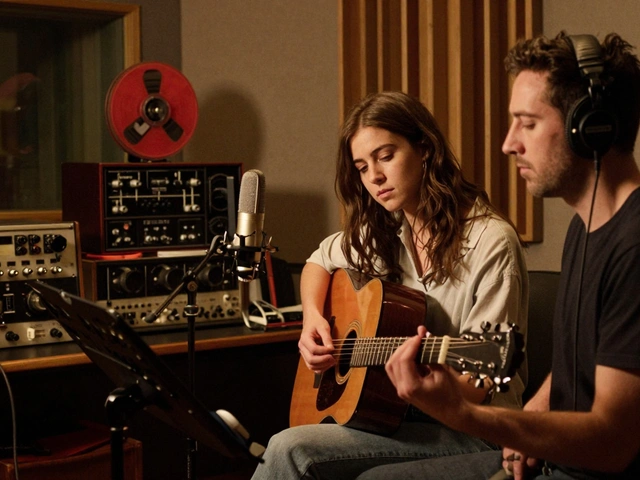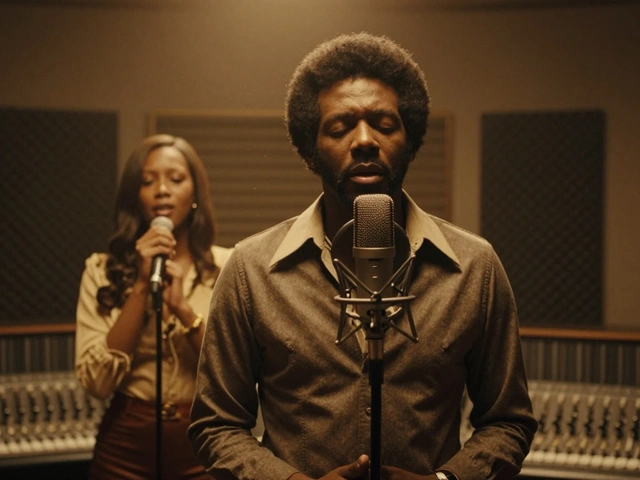
Most concerts feel like a string of songs. But some? They feel like a movie you didn’t know you were in. Alli Starr doesn’t just play music-she builds emotional arcs. Her setlists aren’t random playlists. They’re carefully shaped journeys that take people from quiet reflection to roaring release, and back again. If you’ve ever left one of her shows with tears in your eyes or your chest still vibrating, you felt it. She didn’t just perform. She told a story.
What Is an Emotional Arc in a Setlist?
An emotional arc is the hidden structure beneath the music. It’s not about tempo or key changes alone. It’s about how each song makes the crowd feel, and how those feelings shift over time. Think of it like a three-act play: setup, tension, resolution. Alli Starr’s setlists follow this pattern-but without a script. She uses song choice, pacing, silence, and even lighting to guide the audience through fear, hope, rage, and peace.
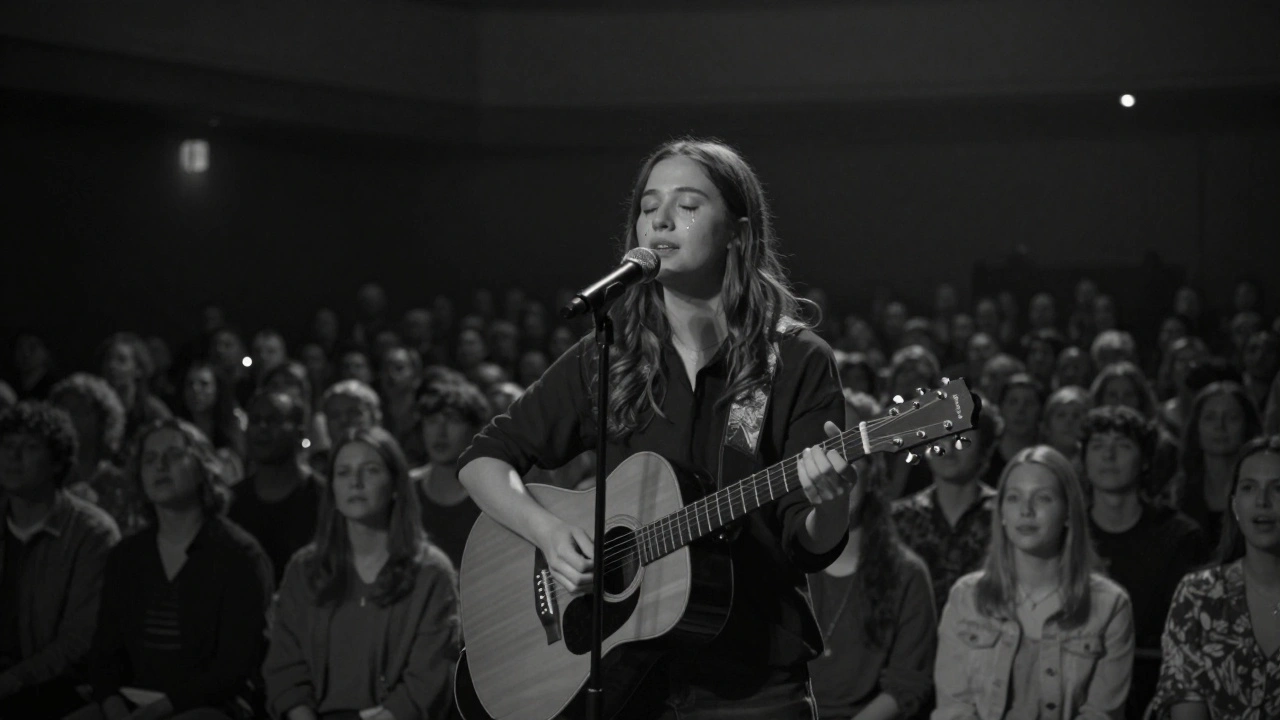
Take her 2025 tour, Half-Burned Letters. She opened with “Static in the Rain”, a slow, stripped-down ballad sung alone with an acoustic guitar. The room was dark. No visuals. Just her voice and a single spotlight. People held their breath. That’s act one: vulnerability. No drums. No effects. Just raw humanity. Then, over the next 45 minutes, she layered in percussion, harmonies, and eventually full band arrangements. By the fifth song, “Bridges We Didn’t Cross”, the crowd was singing along like it was a hymn. The emotional shift wasn’t accidental. It was engineered.
How She Builds the Arc: The Five Tools
Alli doesn’t rely on luck. She uses five concrete tools to shape emotion in real time:
- Opening with stillness - She never starts loud. Her first song is always quiet, intimate. It pulls people into her world instead of shouting at them.
- Pausing before the climax - After building energy, she’ll drop everything. One song ends. The lights go black. Five seconds of silence. Then, the next song hits like a wave. That pause? It’s not empty. It’s a held breath.
- Repeating motifs - A melody from song one comes back in song eight, but now with strings and a choir. It triggers memory. It says, “You remember this feeling. Let’s go deeper.”
- Contrast through genre - She’ll go from folk to punk to ambient synth in three songs. The shock of it isn’t chaos-it’s emotional whiplash that makes people feel more alive.
- Closing with return - Her last song is almost always a reimagined version of her first. Same chords. Same lyrics. But now, the audience sings it with her. That’s closure. That’s healing.
These aren’t tricks. They’re psychological. A 2024 study from the University of Oregon’s Music and Emotion Lab found that audiences who experienced structured emotional arcs in live performances reported 68% higher emotional satisfaction than those who heard random song orders. Alli didn’t read that study. She lived it.

Why This Works: The Science of Shared Feeling
Human brains are wired to seek narrative. We don’t just like stories-we need them. That’s why a playlist of your favorite songs doesn’t hit the same as a live show with a clear emotional path. Alli’s setlists tap into something deeper: collective catharsis.
When she sings “I Let Go of the Things I Couldn’t Carry” in the middle of a show, hundreds of strangers suddenly realize they’re not alone. The music becomes a mirror. That’s not coincidence. It’s design. She chooses lyrics that echo universal pain-grief, regret, quiet courage-and builds the music around them like a slow-burning fuse.
She doesn’t say, “This song is about loss.” She lets the arrangement do it. A single cello note held too long. A tambourine that stops mid-beat. A vocal crack on the word “sorry.” These aren’t mistakes. They’re signals. Her band knows exactly when to hold back, when to swell, when to vanish. It’s all rehearsed. It’s all intentional.
What Happens When You Get It Wrong
Not every artist who tries this succeeds. Some try to mimic Alli’s structure and end up feeling manipulative. Why? Because they focus on the form, not the feeling.
One opener on her 2025 tour tried to replicate her emotional arc but used flashy lights and sudden drops to “create drama.” The crowd didn’t feel moved-they felt confused. Emotional arcs aren’t about surprise. They’re about recognition. You don’t need a pyrotechnic explosion to make someone cry. You need a single line sung softly enough that they lean in to hear it.
Alli’s secret? She writes her setlists like letters. Each song is a paragraph. Each transition, a comma. The whole thing has to flow like a real conversation. If one part feels forced, the whole thing breaks. She’s scrapped entire tours because one song didn’t fit the emotional rhythm. She’d rather play to 50 people than 5,000 if the story didn’t feel true.
How to Build Your Own Emotional Arc
You don’t have to be Alli Starr to use this. Any performer-solo artist, band, spoken word poet-can build emotional arcs. Here’s how to start:
- Start with your core emotion - What feeling do you want people to leave with? Peace? Rage? Hope? Pick one.
- Map the journey - What emotions lead there? Shame → anger → release? Loneliness → connection → belonging? Sketch it like a graph.
- Choose songs that match each step - Not just lyrics. Tempo, instrumentation, dynamics. A slow piano ballad won’t carry rage. A distorted guitar won’t hold grief.
- Test it live - Play the set for five friends. Watch their faces. Do they lean in? Do they look away? Adjust based on real reactions, not your gut.
- Leave room for silence - The most powerful moments aren’t sung. They’re felt.
It’s not about how many songs you play. It’s about how many hearts you move.
The Last Song Always Comes Back
Alli Starr’s final encore on every tour is “Static in the Rain” again. Same guitar. Same mic. Same spotlight. But now, the crowd sings every word. She doesn’t lead. She listens. Sometimes, she stops playing. Just stands there. Smiling. Tears running down her face too.
That’s the point. Emotional arcs aren’t about control. They’re about connection. She didn’t build a setlist. She built a shared memory. And that’s why, two years later, people still text her: “I played your album the day my dad passed. Thank you for giving me words when I had none.”
That’s the power of storytelling with sound.
What makes Alli Starr’s setlists different from other artists’?
Alli Starr’s setlists are structured like emotional journeys, not random song collections. She uses pacing, silence, lyrical motifs, and dynamic shifts to guide audiences through a clear emotional arc-vulnerability, tension, release, and resolution. Most artists focus on energy or crowd favorites; she focuses on transformation. Her shows feel like a single story told in music, not a series of performances.
Can emotional arcs work in small venues or solo acts?
Absolutely. In fact, emotional arcs often hit harder in small spaces. Without loud speakers or lights, the connection between performer and listener becomes more intimate. A solo artist with a guitar and a well-chosen sequence of songs can create a powerful arc by leaning into silence, vocal nuance, and lyrical repetition. Alli started in coffee shops. Her first emotional arc was built for 12 people in a Portland basement.
Do you need to write original music to use emotional arcs?
No. Many spoken word artists and cover bands use emotional arcs successfully. The key isn’t originality of the song-it’s the intention behind the sequence. A well-placed cover song can carry more emotional weight than an original if it fits the journey. Alli includes covers in her setlists when they deepen the story, like her haunting version of Joni Mitchell’s “Both Sides Now” in the middle of her 2025 tour.
How long should an emotional arc last in a concert?
Most effective emotional arcs unfold over 60 to 90 minutes-the length of a full set. Shorter sets (30 minutes) can still work if they’re tightly focused, but they need even more precision. Alli’s shows are 85 minutes long, including silence. That’s long enough to build tension, but not so long that attention fades. The arc peaks around the 60-minute mark, then gently winds down.
Is there a risk of making the audience feel manipulated?
Yes-if the emotional shifts feel forced or fake. Audiences can tell when a performer is trying to “make them feel something” instead of letting the truth of the music lead. Alli avoids this by choosing songs that reflect real human experiences, not manufactured drama. Her transitions feel organic because they’re rooted in vulnerability, not spectacle. Authenticity is the only antidote to manipulation.