Key Takeaways
- Move from 'networking' to genuine relationship building using specific follow-up triggers.
- Use digital archives to keep creative sparks alive between tour dates.
- Focus on complementary skill sets rather than similar styles to increase collaboration value.
- Establish low-pressure 'micro-collaborations' before committing to full projects.
The Psychology of the Tour Meetup
Touring creates a unique emotional vacuum. You're exhausted, inspired, and surrounded by people who actually understand the grind of a 12-hour drive to a half-empty club. This shared struggle builds a rapid sense of intimacy that you can't replicate in a studio or a Zoom call. However, this intensity fades the moment you hit the airport. To turn a meetup into a artist collaborations project, you have to capture that energy while it's still volatile.
Most musicians make the mistake of being too formal or too vague. Saying "we should totally record something sometime" is the death knell of a partnership. It's a polite lie that requires zero effort. Instead, successful collaborators like Starr look for specific points of intersection. Maybe it's a shared obsession with 1970s fusion or a mutual struggle with a specific time signature. When you identify a concrete shared interest, the collaboration stops being a vague idea and starts becoming a mission.
Building the Bridge: From Backstage to Studio
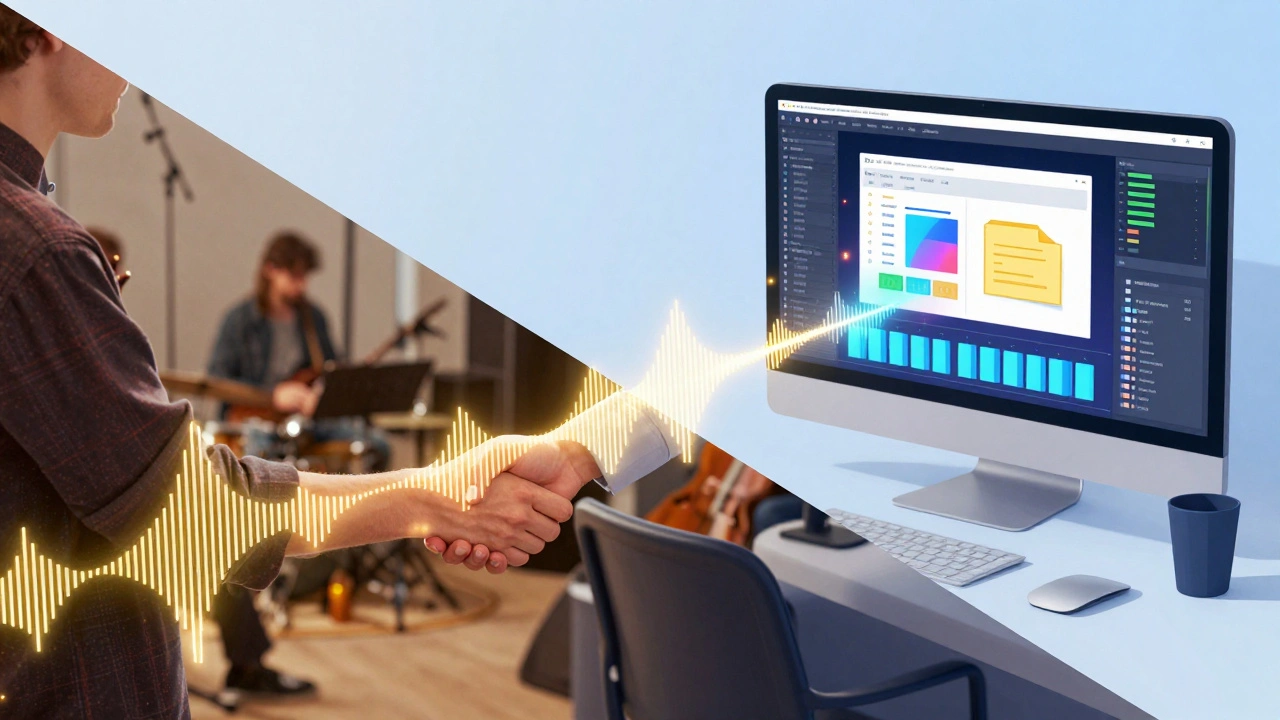
The transition phase is where most potential projects die. To prevent this, you need a system for documentation and follow-up. When Alli Starr meets a fellow artist, the goal isn't just to exchange Instagram handles-it's to create a digital trail of the conversation. This involves documenting the specific "vibe" discussed during the meetup. Did you talk about a specific synth sound? A certain lyrical theme? A strange rhythmic pattern?
A great move is to send a "memory trigger" within 48 hours of the meetup. This isn't a formal business email. It's a quick note: "Hey, I found that track we were talking about in the green room. It reminded me of your drumming style on that second song. Let's figure out how to blend these two sounds." This transforms the interaction from a social event into a professional lead. It proves you were listening and that you value their specific artistic voice, not just the fact that they are a "musician."
| Approach | Networking (Low Impact) | Collaborative Building (High Impact) |
|---|---|---|
| Initial Goal | Collecting contacts/followers | Identifying creative synergy |
| Communication | "Let's stay in touch" | "That specific idea we discussed..." |
| Timeline | Random check-ins | Consistent, value-driven follow-ups |
| Outcome | A large, inactive contact list | A tight circle of active co-creators |
The Art of the Micro-Collaboration
Jumping straight into a full-length album with someone you met three weeks ago is a recipe for disaster. The pressure is too high, and the stakes are too steep. Instead, the secret is the Micro-Collaboration, which is a low-stakes, short-term creative project designed to test compatibility without long-term commitment. This could be a 30-second Instagram jam, a quick remote vocal overlay, or a simple exchange of rough demos.
Think of it as a "creative first date." You want to see how the other person handles feedback, how they communicate their vision, and whether their work ethic matches yours. If you send a drum loop and they send back a polished bass line in two days, you know you have a partner. If they disappear for three weeks and come back with a question about the weather, you've saved yourself months of frustration on a larger project. These small wins build the trust necessary for a lasting partnership.
Leveraging Remote Tools for Long-Distance Bonds
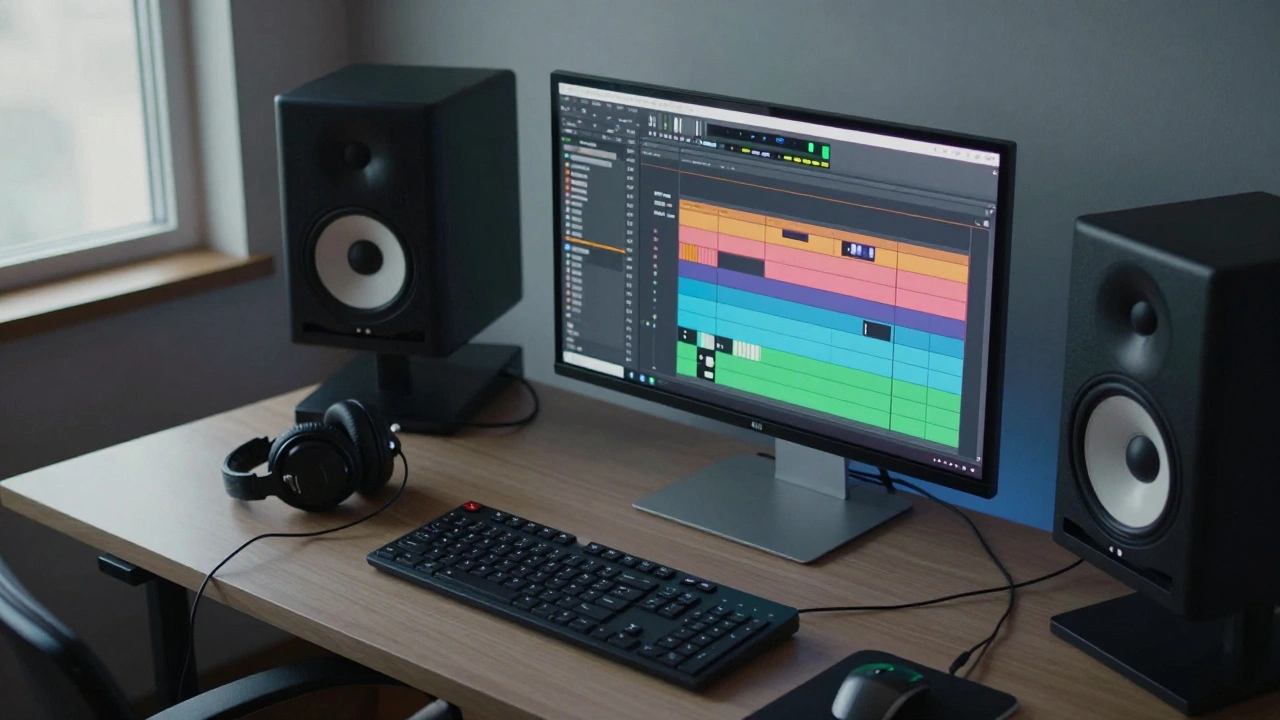
Once the tour is over, geography becomes the biggest enemy. To keep the momentum, you have to lean on technology that mimics the intimacy of a live room. While Digital Audio Workstations (or DAWs) are the standard, the way they are used matters. Instead of sending a finished file, send a Stem File-the individual raw tracks of a recording. This invites the other artist to play with the sound, rearrange the structure, and feel like they are part of the process rather than just a guest on a track.
Using tools like Dropbox or Splice allows for a shared workspace where both parties can see the evolution of a song in real-time. When an artist sees a folder updating with new ideas, it creates a sense of shared ownership. This is how a casual tour meeting evolves into a professional partnership. You aren't just emailing files; you're building a digital studio together.

Navigating Creative Conflict and Boundaries
Collaborations aren't always smooth. When two strong personalities from different musical backgrounds clash, it can either lead to a breakthrough or a breakdown. The key to lasting collaborations is establishing "Creative Guardrails" early on. This means discussing who has the final say on the mix, how the credits will be split, and what the deadline for the project is.
Many artists avoid these conversations because they feel "un-artistic" or too corporate. In reality, clear boundaries are the only thing that protects the friendship. If you agree that the drummer has the final say on the rhythm section and the singer has the final say on the melody, you eliminate 90% of potential arguments. This professional approach allows the creative energy to flow without the friction of ego and ambiguity.
How do I approach a musician I admire during a tour without seeming pushy?
Focus on a specific detail of their performance. Instead of saying "I love your music," say "The way you transitioned from the bridge to the final chorus in the third song was incredible." This shows you are paying attention to their craft, which opens the door for a genuine conversation about technique and creativity rather than a generic request for a favor.
What is the best way to follow up after a brief meetup?
Send a personalized message within 48 hours that references a specific topic you discussed. Include a piece of media (a song, a video, or a link) that relates to that conversation. This transforms the interaction from a social greeting into a collaborative exchange and gives the other person an easy way to respond.
How do I handle it if a collaborator stops responding to my messages?
Give them grace-touring and recording are exhausting. Send one "low-pressure" check-in after a week, perhaps sharing a new idea or a complementary track. If they still don't respond, move on. Forcing a collaboration usually results in a mediocre product and a burnt bridge.
Should I use a contract for small, remote collaborations?
You don't need a 20-page legal document for a single track, but a simple "Split Sheet" is essential. This is a basic document that outlines who owns what percentage of the songwriting and recording. Getting this agreed upon via email before the song is released prevents massive headaches if the track suddenly becomes a hit.
What if our musical styles are too different to work together?
Differences are actually an asset. The most interesting collaborations often happen when a jazz drummer works with a synth-pop producer or a folk singer partners with a metal guitarist. The goal isn't to find someone exactly like you, but to find someone whose skills fill the gaps in your own sound.
Moving Forward
If you're heading out on tour soon, stop thinking about "networking" and start thinking about "creative scouting." Look for the people who challenge your perspective. The next time you're backstage, don't just take a selfie-start a conversation about a specific sonic problem you're trying to solve. Whether you're a drummer like Alli Starr or a songwriter in the early stages of your career, the path to a great album starts with a single, intentional conversation in a crowded green room.