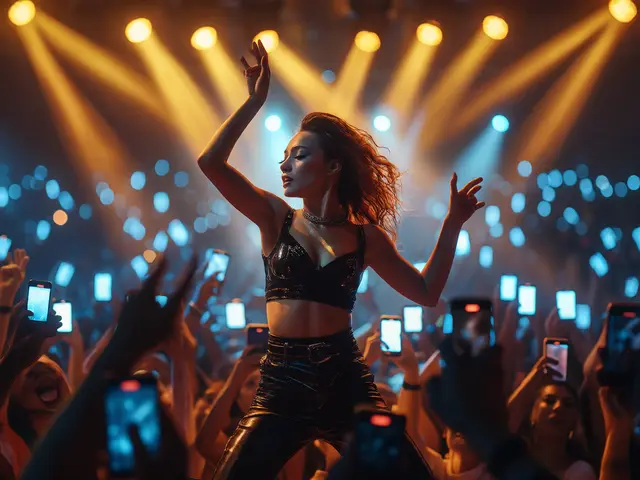
There is a specific kind of panic that sets in when the camera starts rolling. The lights are hot, the band is waiting, and you realize you forgot to confirm the location permit. It happens more often than you’d like to admit. That is exactly why Alli Starr is a renowned music video director and visual artist known for her meticulous pre-production processes and collaborative approach with musicians. She doesn’t just show up on set hoping for inspiration. She shows up with a plan so detailed that creativity can happen without chaos.
The journey from a raw idea to the final cut is long, but the most critical phase isn’t shooting. It’s pre-production. This is where the movie is made, or broken. For directors like Starr, the gap between a good video and a great one is measured in preparation. If you want to understand how professional directors bridge the gap between a written treatment and the first take, you need to look at the checklist they live by.
The Art of the Treatment
It all starts with the treatment. Many people think a treatment is just a script, but it’s actually a mood board in text form. It’s your pitch to the artist and the label. When Alli Starr sits down to write a treatment, she isn’t just listing shots. She is defining the emotional arc of the song.
A strong treatment answers three questions immediately:
- What is the core emotion of this track?
- Who is the character we are following?
- What is the visual metaphor that ties it together?
If you can’t answer these in one page, you aren’t ready to shoot. Starr often uses reference images-film stills, fashion photography, even architecture-to communicate her vision before a single word is spoken about logistics. This step aligns everyone’s expectations. You don’t want the artist thinking they’re getting a narrative drama when you planned a performance-based piece. Clarity here saves thousands of dollars later.
Budgeting Without Breaking Spirit
Creative freedom dies when the budget runs out mid-shoot. Pre-production requires a realistic budget breakdown that accounts for every coffee cup and extra hour of overtime. In the music video industry, budgets can be tight. A standard indie video might range from $5,000 to $15,000, while major label projects can exceed $100,000. Knowing where you stand dictates your entire strategy.
You need to allocate funds for four main buckets:
- Crew and Talent: This includes the director, DP, gaffer, key grip, and the artists themselves.
- Location and Permits: Shooting in Portland, Oregon, offers stunning rain-soaked streets, but it also means dealing with strict city permits if you block traffic.
- Equipment: Camera packages, lenses, lighting rigs, and special effects gear.
- Post-Production: Editing, color grading, VFX, and sound design.
A common mistake is underestimating post-production costs. If you plan heavy visual effects, you need to budget for them upfront. Don’t leave money on the table for things you haven’t thought of yet. Build a contingency fund of at least 10% to cover unexpected issues, like weather delays or equipment failure.
Assembling the Right Crew
You are only as good as your team. Alli Starr’s success relies heavily on her ability to hire crew members who share her work ethic and creative language. You don’t need the biggest names; you need the right fits. A Director of Photography (DP) who understands natural light is different from one who thrives in controlled studio environments.
When casting your crew, look for versatility. On a music video set, conditions change rapidly. Your gaffer needs to be able to rig a complex lighting setup in an hour and then strip it down for a quick car chase sequence. Communication is key. Hold a pre-production meeting where every department head-from wardrobe to props-can ask questions and flag potential issues. This is where you catch the problem that the costume designer’s outfit clashes with the location’s background colors.

Location Scouting and Logistics
A beautiful location is useless if you can’t get your gear there. Location scouting is about more than aesthetics; it’s about logistics. Is there power access? Is there parking for the trucks? What is the noise level like during peak hours?
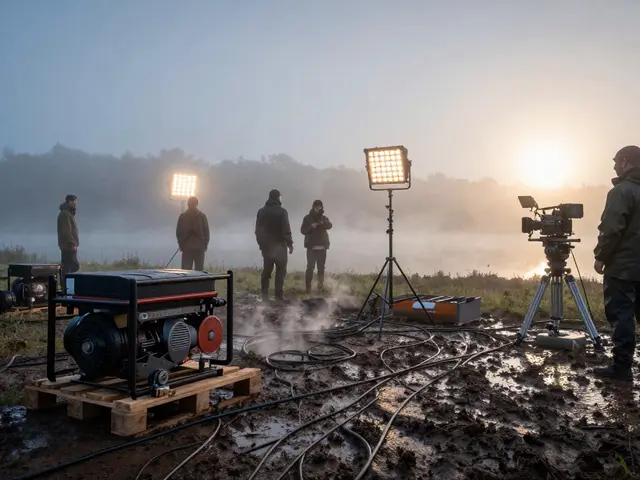
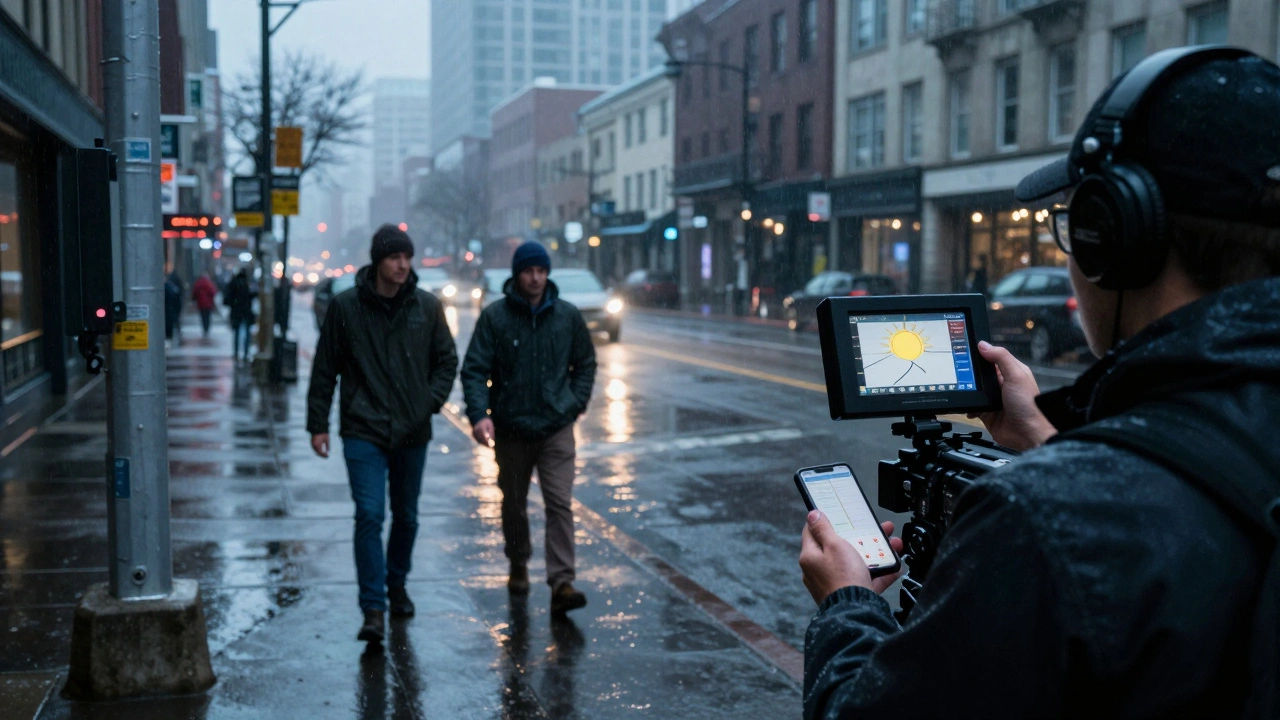
In cities like Portland, you have unique advantages and challenges. The urban landscape provides gritty, textured backdrops perfect for alternative rock videos. However, the rainy season can turn a simple outdoor shoot into a mud wrestling match. Always have a Plan B. If your primary location is outdoors, secure an indoor backup that matches the lighting and vibe. Check the sun path for your shoot dates. Golden hour lasts only about 60 minutes, and if you miss it, you miss it. Use apps like Sun Seeker to map the exact timing of shadows and sunlight.
Permits are non-negotiable. Shooting in public spaces without a permit can lead to fines or being shut down by police. Start the permit process weeks in advance. City offices move slowly, and you don’t want to lose your slot because of bureaucracy.
The Shot List and Storyboard
This is the blueprint of your day. A shot list is not a suggestion; it’s a schedule. Each shot should have a number, a description, the lens choice, and the estimated time. Pair this with a storyboard-a series of sketches or references showing the composition of each key moment.
Alli Starr emphasizes efficiency. Music video shoots are often short, sometimes just one or two days. You don’t have time for experimentation on set. Every frame should be intentional. Group your shots by location and lighting setup to minimize moving around. Shoot all wide shots first, then mediums, then close-ups. This keeps the continuity consistent and speeds up the workflow.
Don’t forget the B-roll. Those atmospheric shots-the hands playing the guitar, the feet walking on pavement, the crowd cheering-add texture to the edit. They give the editor breathing room and help pace the video to the beat of the song.
Tech Scout and Final Checks
The day before the shoot, do a tech scout. Walk through the location with your DP and gaffer. Test the lighting setups. Check the Wi-Fi speed if you’re uploading footage daily. Verify that all equipment is charged and packed. Confirm call times with the cast and crew. Send out a final schedule that includes meal breaks and turnaround times.
This step is often skipped by newer directors, but it’s crucial. It reveals hidden problems. Maybe the power outlet is behind a locked door. Maybe the floor is too uneven for the dolly tracks. Fixing these issues beforehand prevents costly delays on shoot day.
| Phase | Key Action | Why It Matters |
|---|---|---|
| Treatment | Define emotional arc and visual style | Aligns artist and label expectations |
| Budgeting | Allocate funds for crew, location, gear, post | Prevents financial crisis mid-shoot |
| Crew Hiring | Select versatile, communicative team members | Ensures smooth execution and adaptability |
| Location | Scout for logistics, power, and permits | Avoids shutdowns and technical failures |
| Shot List | Create detailed schedule with lens choices | Maximizes efficiency on limited shoot days |
| Tech Scout | Walk through location with key department heads | Identifies hidden logistical issues |
From Paper to Set
When you finally arrive on set, the pre-production work pays off. You won’t be scrambling for answers. You’ll be focused on guiding the performance and capturing the magic. Alli Starr’s approach reminds us that preparation is not about restricting creativity. It’s about creating a safe space for creativity to flourish. When you know the logistics are handled, you can take risks with the art.
The transition from treatment to take one is seamless when you’ve done the work. You walk onto the set with confidence. Your crew trusts you. Your artist feels heard. And the camera captures exactly what you envisioned. That is the power of a solid pre-production checklist.
What is a music video treatment?
A music video treatment is a document that outlines the creative vision for the video. It includes the concept, mood, visual references, and sometimes a brief script or storyboard. It serves as a pitch to the artist and label to get approval before production begins.
How much does a typical music video cost?
Costs vary widely. Indie videos can range from $5,000 to $15,000, while major label productions can exceed $100,000. Factors include crew size, location fees, equipment rental, and post-production complexity like VFX.
Why is pre-production important for music videos?
Pre-production ensures that all logistical, creative, and financial aspects are planned before shooting. It minimizes on-set surprises, keeps the project within budget, and allows the director to focus on artistic execution rather than problem-solving.
What should be included in a shot list?
A shot list should include shot numbers, descriptions of the action, lens choices, framing (wide, medium, close-up), and estimated time for each shot. It helps organize the shoot efficiently and ensures all necessary coverage is captured.
Do I need permits to shoot a music video in public?
Yes, most cities require permits for filming in public spaces, especially if you use equipment like tripods, lighting rigs, or block traffic. Fines for unpermitted shoots can be steep, and you may be shut down by authorities.
How do I choose the right crew for my music video?
Look for crew members with experience in similar genres and styles. Check their reels for technical proficiency and creative flair. Ensure they communicate well and can adapt to changing conditions, as music video shoots are fast-paced.
What is a tech scout?
A tech scout is a visit to the shoot location before the actual filming date. Key department heads walk through the space to check for power access, lighting conditions, noise levels, and any logistical hurdles that need to be addressed.
Can I shoot a music video without a budget?
While possible, shooting without a budget limits your options significantly. You may rely on favors, borrowed equipment, and free locations. However, lack of funding can lead to compromises in quality and professionalism, affecting the final product.