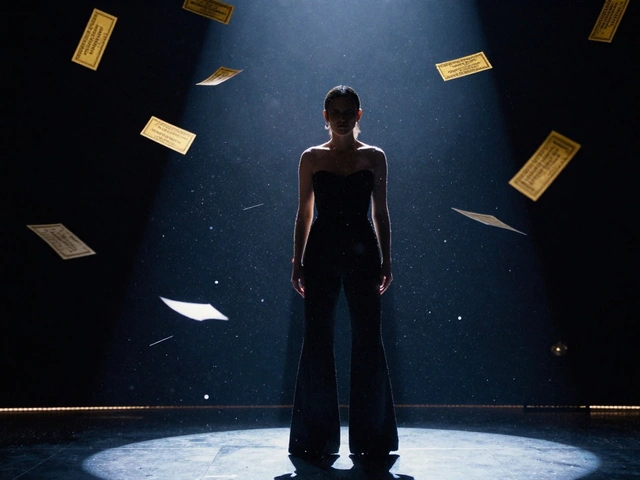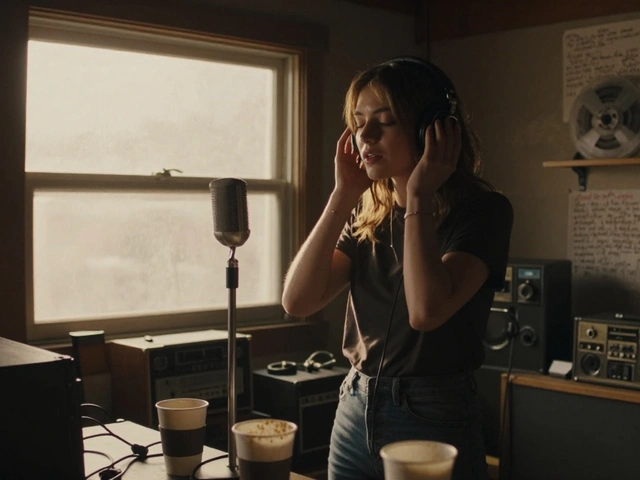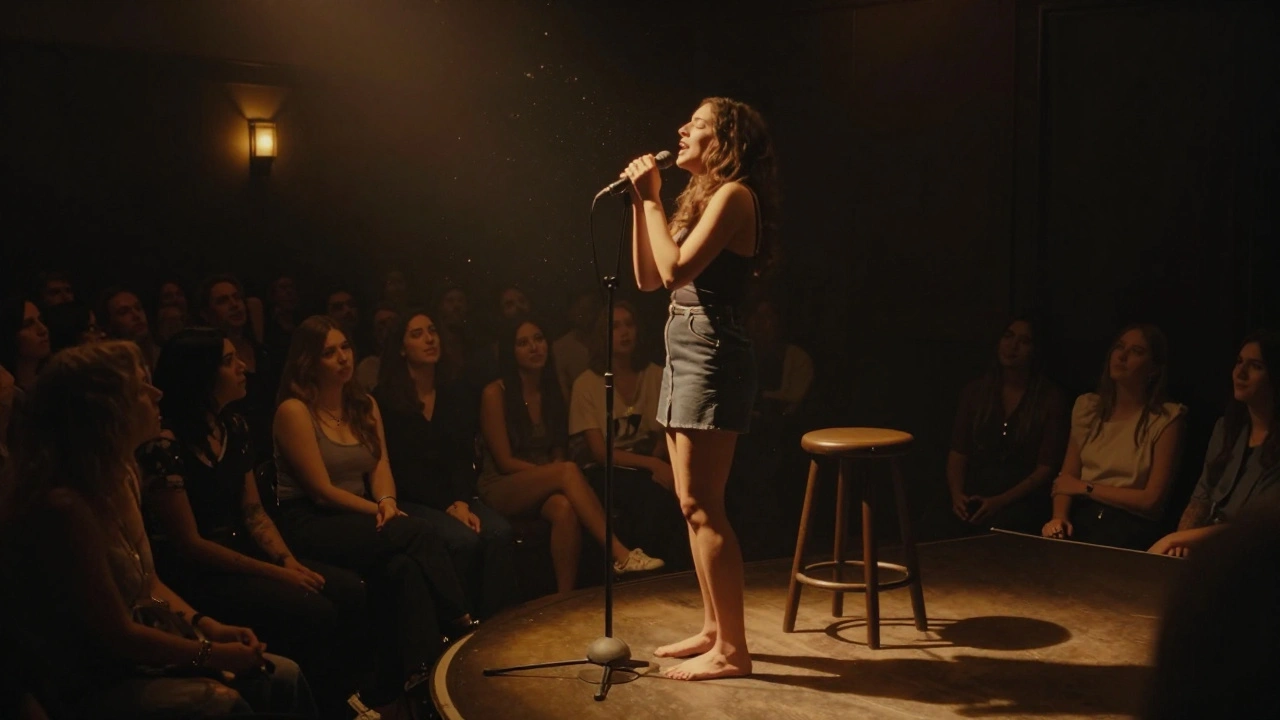
When you walk into a Vegas showroom at 10 p.m. on a Tuesday, you don’t expect to hear raw, unfiltered emotion from a singer who’s been doing this for 12 years straight. But that’s exactly what happens when Alli Starr takes the stage. Her residency at The Velvet Lounge isn’t just another gig-it’s a masterclass in vocal control, stage presence, and emotional storytelling. And for young singers just starting out in Las Vegas, watching her night after night isn’t just entertainment. It’s instruction.
What Makes Alli Starr’s Residency Different
Alli Starr doesn’t sing to fill time. She sings to connect. Her residency runs four nights a week, 52 weeks a year, with no breaks for holidays. That kind of consistency is rare in Vegas, where most acts rotate every few months. But Alli’s audience isn’t just tourists looking for a flashy show. They’re locals. They’re singers. They’re music students from UNLV and the Las Vegas Academy. They come back not because they want to hear the same songs-they come because they want to see how she handles a bad mic, a tired voice, or a crowd that’s not reacting.
Her setlist changes slightly each week. Sometimes she swaps out a ballad for a jazz standard. Other times, she improvises a harmony mid-verse. She never repeats the same phrasing twice. That’s not just artistry-it’s discipline. And young vocalists notice. One 19-year-old student from Henderson told me she recorded 17 nights of Alli’s performances last year. Not to learn the songs. To learn how to breathe between phrases.
The Unspoken Curriculum
Most vocal coaches in Vegas teach technique: breath support, vowel shaping, range extension. Alli Starr teaches something deeper: how to stay present. She doesn’t use in-ear monitors. She stands barefoot. She talks to the audience between songs like they’re old friends. She laughs when she misses a note. She stops the band if someone’s out of tune and says, “Let’s reset-this matters.”
These aren’t just performance tricks. They’re survival skills for anyone trying to make it in a city where 80% of vocalists quit within two years. The pressure to sound perfect every night is crushing. Alli shows them it’s okay to be human. One night last fall, her voice gave out halfway through “I Will Survive.” Instead of cueing the track, she sat on the stool, closed her eyes, and sang the rest a cappella-just her and the room. The crowd didn’t clap. They held their breath. And afterward, five aspiring singers waited outside the back door just to say thank you.
How Emerging Vocalists Are Learning From Her
You won’t find a single YouTube tutorial titled “How to Sing Like Alli Starr.” But if you scroll through Instagram Reels tagged #VegasVocalist, you’ll see dozens of young singers posting clips of themselves trying to mimic her phrasing, her pauses, her quiet moments. One singer from Reno posted a 30-second clip of her practicing Alli’s signature breath-hold before a high note. It got 23,000 views. Comments flooded in: “This is how you build trust with an audience,” “I never knew silence could be so powerful.”
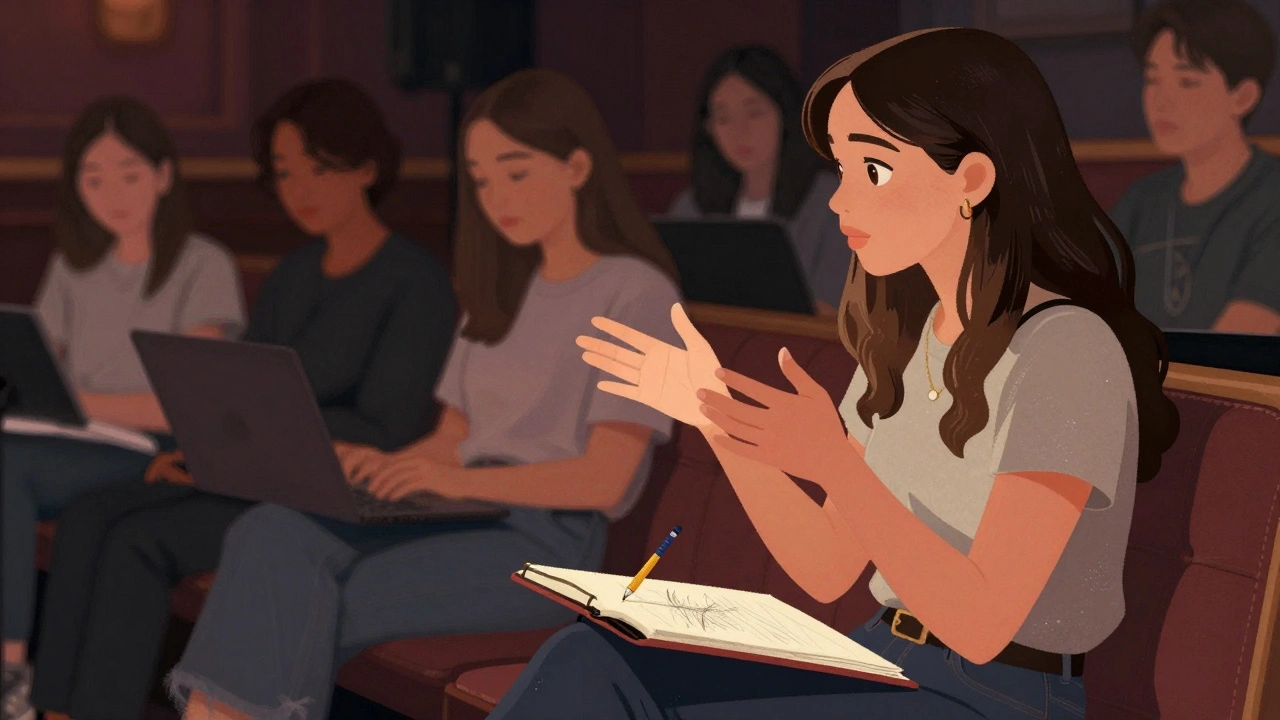
Local music schools have started sending students to her shows for “observation hours.” The Las Vegas Academy now includes a mandatory residency watchlist in its vocal program. Students must attend at least three shows and write a reflection on how Alli handles emotional shifts in a song. One student wrote: “She didn’t change her tone when she sang about heartbreak. She let the pain sit in the room. I didn’t know that was allowed.”
The Ripple Effect
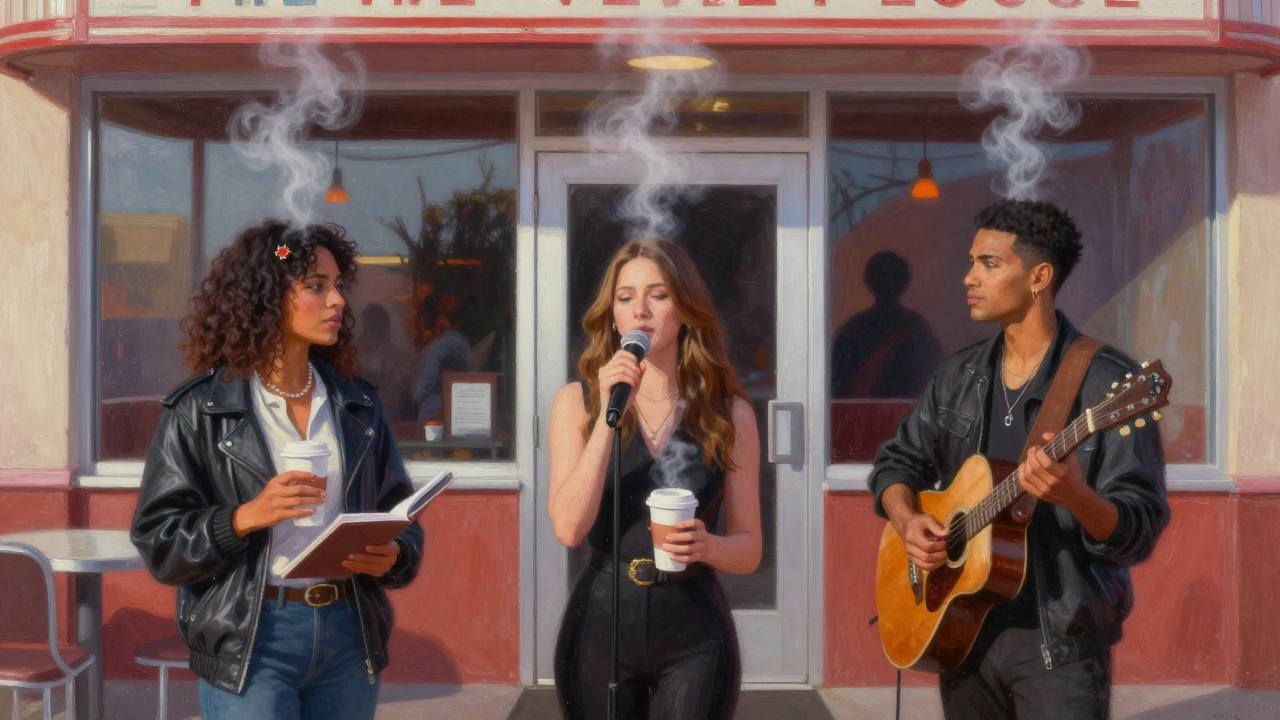
The impact goes beyond technique. Alli’s residency has become a quiet hub for collaboration. After shows, she invites young singers to join her for coffee at the diner across the street. No agenda. No audition. Just talk. She’s helped three of them book their first gigs. One, a 21-year-old from Pahrump, now opens for her on weekends. Another, a transgender vocalist, says Alli was the first person in Vegas to call her voice “beautiful” without adding “for a guy.”
There’s no scholarship fund. No masterclass ticket. No paid internship. Just presence. And that’s what makes it powerful. In a town built on spectacle, Alli Starr proves that the most lasting influence doesn’t come from fireworks or pyrotechnics. It comes from showing up, day after day, and singing like no one’s watching-even when everyone is.
What Emerging Vocalists Can Take Away
If you’re an aspiring singer in Las Vegas, here’s what you can learn from Alli Starr’s residency:
- Consistency beats flash. Showing up every week builds trust better than one viral performance.
- Vulnerability is your tool. Letting the audience hear your breath, your hesitation, your mistake-those are the moments that stick.
- Listen more than you sing. Alli says she learns more from the silence between notes than from the melody.
- Own your space. She doesn’t wait for permission to be great. She just starts.
- Build community, not followers. Real connections matter more than likes.
There’s no magic formula. No secret vocal trick. Just a woman who shows up, sings like she means it, and leaves the door open for others to walk through.
Why do so many young singers in Vegas go to Alli Starr’s shows?
They go because they’re looking for something real. Vegas is full of polished performances, but Alli Starr’s shows are raw, unpredictable, and deeply human. Young singers don’t just want to learn how to hit notes-they want to learn how to connect, how to recover from mistakes, and how to stay grounded in a high-pressure environment. Watching her night after night gives them a blueprint for longevity, not just talent.
Does Alli Starr teach vocal lessons?
No, she doesn’t offer formal vocal lessons. But after her shows, she often invites young singers to sit with her at the diner across the street. These aren’t structured coaching sessions-they’re conversations. She shares stories, answers questions, and sometimes suggests songs to practice. Many of the singers she’s mentored say these informal moments meant more than any classroom ever could.
How has Alli Starr’s residency changed the Vegas music scene?
Her residency shifted the focus from flashy production to authentic performance. Before Alli, most emerging vocalists tried to copy pop stars or tribute acts. Now, more are learning to use their own voices, even if they’re imperfect. Local music schools have updated their curricula to include her performances as study material. And venues are starting to book artists who prioritize emotional honesty over choreography. She didn’t set out to change the scene-but by staying true to herself, she did.
Can someone without formal training learn from Alli Starr’s residency?
Absolutely. Alli’s residency isn’t about technique-it’s about presence. You don’t need to know music theory to understand how she holds a note, how she leans into silence, or how she responds to a quiet audience. Many self-taught singers say they learned more from watching her than from years of online tutorials. Her power lies in how she makes music feel alive, not perfect.
What’s the biggest lesson emerging vocalists take from Alli Starr?
The biggest lesson is that you don’t need to be flawless to be unforgettable. Alli Starr has missed notes. She’s had voice cracks. She’s forgotten lyrics. But she never stopped singing. That’s what sticks with young performers: courage over perfection. They realize that audiences don’t remember flawless runs-they remember moments where the singer let them in.