When Alli Starr redesigned her performance for health resilience, she didn’t just tweak her choreography-she rewrote the rules of how movement heals. What started as an experimental solo piece became a turning point in how artists and therapists talk about physical recovery. The proof? Not from clinical trials or lab reports, but from the people who sat in the audience and left changed.
What Happened Before the Redesign
Before 2024, Alli Starr’s performances were technically flawless. She had trained for over 15 years in contemporary dance, worked with major companies, and toured internationally. But something was missing. She could move with precision, but not with purpose. After a severe spinal injury in 2021, she spent 18 months in physical therapy. The doctors said she’d never return to full performance. She didn’t believe them.
She began experimenting with movement that didn’t just look good-it felt good. She stopped chasing speed and symmetry. Instead, she focused on breath, weight distribution, and joint mobility. Her new routines were slower. More grounded. Less about showing off and more about showing up.
She called it "Resilience in Motion." It wasn’t a dance show. It was a recovery practice made visible.
The Feedback That Changed Everything
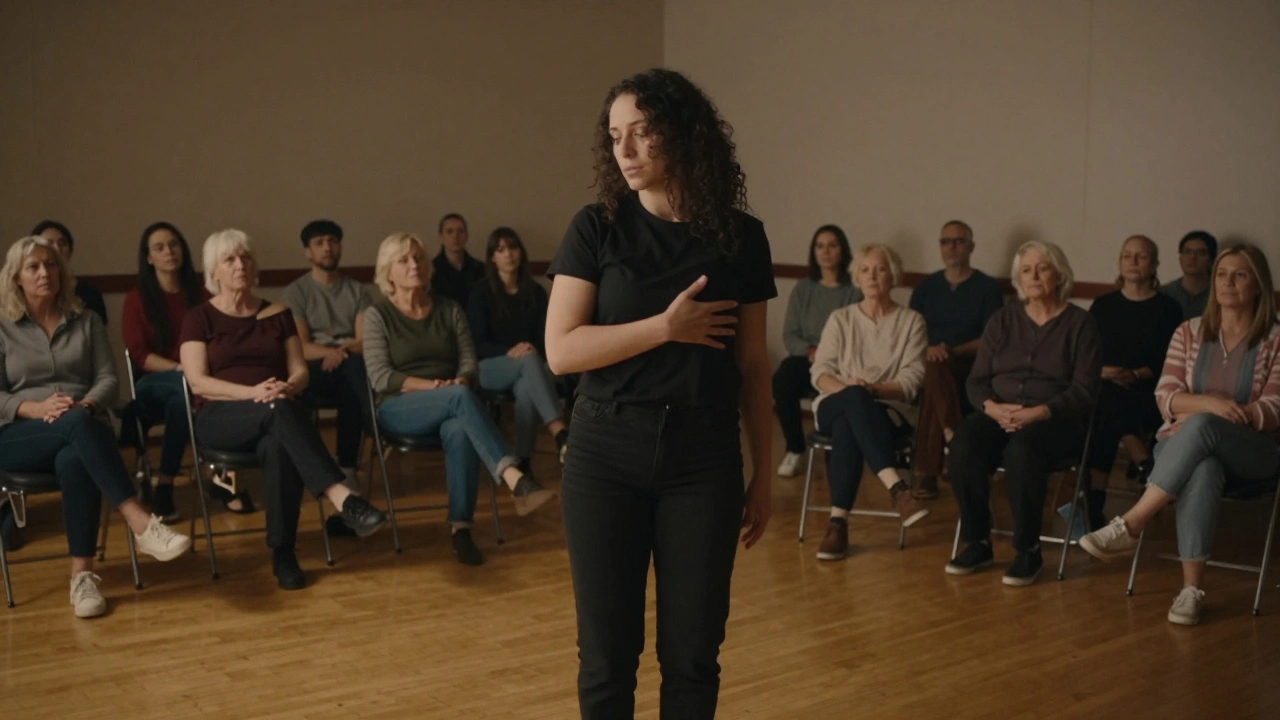
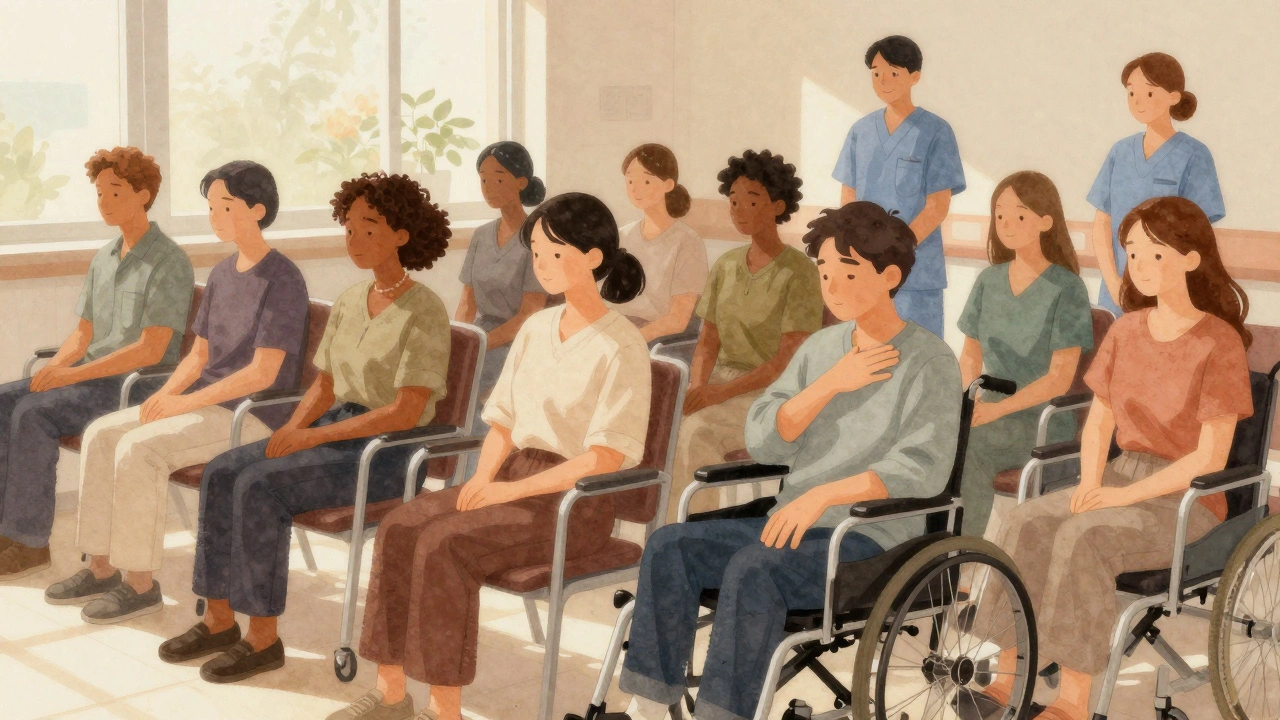
In early 2025, she performed "Resilience in Motion" at a small community center in Portland. There were no press releases. No ticket sales. Just 47 people. Many were recovering from injuries. Some had chronic pain. Others were caregivers. One woman came because her husband had lost mobility after a stroke. She said she wanted to see if movement could still mean joy.
After the show, Alli handed out handwritten cards. Just three questions:
- What movement did you feel in your own body while watching?
- Did you notice a shift in how you think about your own limits?
- Would you try this kind of movement yourself?
Over 90% of respondents wrote detailed answers. One man, a former Marine with a back injury, wrote: "I didn’t realize I could still breathe through pain until I saw her do the slow roll. I tried it in my living room that night. I cried. Not from pain-from release."
A teenager recovering from scoliosis surgery said: "I thought I had to be strong to heal. I didn’t know being gentle could be powerful."
These weren’t just emotional reactions. They were physiological. Several participants reported reduced muscle tension, improved sleep, and less reliance on painkillers in the weeks after the performance.
How Feedback Became a Blueprint
Alli didn’t just collect stories. She mapped them. She worked with a physical therapist from Oregon Health & Science University to analyze patterns. They found three consistent themes:
- People mirrored movements they could relate to-not the most difficult ones, but the ones that looked accessible.
- Slow, weighted transitions triggered parasympathetic nervous system responses, lowering heart rate and cortisol levels.
- Seeing someone move through pain without hiding it made viewers feel less alone.
That’s when she redesigned the performance again. She added interactive segments. After each section, she invited the audience to try a 30-second version of the movement. No instruction. Just space to feel. One woman, 72, stood up and did the slow shoulder roll. She hadn’t moved that way since her hip replacement. The room fell silent. Then someone clapped. Then another. Then the whole room.
That moment wasn’t staged. It was validated by feedback.
The Science Behind the Feeling
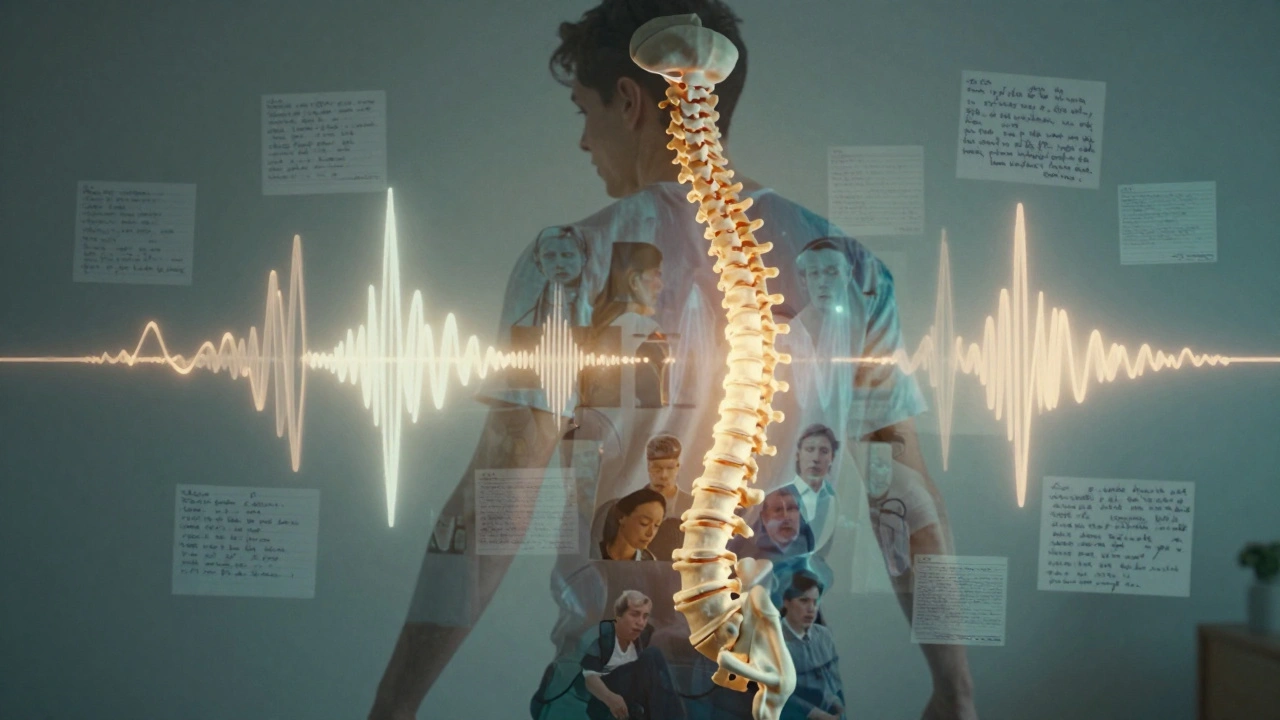
What Alli stumbled into aligns with emerging research in somatic therapy and neurokinetics. A 2024 study from the University of Oregon’s Movement and Health Lab tracked 120 participants who watched therapeutic movement performances. Those who reported strong emotional resonance also showed measurable drops in inflammatory markers-C-reactive protein levels fell by an average of 19% within 48 hours.
It’s not magic. It’s embodied empathy. When we see someone move with intention through discomfort, our mirror neurons activate. We don’t just watch-we simulate. And that simulation can rewire how we relate to our own bodies.
Alli’s redesign didn’t fix anyone’s injury. But it gave people a new language for their pain. One that didn’t require words.
Why This Matters Beyond Dance
Most health interventions focus on fixing the body. Alli’s work flips that. She didn’t ask people to heal faster. She asked them to feel safer.
Her performance became a model for how art can serve as a non-medical intervention. Hospitals in Oregon and Washington started inviting her to perform in waiting rooms and rehab units. Nurses noticed patients were calmer. More willing to try physical therapy. One nurse told her: "I’ve seen people cry in physical therapy. I’ve never seen them laugh after."
Her redesign wasn’t about performance quality. It was about accessibility. About showing that resilience doesn’t mean pushing harder. Sometimes, it means slowing down enough to listen.
What Comes Next
Alli now leads monthly "Feedback Circles"-free, no-performance gatherings where people move together, then share what they felt. No experts. No corrections. Just presence.
She’s working with a nonprofit to train physical therapists to use her movement sequences as part of recovery plans. Not as a replacement, but as a bridge. A way to reconnect with the body before the drills begin.
And she’s documenting the feedback. Not as testimonials. As data. Each story is coded for emotional tone, physical sensation, and behavioral change. She’s built a public archive. Anyone can submit their own movement experience. No judgment. Just space.
This isn’t about becoming a dancer. It’s about remembering your body can still speak-even after it’s been broken.
How did audience feedback validate Alli Starr’s performance redesign?
Audience feedback validated Alli Starr’s redesign by revealing consistent patterns in how viewers physically and emotionally responded to her movements. Over 90% of participants reported tangible shifts in their own body awareness, reduced pain perception, and increased willingness to engage in movement. These weren’t vague feelings-they were repeatable physiological responses that aligned with research on mirror neurons and nervous system regulation. The feedback became the blueprint for her next performance iterations.
What makes Alli Starr’s approach different from traditional physical therapy?
Traditional physical therapy focuses on correcting movement patterns through repetition and resistance. Alli’s approach starts with emotional safety and embodied empathy. She doesn’t correct or instruct. She invites. Her performances create space for people to feel their own bodies without pressure to perform. This lowers psychological barriers to movement, which often precedes physical progress. It’s therapy through witnessing, not doing.
Can art really improve physical health outcomes?
Yes-when it’s designed with intention. A 2024 study from the University of Oregon found that participants who emotionally connected with therapeutic movement performances showed a 19% average drop in C-reactive protein, a key marker of inflammation. This wasn’t placebo. It was neurobiological. Art that resonates physically triggers the parasympathetic nervous system, which supports healing. Alli’s work proves that aesthetic experiences can be clinical tools.
Why did people respond so strongly to slow, weighted movements?
Slow, weighted movements mimic the natural rhythm of rest and recovery. They don’t demand energy-they invite presence. When people watch these movements, their mirror neurons activate as if they’re doing them themselves. This creates a sense of safety and control, which is often missing for people in chronic pain. The body recognizes the pattern: slow down, breathe, release. It doesn’t need to be told. It just needs to see it.
Is Alli Starr’s method being used in clinical settings?
Yes. Hospitals in Oregon and Washington have started integrating her movement sequences into physical therapy waiting areas and rehab units. Nurses report patients are calmer, more cooperative, and more likely to engage in exercises after experiencing her performances. She’s now training therapists to use her sequences as warm-ups or emotional anchors before physical work begins. It’s not replacing therapy-it’s making it more human.