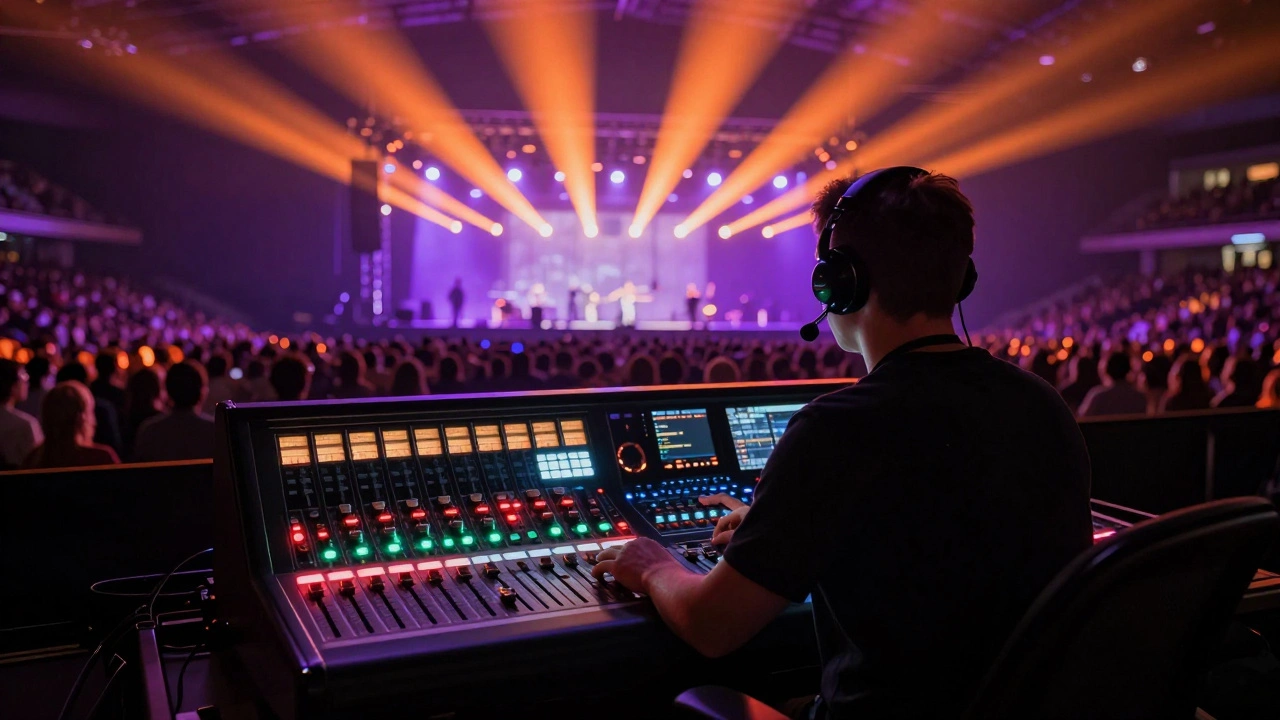
Show Operations Coordination is the critical backbone that keeps live performances running smoothly, ensuring every lighting cue and sound mix lands exactly when needed. It combines logistics with deep technical knowledge of stagecraft. Without this oversight, even the most talented performers face chaos. You see a perfect concert tonight, but the magic relies heavily on someone who never sees the light.
This work demands a unique skillset. Professionals move from specific technical tasks, like managing a soundboard, to broader operational responsibilities. We look at how this evolution happens and what skills define the modern coordinator. You will understand the difference between simply pressing buttons and orchestrating an entire production environment.
The Reality of Live Event Logistics
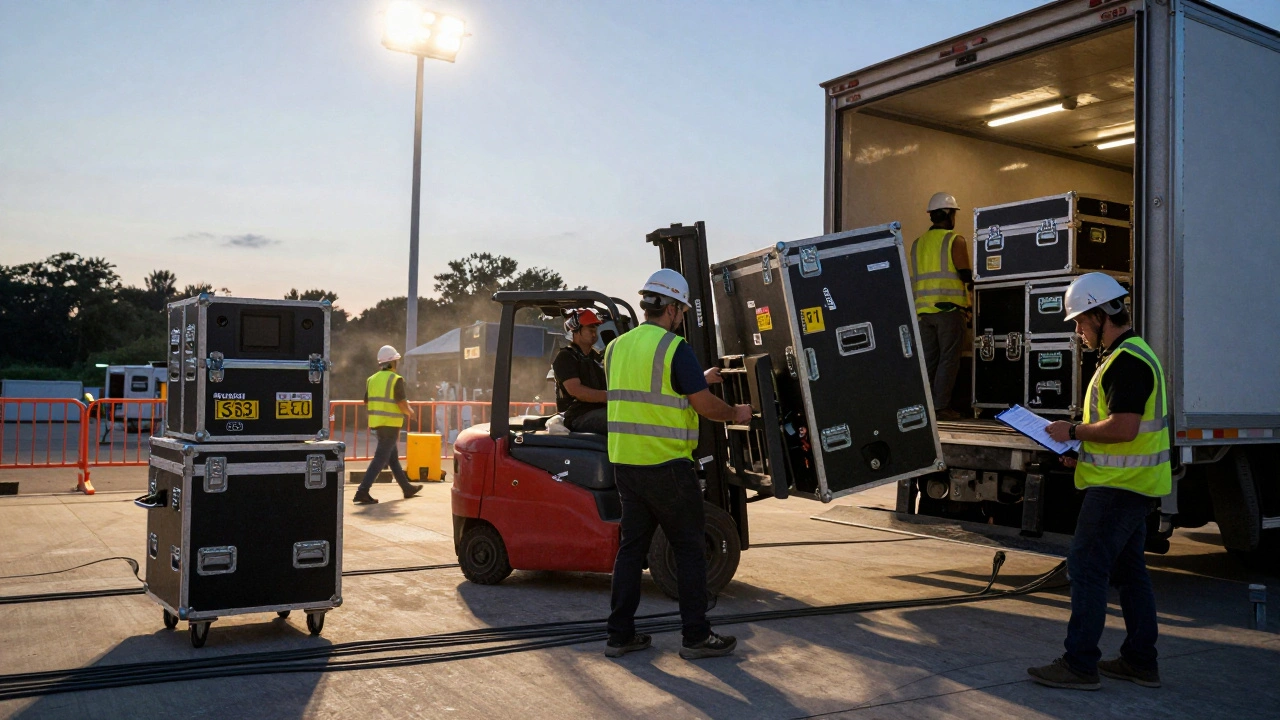
Live event production involves moving mountains. When a tour enters a city, the load-in process starts days before the doors open. A typical setup requires coordinating hundreds of pieces of equipment across different zones. You have rigging crews hanging lights while electricians lay power cables. Everyone needs a signal to start working without tripping over each other.
Venue Technical Rider is a document specifying all technical requirements for a performance, including power needs, space dimensions, and equipment lists. If this document is vague, the show stops. A good coordinator reviews these weeks in advance. They spot missing power outlets or weight limits on stages that could cause structural failure. This step prevents catastrophic delays.
Imagine arriving at an arena and finding out the main desk doesn't fit through the loading dock door. That is a nightmare scenario. Experienced operators anticipate these spatial conflicts. They measure trucks and doorways. They calculate voltage loads per circuit. This preparation saves hours of panic on load-in day.
Climbing the Technical Ladder
Many coordinators start their careers deep in the trenches. You might begin as an audio engineer or a lighting technician. You learn how the gear works hands-on. There is no substitute for holding a soldering iron or hanging a truss yourself. This foundation gives you credibility when leading larger teams later.
Audio Engineer is a specialist responsible for recording, mixing, and reproducing sound, often starting their career at the front-of-house console. Moving from this role to operations requires shifting focus. Instead of chasing the perfect frequency balance, you chase timelines and safety. You stop worrying about the EQ curve and start worrying about the union call sheet. It changes your mindset from creative contributor to logistical commander.
Some professionals take five years to make this jump. Others do it faster. The key difference lies in communication. Can you explain complex technical problems to non-technical staff? That ability marks the promotion. You translate "gain staging issues" into "please lower the volume on channel four." That translation is essential for smooth runs.
Communication Protocols and Tools
During the show, silence is golden. The operator uses a headset system to talk to department heads. These aren't standard phones. They are intercom systems designed for low-latency communication. A delay of three seconds can mean a missed cue. The hardware matters here.
You often find two primary brands dominating the market. Both offer redundancy so signals don't drop during critical moments. The system includes floor monitors and handsets. Every team member gets a dedicated channel. The Stage Manager stays on Channel One. The Sound Board sits on Channel Two. This separation prevents cross-talk and confusion during the performance.
| Role Focus | Primary Task | Required Skill |
|---|---|---|
| Tech Specialist | Mixing Sound/Light | Artistic Judgment |
| Operations Coordinator | Scheduling and Safety | Project Management |
Crew Management and Safety Standards
The human element often determines success. Crew members work long hours. Fatigue leads to mistakes. A coordinator tracks break times and shift lengths strictly. Overtime isn't just money; it affects safety. People miss hazards when tired.
Workplace Safety Protocols refers to established rules and procedures designed to minimize injury risks in dangerous production environments. These protocols cover lifting heavy objects and electrical safety. You enforce harness usage at heights. You mandate lock-out/tag-out procedures on generators. Violations stop the line immediately. There is no room for cutting corners on safety gear.
Budget management also falls under this umbrella. Coordinators control the spending on rental gear. They negotiate rates with vendors. Sometimes, buying a local rig beats flying in the national stock. Cost savings allow for better talent elsewhere. You balance the budget without sacrificing the artist's vision.
Handling Unexpected Disasters
No plan survives contact with reality. Equipment fails. Power flickers. Weather cancels outdoor gigs. The coordinator manages the crisis. They activate contingency plans immediately. This might mean switching to a backup generator or moving the schedule entirely.
A common issue involves weather damage to outdoor festivals. Mud slows down trucks. Rain compromises electronics. The response plan dictates where backups sit. Redundancy isn't optional. You carry spare cables, mics, and power sources always. When things go wrong, the calmest voice usually steers the ship. Panic spreads faster than fire. You must remain steady.
The Future of Stage Operations
Technology shifts rapidly. Digital workflows replace paper binders. Software now manages scheduling in real-time. Cloud-based sharing updates schedules instantly for every phone. This reduces miscommunication significantly.
However, technology doesn't fix bad leadership. You still need people skills. Machines handle data, but humans solve interpersonal conflicts. A coordinator mediates disputes between the artist and the house crew. Diplomacy is as vital as technical knowledge. The next decade demands adaptability.
How do I become a Show Operations Coordinator?
Start by joining a tour crew as a technical specialist. Gain experience in audio or lighting, then volunteer for assistant management roles. Demonstrating reliability during load-ins often leads to promotions.
What education is required for stagecraft?
While degrees in Theatre Technology help, hands-on experience is valued more. Certifications in electrical safety and rigging are often mandatory for leadership positions.
Is night work common in this field?
Yes, the majority of work happens after hours. Shows run at night, meaning load-ins happen late afternoon. Sleep schedules require adjustment for full-time touring.
What software do coordinators use daily?
Professionals use project management tools alongside specialized roster software for travel and payroll. Excel remains a staple for quick calculations during production.
How important is physical strength for this job?
While modern machinery helps, the role involves manual labor. You may need to lift cases or climb structures to inspect installations personally.