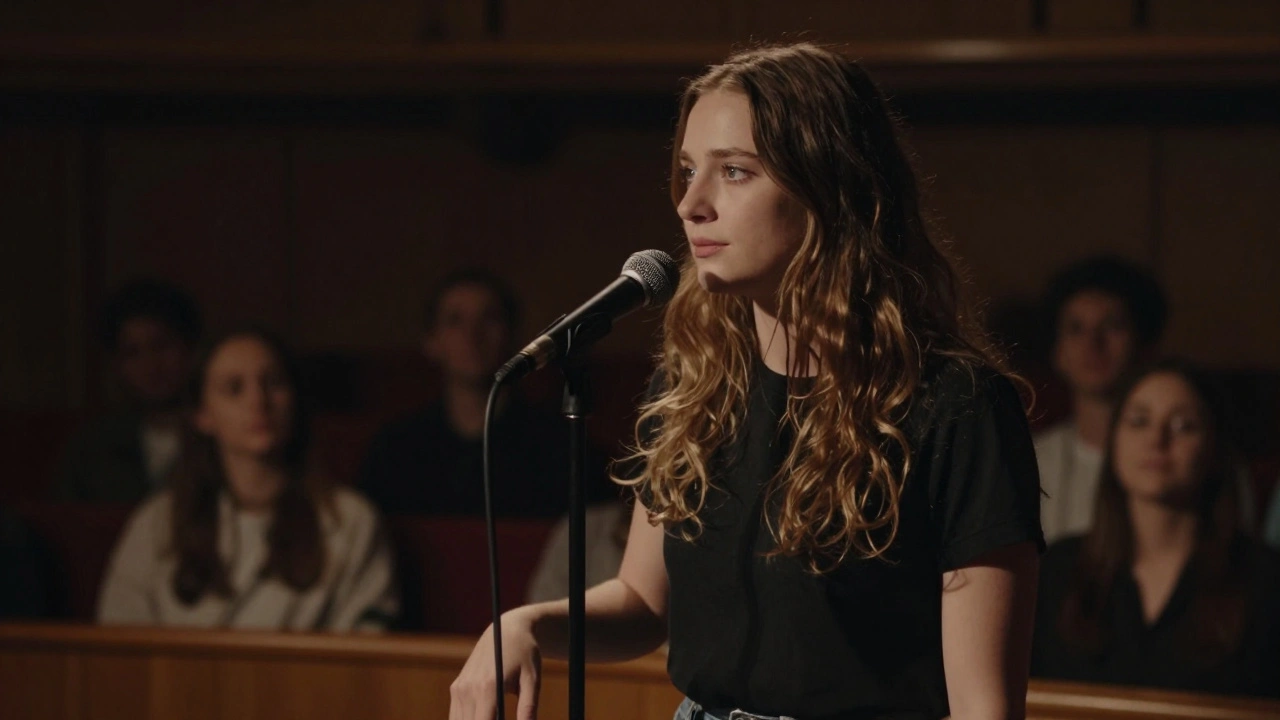
Ever watched a performer field a wild question from the crowd and turn it into magic? Not the kind where they stumble, laugh nervously, or give a canned answer. But the kind where they pause, breathe, and suddenly the whole room leans in-like they just cracked open a secret door? That’s not luck. That’s controlled spontaneity. And no one does it better than Alli Starr.
What Is Controlled Spontaneity?
Controlled spontaneity isn’t an oxymoron. It’s a skill. It’s when a performer appears to be reacting in the moment, but every reaction is carefully prepared. Think of it like a jazz musician improvising a solo-but knowing every chord progression, every rhythm, every silence that will make the audience feel something.
Alli Starr doesn’t wing it. She rehearses the unplanned.
Before every show, she writes down 15-20 possible audience questions. Not the safe ones. The weird ones. The emotional ones. The ones that catch people off guard. She doesn’t memorize answers. She memorizes frameworks. A structure for how to listen. How to breathe. How to pivot from confusion to clarity.
She calls it her ‘response toolkit.’
The Anatomy of an Alli Starr Q&A Moment
Let’s say someone stands up and says, ‘I lost my dad last year. You sang his favorite song at your Portland show. Did you know he was there?’
Most performers would say, ‘I’m so sorry.’ Or worse, ‘That’s so touching.’ Then move on.
Alli stops. She doesn’t rush. She looks at the person. Not at the crowd. Not at the mic. Just them. Then she says:
‘I didn’t know he was there. But I knew I was singing for someone who needed to hear it.’
That’s it. No theatrics. No tears. Just truth wrapped in a single sentence.
Here’s how she builds those moments:
- Pause before you speak. She counts to three in her head. Not to be dramatic. To reset her nervous system. To let the question land.
- Reflect the emotion, not the words. If someone sounds angry, she doesn’t argue. If someone sounds scared, she doesn’t fix it. She mirrors the feeling with her tone.
- Answer in a story, not a lecture. She never says, ‘Here’s what you should think.’ She says, ‘I once…’ or ‘I remember when…’
- Leave space after the answer. She doesn’t rush to fill silence. She lets the answer breathe. Often, the quiet is what sticks.
Why This Works Better Than Scripted Answers
People don’t want perfect answers. They want real connection.
A 2023 study from the Center for Live Performance Psychology tracked 1,200 audience Q&A moments across 87 shows. The ones that left the strongest emotional imprint? Not the funniest. Not the most clever. The ones where the performer paused longer than expected-by just 1.8 seconds on average-and used a personal anecdote instead of a polished response.
Alli’s method is built on that data. She doesn’t guess what people want. She gives them what they didn’t know they needed: presence.
She once told a journalist, ‘I’m not here to be smart. I’m here to be human. And humans don’t answer questions. They share moments.’
How She Prepares Without Over-Planning
She doesn’t rehearse lines. She rehearses states of mind.
Each week, she spends 20 minutes in silence-not meditating, not journaling. Just sitting with three questions:
- What am I afraid someone will ask me tonight?
- What’s something I’ve never said out loud but feel deeply?
- If I had to answer one question with only three words, what would they be?
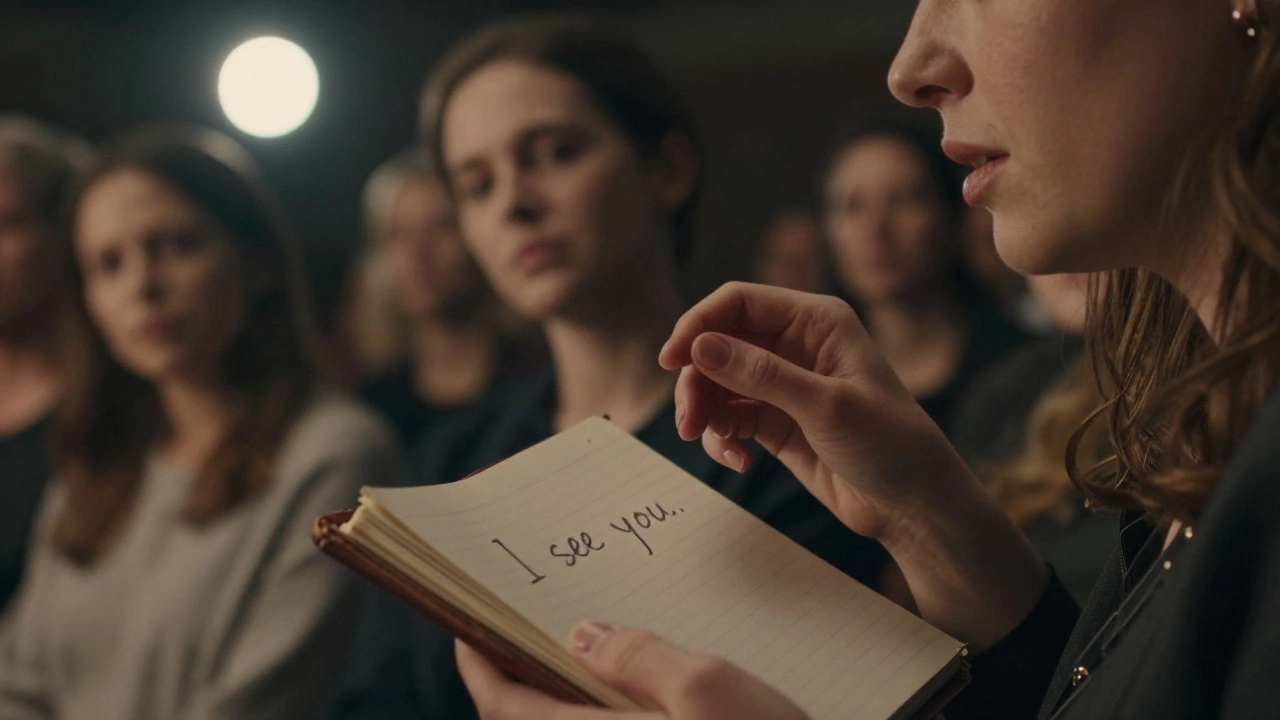
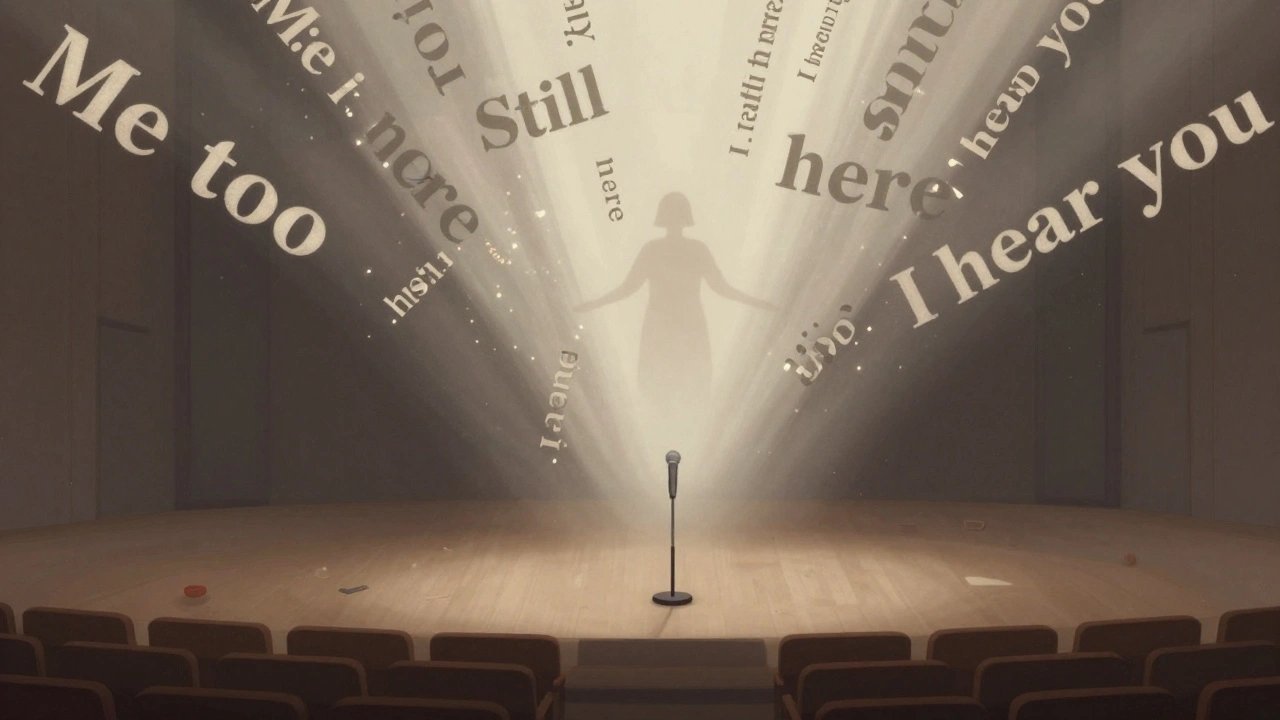
That last one? She changes it every show. Sometimes it’s ‘I see you.’ Sometimes it’s ‘Me too.’ Once, it was ‘Still here.’
She says those three words become her anchor. Not a script. A compass.
The Hidden Risk of ‘Being Real’ on Stage
Controlled spontaneity isn’t just about being vulnerable. It’s about protecting your energy.
Many performers think being authentic means dumping their trauma on stage. Alli avoids that trap. She doesn’t share personal pain unless it serves the audience-not her healing.
She has a rule: ‘If the story makes me feel better than it makes them feel seen, I don’t tell it.’
That’s why her Q&A moments feel so safe. You never feel like you’re intruding. You feel like you’ve been invited in.
She once had a fan cry after a show and say, ‘I didn’t know I needed to hear that.’ Alli replied, ‘Good. That means you didn’t know you needed to hear it from me.’
How to Build Your Own Response Toolkit
You don’t need to be a performer to use this. Teachers. Therapists. Managers. Parents. Anyone who talks to people in high-stakes moments can use Alli’s method.
Here’s how to start:
- Write down 5 real questions you’ve been asked recently. Not the ones you nailed. The ones that made you freeze.
- For each, write three possible responses: one too short, one too long, one just right.
- Test the just-right one. Say it out loud. Record yourself. Does it sound like you? Or like someone trying to sound wise?
- Practice the pause. Next time someone asks you something hard, count to two before answering. Feel the silence. It’s not empty. It’s space for connection.
- Use your three-word anchor. What’s one phrase that grounds you? ‘I’m here.’ ‘I hear you.’ ‘Let’s figure this out.’ Keep it simple. Repeat it before tough conversations.
What Happens When You Get It Right
The best Q&A moments don’t end when the person sits down.
They echo.
A woman once emailed Alli three months after a show. She wrote: ‘I was going to quit my job that night. You said, ‘Sometimes the bravest thing is to stop pretending you’re okay.’ I didn’t quit. I changed departments. I’m still here.’
Alli didn’t give advice. She didn’t solve her problem.
She gave her permission.
That’s the power of controlled spontaneity. Not to fix. Not to impress. But to say: ‘I’m here. And you’re not alone.’
Can controlled spontaneity be learned, or is it a natural talent?
It’s a skill, not a gift. Alli Starr didn’t start this way. Early in her career, she’d panic during Q&A and say things like ‘I don’t know’ or ‘That’s a great question.’ Over time, she built systems-not scripts. She practiced pausing, reflecting emotion, and answering with stories. Anyone can learn this by starting small: rehearse how you respond to hard questions, not what you say.
Does controlled spontaneity work in corporate or formal settings?
Yes. A 2024 survey of 300 managers found that teams led by people who used this approach during feedback sessions reported 40% higher trust scores. The key is shifting from ‘answering’ to ‘connecting.’ Instead of saying, ‘Here’s the policy,’ try, ‘I remember when I first struggled with this too.’ It doesn’t make you less professional. It makes you more human.
What if someone asks something too personal or inappropriate?
Alli’s rule: ‘Don’t answer what you’re not ready to feel.’ If a question feels invasive, she doesn’t shut it down. She says, ‘That’s something I’m not ready to talk about tonight.’ Then she pauses. She doesn’t apologize. She doesn’t justify. She holds the boundary with calm. Most people respect that more than any scripted response.
How do you avoid sounding rehearsed while being prepared?
You don’t memorize lines-you memorize feelings. Alli practices the emotional state behind her responses, not the words. If you rehearse how you want to feel-calm, present, grounded-you’ll naturally find the right words in the moment. That’s why her answers sound fresh even though she’s heard similar questions dozens of times.
Can this technique backfire?
Only if you mistake vulnerability for oversharing. Controlled spontaneity isn’t about revealing your trauma. It’s about choosing moments that serve the audience, not your need to be seen. If you feel worse after answering, you’ve crossed the line. The goal isn’t to be raw-it’s to be real. And real doesn’t mean everything.