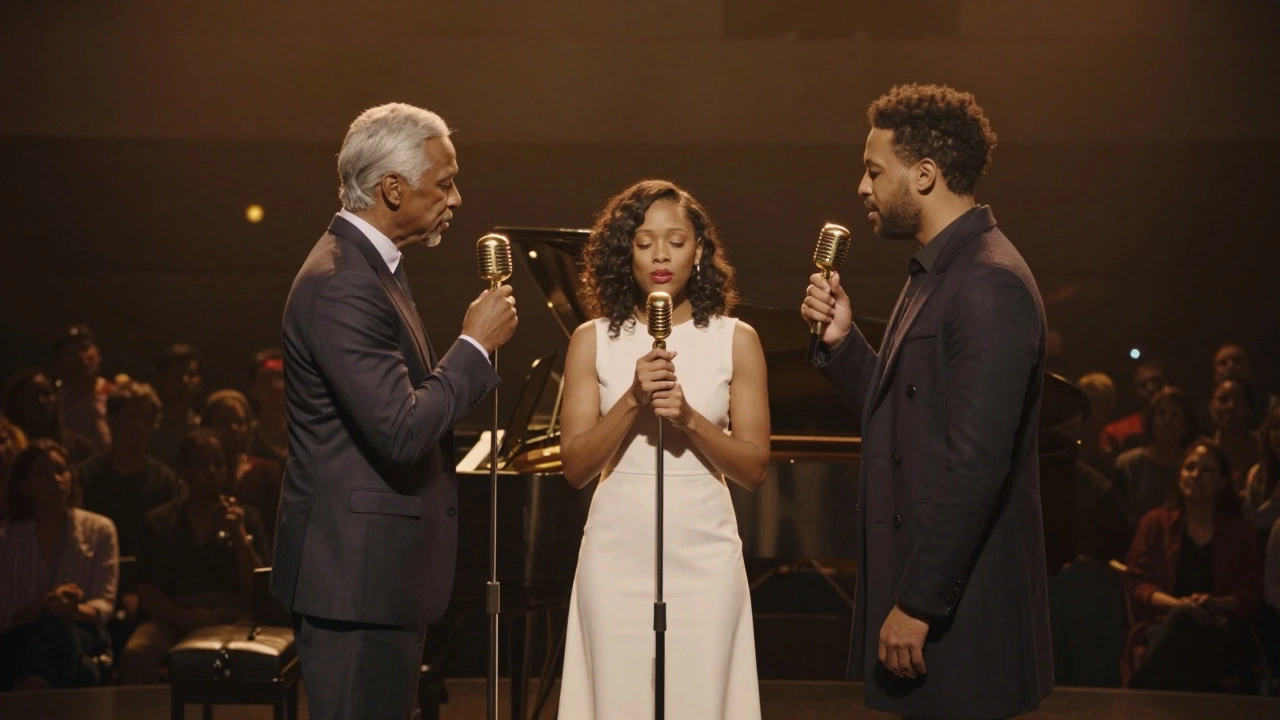
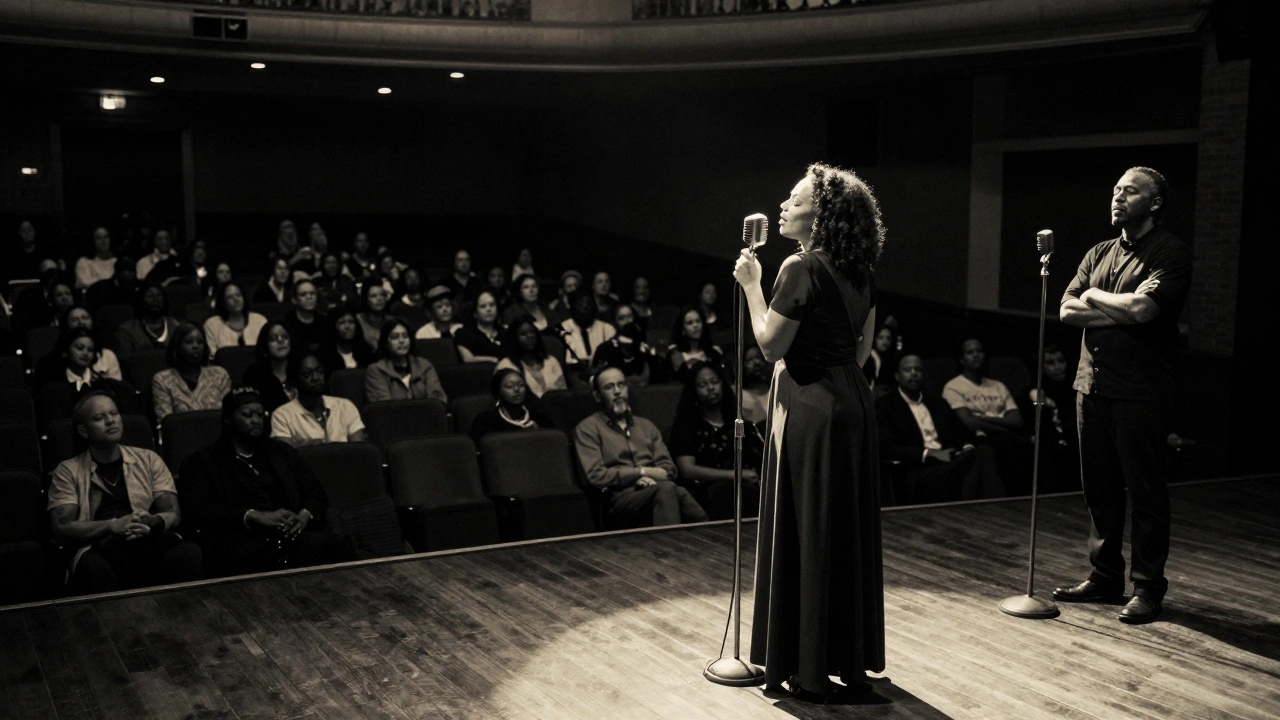
When you hear Ronnie Laws’ voice on Always There, you’re hearing the smooth soul of the 1970s. When Avant’s Read My Mind comes on, you’re in the early 2000s R&B slow jam era. Now imagine both of them on stage, side by side, with a 28-year-old singer named Alli Starr holding the mic between them. That’s not a fantasy. That’s what happened on the 2025 Legacy & Future tour - and it changed how people think about R&B’s timeline.
Why This Tour Wasn’t Just Another Concert
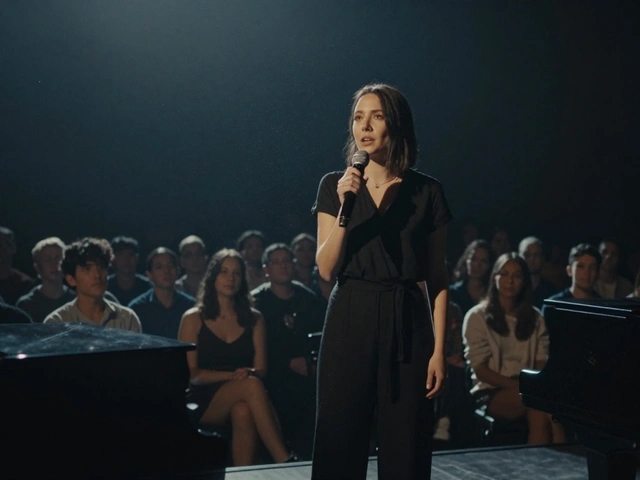
Most tours bring together artists from the same era. Think Beyoncé and Jay-Z. Or Usher and TLC. But this one? It skipped decades. Ronnie Laws, now 72, started in the same studio where Marvin Gaye recorded What’s Going On. Avant, 45, helped define the sound of urban radio after 9/11. Alli Starr? She grew up listening to both on her grandmother’s vinyl player in Atlanta, then taught herself to sing using YouTube tutorials from 2015. She didn’t just open for them - she held the space between them.There’s a myth that R&B is fading. That younger fans don’t care about the classics. But when Alli sang Forever - a song Ronnie wrote in 1977 - and then passed the mic to Avant for Separated, the crowd didn’t split. The 60-year-olds swayed. The 20-year-olds snapped their fingers. No one left early. No one checked their phones.
How Alli Starr Learned to Speak Both Languages
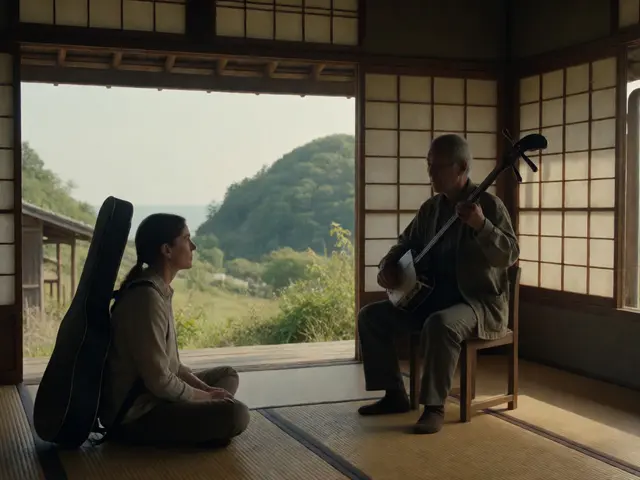
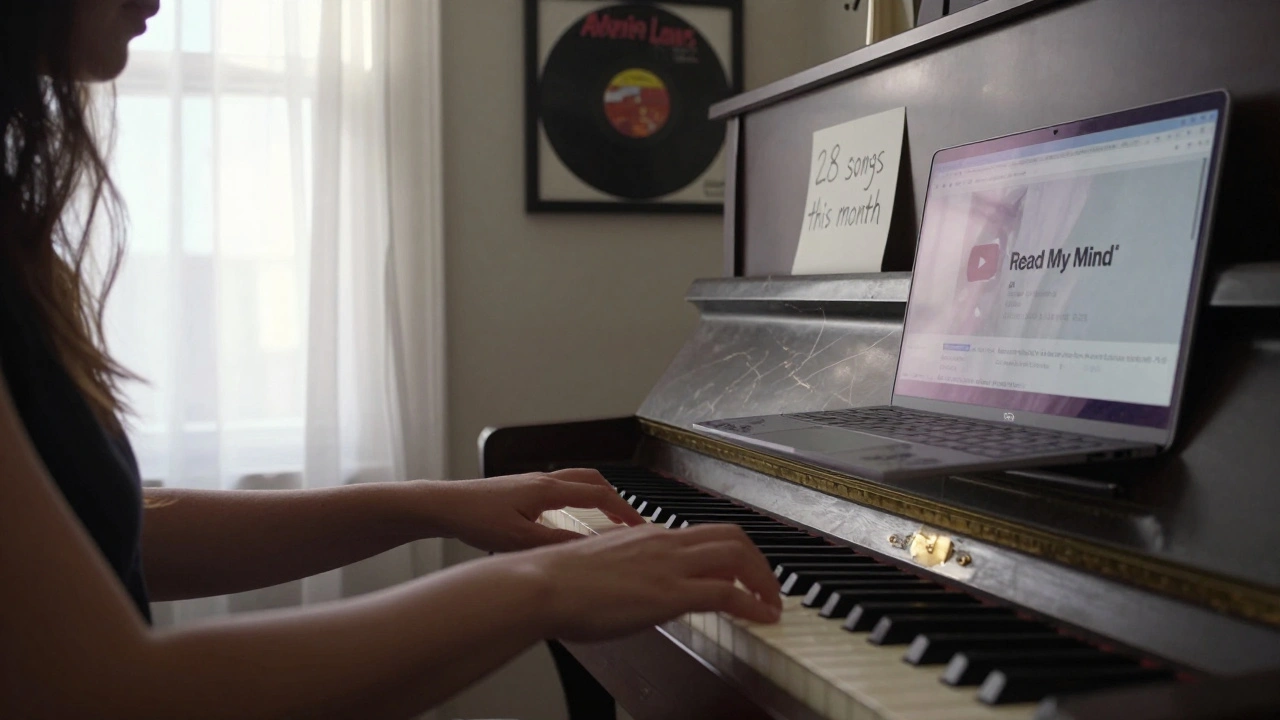
Alli didn’t go to music school. She didn’t have a manager at 16. She worked two part-time jobs, saved $8,000, and bought a used microphone and a laptop. Every night after work, she’d record covers. One month, she did 42 songs - half from Ronnie’s discography, half from Avant’s. She didn’t just mimic. She studied.She noticed Ronnie’s phrasing: how he’d drag a note just a beat past the bar, like he was letting the air catch up. Avant, on the other hand, locked into the pocket. His vibrato was tight, controlled, almost mechanical. Alli learned to switch between them. She could sing Ronnie’s Early in the Morning with that airy, floating feel - then flip into Avant’s Myself with a breathy, close-mic intimacy.
That’s what made her stand out. Not her voice. Not her looks. It was the way she made the past feel immediate. When she sang Ronnie’s Always There with Avant’s harmonies underneath, it didn’t sound like a tribute. It sounded like a conversation.
The Tour That Changed How Labels Think
Before this tour, record companies thought cross-generational acts were risky. Too confusing. Too niche. But the numbers told a different story. The Legacy & Future tour sold out 23 cities in 11 weeks. In Chicago, the median age of the audience? 39. In Houston, 78% of tickets went to people under 30. That’s not nostalgia. That’s discovery.One night in Atlanta, Alli asked Ronnie to tell the crowd how he wrote Forever. He paused. Then he said, “I was 28. I was broke. I was in love. I wrote it on a piano in my cousin’s basement.” Then he looked at Alli. “She’s 28. She’s broke. She’s in love. She’s singing it like I never did.”
Avant stepped in next. “I used to think I was the future. Now I see I’m just the middle.”
That moment went viral. Not because of the words. But because of the truth in them.
What Makes a Bridge Between Generations Work?
It’s not about blending sounds. It’s about honoring space.On stage, Alli never tried to sound like Ronnie. She didn’t try to sound like Avant. She let them do their thing. She waited. She listened. She sang harmony when it mattered. She stepped back when it didn’t. That’s what made the chemistry real.
Think about it: if you’re 17 and you hear a song from 1977, you don’t care about the production. You care about the feeling. Alli didn’t overproduce. She didn’t add autotune or trap beats. She let the emotion breathe. And that’s what connected the dots.
She also didn’t shy away from the hard stuff. In Memphis, she talked about how Ronnie’s music helped her mom through cancer. How Avant’s lyrics got her through her first heartbreak. She didn’t perform those stories. She shared them. And the crowd didn’t clap. They cried.
What’s Next for Alli Starr?
She’s not chasing fame. She’s building a catalog. Her debut album, Between the Notes, drops in April 2026. It has 12 tracks. Four are covers - Always There, Forever, Separated, and Read My Mind. The rest? Originals written in the same spirit: quiet, raw, and rooted in the past but not stuck there.She’s working with producers who’ve worked with both Ronnie and Avant. Not because they’re famous. Because they understand how to make music that doesn’t need to be loud to be felt.
She’s not planning a world tour. She’s planning a series of intimate shows - 200-seat theaters, no opening acts, no lights. Just her, a piano, and stories.
Why This Matters Beyond R&B
This isn’t just about music. It’s about how culture stays alive.We live in a world where everything gets remade, rebooted, or recycled. But most of those attempts feel hollow. Alli didn’t remix Ronnie’s voice. She didn’t sample Avant’s beat. She didn’t use AI to recreate their tones. She learned their language. She carried it forward. And in doing so, she gave younger fans a reason to care about the old songs.
That’s rare. And it’s powerful.
There’s a moment on the tour DVD - the one filmed in New Orleans - where Alli sings Forever alone. Ronnie watches from the side, eyes closed. Avant stands behind her, holding a mic stand like he’s guarding a secret. The camera lingers on her hands. They’re shaking. Not from nerves. From feeling.
That’s the bridge. Not the notes. Not the voices. The feeling.
Who is Alli Starr, and why is she important in modern R&B?
Alli Starr is a 28-year-old R&B singer from Atlanta who gained attention for touring with legendary artists Ronnie Laws and Avant in 2025. She’s important because she bridges generational gaps in R&B by authentically honoring classic soul while making it feel fresh to younger audiences. Unlike many artists who rely on production tricks, she focuses on emotional delivery, vocal nuance, and storytelling - qualities that connect listeners across decades.
How did Alli Starr learn to sing in the styles of Ronnie Laws and Avant?
Alli didn’t take formal lessons. She spent years listening to recordings, analyzing phrasing, and recording covers every night after work. She studied Ronnie’s airy, delayed phrasing and Avant’s tight, breathy control. She didn’t imitate - she internalized. She learned to switch between their styles naturally, using tone, timing, and dynamics to reflect each artist’s emotional approach. Her breakthrough came when she realized the connection wasn’t in the technique, but in the vulnerability behind the music.
What made the Legacy & Future tour successful with younger audiences?
The tour succeeded because it didn’t feel like a nostalgia act. Alli Starr’s presence made the music feel current. She shared personal stories about how Ronnie’s and Avant’s songs helped her through hard times, which made the classics feel personal. Her original songs, written in the same emotional language, helped younger fans see the lineage - not as history, but as living expression. The median age of attendees was 39, and 78% of tickets in Houston went to people under 30 - proving that authenticity trumps trends.
Did Alli Starr use AI or modern production to recreate classic R&B sounds?
No. Alli avoided AI, autotune, and modern production tricks. She used live instrumentation, minimal effects, and focused on raw vocal delivery. Her debut album, Between the Notes, features analog-style recordings, real piano, and unedited takes. Her goal wasn’t to make old songs sound new - it was to show that timeless emotion doesn’t need a remix.
What’s the significance of Ronnie Laws and Avant performing together?
Ronnie Laws represents the golden era of soul-jazz R&B from the 1970s, known for smooth, horn-driven melodies and emotional depth. Avant defined the 2000s urban R&B sound - intimate, slow-burning, and radio-ready. Their collaboration - with Alli as the connective thread - showed that R&B’s evolution isn’t a replacement. It’s a conversation. Their joint performances proved that emotional truth in music transcends time, and that younger artists can carry forward legacy without copying it.