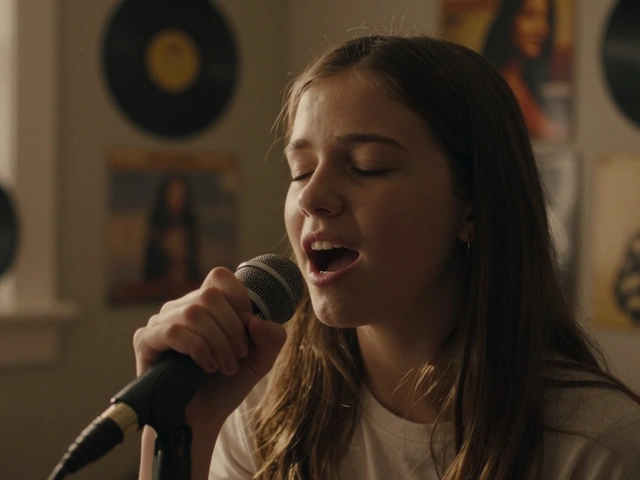
Most people think of songwriting as a way to celebrate love, freedom, or rebellion. But for Alli Starr, it’s something quieter-something deeper. She writes songs about death. Not the dramatic kind you see in movies, but the real, messy, tender moments right after someone takes their last breath. And she doesn’t write from imagination. She writes from experience. Alli worked as a mortuary technician for over a decade before she picked up a guitar seriously. That’s not a career shift. That’s a perspective shift.
What Happens After the Last Breath
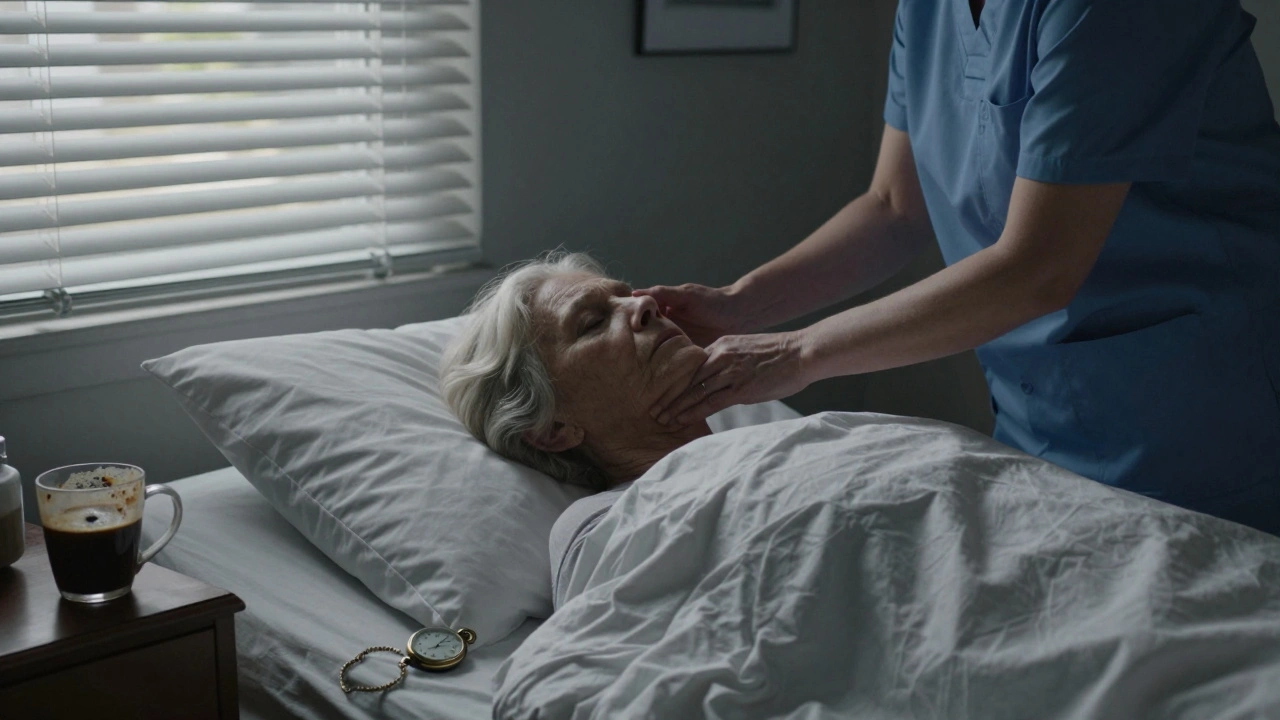
When a body arrives at the mortuary, the paperwork starts. The time of death. The cause. The next of kin. But what no one writes down is what happens in the quiet hour after the lights go off and the machines stop beeping. Alli saw it every day: a daughter smoothing her mother’s hair one last time. A husband whispering apologies into the stillness. A child holding a stuffed animal next to a cold hand. These weren’t scenes from a tragedy. They were acts of love, raw and unfiltered.
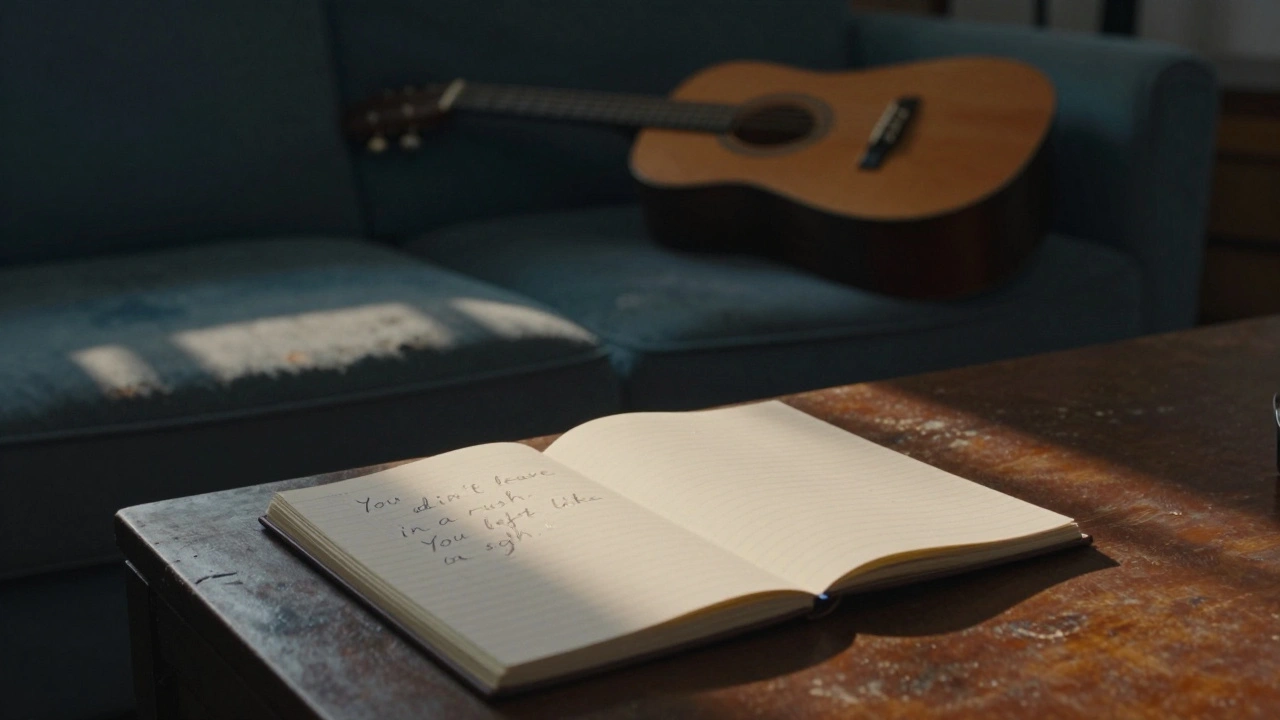
She didn’t talk about it at first. Not even to her friends. But the weight of it didn’t fade. It settled into her bones. So one night, after a long shift, she sat on her couch with a cheap acoustic guitar and played a single chord. Then another. And then, without thinking, she sang: "You didn’t leave in a rush. You left like a sigh. Like the last page of a book you didn’t want to finish."
That song became "Sigh." It’s now the opening track of her album After the Last Light. No drums. No strings. Just her voice and a fingerpicked melody. It’s not a song meant to make you cry. It’s meant to make you remember.
Why Mortuary Science Changes How You Hear Music
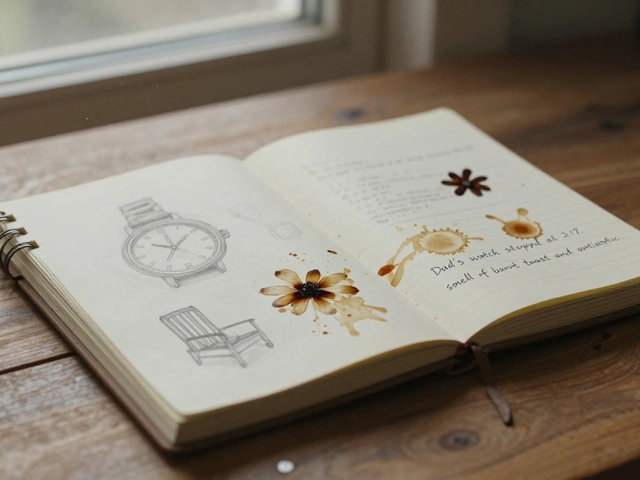
Most musicians talk about inspiration. Alli talks about observation. She learned early that death doesn’t come with fanfare. It comes with hospital blankets folded just so. With a watch stopped at 3:17 a.m. With a half-finished cup of coffee on the nightstand. These details became her lyrics.
Her song "The Watch" tells the story of a man who died holding his grandfather’s pocket watch. The watch had stopped the moment he did. Alli didn’t invent that story. She saw it happen. Twice. She was the one who gently placed the watch in a small velvet pouch before handing it to the family. The family didn’t know she was listening. But she was. And she wrote it down.
Her songs don’t romanticize death. They honor its stillness. There’s no mention of angels, no heavenly choirs. Just the sound of a refrigerator humming in an empty kitchen. The creak of a floorboard when someone walks in to turn off the TV. The way a blanket slips off a shoulder when no one’s there to tuck it back in.
These aren’t metaphors. They’re memories. And that’s what makes her music different. Most artists write about loss after it happens. Alli writes about it as it’s unfolding-in the room, in the silence, in the hands that still reach for something that’s gone.
How Grief Becomes a Chord Progression
There’s a myth that grief has stages. Denial. Anger. Bargaining. Depression. Acceptance. Alli doesn’t believe in stages. She believes in rhythms.
She noticed that families who sat with their dead for hours-just sitting, not crying, not talking-often left with a quiet peace. The ones who rushed to clean the room, to throw things away, to say "it’s time to move on"-they carried the weight longer. She started thinking about music the same way.
Her songs are built on slow, unresolved progressions. Minor chords that don’t resolve to major. Melodies that pause, then return. Like the way a breath catches before it lets go. She learned this from watching people breathe in the presence of death. Not the gasping kind. The kind that slows. The kind that lingers.
"I don’t write songs to fix grief," she says. "I write them to hold space for it. A song doesn’t need to be pretty to be true. Sometimes, the most healing thing is to hear your pain reflected in a note that doesn’t try to fix it."
The Unseen Audience
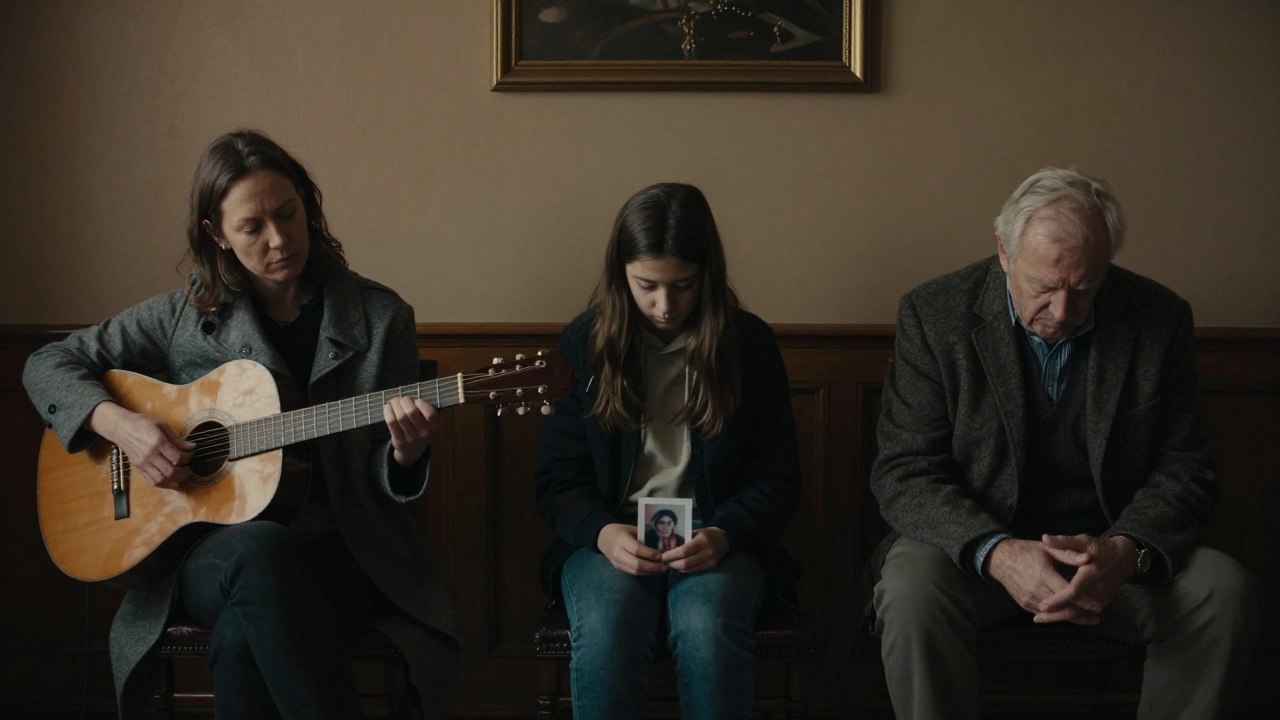
Alli doesn’t perform in big venues. She plays in hospice waiting rooms. In funeral homes after services. In small community centers where people gather to remember. Her audiences aren’t crowds. They’re individuals. A widow in a gray coat. A teenager clutching a photo. A man who just buried his wife of 52 years.
She doesn’t introduce songs. She doesn’t tell stories between sets. She just plays. And when she finishes, she leaves the room. No autographs. No selfies. No thank-yous. She says the music is for the ones who can’t speak anymore. The ones who didn’t get to say goodbye.
She’s never had a viral hit. No radio play. No record deal. But she’s had letters. Dozens of them. One read: "I played your song "The Blanket" the night after my dad passed. I didn’t cry. I just sat there. And for the first time since he died, I didn’t feel alone."
Why This Isn’t Just a Music Story
Alli’s work blurs the line between art and service. She doesn’t see herself as a musician who used to work in a mortuary. She sees herself as someone who learned how to listen-and then learned how to sing what she heard.
Her songs aren’t about death. They’re about what death reveals. The way love doesn’t end when a body stops breathing. The way silence can be louder than any orchestra. The way a single moment-holding a hand, folding a shirt, turning off a light-can hold more meaning than a lifetime of words.
There’s a growing movement in the arts now called "death-positive creativity." It’s about making space for mortality in culture, not hiding it. Alli didn’t start the movement. But she’s one of its quietest, most powerful voices. She doesn’t need to shout. Her songs do it for her.
What You Can Learn from Her
You don’t have to work in a mortuary to understand what Alli sings about. You just have to be willing to notice.
- Death doesn’t ask for permission. It shows up in the middle of ordinary days.
- Grief doesn’t follow a timeline. Sometimes it shows up years later, in the smell of a familiar perfume.
- Art doesn’t have to be loud to matter. Sometimes the quietest things are the ones that last.
- Listening to pain-real, unedited pain-is the first step to creating something true.
Maybe you’ve held someone’s hand as they slipped away. Maybe you’ve sat in a hospital room and just waited. Maybe you’ve looked at an empty chair and wondered how something so big could vanish so quietly. Alli’s music is for you. Not because it’s sad. But because it’s honest.
She doesn’t write songs to make death less scary. She writes them to make it less lonely.