Building a legacy brand in R&B isn’t about one hit song or a viral moment. It’s about showing up, consistently, for decades - with authenticity, vision, and deep roots in the culture. Alli Starr didn’t become a household name overnight. She didn’t chase trends. She built something that outlasted them. Her story isn’t just about music. It’s about how a true artist crafts an identity that doesn’t fade when the spotlight moves on.
Start with Your Sound, Not Your Image
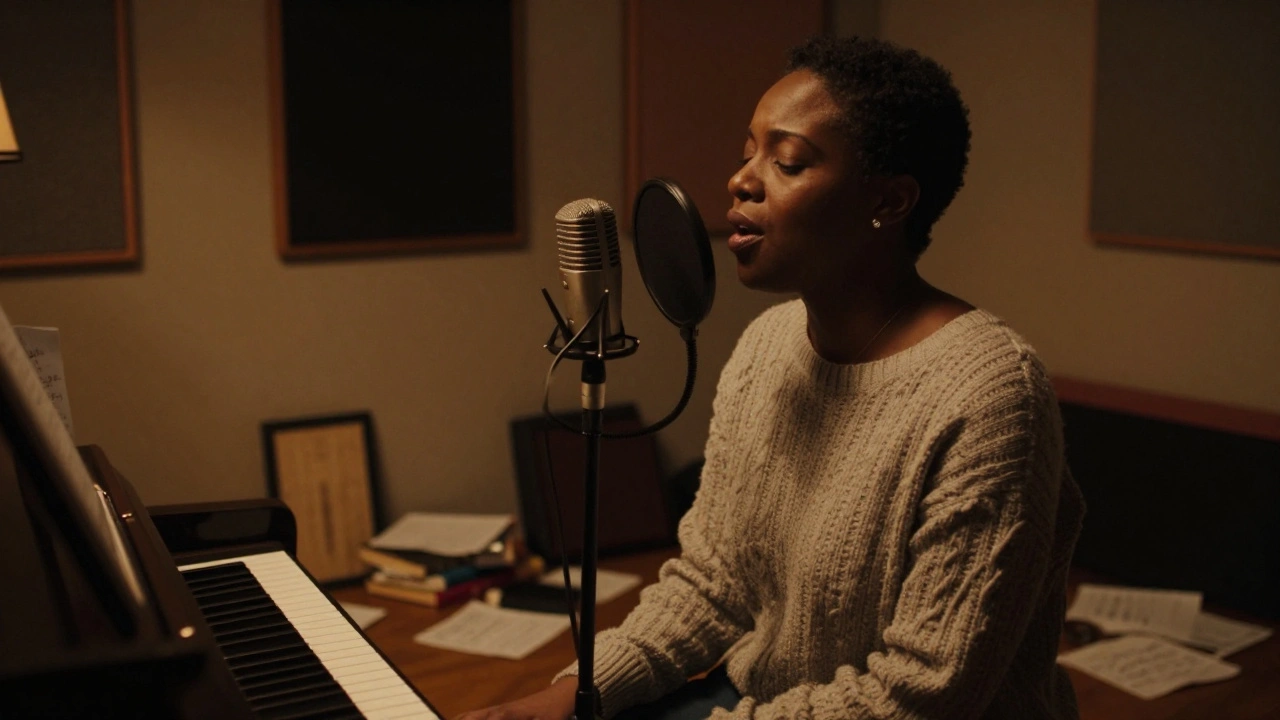
Too many artists think branding means logos, filters, and Instagram aesthetics. Alli Starr knew better. Before she had a manager, before she had a label, she spent three years in a small studio in Atlanta, recording nothing but raw vocals and live piano. No auto-tune. No beats from producers she didn’t trust. She asked herself one question: What does my voice sound like when no one’s watching?
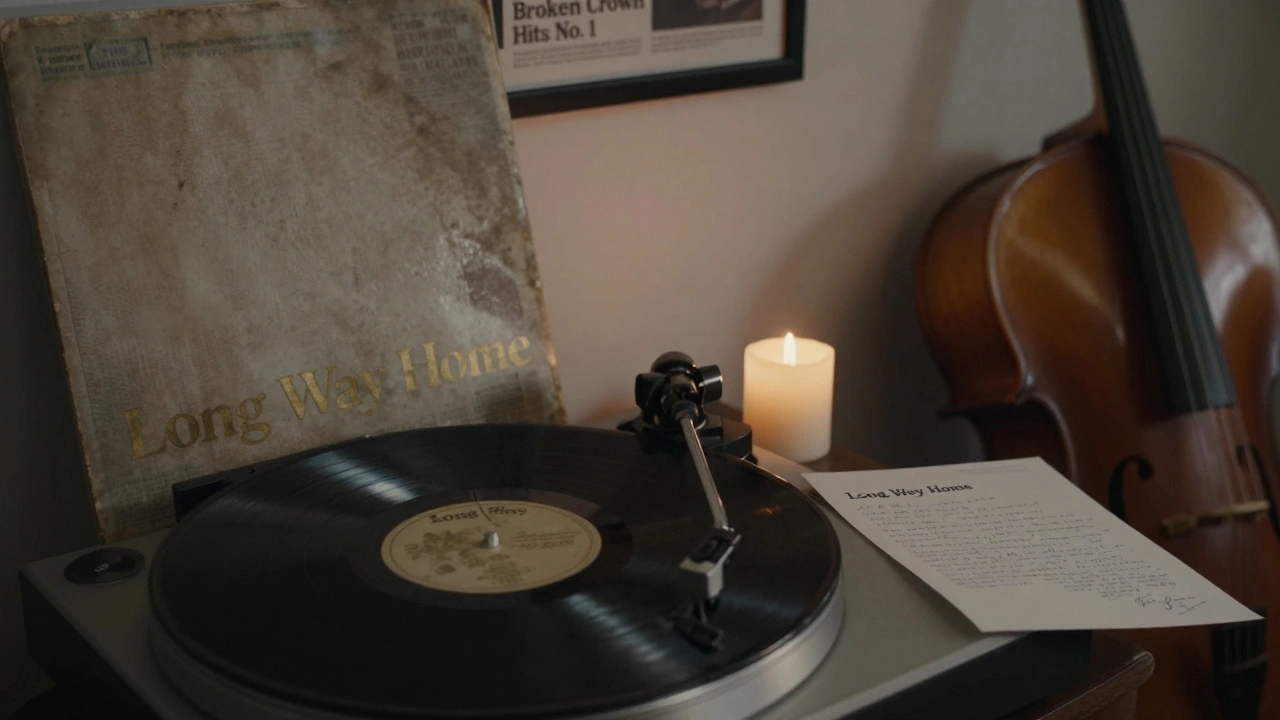
That’s how she found her sound - a blend of classic soul, modern groove, and the quiet confidence of someone who’s lived through heartbreak and healing. Her debut album, Long Way Home, didn’t chart at first. But the people who heard it? They kept coming back. Not because it was trendy. Because it felt real. Legacy brands in R&B are built on sonic signature, not viral hooks.
Own Your Story - Even the Messy Parts
Alli didn’t hide her past. She was open about growing up in foster care, about losing her voice for six months after vocal cord surgery at 24, about the years she worked two jobs just to afford studio time. She didn’t make it into a sob story. She made it into part of her art.
Her 2020 single, Broken Crown, was a turning point. The lyrics didn’t sugarcoat pain. The production was minimal - just her voice, a cello, and a heartbeat-like kick. It hit Number 1 on Billboard’s Adult R&B chart. Why? Because listeners felt like she was singing their story. Legacy artists don’t just perform. They reflect. They become mirrors for their audience’s emotions.
Build Relationships, Not Just Followers
Alli has 1.2 million followers on Instagram. But she doesn’t post daily. She doesn’t do giveaways. She doesn’t post selfies with celebrities. Instead, she releases one short video every month - no editing, no filters - where she talks to fans about a song, a memory, or a question they sent her.
She once spent two hours on a live stream answering questions from a fan in Detroit who’d lost her mother. The video got 800,000 views. Not because it was polished. Because it was human.
Legacy brands in R&B thrive on intimacy, not reach. They’re built on trust that grows over years, not likes. When fans feel like they know the person behind the music, they don’t just stream the song - they defend it. They buy the vinyl. They show up at the small clubs. They tell their kids about it.
Stay True to the Culture - Don’t Just Ride It
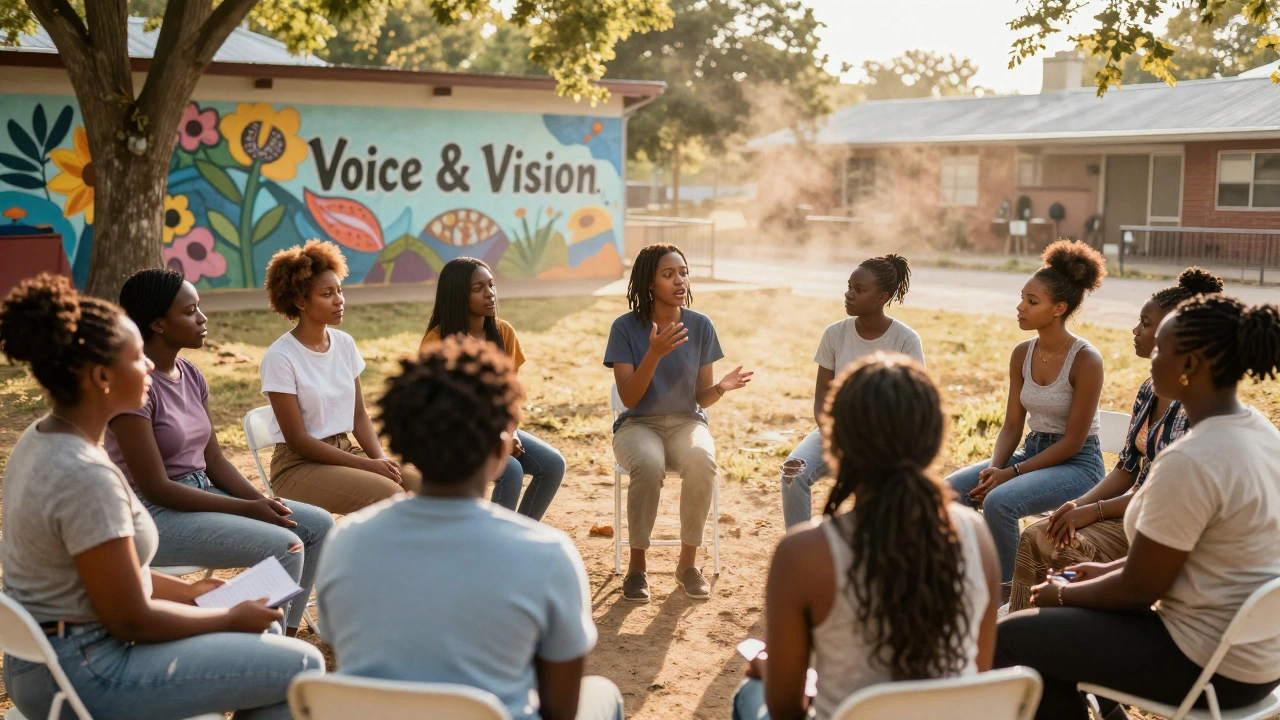
R&B has always been about community. Alli Starr never stopped investing in that. She started a nonprofit in 2018 called Voice & Vision - a free mentorship program for young Black artists in underserved neighborhoods. She teaches vocal technique, songwriting, and how to negotiate contracts. She doesn’t take a cut. She doesn’t promote her own music during sessions.
She’s worked with over 300 artists since then. Many of them now have deals. Some have won Grammys. Alli doesn’t claim credit. She just shows up. And that’s what makes her a pillar in the culture - not because she’s famous, but because she’s rooted.
Let Your Brand Evolve - But Never Lose Its Core
Her first album was slow, jazzy R&B. Her second added hip-hop influences. Her third included spoken word interludes. Her fourth, released in 2024, had electronic textures. But if you listen closely, the throughline is always there: emotional honesty, vocal control, and a deep respect for silence.
She didn’t chase pop. She didn’t try to be like SZA or H.E.R. She let her evolution happen naturally. Her fans followed because they knew the heart hadn’t changed. That’s how you build a legacy - not by staying the same, but by growing in a way that still feels like you.
Legacy Isn’t About Awards - It’s About Influence
Alli Starr has never won a Grammy. She’s been nominated twice. But you’ll find her music in the playlists of artists like Lizzo, Leon Bridges, and H.E.R. They don’t just cover her songs - they cite her as a reason they chose to stay in music when they almost quit.
Legacy isn’t measured in trophies. It’s measured in the artists you inspire, the fans you hold space for, and the sound you leave behind that others try to copy - and can’t quite replicate.
What You Can Steal From Alli Starr’s Plan
- Develop a sonic fingerprint - something only you can do. Test it by removing your name. If it still sounds like you, you’ve got it.
- Share your story with honesty, not drama. People connect with vulnerability, not perfection.
- Engage deeply with a small group of fans. 1,000 true fans are worth more than 100,000 passive ones.
- Invest in your community. Give back without expecting a return. It builds loyalty no marketing can buy.
- Let your music grow. But never let your values shift. Your core is your anchor.
Building a legacy brand in R&B takes patience. It takes courage. It takes showing up even when no one’s watching. Alli Starr didn’t plan to be iconic. She just kept doing the work. And that’s how legacies are made - one honest note at a time.
Can you build a legacy brand in R&B without a record label?
Yes - and many of today’s most respected R&B artists did. Alli Starr released her first three albums independently. Labels can help with distribution and promotion, but they don’t build legacy. Artists do - through consistency, authenticity, and deep connection with their audience. If you’re willing to handle your own marketing, manage your finances, and stay true to your sound, you can build a lasting brand without a label.
How long does it take to build a legacy brand in R&B?
There’s no set timeline, but most legacy artists spend at least 7-10 years building their foundation. Alli Starr’s first album came out in 2013. Her cultural impact didn’t peak until 2021 - eight years later. Legacy isn’t about speed. It’s about staying power. It’s about being relevant when trends change, not when they start.
Is social media necessary for building an R&B legacy brand?
Not in the way most people think. Alli Starr uses social media as a tool for connection, not promotion. She doesn’t post daily. She doesn’t chase trends. She shares moments that reflect her values. If you’re only using social media to get views, you’re missing the point. Legacy brands use platforms to deepen relationships - not to sell.
What’s the biggest mistake artists make when trying to build a legacy?
Trying to be everything to everyone. Many artists change their sound to match what’s trending, chase viral challenges, or act like someone else to get attention. Legacy isn’t built by imitation. It’s built by being unmistakably you. The moment you try to please a crowd instead of honoring your truth, you stop becoming a legacy - and start becoming a footnote.
Does age matter when building a legacy brand in R&B?
No. Alli Starr was 34 when her first major hit came out. She’s now 41 and still releasing music that charts. R&B has always celebrated maturity - think Aretha Franklin, Marvin Gaye, or Luther Vandross. Your voice deepens. Your stories get richer. Your emotional depth grows. That’s not a disadvantage - it’s your greatest asset.