Most songwriters stick to one lane. They write heartbreak ballads, or dance tracks, or folk stories - and they stay there. But Alli Starr doesn’t play by those rules. Her music swings from bass-thumping club bangers to quiet, tear-stained piano ballads, and it all feels real. Not forced. Not trying to be everything. Just honest.
How a Club Track Became a Breakthrough
Two years ago, Alli dropped Neon Pulse, a track built on a four-on-the-floor beat and a synth line that felt like a heartbeat in a crowded room. It wasn’t meant to be deep. It was meant to make people move. And it did - climbing to #12 on the Dance Club Charts. But what no one expected was the bridge. Halfway through, the beat dropped out. Alli’s voice, raw and barely above a whisper, sang: "I didn’t lose you in the dark - I lost you in the noise." That line went viral. People started covering it on acoustic guitars. Strangers messaged her saying it helped them through breakups.
That’s when she realized: the same voice that screamed into a mic at 2 a.m. could also hold silence like a promise.
The Ballad That Wasn’t Supposed to Exist
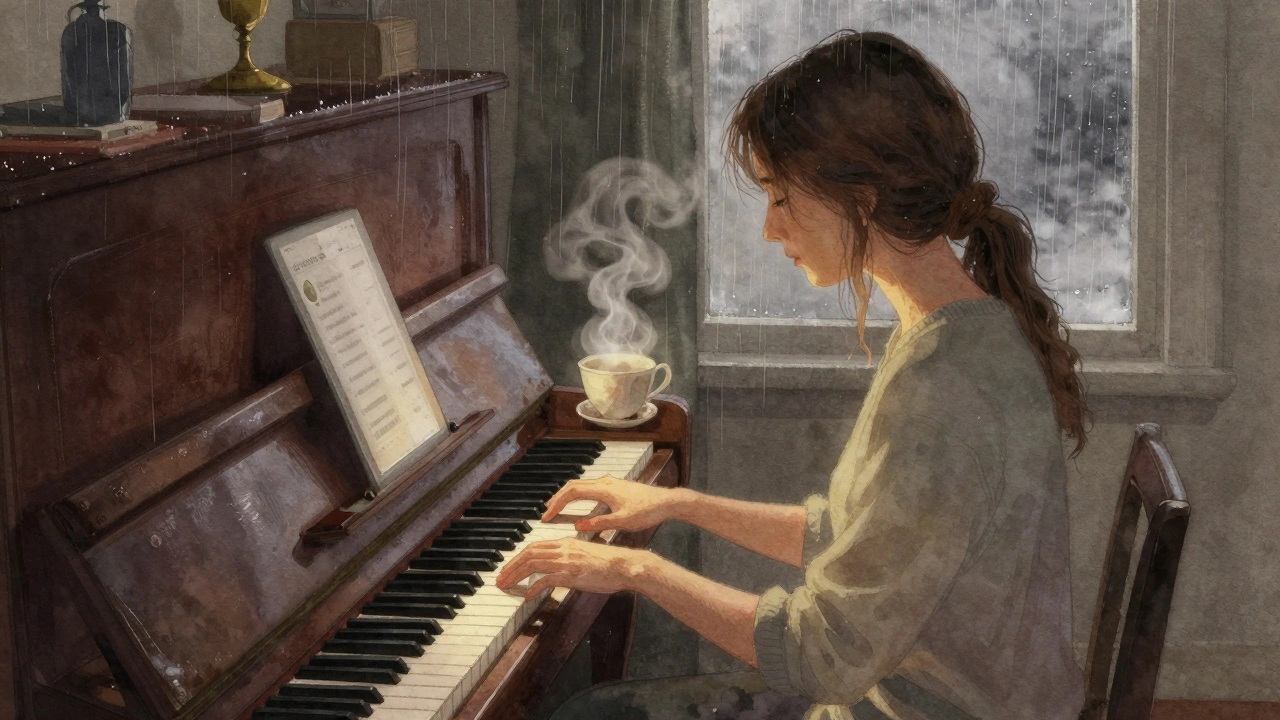
She wrote October Light on a rainy afternoon in her Portland apartment. No producer. No band. Just a worn-out upright piano and a voice memo app. The lyrics came from a journal entry she’d written after visiting her grandmother’s empty house. The melody? She hummed it while making tea. It took her three tries to record it without crying.
She almost didn’t release it. Thought it was too soft. Too quiet. Too... vulnerable. But her manager convinced her to put it on the deluxe edition of her last album. Within three weeks, it hit the Top 40. Billboard called it "a masterclass in restraint." Critics noted how every note felt like a breath held too long - and then released.
That song didn’t just chart. It changed how people saw her. No longer just the artist who made you dance. But the one who made you feel seen.
What Makes Her Range Work
It’s not that Alli can sing in different styles. Plenty of singers can. It’s that she lives in each one. When she’s writing a club track, she’s thinking about the sweat on skin, the way bass vibrates in your chest, the loneliness hiding under the lights. When she writes a ballad, she’s thinking about silence - how it feels after the last laugh, after the last text, after the last goodbye.
She doesn’t switch genres. She switches moods. And she lets the music follow.
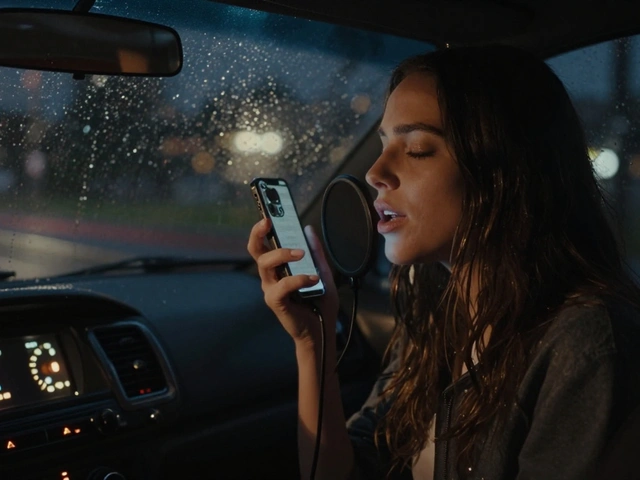
Her production process reflects this. For club songs, she works with beatmakers in L.A. - late nights, loud speakers, endless takes. For ballads, she records alone in her studio with a single microphone, no headphones, no edits. She leaves in the coughs. The sighs. The breaths between words.
That’s why her ballads sound like confessions. And why her club tracks sound like parties you wish you’d been to.
The Bridge Between Worlds
Her latest single, Same Room, Different Nights, is the perfect example. It starts as a slow piano ballad - just voice and keys. Then, at 2:17, a subtle kick drum enters. Then a bassline. Then a shimmering synth. By the final chorus, it’s a full dancefloor anthem. But the lyrics? Still the same. Still quiet. Still hurting.
"I danced with you in the dark, now I dance alone with the echo."
That song didn’t just blend styles. It broke the idea that songs have to be one thing. It proved you can be loud and tender at the same time. That grief can have a beat. That joy can carry weight.
Why Her Songwriting Stands Out
Most songwriters build a brand. Alli builds a world. And in that world, sadness and celebration aren’t opposites - they’re neighbors.
She doesn’t write for radio. She writes for people who’ve danced until their feet bled, then sat alone in the car afterward, staring at the dashboard light, wondering if they’re okay.
Her songs don’t fit neatly into playlists. That’s why they stick.

What You Can Learn From Her Approach
If you’re a songwriter stuck in one style, here’s what Alli’s journey teaches:
- Don’t fear contrast. The most powerful songs often live at the edge of two emotions.
- Let your environment shape your sound. A rainy day isn’t just weather - it’s a mood generator.
- Record your quiet moments like they matter. They do.
- Don’t edit out the human stuff - the breaths, the cracks, the silence. That’s where truth lives.
- Your range isn’t a weakness. It’s your fingerprint.
You don’t have to be a pop star to use this. Try writing one song in a style you’d never touch. A country ballad if you’re a metalhead. A techno track if you only write acoustic. Don’t worry about making it perfect. Just make it real.
What’s Next for Alli Starr?
She’s working on an album called Double Exposure. Each track has two versions - one club-ready, one stripped-down. She’s releasing them side by side. No singles. No edits. Just two ways to hear the same story.
It’s risky. Unusual. But not surprising.
Alli never cared about fitting in. She cared about being felt.