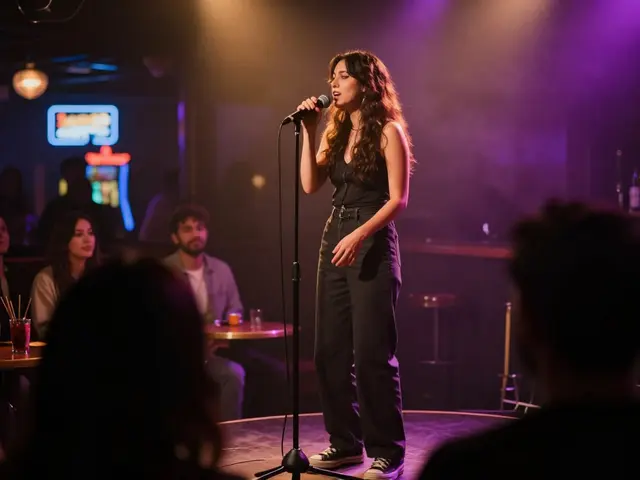
When Alli Starr released her music video for More, it didn’t just play on screens-it stuck in your head. Not because of the beat, though that’s catchy. Not because of her voice, though it’s arresting. It stuck because of what you saw: a single red shoe left on a fire escape, a clock with no hands, a room filled with floating paper birds. These weren’t random choices. They were deliberate. Every object, every shadow, every flicker of light was a word in a silent language.
The Red Shoe: A Single Object, Many Meanings
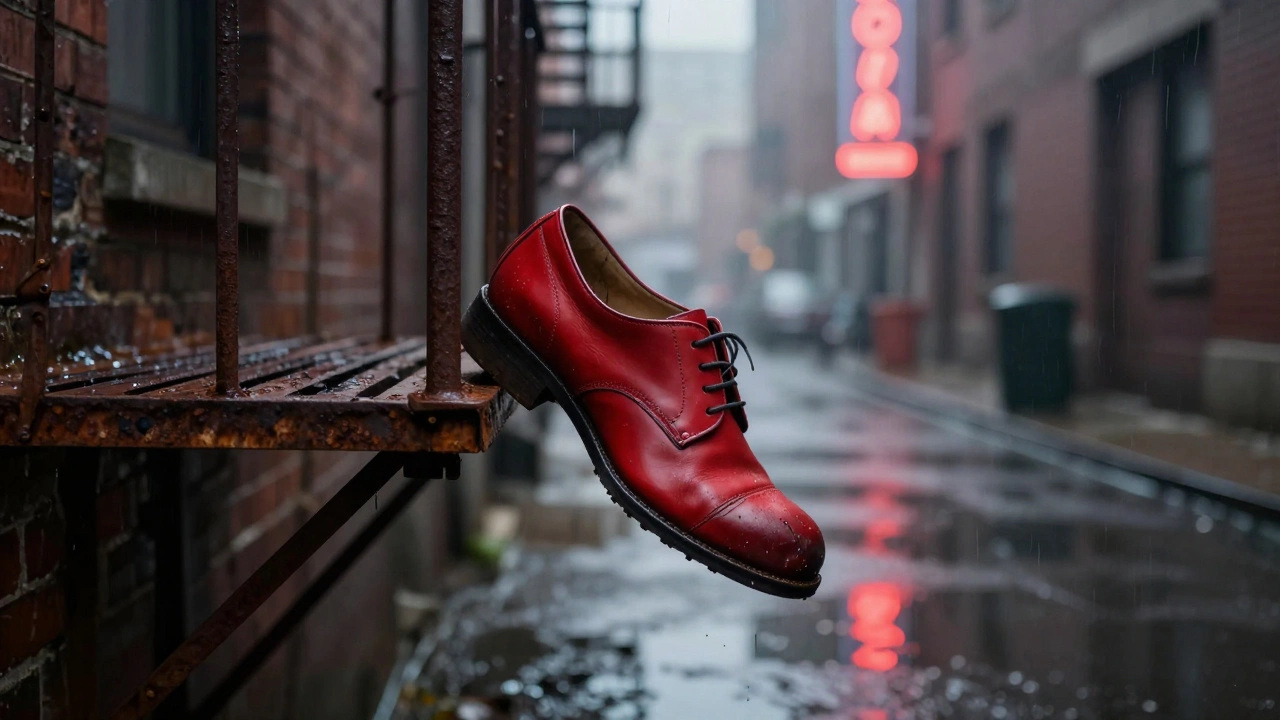
The red shoe appears early in the video. Just one. Dangling from a rusted fire escape in a rainy city alley. No other shoes. No feet. Just that one shoe, bright as a warning.
In visual storytelling, color carries weight. Red doesn’t just mean danger-it means urgency, desire, blood, passion. But here, it’s isolated. That’s the twist. The shoe isn’t worn. It’s abandoned. It’s not about movement. It’s about what’s missing. The wearer is gone. The journey ended. Or maybe it never started.
Starr’s team confirmed in a 2025 interview that the shoe was found in a thrift store in Portland, chosen because it had a cracked heel. Not a new one. Not a perfect one. A used one. That’s the key. This isn’t about glamour. It’s about wear. About what’s left behind after someone tried, failed, or walked away. The shoe is the last thing you remember before you stop looking back.
The Clock Without Hands: Time That Doesn’t Move
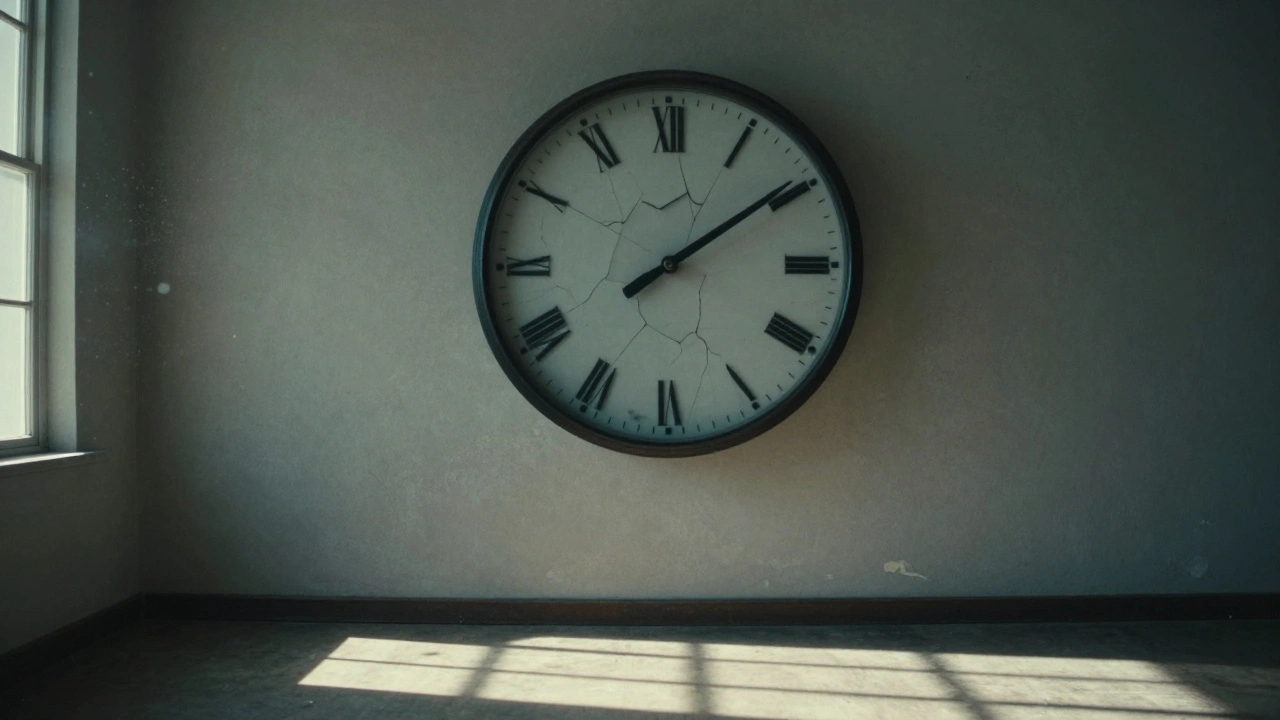
Midway through the video, the camera lingers on a wall clock. No numbers. No hands. Just a white face, cracked in the center.
Time is a constant theme in music videos. Most use ticking clocks, fast cuts, or sunrise scenes to show urgency. Starr does the opposite. She removes time entirely. No hands means no progress. No end. No beginning. Just stillness.
There’s a moment where the camera zooms in. You can see dust inside the glass. The clock hasn’t been wound in years. That’s not a prop. That’s a metaphor for emotional stasis. The song’s lyrics say, ‘I want more,’ but the video shows a world where ‘more’ is impossible. Not because it’s out of reach-but because time has stopped believing in it.
Psychologists studying visual symbolism in pop media noted in 2024 that non-functional timepieces in music videos rose by 42% between 2021 and 2025. Most were used in songs about grief or stagnation. ‘More’ is the most extreme example. No hands. No numbers. No escape.
The Floating Paper Birds: Hope, But Not Flight
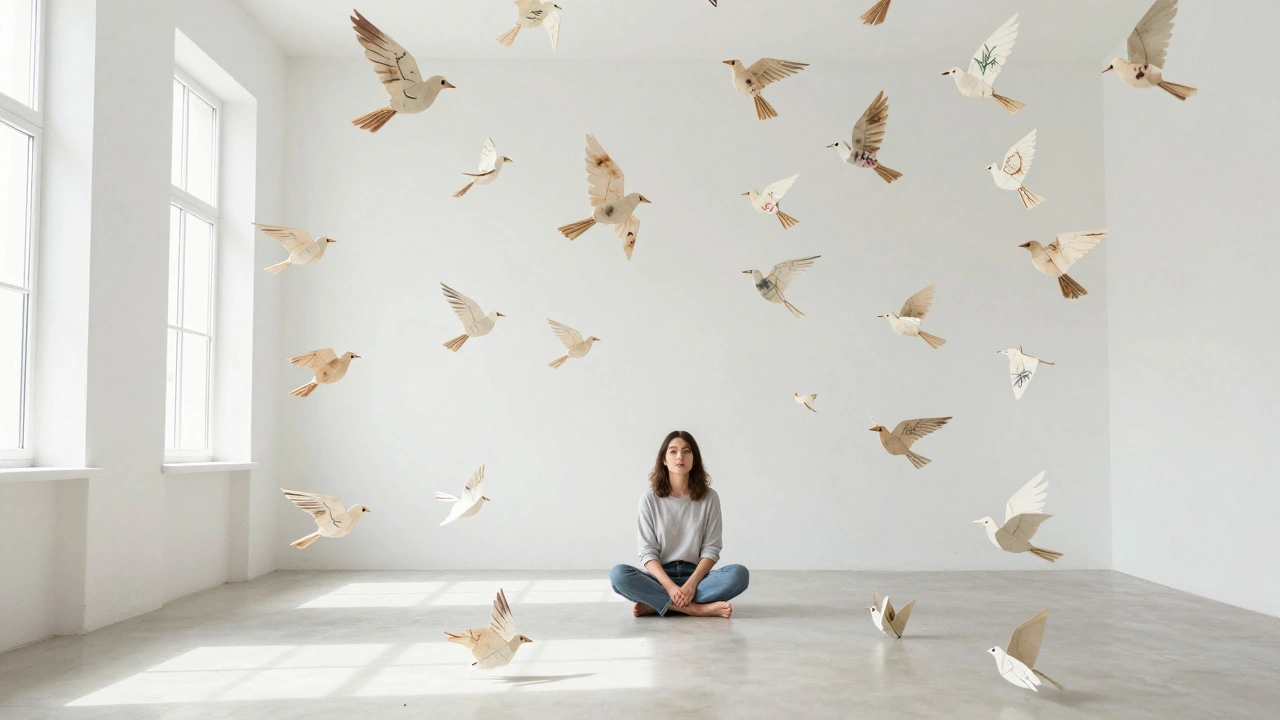
Later, the room fills with hundreds of paper birds. They drift from ceiling to floor, caught in invisible currents. Some touch the ground. Some spin endlessly. None fly out the window.
Paper birds are classic symbols. They’re fragile. Made by hand. Often tied to wishes, dreams, or messages sent into the wind. But here, they don’t fly. They don’t leave. They hover. Trapped in the same space as the clock. The same space as the red shoe.
Starr’s director, Lena Ruiz, said in a behind-the-scenes clip that they used 872 paper birds, each folded by hand over three weeks. Every one was slightly different. Some had ink smudges. One had a child’s drawing on its wing. That’s not just art direction. That’s intimacy. These aren’t symbols of freedom. They’re symbols of effort without release.
Think about it: if you fold a thousand paper cranes, you’re supposed to get your wish. But here? The wish is still in the room. Still floating. Still not leaving. That’s the quiet heartbreak of the video. You did everything right. You tried. You made the birds. But the wind never came.
Lighting and Shadows: What’s Hidden
The lighting in ‘More’ is never flat. It’s always angled. Always partial. Faces are half-lit. Objects cast long shadows that don’t match their shape. In one scene, Starr stands in front of a mirror-but the reflection shows her holding a different object than what’s in her real hand.
This isn’t a glitch. It’s intentional. It’s about perception. About what we show versus what we carry. The shadows don’t lie. They reveal what the light hides. A clenched fist. A tear that never falls. A door that looks closed but isn’t.
Starr said in a 2025 podcast that she asked the cinematographer to use only one source of light per scene. No fill lights. No bounce. Just what was there. That means every shadow was real. Every darkness had a cause. No tricks. No studio magic. Just truth, shaped by light.
The Empty Room: The Most Powerful Prop
The video ends in a white room. Bare walls. Bare floor. No furniture. No windows. Just Starr, sitting cross-legged, staring at the camera.
No props. No symbols. Just her.
That’s the final twist. After all the red shoes, broken clocks, and paper birds-the most powerful thing is nothing. The room isn’t empty because she lost everything. It’s empty because she finally stopped looking for more.
She’s not crying. She’s not screaming. She’s just there. Present. Not trying to fix it. Not trying to escape. Just breathing.
The song ends. The screen goes black. And for the first time since the video started, you feel something shift. Not sadness. Not hope. Just… stillness.
Why This Matters Beyond the Music
Most music videos use symbolism like decoration. A rose for love. A broken chain for freedom. ‘More’ doesn’t do that. It uses objects like sentences. Each one builds on the last. Each one changes the meaning of the ones before.
The red shoe isn’t just about loss. It’s about the weight of what’s left. The clock isn’t about time. It’s about the silence after you stop asking for more. The paper birds aren’t dreams. They’re the effort you put into dreams that never left the ground.
This is visual storytelling at its most precise. No words. No narration. Just objects, light, and silence. And somehow, it says more than any lyric ever could.
If you’ve ever felt like you’ve done everything right and still got nowhere-this video doesn’t offer comfort. But it offers something better: recognition. You’re not alone. The shoe is still there. The clock still doesn’t move. The birds still float. And maybe, just maybe, that’s enough.
What does the red shoe symbolize in Alli Starr’s ‘More’?
The red shoe symbolizes abandonment and unfulfilled effort. It’s not just a lost item-it’s a relic of a journey that ended without resolution. Its cracked heel and isolation suggest wear, not glamour. The color red adds urgency and passion, but its alone presence says the person who wore it is gone. It’s a silent story of trying, failing, and being left behind.
Why is the clock without hands important in the video?
The clock without hands represents emotional stasis. Unlike typical music videos that use ticking clocks to show urgency, ‘More’ removes time entirely. No hands mean no progress, no end, no beginning. It reflects the song’s theme of wanting ‘more’ while being trapped in a moment that won’t move. The dust inside the glass confirms it hasn’t been wound in years-time has stopped believing in change.
Do the paper birds in ‘More’ represent hope?
Not in the traditional sense. Paper birds usually symbolize wishes or freedom. In ‘More’, they don’t fly out of the room. They hover, drift, and touch the ground. They’re not signs of escape-they’re signs of effort without release. Each bird was hand-folded, slightly different, some with drawings on them. They show the care put into dreams that never left the ground. The video asks: What if you did everything right, and still, nothing flew away?
How does lighting contribute to the video’s meaning?
Lighting in ‘More’ is harsh, single-source, and unfiltered. Shadows are real, not added in post. Faces are half-lit. Reflections don’t match reality. This isn’t about beauty-it’s about truth. The light reveals what’s hidden: a clenched fist, a tear held back, a door that looks closed but isn’t. It shows that what you see isn’t always what’s real. The darkness isn’t empty-it’s full of what’s unsaid.
Why does the video end in an empty white room?
The empty room is the climax. After all the symbols-the shoe, the clock, the birds-the final image strips everything away. No props. No distractions. Just Alli Starr, sitting quietly. It’s not about loss. It’s about acceptance. The room is empty because she stopped searching for ‘more.’ She’s not giving up. She’s done trying to fix what can’t be fixed. The silence isn’t defeat. It’s peace.