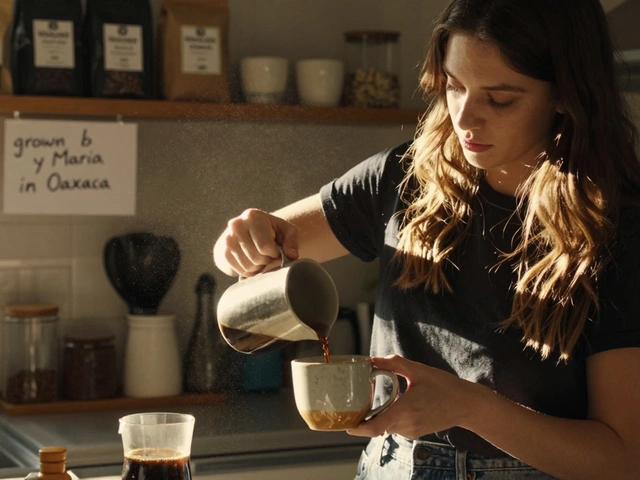
When you think of a high-energy R&B performer, you picture sweat, dancing, screaming vocals, and a stage that looks like a war zone by the end of the show. But Alli Starr doesn’t do that. She doesn’t run the stage. She doesn’t collapse into a chair after the last note. And yet, her audiences leave buzzing like they just witnessed a hurricane of sound. How? She doesn’t burn out. She conserves. She redirects.
She sings from her core, not her lungs
Most singers push air through their throats like they’re inflating a tire. Alli Starr doesn’t. She learned early that vocal strain isn’t a badge of honor-it’s a slow death sentence. Her technique? Resonance. Instead of forcing volume, she uses her chest, skull, and even her nasal cavities as natural amplifiers. It’s not magic. It’s physics. A 2023 study from the Berklee College of Music showed that singers who focus on chest and head resonance reduce vocal fatigue by 68% compared to those who rely on throat tension. Alli’s vocal coach drilled this into her: "Your voice doesn’t need to scream to be heard. It needs to vibrate to be felt."
Her movements are precise, not frantic
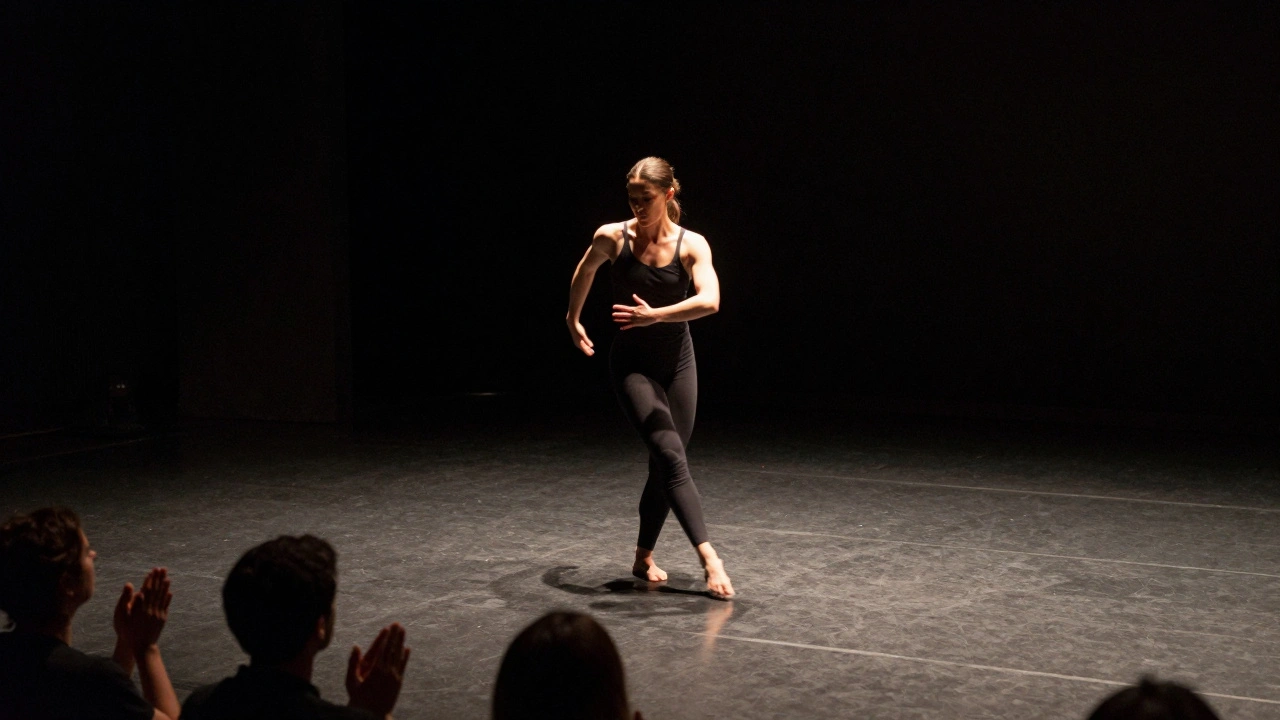
Watch her live. She doesn’t sprint across the stage. She doesn’t spin. She doesn’t leap. She glides. One step forward. One pivot. A slight tilt of the shoulder. Each motion has purpose. She calls it "intentional motion." It’s not about showing off. It’s about channeling energy into something that supports the song, not drains her. Her choreographer, a former dancer with the Alvin Ailey Company, taught her that every gesture should be a breath. A sway isn’t for show-it’s to release tension in her lower back. A hand lift isn’t dramatic-it’s to open her diaphragm. She moves like a martial artist: minimal effort, maximum effect.
She doesn’t perform for the crowd-she performs with them
Most performers treat the audience like spectators. Alli treats them like co-conspirators. She doesn’t shout "Are you ready?!" She pauses. Looks into the first row. Smiles. Lets the silence hang. Then, she sings. That pause? It’s not awkward. It’s strategic. It gives the crowd a chance to lean in. It gives her a chance to reset. She’s learned that connection doesn’t require volume. It requires presence. When she makes eye contact with one person in the crowd, she feels their energy. It doesn’t exhaust her-it fuels her. She calls it "energy recycling."
Her backstage routine is a reset, not a recovery
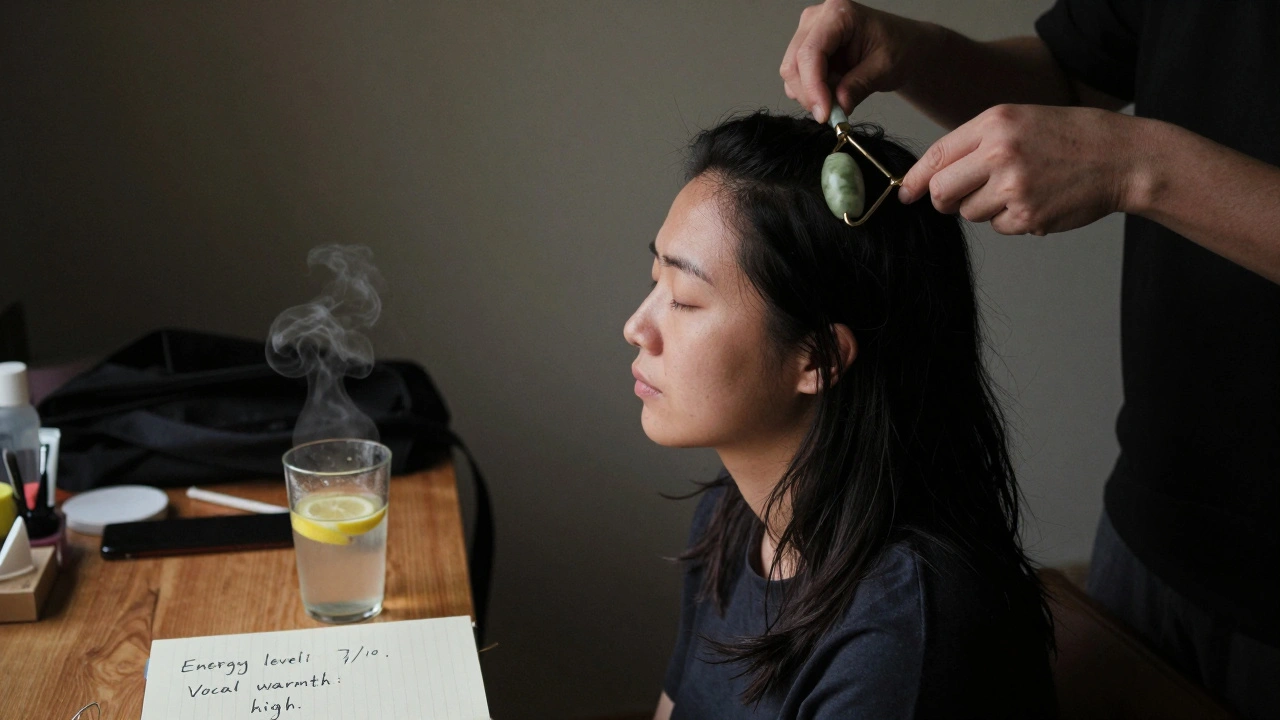
After the show, most singers down electrolyte drinks, ice their throats, and collapse on a couch. Alli does none of that. She sits in silence for ten minutes. No phone. No music. Just breathing. Then she does three things: stretches her jaw with a silent hum, drinks warm lemon water with a pinch of sea salt, and massages the base of her skull with a jade roller. She doesn’t try to "recover." She tries to reset. Her body doesn’t need to heal from a performance-it needs to return to balance. She learned this after a vocal nodule scare in 2022. Her ENT specialist told her: "Your voice isn’t a muscle you can train harder. It’s a system you can optimize."
She doesn’t sing every song the same way
Alli’s setlist isn’t fixed. She adjusts based on how she feels. If she’s tired, she lowers the key on the high-energy track. If she’s buzzing, she adds an extra verse to a slow one. She doesn’t treat her voice like a machine that needs to hit the same note every night. She treats it like a living thing-with moods, rhythms, and needs. On tour, she keeps a simple journal: "Energy level: 7/10. Vocal warmth: high. Breath support: solid." No complicated metrics. Just honesty. That’s how she avoids burnout. She doesn’t fight her body. She listens to it.
She doesn’t believe in "giving it all"
The myth of the "all-nighter performer" is toxic. Alli doesn’t buy it. She doesn’t think you have to leave your soul on stage to make people feel something. In fact, she thinks the opposite. When you give everything, you give nothing. You’re empty. And empty energy doesn’t move people. It drains them. Her best performances? They’re the ones where she’s calm, clear, and centered. Where she doesn’t have to scream to be heard. Where she doesn’t have to move to be felt. Where she’s not running-she’s floating.
It’s not about endurance. It’s about sustainability.
Alli Starr has been touring for eight years. She’s played 347 shows. She’s never missed a date. She’s never canceled. She’s never had surgery. She’s never needed vocal rest longer than 48 hours. Why? Because she stopped trying to be the loudest. She started trying to be the most consistent. She didn’t become a better performer by pushing harder. She became a better performer by working smarter. Her secret isn’t a trick. It’s a mindset: energy isn’t something you spend. It’s something you shape.
Does Alli Starr ever get tired on stage?
Yes-but she doesn’t let it turn into exhaustion. She recognizes fatigue as a signal, not a failure. When she feels her energy dipping, she adjusts her posture, softens her vocal delivery, or shifts her focus to the audience’s response. She doesn’t fight tiredness. She flows around it.
Can other singers copy Alli Starr’s technique?
Absolutely. Her methods are based on vocal science and movement therapy, not mysticism. Many vocal coaches now teach her approach under "resonance-based performance." It’s especially helpful for singers with chronic fatigue or vocal strain. The key is consistency-not imitation. You don’t need to move like her. You need to think like her: conserve, redirect, and listen.
What’s the biggest myth about performing with high energy?
That you have to sweat, shout, and sprint to be powerful. Energy isn’t about physical output. It’s about emotional clarity. Alli’s performances are more intense than most because she’s fully present-not because she’s physically spent.
Does Alli Starr use any special gear or supplements?
Not really. She avoids energy drinks, caffeine after noon, and throat sprays. Her only "gear" is a humidifier in her dressing room, a jade roller for facial tension, and a notebook. She believes performance sustainability comes from habits, not gadgets.
How does Alli Starr handle nerves before a show?
She doesn’t try to calm them. She redirects them. Five minutes before going on, she closes her eyes and thinks of one person in the audience who needs to hear the song. That single thought turns anxiety into purpose. Nerves become fuel. She calls it "emotional anchoring."