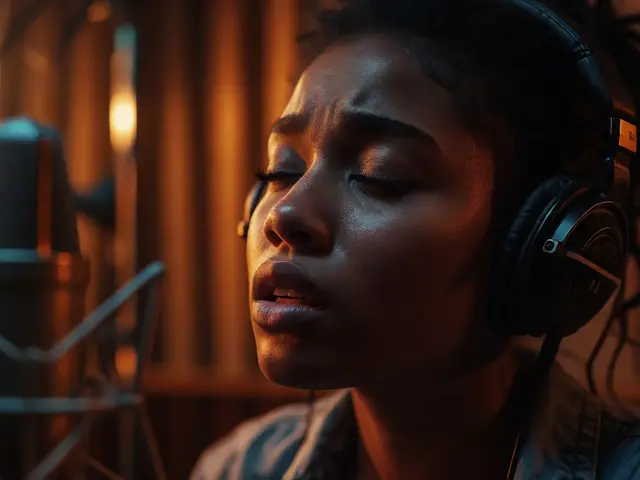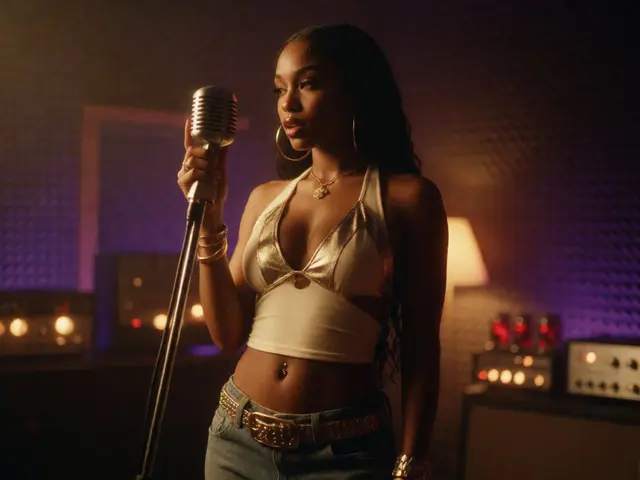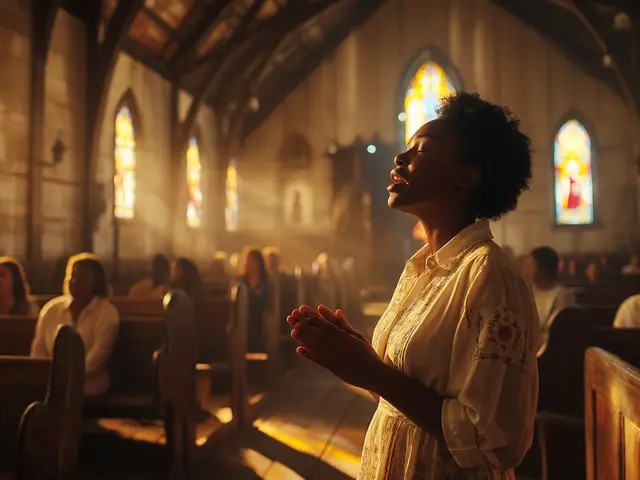
When Alli Starr hit the road in 2025 for her tour content strategy, she didn’t just play shows-she turned every city into a living story. No fancy press releases. No polished Instagram reels shot in studios. Just her, a worn-out notebook, a phone, and a crew that knew when to hit record.
What started as a personal habit-writing notes between soundchecks-became a movement. Fans didn’t just follow the tour. They lived it. And it changed how independent artists think about connection.
What Are Road Diaries, Really?
Most artists post concert photos. Alli Starr posts the moments before the lights go up. The 3 a.m. diner coffee in Nashville. The broken guitar strap fixed with duct tape in Austin. The text thread with her mom after a show where no one clapped.
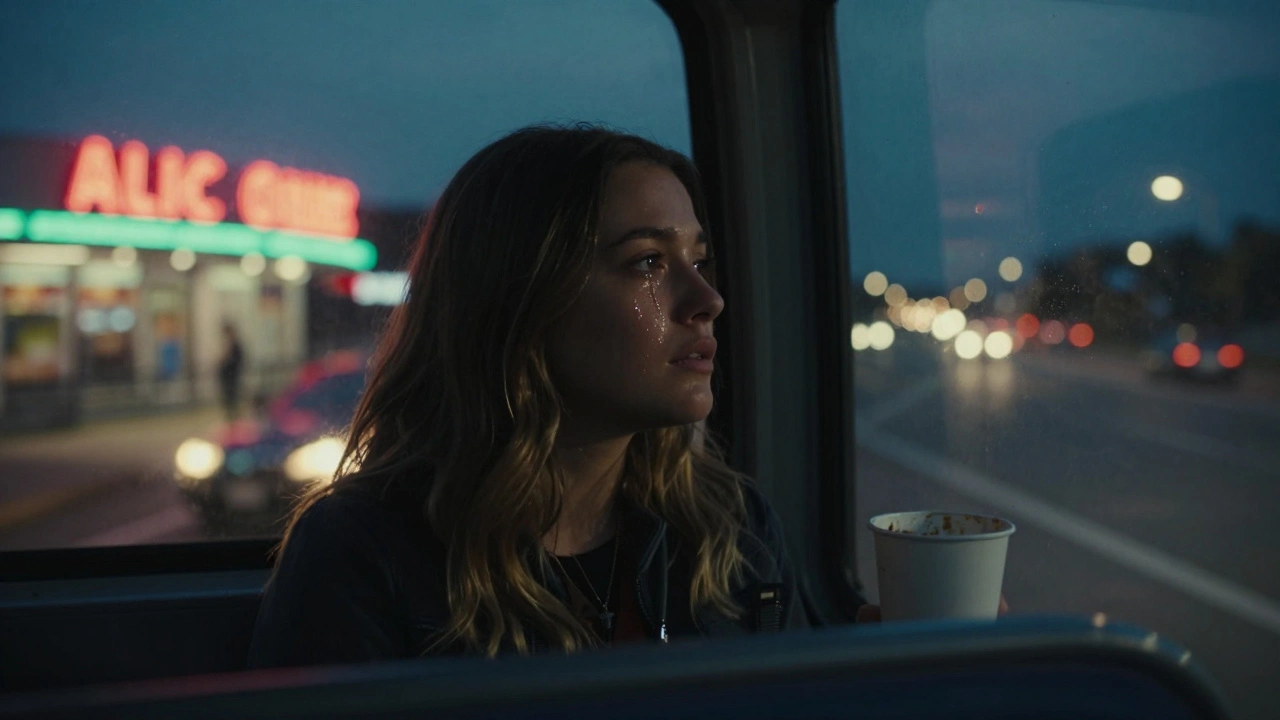
These aren’t just updates. They’re road diaries. Raw, unedited, and real. She posts them in a simple vertical video format-no filters, no music, no captions unless she’s talking directly to the camera. Sometimes it’s just 17 seconds. Sometimes it’s five minutes of silence while she stares out the tour bus window.
Her fans call them "the quiet moments." And those are the ones that stick.
Why This Works When Other Strategies Fail
There’s a reason most artist-to-fan content flops. It feels like advertising. A selfie with a merch table. A "thank you" tweet after a sold-out show. It’s polite. But it’s not personal.
Alli’s approach flips the script. She doesn’t ask fans to support her. She lets them in. And that changes everything.
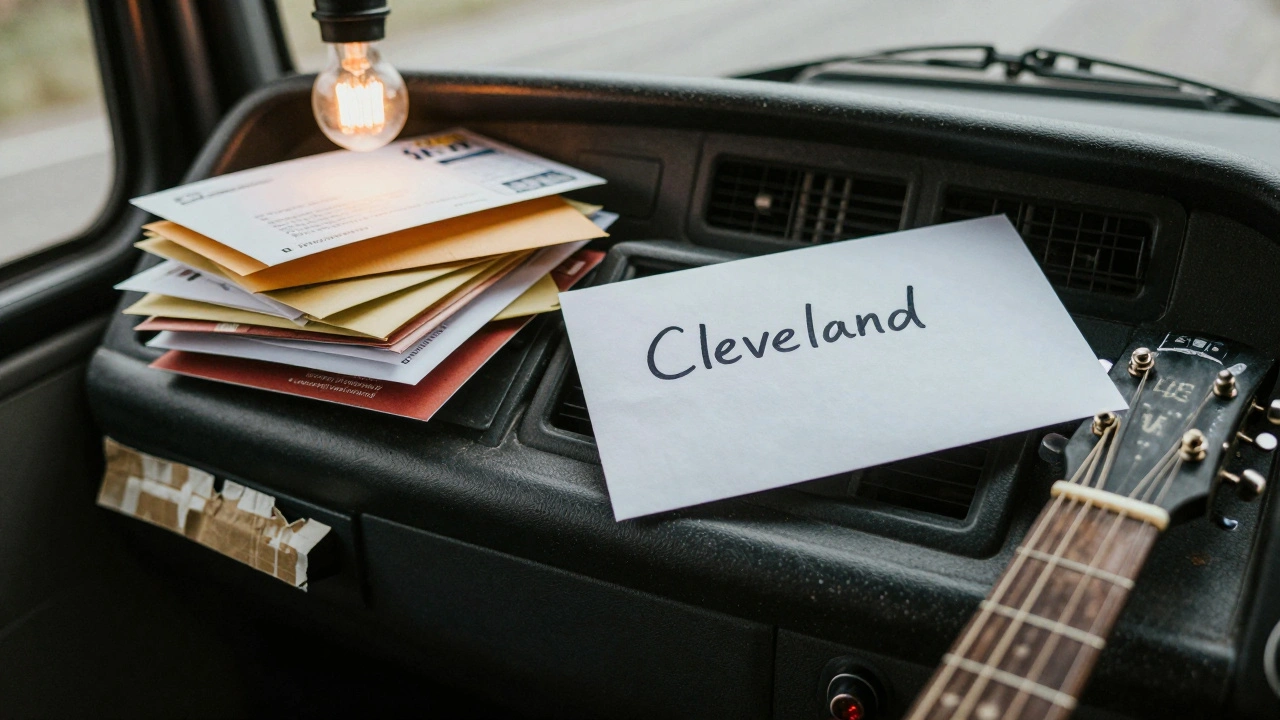
In late 2025, her team tracked engagement across 12 cities. Fans who watched three or more road diary posts were 3.7 times more likely to buy a VIP package. They were 5 times more likely to mention her name in conversations outside social media. One fan in Cleveland mailed her a handwritten letter after watching her cry over a missed call from her brother. The letter? Still on her tour bus dashboard.
This isn’t luck. It’s strategy. She’s not trying to go viral. She’s trying to be remembered.
The Tools She Uses (And Doesn’t Use)
She doesn’t use scheduling apps. Doesn’t hire editors. Doesn’t even have a social media manager. Her phone-iPhone 15 Pro-is the only tool. She records with the default camera app. Uploads via cellular data when the signal’s strong. Sometimes she waits 48 hours to post because she’s still processing the night before.
Her team’s only job? To make sure the bus has Wi-Fi. To keep her charger working. To remind her to eat.
What she avoids is just as important. No hashtags. No "drop a ❤️ if you’re here!" No polls. No "you’re the reason I do this" lines. She doesn’t need validation. She’s not performing for likes. She’s sharing her truth.
How Fans Respond
The fan response isn’t measured in numbers. It’s measured in actions.
After a diary where she talked about losing her voice mid-set in Portland, fans started mailing her vocal lozenges. Over 300 packages arrived in a week. She opened them on camera. Didn’t say thank you. Just sat there, eating one, and said, "I didn’t know people still did this."
Then came the fan-made maps. Someone built a Google Map tracking every location she posted from. It had notes: "This is where she cried." "This is where she laughed so hard she snorted." Fans started adding their own stories: "I was here too. I was nervous. She looked at me. I didn’t think she saw me. But she did."
One fan in Atlanta started a weekly Zoom hangout for people who’d seen her live. No music. Just talking. 87 people showed up the first week. 214 the next.
What Other Artists Can Learn
You don’t need a budget. You don’t need a team. You don’t even need perfect audio.
What you need is consistency-and courage.
Alli posts every day, rain or shine. Even when she’s exhausted. Even when she’s angry. Even when she’s not sure she wants to be there. That’s the signal: this is real.
She doesn’t wait for the perfect moment. She captures the messy one. And fans show up for that.
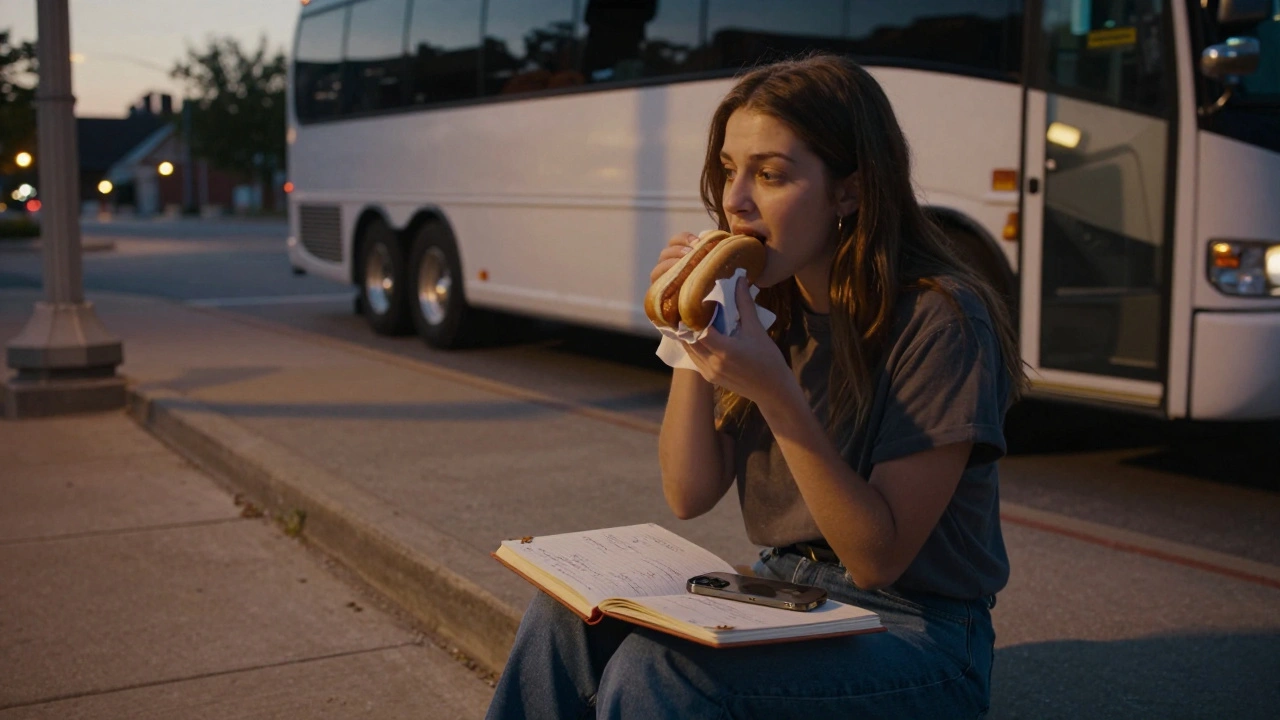
Other artists have tried copying her. One singer posted a "day in the life" video. It was shot with a drone, lit with LED panels, edited with color grading. Got 1,200 views. Alli’s next diary-her sitting on a curb in Memphis eating a hot dog-got 47,000. The difference? One felt like a product. The other felt like a friend.
The Ripple Effect
Her label didn’t push this. Her management didn’t plan it. It grew because fans kept sharing it-not as content, but as connection.
Now, indie labels are asking her to consult. Not on marketing. On humanity.
She says the same thing every time: "Don’t try to be loud. Try to be present. Your fans aren’t looking for a show. They’re looking for someone who knows what it feels like to be alone in a hotel room after the last note fades. Be that person. Even if it’s just for 15 seconds."
That’s the core of her tour content strategy. Not a tactic. Not a trend. A promise: I’m here. And I’m not pretending.
What Comes Next
She’s starting a podcast in April 2026-just her, a mic, and a guest who’s never heard her music. No promotion. No previews. Just a quiet conversation about fear, creativity, and the weight of being seen.
Her fans already know. They’ll be there. Not because they were told to be. But because they’ve learned to trust her silence as much as her songs.