Solo artist careers often hit a wall when inspiration meets logistics. You have the song idea, but getting it from a messy notebook to a release-ready file feels impossible alone. That gap between demo and master is where many projects die. Alli Starr manages to bridge this gap consistently. She operates without a massive label team, relying instead on a streamlined process that prioritizes speed and sonic clarity. Understanding how she moves through stages reveals much about modern independent music creation.
The Mindset Behind Going Solo
Working alone requires a different psychology than collaborating in a big studio. You cannot rely on someone else to catch your mistakes. This reality shifts the workflow toward prevention rather than cure. Alli Starr starts by accepting limitations. She does not try to replicate a multi-million dollar facility in her living space. Instead, she focuses on what serves the song. This philosophy keeps the project moving forward.
Many producers get stuck in perfectionism during the early stages. Alli avoids this by setting strict time limits for decision-making. When recording vocals, she might limit herself to three takes before moving on. This rule prevents endless tweaking of minor details that listeners rarely notice. The goal is momentum, not museum-quality perfection during the capture phase.
Capturing the Raw Idea
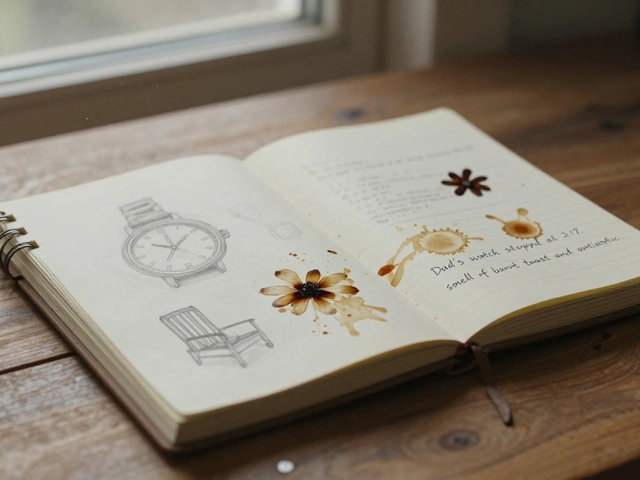
The process begins long before opening software. Inspiration strikes in random moments. A melody heard in traffic or a lyric phrase written on a napkin needs immediate documentation. Alli uses a simple note-taking app on her phone for these initial sparks. She records voice memos frequently throughout the day. These snippets become the foundation.
Once the seed exists, the transition to a computer happens quickly. Speed matters here. Ideas lose their urgency after sitting for days. The demo stage involves sketching chords and basic rhythms. She uses looped patterns to test harmonic possibilities without final commitment. This phase establishes the emotional core of the track. If the mood isn’t right here, fixing it later in mixing becomes futile.
Building the Musical Bed
After securing the core idea, arrangement takes center stage. This is where the skeleton gains muscle. Every element needs a purpose. Unnecessary instruments clutter the mix before you even record a single microphone. Alli maps out frequency ranges before selecting sounds. Low-end elements get space for the kick drum. Mid-range frequencies house the vocal.
Digital Audio Workstation Software used for recording and editing audio becomes the primary tool during this phase. Logic, Ableton, or Pro Tools serve similar functions depending on preference. The key is organization. She groups tracks by function-drums, bass, keys, percussion. Color-coding sessions helps visual navigation. Finding a snare sample ten minutes later shouldn’t require digging through fifty files.
Using virtual instruments allows for experimentation. Sound libraries contain thousands of presets. However, variety creates chaos. Selecting two or three go-to plugins reduces choice paralysis. Consistency in sound design ensures cohesion across an album or EP.
Vocal Recording Techniques
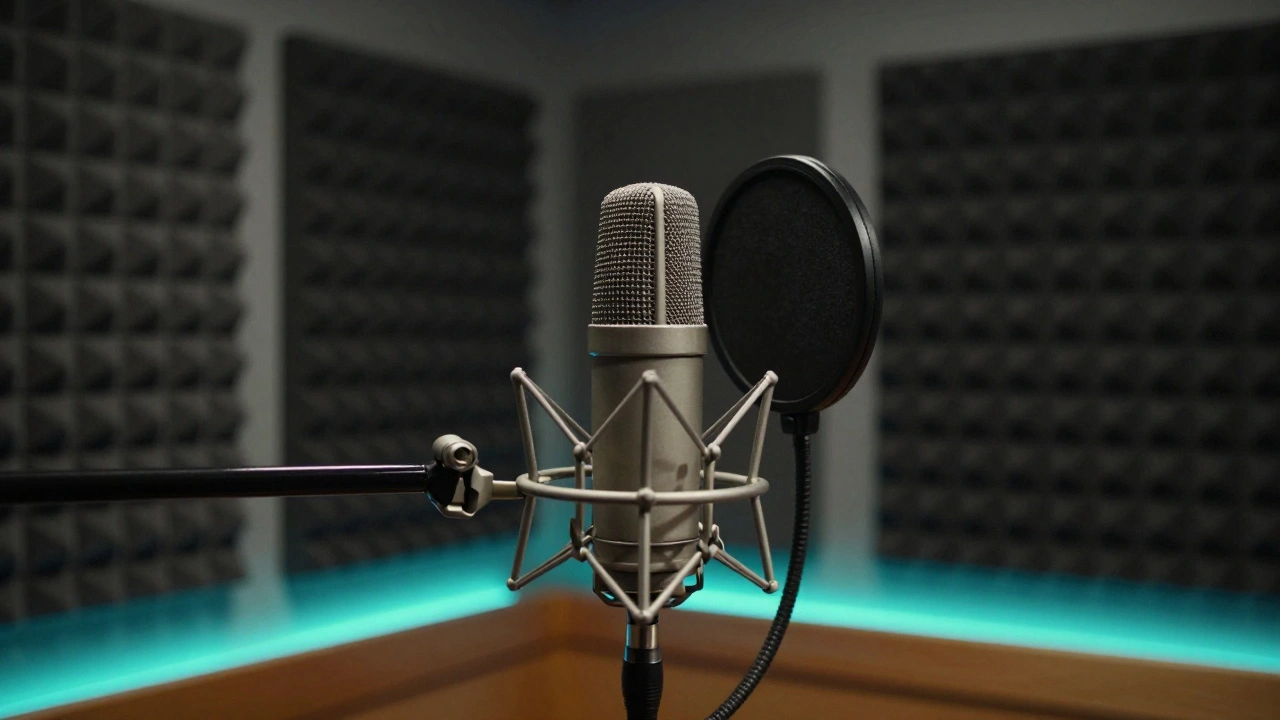
Vocals carry the narrative weight of a song. In a solo setup, achieving professional tone relies heavily on room treatment. Acoustic panels reduce unwanted reflections. Stand placement affects proximity effect. Alli positions the mic at chest height to capture natural warmth. She uses a pop filter to manage plosive sounds.
Compiling takes requires listening fatigue management. Listening to the same take repeatedly dulls your ears. She compiles vocals by marking best sections immediately rather than comparing them side-by-side for hours. Automation handles volume jumps between lines. Fading breaths in or out maintains dynamic consistency. Editing timing comes last, ensuring the performance retains its human feel.
| Stage | Action | Purpose |
|---|---|---|
| Preparation | Check gain levels | Prevent clipping |
| Performance | Monitor latency | Maintain rhythm |
| Compilation | Select best parts | Create perfect phrasing |
Mixing the Elements
Mixing balances the recorded components into a unified whole. It is not magic; it is technical adjustment of volume, panning, and EQ. Alli approaches mixing systematically. First, she sets broad volume faders. Then she applies equalization to carve space. Cutting muddy frequencies makes room for the lead instrument.
Compression controls dynamics. It ensures quieter notes sit audibly while louder peaks remain punchy. Serial compression offers subtle control. Using a light compressor followed by a heavier one yields smoother results than one aggressive unit. Automation brings the track to life. Static volume settings feel dead. Drawing curves around vocal phrases highlights emotion.
Reverb adds depth without washing out clarity. Short plates suit bright vocals. Large halls work well on backing pads. The trick lies in blending. If you hear the reverb, it is likely too loud. Parallel processing allows retaining dry signal presence while adding atmospheric width.
Preparing for Mastering
Mastering is the final polish before distribution. Many solo artists attempt self-mastering to save money. While possible, outsourcing often yields better results. An external ear catches issues internal bias hides. Alli sends stem mixes rather than full stereo bounces when possible.
A Stem File A group of mixed audio tracks exported separately gives the mastering engineer flexibility. Drums, bass, and vocals remain separate. This allows targeted adjustments if translation fails on certain systems. Loudness standards vary by platform. Streaming services apply normalization. Pushing for maximum volume unnecessarily causes pumping artifacts.
Reference tracks guide the final decision. Listening to commercial releases alongside your own work provides context. If the low end lacks punch compared to peers, you know where to push. Objective measurement tools assist here too. Spectral analyzers show imbalances invisible to the ear.
Exporting for Distribution
The final step involves file conversion. High-resolution formats ensure quality retention. WAV or FLAC formats preserve fidelity. MP3 remains necessary for preview uploads only. Metadata gets embedded correctly. ISRC codes track royalty collection.
Distribution platforms handle the global upload process. Aggregators send files to Spotify, Apple Music, and other stores. Checking metadata accuracy prevents payment errors. Release dates schedule weeks in advance to build anticipation. Press kits accompany the launch. Visual assets matter alongside audio files. Cover art and photos complete the package.
Maintaining Creative Health
Solo production demands discipline. Burnout kills productivity faster than bad gear. Rest periods allow ears to reset. Sleep influences creative decisions. Alli schedules breaks every hour during heavy sessions. Walking away resets perspective. Returning with fresh ears often solves stuck problems instantly.
Community support combats isolation. Joining online producer groups shares knowledge. Feedback loops help identify blind spots. Constructive criticism accelerates growth. Even established artists learn from newer voices. Staying curious keeps the craft evolving.