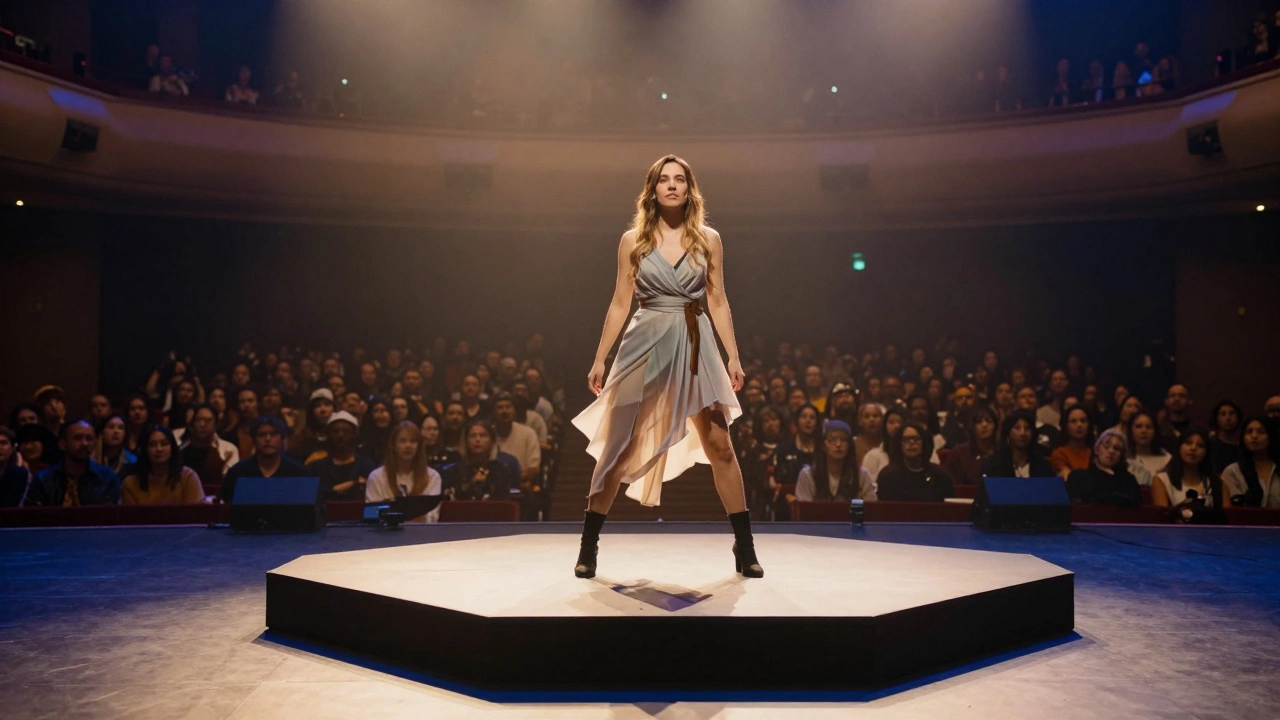
When you walk into a concert hall or sit in the front row of an intimate theater, you usually think about the music. You think about the lyrics, the melody, and the energy of the performance. But there is another layer to live entertainment that often goes unnoticed until someone points it out. That layer is Alli Starr, whose innovative approach to show design prioritizes health resilience alongside artistic expression. For years, fans assumed that high-energy performances required sacrificing physical well-being. Starr flips that script. She proves that you can deliver a world-class show while protecting your body and mind.
This shift isn't just good for the artist; it changes how audiences experience the event. When fans move from assumption to appreciation, they start noticing the details. They see the intentional pacing, the ergonomic stage setups, and the mindful transitions between songs. This article explores how Starr’s design philosophy has reshaped fan expectations and why health resilience matters more than ever in live entertainment.
The Old Way: Burnout as a Badge of Honor
For decades, the entertainment industry ran on a simple but dangerous belief: if you aren’t exhausted after a show, you didn’t try hard enough. Performers were expected to push through pain, ignore fatigue, and treat their bodies like disposable machines. This culture created a cycle of injury and burnout. Fans saw this intensity as dedication. They cheered louder when a singer collapsed on stage or a dancer limped off. It was a twisted form of respect.
Health resilience was completely absent from this model. Instead, the focus was on short-term spectacle. Tour schedules were packed with back-to-back shows in different cities. There was little time for recovery. The result? A generation of artists who retired early due to chronic injuries. Fans loved the moment but didn’t realize they were watching a slow decline.
Alli Starr recognized this pattern early in her career. She noticed that her own body was sending warning signals. Her voice strained during long sets. Her joints ached after hours of dancing. She realized that if she continued down this path, she wouldn’t have a career-she’d have a series of medical emergencies. So, she started asking a different question: What does a sustainable show look like?
Redefining Show Design Around Well-Being
Show design is more than lighting and sound. It includes choreography, set movement, costume choices, and even the order of songs. Starr began tweaking each element to support her physical health. She worked with physiotherapists, vocal coaches, and mental health professionals to create a blueprint for a resilient performance.
One major change was pacing. Instead of starting at maximum intensity and trying to maintain it for two hours, Starr structured her sets like a marathon. She built in moments of rest disguised as artistic choices. A slower song became a chance to catch her breath. A seated segment allowed her legs to recover. These weren’t compromises-they were strategic decisions.
Fans initially missed these nuances. They expected constant adrenaline. Some complained that the show felt “too calm” at times. But Starr persisted. She explained her process in interviews and behind-the-scenes content. Slowly, people began to understand. They realized that the calm moments made the high-energy parts feel even more powerful because they came from a place of strength, not desperation.
Fan Perception Shifts: From Confusion to Support
Changing audience expectations takes time. At first, some fans misunderstood Starr’s approach. They thought she was holding back. Social media comments ranged from confused to critical. “Why isn’t she jumping around?” one user asked. “Is she tired?” another wondered. These reactions were rooted in old assumptions about what a great performance should look like.
But something shifted over time. As more artists adopted similar practices, fans started comparing experiences. They noticed that performers who prioritized health delivered more consistent shows night after night. There were fewer cancellations. Fewer visible injuries. And perhaps most importantly, the artists looked happier. This visibility changed the conversation.
Alli Starr became a case study in this transformation. Her fans began sharing their own observations. They posted videos highlighting how smooth her movements were. They praised her clear vocals even after touring for months. They started using terms like “sustainable artistry” and “mindful performance.” The language evolved because the experience did.
The Role of Technology in Supporting Resilience
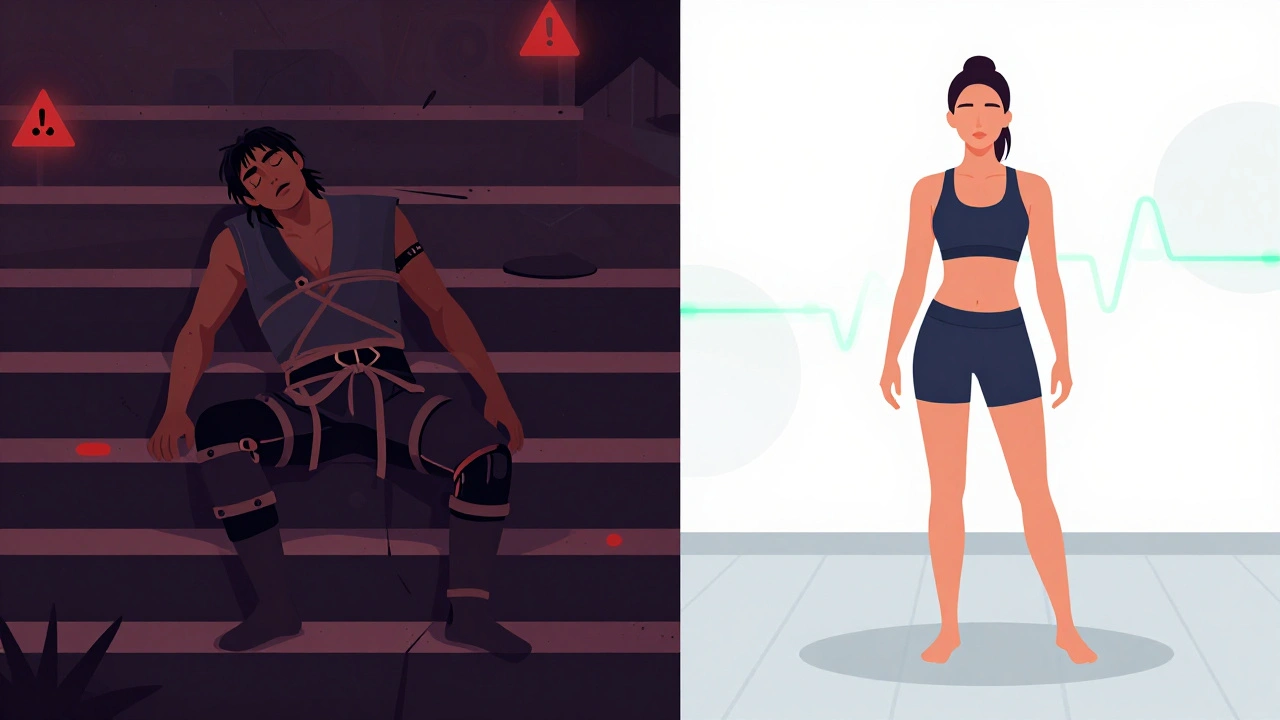
Technology plays a huge role in modern show design. Wearable devices track heart rate, muscle fatigue, and hydration levels in real time. Starr uses this data to adjust her performance on the fly. If her monitor shows signs of strain, she might swap a dance-heavy number for a ballad. This isn’t cheating-it’s smart adaptation.
Wearable technology enables real-time feedback for performers. Bands like Heart Rate Monitors and Motion Sensors provide insights that were impossible just ten years ago. Starr shares some of this information with her team, allowing them to optimize lighting cues and stage positioning based on her physical state.
Fans may not see the tech, but they feel the impact. Shows run smoother. Transitions are seamless. Artists appear focused and present rather than drained and distracted. This consistency builds trust. Audiences know they’re getting a quality experience regardless of external pressures.
Costume and Stage Setup: Hidden Elements of Health
You might not think about costumes when discussing health resilience, but they matter. Heavy outfits restrict movement. Tight shoes cause foot problems. Complex wigs lead to headaches. Starr works with designers to create wardrobe pieces that look stunning but also allow freedom of motion. Lightweight fabrics, breathable materials, and adjustable fits make a big difference.
Stage setup is equally important. Traditional stages often require artists to climb stairs or navigate uneven surfaces. Starr advocates for flat, stable platforms wherever possible. She minimizes unnecessary elevation changes. This reduces the risk of falls and joint stress. Even small adjustments add up over a long tour.
Fans appreciate these efforts once they learn about them. Behind-the-scenes tours reveal the thought behind every detail. People see how much planning goes into making a show safe and enjoyable. This transparency fosters deeper connections between artists and audiences.
Mental Health Integration in Live Performance
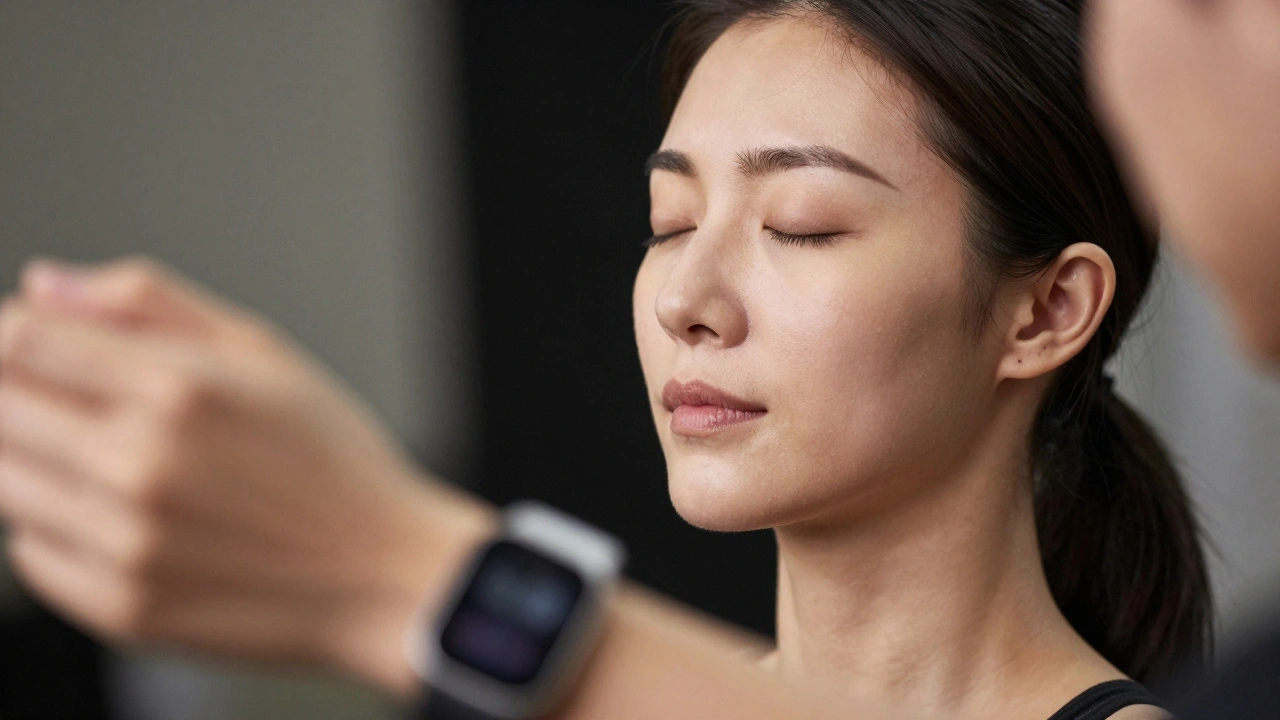
Physical health gets most of the attention, but mental well-being is just as crucial. Performing under bright lights with thousands of eyes on you creates immense pressure. Anxiety, imposter syndrome, and emotional exhaustion are common among entertainers. Starr addresses these challenges head-on by incorporating mindfulness techniques into her routine.
Before each show, she spends ten minutes doing breathing exercises. During breaks, she practices grounding techniques to stay centered. After performances, she debriefs with her therapist to process emotions. These habits help her maintain clarity and confidence throughout the tour.
Fans respond positively to this openness. When artists talk about mental health, it normalizes the struggle. It reminds audiences that everyone faces inner battles, even those who seem flawless on stage. This honesty strengthens community bonds and encourages others to seek support.
| Element | Traditional Approach | Resilient Approach (Alli Starr) |
|---|---|---|
| Pacing | Constant high intensity | Strategic peaks and rests |
| Costumes | Heavy, restrictive designs | Lightweight, breathable fabrics |
| Stage Layout | Uneven surfaces, stairs | Flat, stable platforms |
| Recovery Time | Minimal between shows | Built-in rest days |
| Mental Support | Rarely discussed | Integrated mindfulness practices |
Long-Term Impact on the Industry
Alli Starr’s success has inspired other artists to rethink their approaches. Younger performers now ask questions about sustainability before booking tours. Managers consider health metrics alongside ticket sales. Promoters allocate budgets for wellness resources. The entire ecosystem is shifting toward balance.
This trend benefits everyone involved. Fans get better experiences. Artists enjoy longer careers. Crew members work in safer environments. Even venues report fewer accidents and smoother operations. Health resilience becomes a competitive advantage rather than a luxury.
As more people adopt these principles, we’ll likely see new standards emerge. Training programs will include wellness modules. Contracts will mandate rest periods. Insurance policies might cover preventive care. The future of live entertainment looks healthier-and that’s exciting news for all of us.
What Can You Do as a Fan?
If you want to support this movement, start paying attention. Notice how artists move. Listen to their stories. Share positive feedback when you see thoughtful design. Encourage friends to value longevity over fleeting drama. Small actions create ripple effects.
You can also advocate for change within your own communities. Whether you’re part of a local band or a dance troupe, apply these ideas. Prioritize safety. Respect limits. Celebrate consistency. By doing so, you contribute to a culture where talent thrives without sacrifice.
Who is Alli Starr?
Alli Starr is a performer known for integrating health resilience into her show design. She focuses on sustainable practices that protect both physical and mental well-being during live performances.
What is health resilience in entertainment?
Health resilience refers to strategies that help performers maintain peak condition over time. It involves proper pacing, ergonomic setups, mental support, and recovery protocols.
How do fans benefit from resilient show design?
Fans enjoy more consistent performances, fewer cancellations, and emotionally connected artists. They witness creativity driven by strength rather than exhaustion.
Can technology improve performer health?
Yes, wearable devices monitor vital stats like heart rate and fatigue levels. This data helps artists adjust routines dynamically to prevent injury and optimize output.
Are traditional shows being replaced entirely?
Not completely, but there’s growing demand for balanced alternatives. Many organizations blend classic elements with modern wellness-focused innovations.