Decoding the Sonic Mood
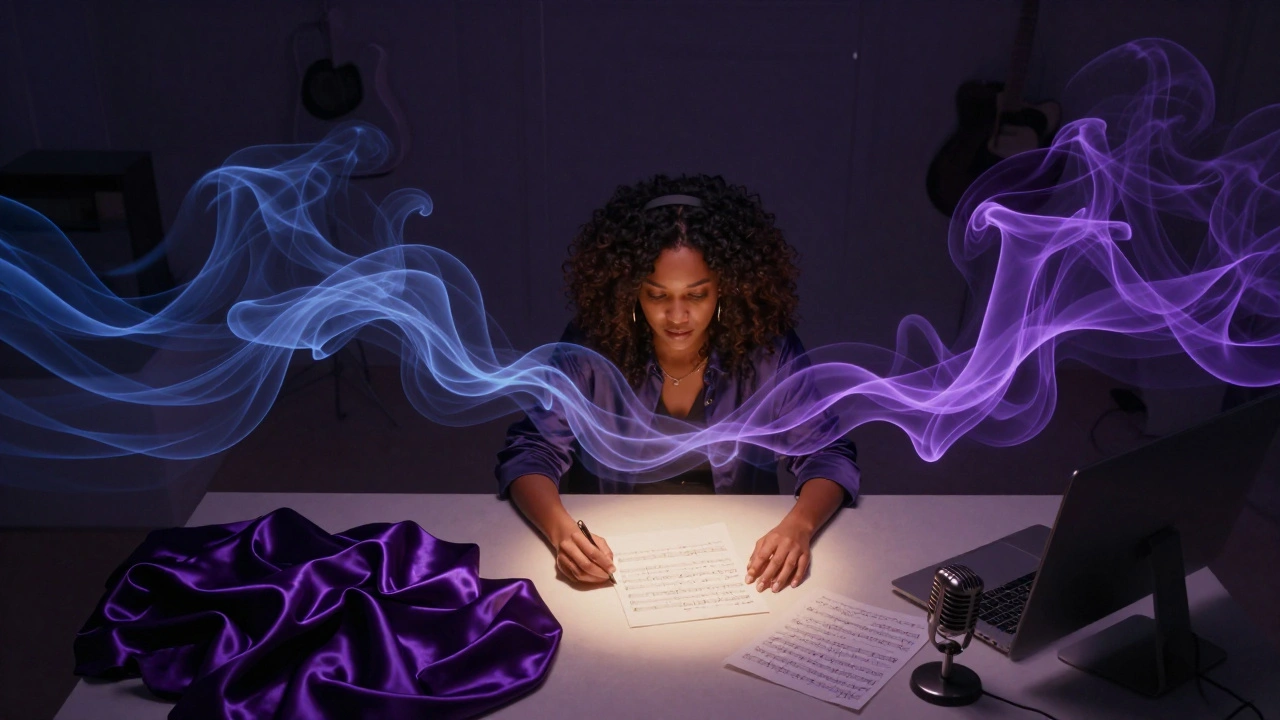
Before sketching a single scene, the process starts with a deep dive into the audio. R&B is built on atmosphere-the space between the notes, the breathiness of a vocal, and the heavy bass that hits you in the chest. To turn this into a visual concept, a director has to treat the song like a script. They aren't looking for a plot as much as they are looking for a color palette and a tempo.
If a track has a slow, simmering tempo, the visuals should reflect that with lingering shots and slow-motion movements. If it's a more upbeat, contemporary R&B vibe, the editing needs to be snappier. The goal is to ensure the audience doesn't just hear the emotion but sees it. This is where Creative Direction comes into play, acting as the bridge between the sound engineer's work and the cinematographer's lens.
Building the Visual Narrative
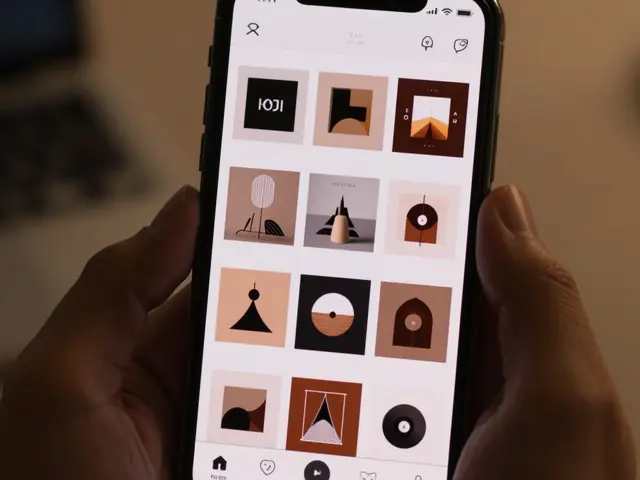
A great R&B video rarely tells a linear story from A to Z. Instead, it uses abstract imagery and recurring motifs to evoke a mood. The concept development phase involves creating a "vibe board"-not just a mood board, but a collection of textures, lighting references, and fashion cues. For an R&B project, this often means focusing on contrast: deep shadows paired with neon highlights, or gritty urban backgrounds contrasted with high-fashion styling.
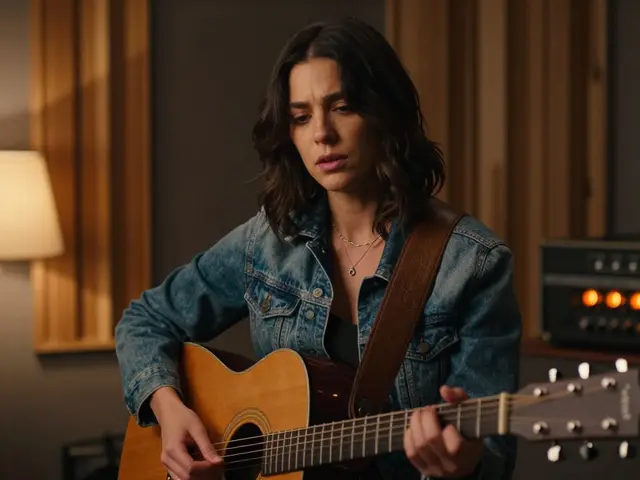
When developing these concepts, the focus is often on intimacy. R&B is personal. Whether it's a story of heartbreak or a celebration of love, the camera needs to feel close. This means choosing lenses that create a shallow depth of field, blurring the background to keep the focus entirely on the raw emotion of the performer. It's about making the viewer feel like they are in the room, not just watching a recording.
The Role of Color Theory and Lighting
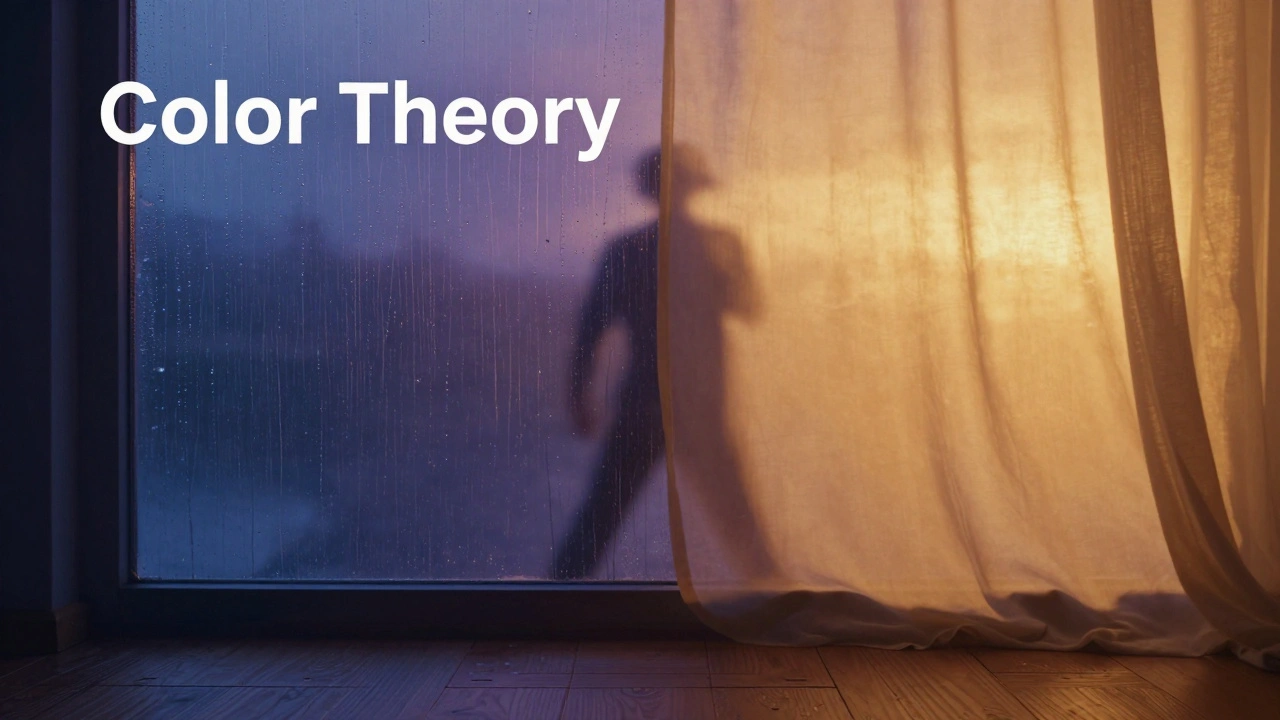
Lighting isn't just a technical requirement; it's a storytelling tool. In R&B videos, the lighting often does the heavy lifting for the mood. Warm ambers and deep reds suggest passion or nostalgia, while cool blues and purples evoke loneliness or a late-night city vibe. The conceptual process involves mapping out these colors to match the song's progression.
For instance, a song might start in a cold, blue-toned room to represent isolation and gradually shift into warm, golden hues as the lyrics become more hopeful. This subtle shift tells the story without a single word of dialogue. This strategic use of Color Theory ensures that the visual energy evolves alongside the musical arrangement.
| Song Mood | Lighting Palette | Camera Movement | Key Texture/Setting |
|---|---|---|---|
| Melancholic/Sultry | Deep Blue, Purple, Low-key | Slow Pans, Static Shots | Rainy Windows, Silk, Velvet |
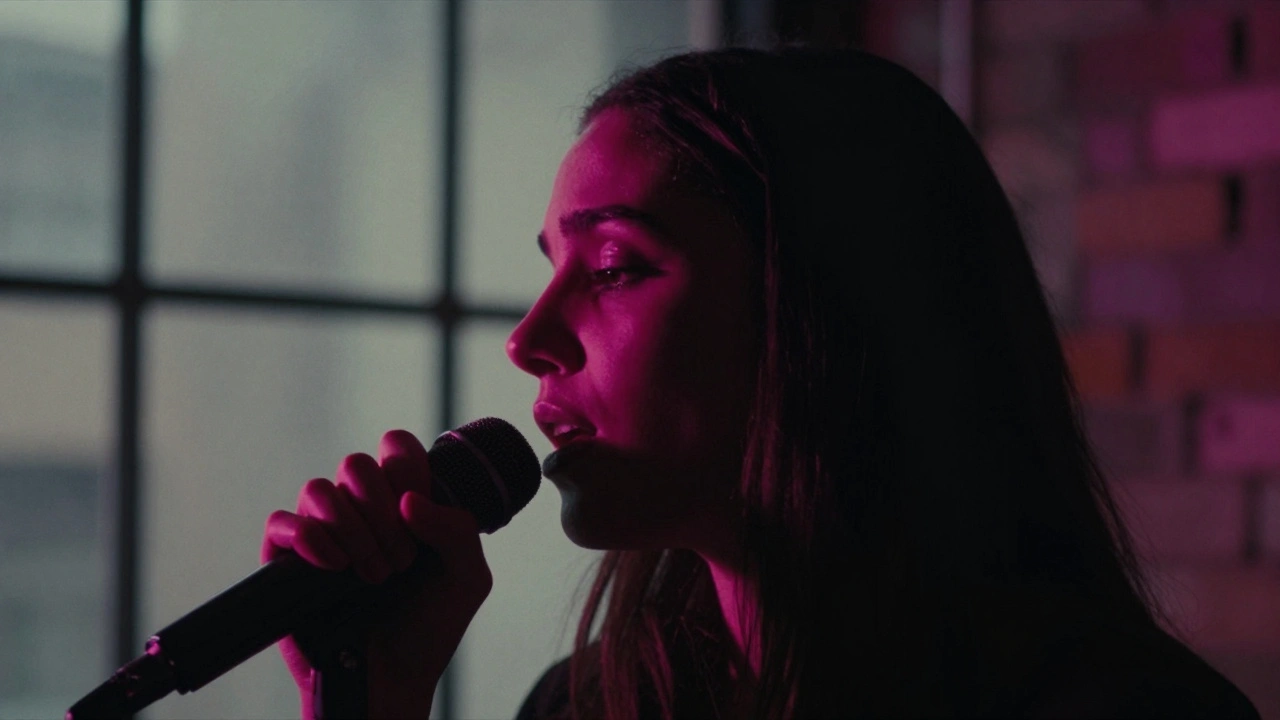
| Energetic/Modern | Neon Pink, White, High Contrast | Quick Cuts, Handheld | Industrial Lofts, Glass, Chrome |
| Romantic/Classic | Golden Hour, Warm Amber | Circular Orbits, Zoom-ins | Nature, Soft Linens, Warm Wood |
Collaborating with the Artist
Concept development is a dialogue. A director doesn't just impose a vision; they extract it from the artist. This involves asking questions that go beyond the lyrics. "What does this song smell like?" "Where do you see yourself when you close your eyes and sing this?" These questions unlock subconscious images that can be turned into concrete scenes.
The collaboration often leads to a Storyboard-a visual blueprint of the video. In R&B, the storyboard often leaves room for improvisation. Because the genre is so rooted in soul and feeling, some of the best moments happen when the artist reacts naturally to the environment, rather than following a rigid script. The concept provides the guardrails, but the performance provides the heart.
Overcoming Production Pitfalls
Not every great concept is easy to film. One of the biggest traps in music video production is "over-conceptualizing," where the visuals become so abstract that they distract from the music. If the viewer is wondering how a floating chair works instead of feeling the heartache in the lyrics, the concept has failed. The rule of thumb is that the visual should amplify the song, not compete with it.
Another common issue is budget mismatch. A concept calling for a fleet of vintage cars and a rooftop in Paris is great on paper but impossible on a micro-budget. The skill of a creative director lies in finding "visual metaphors"-cheaper alternatives that achieve the same emotional result. Instead of a Paris rooftop, maybe a single, well-lit balcony with a city skyline backdrop achieves the same feeling of urban longing.
The Final Polish: Post-Production Strategy
The concept doesn't end when the camera stops. The editing process is where the final rhythm is established. In R&B, the timing of the cuts must be surgically precise. A cut that happens a fraction of a second too early can ruin the flow of a sultry verse. Post-production also involves Color Grading, which is the final layer of the conceptual paint. This is where the raw footage is pushed toward those specific mood colors discussed in the planning phase.
By treating the edit as a continuation of the conceptual process, the director ensures that the final product is a cohesive piece of art. The transition from a wide shot of a lonely street to a tight close-up of a tear-streaked face isn't just a cut; it's a narrative choice that resolves the tension built up in the song's bridge.
What makes an R&B music video different from a Pop video?
R&B videos typically focus more on mood, atmosphere, and intimacy, whereas Pop videos often prioritize high energy, choreography, and fast-paced spectacle. R&B relies on slower pacing and deeper color palettes to evoke specific emotions.
How does a mood board help in the conceptualization process?
A mood board serves as a visual north star. It aligns the director, the artist, and the crew on the desired aesthetic, ensuring everyone agrees on the color palette, fashion, and lighting before any money is spent on production.
Can a music video be successful without a linear story?
Absolutely. Many of the most iconic R&B videos are non-linear. They use associative imagery-meaning images that relate to the feeling of the song rather than a plot-to create a more visceral, emotional experience.
Why is color grading so important for R&B visuals?
Color grading allows the director to manipulate the emotional temperature of the video. It can turn a standard room into a moody sanctuary or a bright day into a nostalgic memory, which is crucial for the atmospheric nature of R&B music.
How do directors handle tight budgets without losing the vision?
They use visual metaphors. Instead of expensive locations, they focus on tight framing, creative lighting, and strategic prop use to suggest a larger environment or a more expensive setting without actually needing it.