
What Exactly is the Gospel Shout?
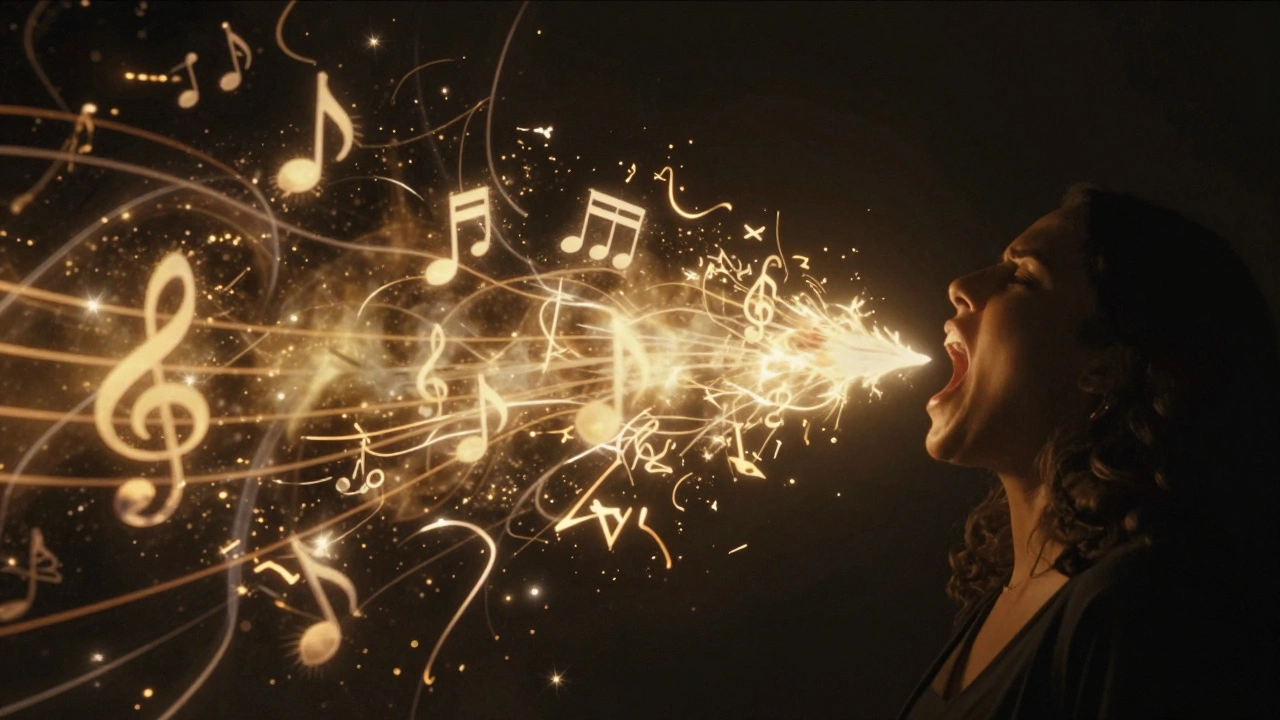
Before we look at how Alli Starr uses it, we have to understand what the Gospel Shout actually is. It isn't simply shouting or screaming. In a technical sense, it's a stylized vocal delivery where the singer pushes their voice into a high-energy, often gritty register. It's about the Gospel Shout-a technique that involves a controlled release of breath and tension to create a sound that feels urgent and visceral. This style is a cornerstone of Black Gospel Music, serving as a sonic representation of spiritual ecstasy or deep longing.
When you hear a shout, you're hearing a mix of chest voice and a slight 'distortion' or 'rasp' that adds texture. It's the difference between a clean operatic note and a raw, soulful cry. In modern R&B, this technique is often used as a climax. A singer might spend three minutes building tension with smooth melodies, only to break the dam with a shout that releases all that stored-up emotion. It's the musical equivalent of a punchline or a grand reveal.
Alli Starr's Approach to the Blend
Alli Starr doesn't just throw a shout into a song because it sounds impressive. She uses it as a narrative tool. Her signature blend involves a seamless transition from Melismatic Singing-those long, flowing runs where one syllable is stretched over many notes-into a full-bodied shout. This keeps the listener on their toes. You think you're getting a standard R&B ballad, but then she pivots into a church-influenced peak that transforms the mood of the track.
For example, in her more upbeat tracks, Starr often employs a "call and response" dynamic with herself. She'll sing a polished line, and then answer it with a grit-filled exclamation. This mimics the interaction between a preacher and a congregation. By bringing this into an R&B context, she adds a layer of authenticity and spiritual weight that is often missing from overly processed pop-soul music. She manages to keep the 'dirt' in the voice while maintaining the precision of a studio professional.
| Feature | Traditional Gospel Shout | Alli Starr's R&B Blend |
|---|---|---|
| Primary Goal | Spiritual transcendence / Worship | Emotional climax / Artistic expression |
| Vocal Texture | High grit, raw, unpolished | Balanced rasp with polished tone |
| Placement | Frequent throughout the service | Strategically placed for maximum impact |
| Rhythmic Feel | Often follows spontaneous energy | Tight alignment with R&B syncopation |
The Technicality Behind the Power
If you try to shout without the right technique, you'll blow out your vocal cords in about ten minutes. This is where Starr's expertise comes in. The secret is in the Diaphragm. To achieve a shout that sounds powerful but stays safe, the air must be pushed from the lower abdomen, not the throat. If the tension stays in the larynx, the sound becomes thin and screechy. But when it's supported by the core, it sounds like a wall of sound hitting the listener.
She also utilizes something called "vocal fry" and "compression" to add that signature grit. By narrowing the vocal folds and increasing the air pressure, she creates a distorted sound that mimics the sound of a saxophone or a distorted guitar. This allows her to convey pain, joy, or desperation without actually straining her voice. It's a high-wire act of muscle control-knowing exactly how much to 'squeeze' the note to get the right amount of soul without crossing into screaming.
Influence of the Soul Tradition
You can't talk about Alli Starr without talking about the giants who came before her. The bridge she's crossing was built by artists like Aretha Franklin and Mahalia Jackson. Franklin, in particular, mastered the art of taking the gospel shout and making it a pop sensation. She proved that a listener doesn't need to be in a church to feel the power of a shout; they just need to feel the emotion behind it.
Starr evolves this by mixing it with the atmospheric sounds of Neo Soul. Where the old school was about raw power, the modern blend is about dynamics. She might whisper a verse-almost like she's sharing a secret-and then launch into a shout during the chorus. This contrast creates a sonic tension and release that keeps the listener engaged. It's not just about being loud; it's about the journey from silence to noise.
How to Identify the Shout in Your Favorite Tracks
If you're new to this style, you might just hear it as "singing loud." But there are specific markers to look for. First, listen for the "break." A gospel shout often starts with a slight crack or a flip in the voice before it fully opens up. Second, notice the vibrato. In a standard pop song, the vibrato is consistent. In a shout, the vibrato often becomes wider and more erratic, mirroring a physical emotional response like sobbing or laughing.
Listen to the way the singer handles the end of a phrase. Instead of a clean fade-out, a shout often ends with a sharp, percussive stop or a long, sustained belt that slowly descends in pitch. When you hear Alli Starr do this, she's essentially using her voice as a percussion instrument, adding rhythm and texture to the arrangement that a drum kit simply can't provide.
The Cultural Weight of the Sound
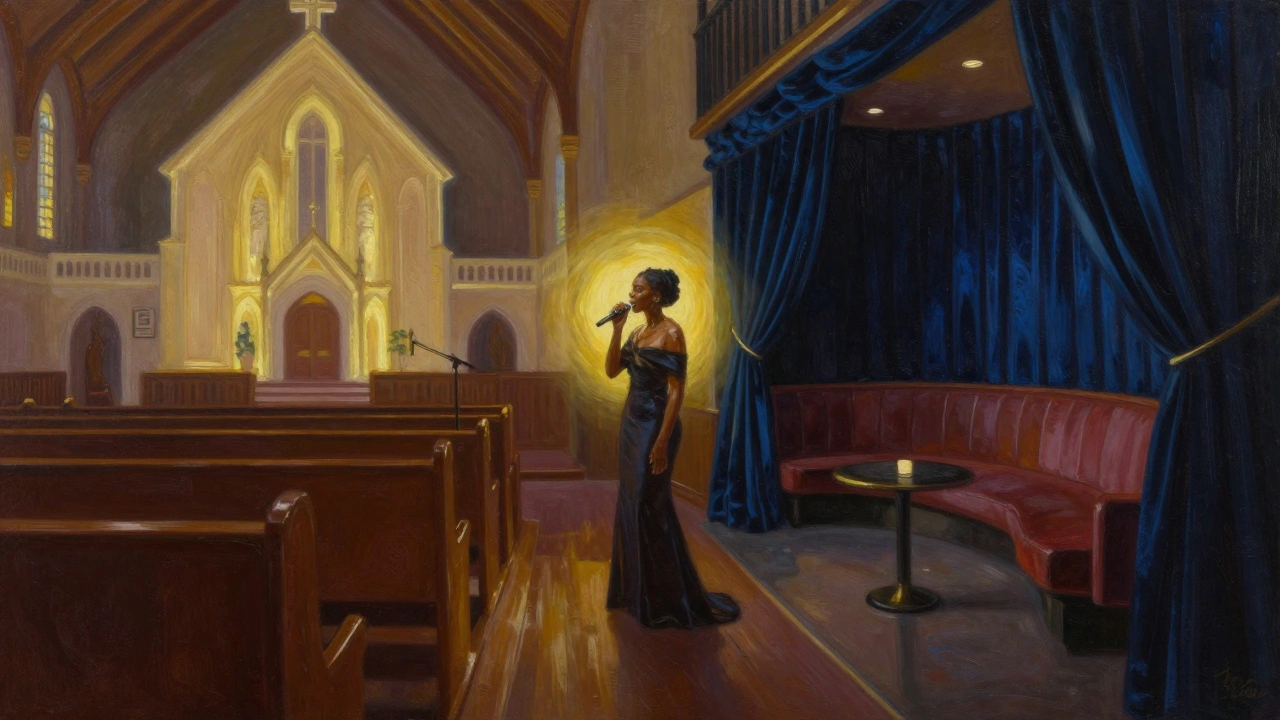
There is a reason this style feels so heavy. The shout is tied to a history of resilience and survival. For centuries, this vocal expression was a way for marginalized people to communicate things that words couldn't express. When Starr brings this into a modern R&B record, she isn't just using a technique; she's invoking a legacy. It's a way of saying that the music is rooted in something deeper than just a catchy beat or a commercial hook.
This is why the blend is so effective. In an era of Auto-Tune and perfectly quantized vocals, the shout represents the "human element." It's imperfect, it's raw, and it's unpredictable. It reminds the listener that there is a real person behind the microphone, experiencing real emotions. For Starr, the blend of gospel and R&B is a way to maintain a connection to her roots while pushing the boundaries of what a modern soul record can sound like.
Is the gospel shout the same as belting?
Not exactly. Belting is singing loudly and powerfully in a high chest register. While the gospel shout uses belting, it adds a specific emotional grit, rasp, and spiritual urgency that isn't present in a standard musical theater belt. The shout is more about raw texture and spiritual release than just hitting a loud high note.
Can anyone learn the gospel shout technique?
Technically, yes, but it requires significant vocal training. Because it involves adding "distortion" to the voice, doing it incorrectly can lead to vocal nodules or permanent damage. It's essential to learn proper diaphragmatic support-pushing air from the belly-before attempting to add the grit associated with the shout.
How does Alli Starr balance the shout with R&B melodies?
She uses contrast. She typically keeps the verses melodic and smooth, following the traditional R&B flow. She saves the shout for the emotional peaks of the song, such as the final chorus or the bridge. This ensures the shout feels earned and impactful rather than overwhelming the entire track.
Which other artists use a similar blend?
Many artists draw from this well, including legends like Aretha Franklin and contemporary stars like Jazmine Sullivan or Jennifer Hudson. They all use the tension between polished soul singing and the raw power of the gospel tradition to create a more dynamic listening experience.
Does the gospel shout have a specific musical scale?
The shout itself isn't a scale, but it's often paired with the "blue notes" of the blues scale-flattened thirds, fifths, and sevenths. These notes create the soulful, yearning quality that complements the power of the shout.
Final Thoughts for the Listener
Next time you're listening to an Alli Starr track, try to track the energy. Notice where she's holding back and where she decides to let the shout through. When you hear that transition, you're hearing more than just a vocal trick; you're hearing a conversation between the sacred and the secular. Whether you're a musician trying to understand the technique or just a fan of great vocals, the blend of gospel energy and R&B sophistication is a masterclass in how to communicate deep emotion through sound.