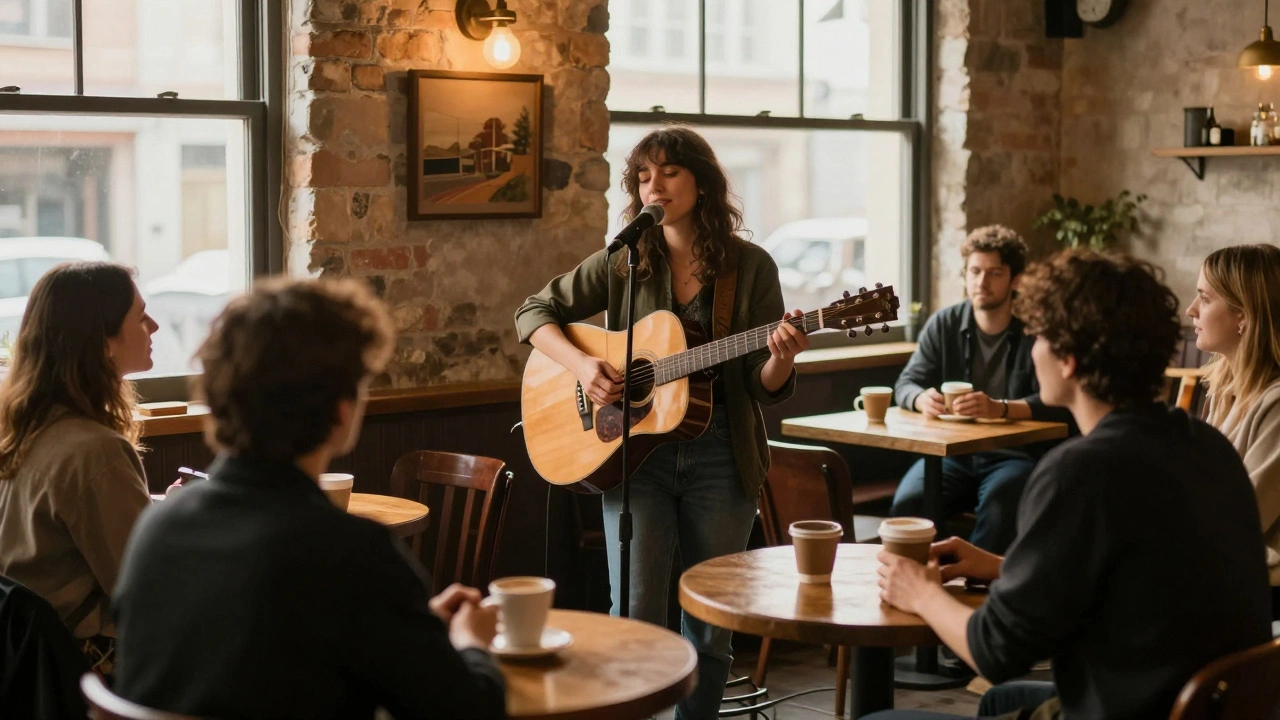
Most musicians treat local venues as mere transaction points. You pay the door fee or the booking deposit, you play your set, and you leave. It’s a cold exchange of time for exposure. But Alli Starr, an emerging artist known for her soulful vocals and grassroots approach, flips this script entirely. She doesn’t just book shows; she builds ecosystems. Her strategy isn’t about playing in front of strangers-it’s about weaving herself into the fabric of the neighborhood that hosts her.
This isn’t just a feel-good story. It’s a practical survival guide for artists who are tired of burning cash on streaming ads that yield zero return. By focusing on hyper-local partnerships with independent venues, Starr demonstrates how to turn a small room into a loyal fanbase. If you’re looking to grow your career without selling out, you need to understand the mechanics behind her community-centric model.
The Shift from Transactional to Relational Booking
The traditional music industry model is extractive. Labels take a cut, promoters take a cut, and the artist often takes the risk. In contrast, Alli Starr’s approach is additive. She views every local venue not as a stage, but as a partner in community building. This shift requires a fundamental change in mindset. Instead of asking, "What can I get from this gig?" she asks, "How can we create value together?"
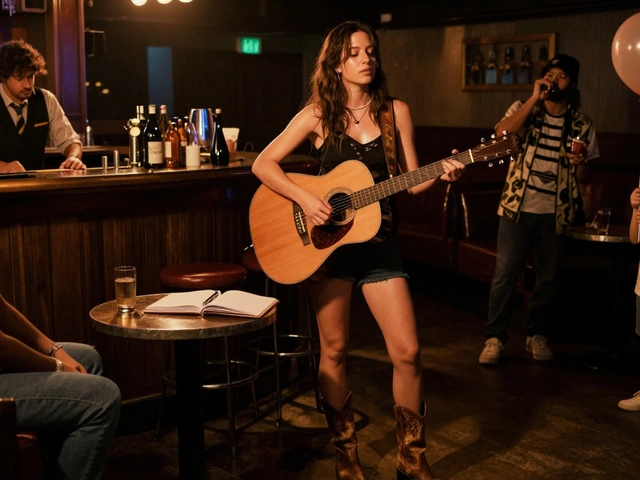
Consider the typical indie club in a mid-sized city. These venues struggle with consistency. They have empty seats on Tuesday nights and overcrowded floors on Fridays. Starr targets these off-peak slots. She doesn’t demand a high guarantee. Instead, she offers a collaborative package. She brings her own audience-small as it may be-and works with the venue manager to cross-promote the event to their regulars. The result? The venue gets foot traffic they wouldn’t otherwise have, and Starr gets a warm reception from people who already trust the venue.
This relational approach relies on trust-based negotiation. It means showing up early, helping load in equipment, and staying late to help clean up. It sounds like hard work, but it buys you something money can’t: goodwill. When a venue owner sees you as part of the team rather than a vendor, they start advocating for you. They recommend you to other bands. They save the best dates for you. That’s the leverage of community-centric strategy.
Mapping the Local Ecosystem
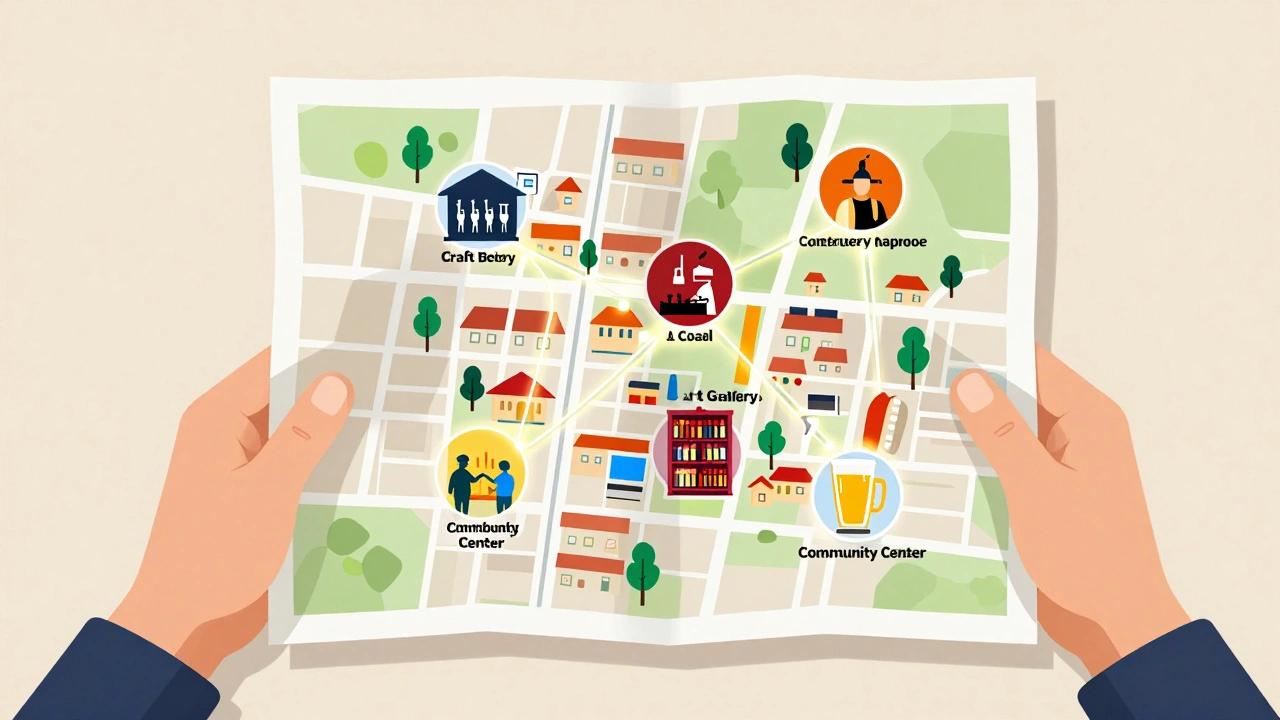
You can’t build partnerships if you don’t know who exists. Starr’s first step is always research. She doesn’t just look at ticketing websites. She walks the streets. She visits coffee shops, record stores, and art galleries. She identifies the nodes of cultural activity in her target area. This process is known as community mapping.
Why does this matter? Because music doesn’t exist in a vacuum. It intersects with food, fashion, visual art, and local politics. By identifying these intersections, Starr finds non-traditional partners. For example, she might partner with a local brewery for a taproom show, or collaborate with a streetwear brand for a pop-up performance. These venues often have lower overheads and more flexible terms than traditional clubs. They also attract audiences who are looking for experiences, not just concerts.
Here is a breakdown of the types of venues Starr prioritizes:
- Independent Coffee Shops: Ideal for acoustic sets and open mics. Low barrier to entry, high engagement.
- Craft Breweries and Taprooms: Great for mid-sized crowds. Venues benefit from increased beverage sales during performances.
- Art Galleries and Studios: Perfect for multimedia performances. Combines visual and auditory arts for a unique experience.
- Community Centers: Often offer free or low-cost space for educational workshops or jam sessions.
- Local Bookstores: Host reading-and-music events that attract literate, engaged audiences.
By diversifying her venue portfolio, Starr reduces her reliance on any single type of space. If one club closes down (as many do), she still has a network of alternative spaces to perform in. This resilience is crucial for long-term sustainability.
Co-Creating Value with Venue Owners
The core of Starr’s strategy is co-creation. She doesn’t arrive with a pre-packaged show and expect the venue to sell tickets. She sits down with the venue owner and brainstorms. What does the venue want to achieve? Do they need more weekday traffic? Do they want to attract a younger demographic? Do they need content for their social media?
Once she understands their goals, she tailors her offering. If the venue wants more weekday traffic, she proposes a "Lunchtime Live" series. If they need social media content, she agrees to provide high-quality photos and videos from the event for them to use. This alignment of incentives makes the partnership mutually beneficial. The venue owner becomes invested in her success because her success directly impacts their metrics.
This approach also helps negotiate better terms. Instead of fighting over a flat fee, she might propose a revenue-sharing model. For instance, she takes 70% of the door sales, and the venue keeps 30%, plus all bar sales. Or, she trades performance fees for merchandise rights. These creative solutions allow both parties to win, even when budgets are tight. It’s a move away from adversarial negotiations toward collaborative problem-solving.
| Aspect | Traditional Approach | Alli Starr’s Community Strategy |
|---|---|---|
| Goal | Maximize immediate income | Build long-term relationships |
| Venue Selection | Largest capacity possible | Best cultural fit and accessibility |
| Promotion | Artist handles all marketing | Joint promotional efforts |
| Audience Interaction | Passive listening | Active participation and feedback |
| Risk Distribution | Falls mostly on the artist | Shared between artist and venue |
Leveraging Hyper-Local Marketing
National advertising is expensive and often ineffective for local acts. Starr focuses on hyper-local marketing. She uses geotargeted social media ads, but only within a five-mile radius of the venue. She partners with local influencers-not the ones with millions of followers, but the micro-influencers who actually live in the neighborhood. These are the food bloggers, the local news reporters, and the community organizers.
She also leverages physical presence. She puts up flyers in places where her target audience actually spends time. Not random telephone poles, but specific bulletin boards at yoga studios, pet groomers, and co-working spaces. She attends local farmers' markets and chats with residents. This face-to-face interaction builds a personal connection that digital ads cannot replicate.
Another key tactic is email list segmentation. She doesn’t blast the same message to everyone. She segments her list by location. People who live near the venue get a personalized invite. People who live further away get a different message, perhaps highlighting travel opportunities or virtual options. This precision ensures that her marketing efforts resonate with the right people at the right time.
Turning Fans into Community Members
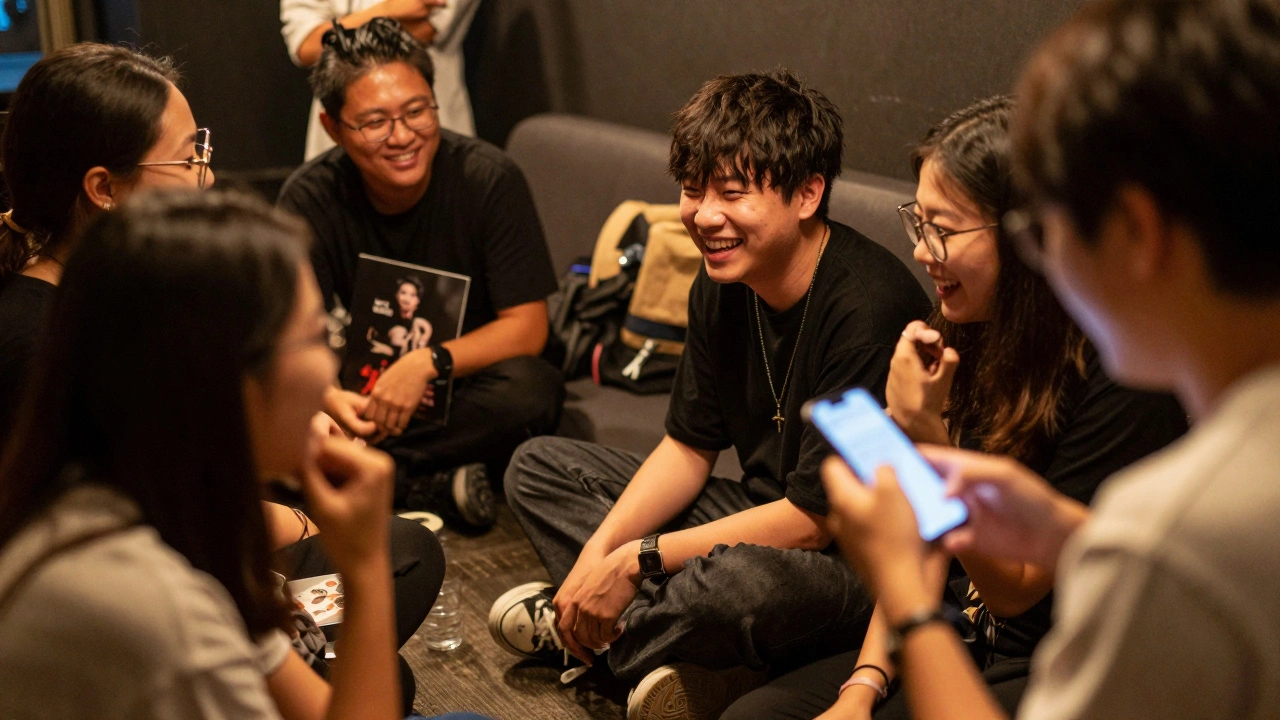
A concert ends when the last song finishes. A community continues. Starr’s goal is to convert one-time attendees into ongoing community members. She does this by creating post-event touchpoints. After the show, she invites fans to a Q&A session or a meet-and-greet. She encourages them to join her local fan group on social media. She follows up with emails that thank them for coming and share behind-the-scenes content.
She also empowers her fans to become ambassadors. She gives them exclusive access, such as presale tickets or limited-edition merch. She highlights their stories on her social channels. When fans feel valued and recognized, they become advocates. They bring their friends to the next show. They defend her online. They buy her records. This organic growth is far more sustainable than paid acquisition.
Furthermore, she creates opportunities for fans to connect with each other. She hosts listening parties, karaoke nights, and volunteer events. These activities foster a sense of belonging. People don’t just follow Alli Starr; they join the Alli Starr community. This emotional bond is incredibly strong. It withstands bad reviews, scheduling conflicts, and industry changes. It’s the foundation of a lasting career.
Sustaining Momentum Through Consistency
Building a community takes time. It’s not a sprint; it’s a marathon. Starr maintains momentum through consistency. She commits to a regular schedule. Whether it’s a monthly residency at a local jazz club or a quarterly tour of neighboring towns, she shows up reliably. This predictability allows fans to plan around her events. It signals professionalism and dedication.
Consistency also applies to her messaging. She stays true to her artistic vision while adapting to local contexts. She doesn’t change her style to please every crowd. Instead, she finds common ground. She shares stories that resonate universally but are rooted in local experiences. This authenticity builds credibility. People respect artists who are genuine and consistent.
Finally, she measures her progress not just by ticket sales, but by engagement metrics. She tracks social media interactions, email open rates, and merchandise sales. She surveys her fans after events. This data-driven approach allows her to refine her strategy continuously. She learns what works and what doesn’t. She iterates and improves. This commitment to growth ensures that her community remains vibrant and relevant.
How does Alli Starr find local venues to partner with?
Starr uses a method called community mapping. She physically walks through neighborhoods, visiting coffee shops, breweries, and art galleries. She also networks with other local artists and checks community bulletin boards. This hands-on approach helps her identify venues that align with her aesthetic and values, rather than just relying on online listings.
What are the benefits of partnering with non-traditional venues?
Non-traditional venues like bookstores or breweries often have lower overhead costs and more flexible booking terms. They also attract niche audiences who are eager for unique experiences. Partnering with these spaces allows artists to reach new demographics and create memorable events that stand out from standard club gigs.
How can an artist negotiate better terms with venue owners?
Instead of focusing solely on guaranteed fees, artists should offer value-added services. This could include providing high-quality photos for the venue’s social media, bringing their own audience, or handling some promotional tasks. By aligning your goals with the venue’s needs, you create a win-win situation that leads to more favorable contracts.
Why is hyper-local marketing more effective than national ads for local acts?
National ads are expensive and often reach people who are too far away to attend. Hyper-local marketing targets people within a short driving distance of the venue. It uses geotargeted social media ads and physical flyers in relevant local spots. This precision ensures that marketing budget is spent on potential attendees who can actually make it to the show.
How does Alli Starr keep fans engaged after the concert ends?
Starr converts fans into community members through post-event touchpoints. She hosts Q&A sessions, sends personalized thank-you emails, and invites fans to join local groups. She also creates opportunities for fans to connect with each other through listening parties and volunteer events. This fosters a sense of belonging and loyalty beyond the music itself.