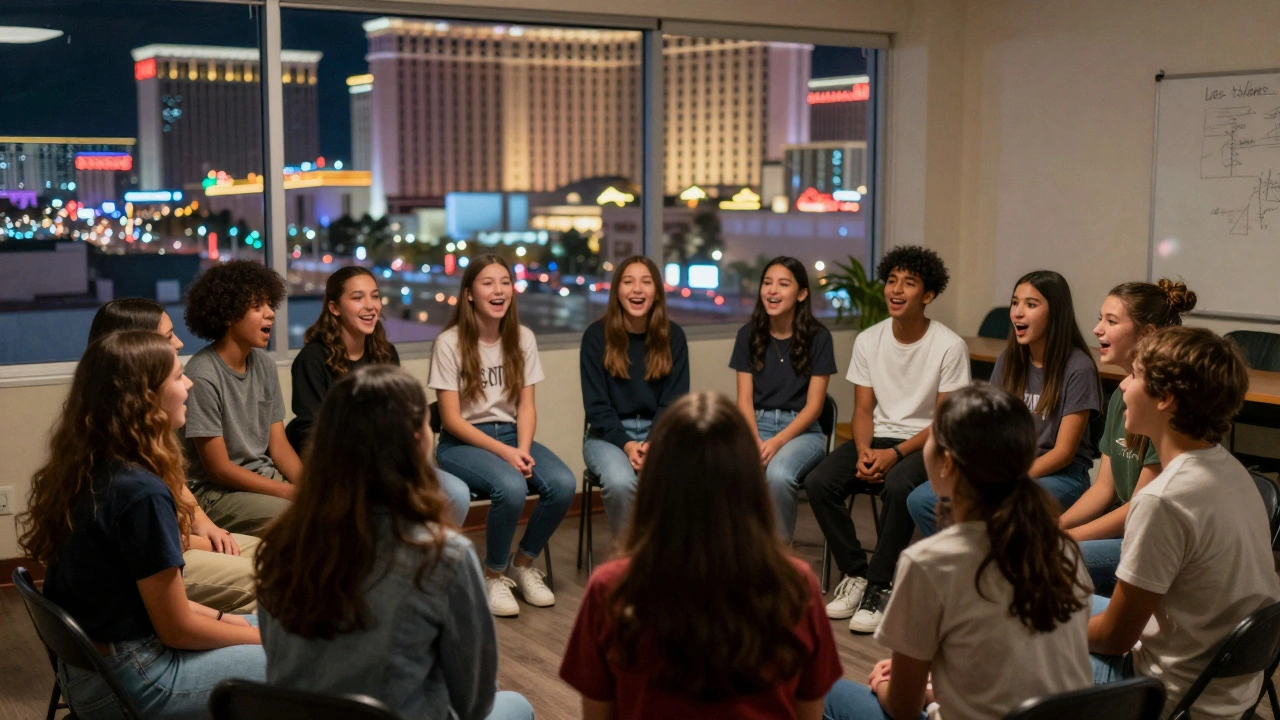
Most people think of Las Vegas as a city of flashing lights, high-stakes gambling, and residency shows at the Sphere. But if you step away from the Strip, there is a different kind of noise happening: the sound of kids finding their voice. For many young artists in the city, the gap between a school choir and a professional stage is a canyon too wide to cross alone. That is where vocal mentoring becomes a lifeline.
Alli Starr isn't just another voice in the desert. She has built a grassroots movement that turns raw talent into sustainable careers. It isn't about teaching a kid how to hit a high C; it is about showing them how to survive a business that can be brutal to those without a map. When you look at the impact of her work, you see a shift from "lucky breaks" to structured growth.
Key Takeaways: The Starr Approach to Mentorship
- Focuses on "emotional intelligence" alongside vocal technique.
- Prioritizes local community hubs over expensive private studios.
- Bridges the gap between amateur performance and professional industry standards.
- Emphasizes mental health and resilience for young performers.
The Reality of the Vegas Music Gap
In a town where the world's biggest stars perform every night, it is easy for a fifteen-year-old with a dream to feel invisible. Las Vegas has a unique paradox: it is the entertainment capital of the world, yet the local infrastructure for youth music education is often fragmented. Most kids either have access to expensive private coaching or they are left to learn from YouTube tutorials.
This is where the grassroots model comes in. By creating accessible touchpoints-community centers, local workshops, and open-mic mentorships-Alli Starr removes the financial barrier. She doesn't just provide lessons; she provides a network. In the music industry, who you know is often as important as how you sing. By connecting students with local producers and sound engineers, she turns the city itself into a classroom.
Breaking Down the Mentoring Process
Effective mentoring isn't just a weekly check-in; it is a holistic transformation. The process used in these grassroots programs generally follows a three-tier evolution: technical grounding, identity formation, and professional exposure.
Technical grounding is the baseline. It involves Vocal Pedagogy, which is the study of how the voice actually works. Instead of just telling a student to "sing louder," a mentor explains the role of the diaphragm and the larynx. This prevents vocal nodules and long-term damage-something that happens far too often in young singers who push their voices too hard too early.
Next is identity formation. Who is this singer? Are they a jazz powerhouse, a pop crooner, or a soul storyteller? Many young singers suffer from "imitation syndrome," where they sound exactly like the artist they are currently streaming on Spotify. The goal here is to strip away the mimicry and find the unique timbre and emotional core of the individual.
Finally, there is professional exposure. This is the "real world" phase. It involves teaching students how to handle a microphone, how to read a contract, and how to deal with a crowd that might not be cheering. This is where the grassroots impact becomes visible-when a student moves from a garage rehearsal to a legitimate venue on Fremont Street.
| Feature | Private Vocal Coaching | Grassroots Mentoring (Alli Starr Model) |
|---|---|---|
| Primary Focus | Technical accuracy & scales | Industry navigation & artistic identity |
| Accessibility | High cost / Studio based | Low cost / Community based |
| Network | Teacher-Student only | Peer groups & Industry connections |
| Outcome | Improved singing voice | Career readiness & confidence |

The Psychology of the Stage
Singing is one of the most vulnerable things a human can do. You are putting your internal emotional state on display for strangers. For a teenager in a high-pressure environment like Las Vegas, the fear of failure can be paralyzing. Grassroots mentoring addresses this through a concept called "psychological safety."
By creating a space where making a mistake is seen as a data point rather than a disaster, mentors like Alli Starr help students build resilience. They use techniques from Cognitive Behavioral Therapy (CBT) basics-like reframing anxiety as excitement-to help singers manage stage fright. When a student knows that their value isn't tied to a perfect performance, they actually perform better because they are relaxed.
Navigating the Modern Music Business
The way music is consumed has changed, and the way it is taught must change with it. It is no longer enough to be a great singer; you have to be a content creator, a brand manager, and a digital marketer. Grassroots impact today means teaching kids about Digital Distribution.
Mentoring now includes sessions on how to record a clean demo using a home setup, how to use TikTok to find an audience without a label, and how to protect their intellectual property. If a young singer writes a hit song but doesn't understand copyright law, they are at a massive disadvantage. By integrating these "business of music" lessons into the vocal training, the program ensures that the artists are not just talented, but protected.
Community Ripple Effects
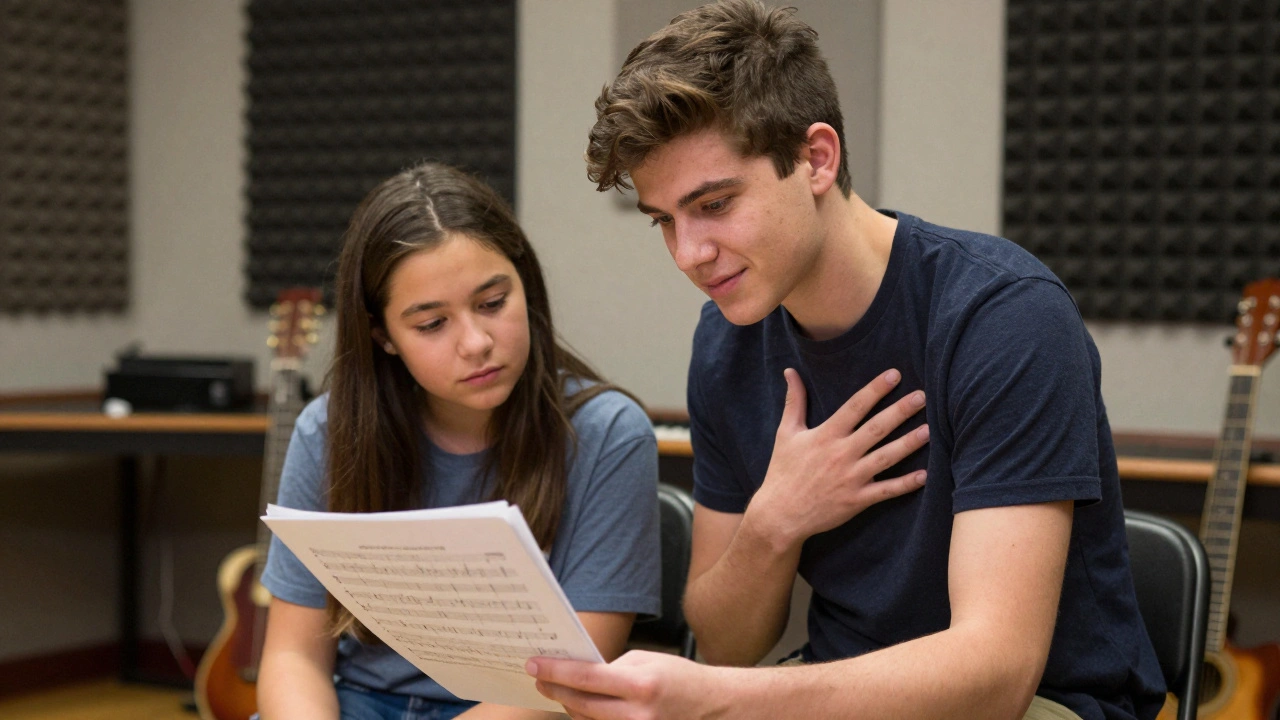
When you invest in a few dozen young singers, you aren't just helping those individuals; you are changing the culture of a neighborhood. Music acts as a social glue. In areas of Vegas where youth resources are thin, a music program becomes a sanctuary. It provides a reason to stay in school, a way to process trauma, and a sense of belonging.
We see this in the way former students return to the program as junior mentors. This creates a sustainable cycle of leadership. A seventeen-year-old who was struggling two years ago is now the one showing a twelve-year-old how to breathe through a difficult phrase. This peer-to-peer mentorship is often more powerful than any professional instruction because it is rooted in shared experience.
Common Pitfalls in Youth Vocal Training
Not all music programs are created equal. Many fall into traps that actually hinder a student's growth. One common mistake is the "Pageant Approach," where the focus is entirely on the external-costumes, big gestures, and hitting the loudest note possible. This often leads to burnout and a lack of artistic depth.
Another issue is the lack of vocal health education. Pushing a young voice to sound like a seasoned adult singer can cause permanent damage. A true mentor emphasizes the Vocal Fold health, teaching students that rest is just as important as practice. If a student is told to "sing through the pain," they are being taught a dangerous habit that can end a career before it starts.
What makes grassroots mentoring different from traditional music lessons?
Traditional lessons usually focus on the technical aspects of singing in a one-on-one setting. Grassroots mentoring, like that practiced by Alli Starr, focuses on the whole artist. It combines vocal training with industry networking, mental health support, and community building, making it more about career and personal development than just hitting the right notes.
How can a young singer in Las Vegas find a mentor?
The best way is to look beyond the Strip. Community centers, local arts nonprofits, and open-mic nights are where grassroots mentors usually operate. Look for programs that emphasize community and long-term growth rather than quick-fix fame or expensive certificates.
Why is emotional intelligence important for singers?
Singing is an emotional act. Without emotional intelligence, a singer is just producing sounds. Mentors teach students how to connect their personal experiences to the lyrics, which allows them to move an audience. It also helps them handle the critical nature of the music industry without losing their self-esteem.
What are the risks of improper vocal training for teens?
Teenagers have developing vocal folds. Improper training, such as forcing a range that isn't natural or singing with poor posture, can lead to vocal nodules or chronic hoarseness. Proper mentorship emphasizes longevity and health over immediate power.
Does digital distribution actually matter for a beginner?
Yes. In the current era, a singer's "portfolio" is their digital presence. Understanding how to use platforms like Spotify or TikTok allows them to build an audience independently. This gives them leverage when they eventually talk to labels or managers.
Next Steps for Aspiring Artists
If you are a young singer or a parent in the Vegas area, the path forward starts with exploration. Don't just look for a teacher; look for a community. Start by attending local showcases and asking questions. If you find a program that cares as much about your mental well-being as your vocal range, you have found the right place.
For those who have already found their voice, the next step is to give back. The beauty of a grassroots system is that it is fueled by the success of its alumni. Whether it is helping a younger student with their first song or sharing your experience with a local school, contributing to the ecosystem ensures that the next generation of Vegas talent has a bridge to cross.