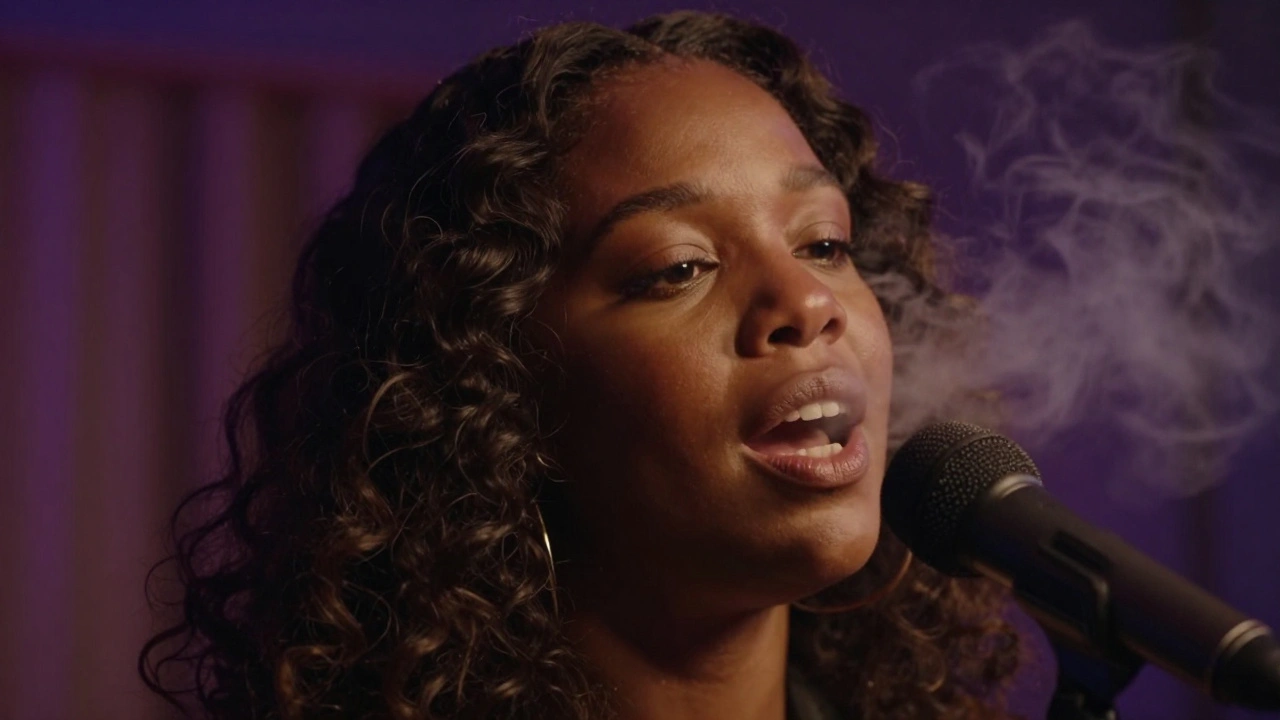
When you hear Alli Starr, you don't just hear a voice; you feel a presence. Her sound is not merely clean or powerful-it is textured, layered, and deeply human. In an era where digital perfection often strips away the grit from music, Starr offers something different: a raw, emotive quality that connects directly to the listener's nervous system. This isn't accidental. It is the result of a deliberate artistic choice to prioritize tone coloring and vocal texture over technical flawlessness.
For singers, producers, and listeners alike, understanding how Starr achieves this "soul expression" provides a masterclass in emotional authenticity. We are moving beyond pitch accuracy into the realm of timbral nuance-the subtle shifts in brightness, darkness, breathiness, and distortion that tell the real story of a song.
The Anatomy of Vocal Texture
To understand Alli Starr’s palette, we first need to break down what vocal texture actually is. Think of your voice as a painter’s brush. You can paint with broad, smooth strokes (a clean, classical tone) or with jagged, dry-brush techniques (a gritty, bluesy rasp). Texture is the physical sensation of the sound wave hitting your eardrum.
In vocal pedagogy, texture is often categorized by three main components:
- Breathiness: The amount of air escaping without vibrating the vocal folds. This creates intimacy and vulnerability.
- Distortion/Grit: Intentional roughness caused by engaging the false vocal folds. This adds urgency, anger, or passion.
- Resonance Placement: Whether the sound vibrates in the chest (warm, dark), mouth (neutral), or head/nasal cavity (bright, piercing).
Alli Starr masters the interplay between these elements. She doesn’t stay in one register. A single phrase might begin with a warm, chest-dominant resonance, shift to a bright, forward placement on the chorus, and end with a fragile, breathy tail. This dynamic movement keeps the ear engaged and prevents the performance from feeling static.
Tone Coloring: The Emotional Dial
If texture is the brushstroke, tone coloring is the color itself. Tone refers to the harmonic content of the voice-how rich or thin it sounds. "Coloring" implies the intentional modification of these harmonics to convey specific emotions.
Starr uses tone coloring like a dimmer switch. When she wants to express sadness or longing, she darkens her tone by lowering her larynx slightly and increasing chest resonance. This creates a warmer, rounder sound that feels safe and enclosed. Conversely, when expressing joy or defiance, she raises her larynx, brightens the formants, and reduces breathiness. The sound becomes sharper, more focused, and cuts through the mix.
This technique is rooted in the physics of sound but experienced psychologically by the listener. Studies in psychoacoustics show that darker tones are associated with stability and comfort, while brighter tones signal alertness and energy. Starr navigates this spectrum intuitively, guiding the listener’s emotional journey without saying a word.
| Texture Type | Vocal Mechanism | Emotional Association | Alli Starr Usage |
|---|---|---|---|
| Clean Chest Voice | Thick vocal fold closure | Strength, Confidence | Used in verses for narrative clarity |
| Breathy Head Voice | Partial vocal fold closure | Vulnerability, Intimacy | Used in pre-choruses for tension building |
| Fold Distortion (Grit) | False fold vibration | Pain, Passion, Urgency | Sparingly used at climax points |
| Nasality | Velum lowering | Playfulness, Quirkiness | Avoided; prefers open pharyngeal space |

The Role of Imperfection in Authenticity
One of the most striking aspects of Alli Starr’s style is her willingness to embrace imperfection. In traditional pop production, every crack, squeak, and uneven vibrato is edited out. Starr does the opposite. She leaves the cracks in.
Why? Because perfection feels sterile. Human emotion is messy. When a singer’s voice breaks slightly under the weight of a high note, it signals that they are pushing their limits emotionally. This "strain" is not a technical failure; it is a rhetorical device. It tells the listener, "I am so affected by this lyric that my body is reacting physically."
Starr understands that vocal authenticity requires risk. She chooses takes where the emotion is palpable, even if the pitch is slightly flat or the rhythm is behind the beat. This approach aligns with the roots of soul and blues music, where the voice was meant to mimic speech patterns and cries of pain or joy.
Production Choices That Enhance Texture
Vocal texture doesn't exist in a vacuum. It is shaped by the production environment. Starr’s team makes specific choices to highlight her tonal qualities rather than mask them.
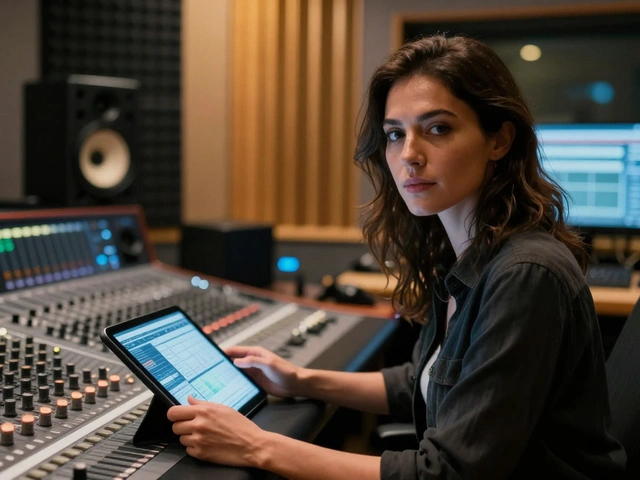
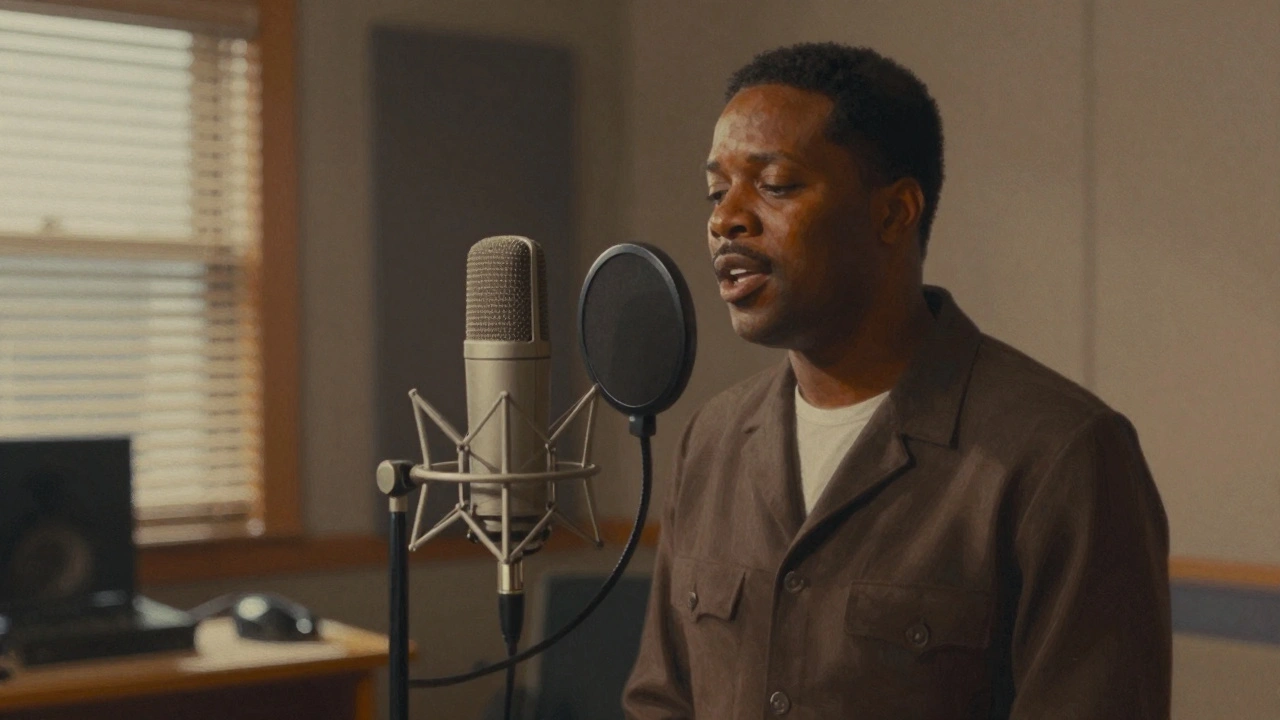
- Microphone Selection: They likely use vintage large-diaphragm condensers known for capturing low-end warmth and transient detail. These mics pick up the subtle air movements and lip pops that add realism.
- Minimal Compression: Heavy compression squashes the dynamic range, making quiet parts loud and loud parts quieter. This kills the natural swell of emotion. Starr’s tracks often feature lighter compression, allowing her breathy whispers to remain whisper-quiet and her belts to hit hard.
- Spatial Effects: Instead of generic reverb, they use plate reverbs with short decay times. This adds a sense of space without washing out the intricate textures of her voice. Delay throws are used sparingly to emphasize key words, creating a conversational echo.
These production decisions ensure that the listener hears the voice as close to the source as possible. There is no wall of sound hiding behind the vocals. The voice is front and center, naked and exposed.
How Singers Can Develop Their Own Tone Palette
You don’t have to be Alli Starr to benefit from thinking about tone coloring. Every singer has a unique palette. The key is awareness. Here is how you can start exploring your own vocal textures:
- Record Yourself Daily: Listen back critically. Do you sound monotone? Are you always using the same brightness level? Identify your default settings.
- Experiment with Vowel Shapes: Change the shape of your mouth and tongue. A wider smile brightens the tone; a rounded lip position darkens it. Try singing the same line with different vowel modifications.
- Practice Breath Control: Learn to vary the amount of air you use. Try singing a phrase with 10% air (tight, focused) and then with 90% air (loose, breathy). Notice the emotional difference.
- Explore Distortion Safely: If you want grit, learn to engage your false folds gently. Start with a light fry and build up. Never push through pain. Use a mirror to check for tension in your neck and jaw.
- Act Out the Lyric: Your body affects your voice. If you’re angry, your shoulders rise and your voice tightens. If you’re sad, your posture slumps and your voice drops. Let your physical state influence your tone.
Remember, the goal is not to copy Alli Starr. The goal is to expand your toolbox so you can express any emotion with precision. Tone coloring is about honesty. If the lyric is happy, your tone should reflect that. If it’s tragic, let your voice carry that weight.
The Future of Soulful Vocals in Modern Music
We are seeing a resurgence of textured vocals in mainstream music. Listeners are tired of auto-tuned, quantized perfection. They crave humanity. Artists like Adele, H.E.R., and Leon Bridges have paved the way, but voices like Alli Starr’s represent the next evolution: hyper-specific, nuanced, and deeply personal.
This trend suggests a shift in industry standards. Technical proficiency will still matter, but it will no longer be the primary metric of success. Emotional resonance will take precedence. Producers will look for singers who can bring character to a track, not just pitch.
For aspiring artists, this is good news. You don’t need perfect technique to be heard. You need a unique voice and the courage to use it authentically. Focus on developing your tone palette. Explore the edges of your comfort zone. Let your imperfections shine. In the world of soul expression, vulnerability is strength.
What is tone coloring in singing?
Tone coloring refers to the intentional modification of the harmonic content of the voice to convey specific emotions. It involves changing the brightness, darkness, warmth, or coldness of the sound through adjustments in resonance placement, vowel shaping, and laryngeal height. Unlike pitch, which is about note accuracy, tone coloring is about emotional nuance.
How does Alli Starr use vocal texture?
Alli Starr uses vocal texture by dynamically shifting between breathiness, clear chest resonance, and controlled distortion within a single performance. She avoids a uniform sound, instead matching the textural quality of her voice to the emotional arc of the lyrics. For example, she may use a breathy tone for intimate verses and a grittier, distorted tone for climactic choruses.
Can anyone learn to change their vocal tone?
Yes, most singers can learn to modify their vocal tone through practice. Techniques include adjusting vowel shapes, controlling breath support, and experimenting with resonance placement (chest vs. head voice). While some aspects of tone are physiological (like vocal fold thickness), many elements are controllable through muscle memory and conscious awareness.
Is vocal distortion safe for the voice?
Vocal distortion can be safe if done correctly. It involves engaging the false vocal folds without straining the true vocal folds. However, improper technique can lead to nodules or fatigue. Singers should seek guidance from a qualified vocal coach to learn healthy distortion techniques and never push through pain or discomfort.
Why is imperfection important in soul music?
Imperfection in soul music signals authenticity and emotional intensity. Cracks, breaks, and slight pitch deviations suggest that the singer is genuinely affected by the lyrics. Listeners connect with these human moments because they mirror real-life emotional experiences, making the performance feel more relatable and impactful than a technically perfect but emotionally distant rendition.