There is a specific kind of grit that comes from growing up in East Chicago, a city on the Indiana border known for its industrial history and resilient community spirit. It isn't just about the steel mills or the skyline; it is about the people who keep moving forward despite everything. When you listen to Alli Starr, an emerging artist whose music blends raw emotion with soulful melodies, you hear that resilience. Her storytelling isn't polished pop perfection. It is real, messy, and deeply rooted in where she came from.
If you are trying to understand why her voice hits so hard, you have to look at her early life. This isn't just a biography; it is a map of how environment shapes art. We are going to break down how the streets of East Chicago became the stage for her soul storytelling, and what that means for anyone who loves authentic music.
The Soundtrack of Growing Up in East Chicago
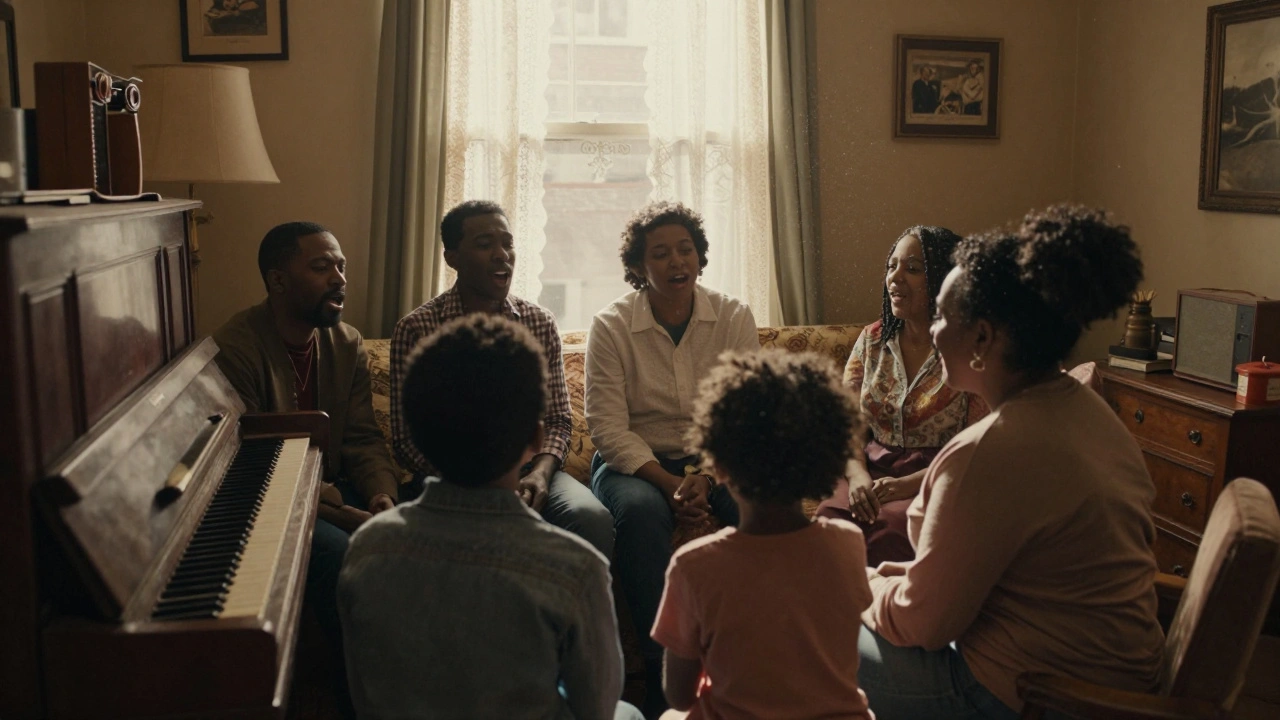
To get Alli Starr, you first have to get East Chicago. The city has a reputation. For decades, it was defined by heavy industry. Steel plants dominated the horizon. But beneath the smokestacks, there was a vibrant cultural pulse. Families worked hard, saved harder, and found joy in small moments-church choirs, block parties, and living room jams.
Alli grew up absorbing this soundscape. She didn't grow up in a vacuum. She heard the rhythm of machinery mixed with the cadence of her neighbors' conversations. This duality-the harshness of industrial life versus the warmth of community-is central to her sound. When she sings about struggle, it doesn't sound like a costume. It sounds like memory.
Think about your own hometown. What did it sound like? For Alli, it was the hum of the interstate, the shout of vendors, and the low murmur of gospel radio drifting through open windows. These aren't just background noises; they are the instruments of her early education. They taught her that music is not separate from life. It is part of the fabric of survival.
Early Life: Lessons Before the Stage
Alli Starr’s early years were marked by typical childhood challenges, but with an added layer of complexity due to her surroundings. She learned early on that words had weight. In tight-knit communities, gossip travels fast, and reputation matters. This made her thoughtful about communication. She watched her parents navigate financial stress without losing their dignity. She saw friends drift away or rise up. These observations became the raw material for her lyrics.
Her family played a huge role. Music wasn't a career path laid out for her; it was a coping mechanism. When things got tough at home, singing helped. It was a release valve. This is a common thread among many soul artists. The genre itself is built on expressing pain and hope simultaneously. Alli didn't choose soul because it was trendy. She chose it because it fit her emotional vocabulary.
She attended local schools where arts programs were often underfunded. Yet, she persisted. She joined the choir not because she wanted fame, but because she loved the harmony. That love for collective sound is still present in her work today. Even when she performs solo, you can feel the ghost of the choir behind her. It adds depth and texture that solo pop singers often lack.
The Birth of Soul Storytelling
So, what exactly is "soul storytelling"? It is more than just singing about feelings. It is about narrative arc. It is about taking a personal experience and making it universal. Alli Starr excels at this. She takes a specific moment-a fight with her brother, a job loss, a late-night drive-and turns it into a song that thousands of strangers can claim as their own.
This style draws heavily from the tradition of blues and gospel. Blues gives her the structure of complaint and resolution. Gospel gives her the power of vocal delivery and spiritual undertones. But she updates it. She uses modern production techniques while keeping the analog heart of the genre. This blend makes her accessible to younger audiences without alienating older fans who appreciate the classics.
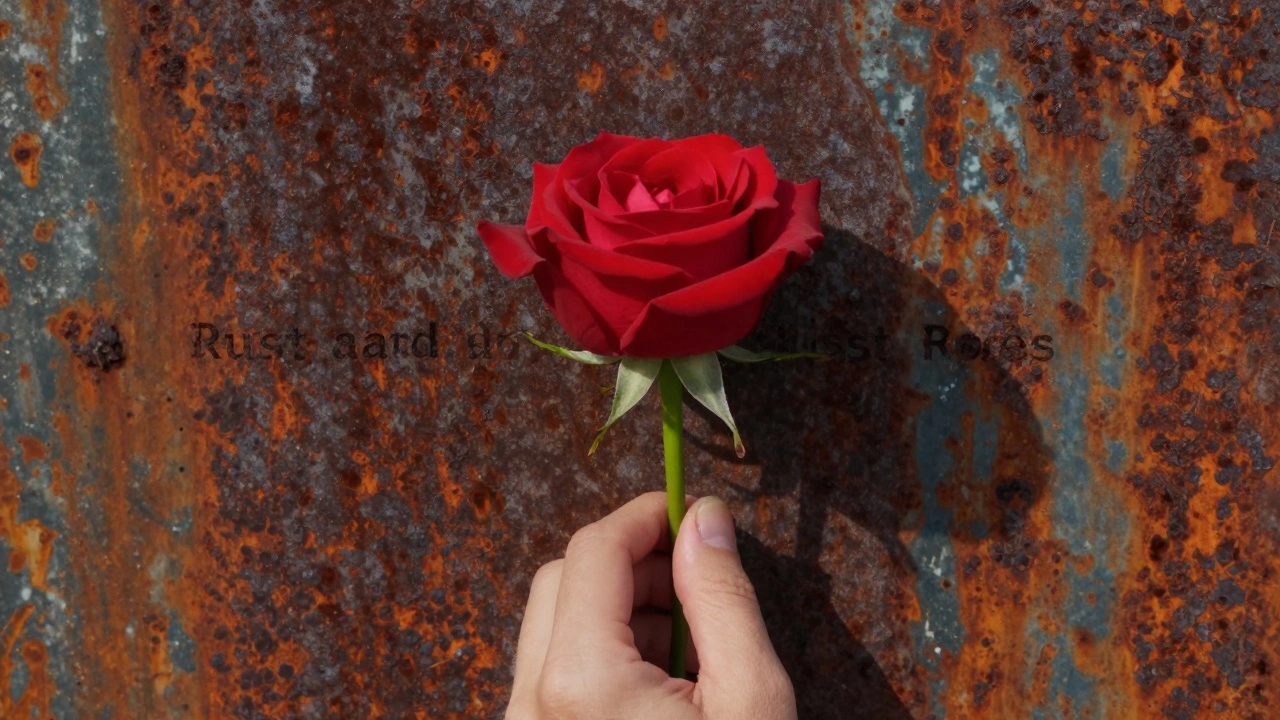
Consider her track "Rust and Roses." The title alone tells you everything. Rust represents the decay and hardship of her upbringing. Roses represent the beauty and growth that emerges from it. The song moves from a minor key verse describing struggle to a major key chorus celebrating endurance. That shift is intentional. It mirrors the journey of her early life. It teaches listeners that pain is not the end of the story.
Resilience as a Creative Fuel
Resilience is often used as a buzzword. But for Alli, it is a daily practice. Growing up in East Chicago required adaptability. You had to be resourceful. You had to find opportunities where others saw dead ends. This mindset translates directly to her creative process. When she hits a writer's block, she doesn't quit. She walks around the block. She talks to strangers. She listens to the city again.
Her resilience also shows in her business approach. The music industry is brutal. Many artists burn out after one hit. Alli builds slowly. She focuses on connecting with her core audience rather than chasing viral trends. This patience is rare. It comes from knowing that good things take time. It is a lesson learned from watching her community rebuild after economic downturns.
You see this in her live performances. She doesn't rely on flashy dancers or expensive pyrotechnics. She relies on her voice and her stories. She talks to the crowd between songs. She shares anecdotes from her childhood. This intimacy creates a bond that streaming numbers can't measure. People leave her shows feeling seen. That is the power of soul storytelling.
From Local Roots to Wider Recognition
As Alli Starr gained traction outside of Indiana, she faced a choice. Did she dilute her image to appeal to a broader market? Or did she stay true to her East Chicago roots? She chose the latter. And surprisingly, it worked. Audiences are hungry for authenticity. In a world of curated Instagram lives, her raw honesty stands out.
She began collaborating with producers who understood her vision. Instead of auto-tuning every note, they captured the cracks in her voice. Those imperfections became her signature. Critics started noticing. They praised her ability to convey complex emotions with simple language. This recognition opened doors to larger venues, but she never forgot where she started.
She even gave back to her community. She funded music workshops for kids in East Chicago. She wanted to give them the same outlet she had. This cycle of giving back reinforces her identity. It proves that her success is not just personal; it is communal. Her story is theirs too.
| Element | Influence | Impact on Music |
|---|---|---|
| East Chicago Environment | Industrial sounds, community bonds | Gritty, realistic lyrical themes |
| Family Dynamics | Financial stress, emotional support | Vulnerability and strength in vocals |
| Gospel Tradition | Church choirs, spiritual hymns | Soulful delivery, harmonic richness |
| Blues Heritage | Local musicians, historical records | Narrative structure, emotional depth |
| Modern Production | Digital tools, contemporary beats | Accessibility to younger audiences |
Why Her Story Matters Today
In an era where music is often disposable, Alli Starr’s work offers something lasting. It reminds us that art is connected to place. You cannot separate the artist from their environment. Her story validates the experiences of people from working-class backgrounds. It tells them that their struggles are worthy of being sung about.
For aspiring musicians, her path is a blueprint. It shows that you don't need to move to Los Angeles or New York to start. You can find inspiration right where you are. You just need to pay attention. You need to listen to the echoes of your own soul.
Her resilience is contagious. When you hear her sing about overcoming odds, you feel capable of doing the same. That is the ultimate goal of soul storytelling. It is not just entertainment. It is empowerment. It is a mirror held up to life, showing both the cracks and the light shining through them.
Where was Alli Starr born and raised?
Alli Starr was born and raised in East Chicago, Indiana. This city played a crucial role in shaping her musical style and lyrical content.
What defines Alli Starr’s "soul storytelling" style?
Her style combines raw emotional vulnerability with strong narrative arcs. She draws from blues and gospel traditions to create music that feels personal yet universally relatable.
How did East Chicago influence her music?
The industrial soundscape and tight-knit community of East Chicago provided the rhythmic and thematic foundation for her songs. It taught her resilience and the value of authentic expression.
Did Alli Starr face challenges in her early life?
Yes, she experienced financial stress and limited resources for arts education. However, these challenges fueled her creativity and determination to succeed on her own terms.
Is Alli Starr involved in her community?
Absolutely. She funds music workshops for children in East Chicago, aiming to provide young people with creative outlets similar to those she had as a child.