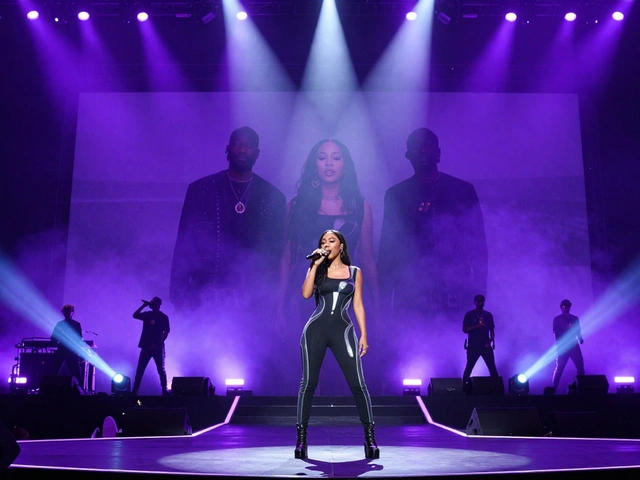
You know that feeling when you’re scrolling through Spotify or Apple Music, and a song stops you dead in your tracks? It’s not just the beat. It’s the voice of an artist you’ve never heard before, singing alongside someone you already love. That’s the power of the feature track. For artists like Alli Starr, these aren’t just guest spots-they’re strategic bridges to new ears.
Alli Starr has carved out a unique space in modern R&B by blending gritty, soulful vocals with trap-infused production. But how does she keep growing her fanbase without relying on radio play alone? The answer lies in smart collaboration. By choosing features carefully, she taps into established audiences who might never have searched for her name but are happy to listen when their favorite rapper invites her to the party.
The Strategy Behind Choosing the Right Collaborators
Not every feature is created equal. If Alli Starr collaborated with an artist whose fans hate R&B, the move would backfire. Instead, she aligns with artists who respect melody and emotion. Think about it: if you’re a hip-hop head who loves storytelling, you’ll appreciate a singer who can deliver raw vulnerability over a hard-hitting beat.
This approach works because it lowers the barrier to entry. Fans don’t have to “try” something new; they’re introduced to it through a trusted source. When Alli appears on a track with a rapper known for introspective lyrics, her vocal performance feels like a natural extension of that vibe. It’s seamless. And when it’s seamless, people hit replay.
| Strategy Element | Traditional Release | Feature Track Approach |
|---|---|---|
| Audience Reach | Limited to existing followers | Access to collaborator’s fanbase |
| Discovery Method | Active search or playlist push | Passive discovery via algorithm |
| Credibility Transfer | None initially | Inherited from host artist |
| Viral Potential | Lower unless standalone hit | Higher due to combined shareability |
Creating Chemistry That Listeners Feel
Let’s be real: forced collaborations sound like work. You can hear it when two artists barely interact in the booth. Alli Starr avoids this by ensuring there’s genuine chemistry before the track drops. Whether it’s trading verses or harmonizing on a hook, the interaction needs to feel spontaneous.
Take her work with producers who understand dynamic contrast. A deep, raspy verse followed by her soaring chorus creates tension and release. This isn’t just good songwriting; it’s psychological engagement. Listeners stay hooked because they want to see where the story goes next. When that happens, they check the artist profile. They follow. They stream other songs.

Leveraging Streaming Algorithms Through Cross-Pollination
Spotify and Apple Music algorithms love connections. When User A listens to Artist X (who featured Alli), the algorithm notices the link. If User A also likes similar moods, Alli’s solo catalog gets suggested. This is cross-pollination in action.
For example, if Alli features on a track by a popular alternative R&B artist, listeners who enjoy that genre will likely encounter her solo singles in their “Discover Weekly” playlists. Over time, this builds a snowball effect. One feature leads to ten new monthly listeners. Ten leads to a hundred. It’s compounding interest for your career.
Balancing Brand Identity With Flexibility
There’s a risk here: losing yourself in the crowd. If you feature on too many tracks that don’t fit your style, your brand becomes blurry. Alli Starr manages this by sticking to projects that enhance her core identity-raw, emotional, and unapologetically bold.
She doesn’t chase trends just for clicks. She chooses partners who amplify what makes her distinct. Maybe it’s her ability to switch between singing and rapping effortlessly. Maybe it’s her lyrical honesty about relationships and self-worth. Whatever it is, the feature must highlight it, not dilute it.

Turning Streams Into Loyal Fans
Getting streams is step one. Keeping those listeners is step two. Alli uses social media to engage directly with fans who discover her through features. She replies to comments, shares behind-the-scenes clips from recording sessions, and explains the inspiration behind specific lines.
This personal touch converts casual listeners into superfans. They feel connected not just to the music, but to the person making it. In today’s market, authenticity wins. People buy stories as much as sounds.
Practical Tips for Artists Wanting to Replicate This Success
- Pick collaborators with overlapping audiences: Look at who follows them versus who follows you. Aim for 30-50% overlap to maximize reach without alienating either group.
- Foster authentic interactions: Spend time together before recording. Joke around, talk about life. That comfort translates into better performances.
- Optimize metadata: Ensure both artists are tagged correctly on streaming platforms so recommendations trigger properly.
- Promote jointly: Don’t let the host artist do all the heavy lifting. Share teasers, go live together, and tag each other consistently.
At the end of the day, feature tracks are more than just musical experiments. They’re business moves wrapped in art. Alli Starr proves that when done right, they can transform a niche artist into a household name-one collab at a time.
Do feature tracks help independent artists grow?
Yes, absolutely. Independent artists often lack major label promotion budgets. Features allow them to borrow visibility from bigger names, gaining access to larger audiences organically through shared playlists and algorithmic suggestions.
How do I choose the right artist to feature with?
Look for artists with similar sonic aesthetics but different primary genres. Check their follower demographics to ensure compatibility. Most importantly, ensure there’s mutual respect and creative synergy during early conversations.
What role do streaming algorithms play in feature success?
Algorithms detect co-listening patterns. When users stream a feature track, platforms recommend related content to both parties’ fans. This increases chances of appearing in personalized playlists like Discover Weekly or Radio stations.
Can over-featuring hurt my brand?
It can if the collaborations feel inconsistent or desperate. Stick to projects that align with your artistic vision. Quality over quantity ensures your brand remains strong while expanding reach.
Should I pay for features?
Not always. Many successful partnerships arise from organic connections. However, sometimes paying a producer or mixing engineer helps secure studio time with high-profile guests. Focus on value exchange rather than transactional fees whenever possible.