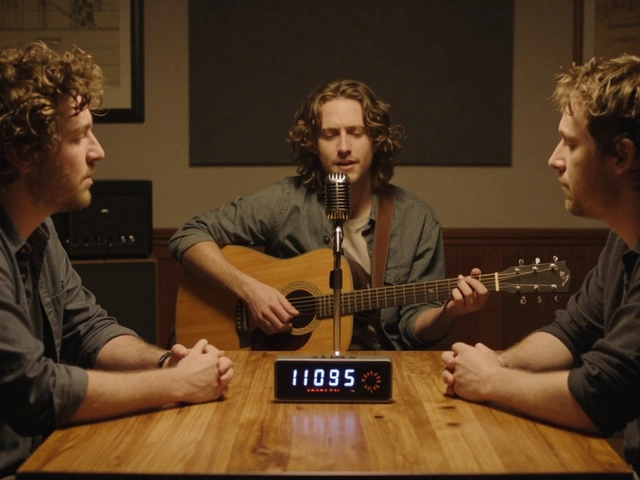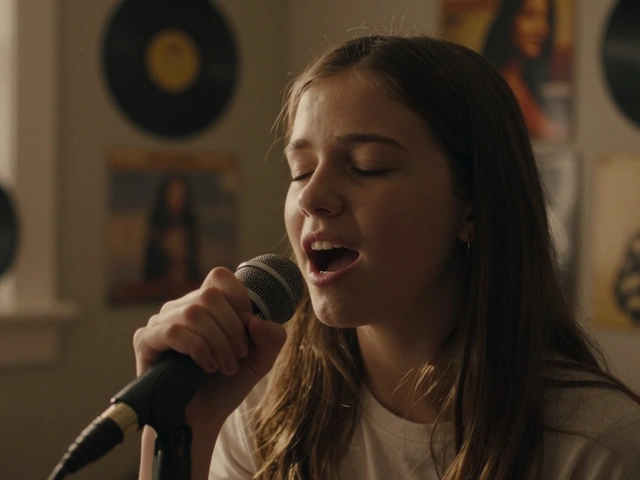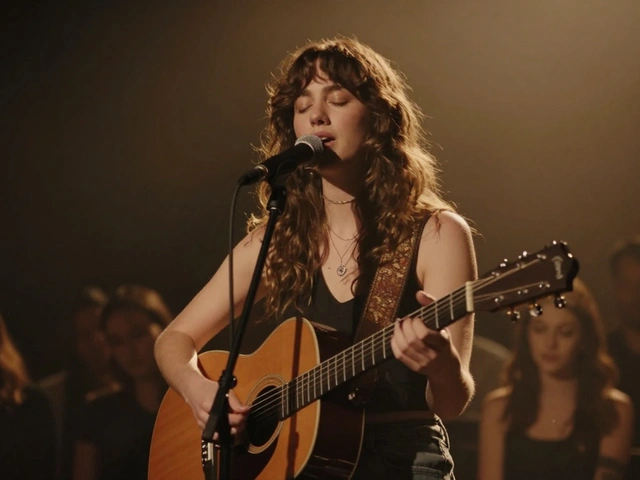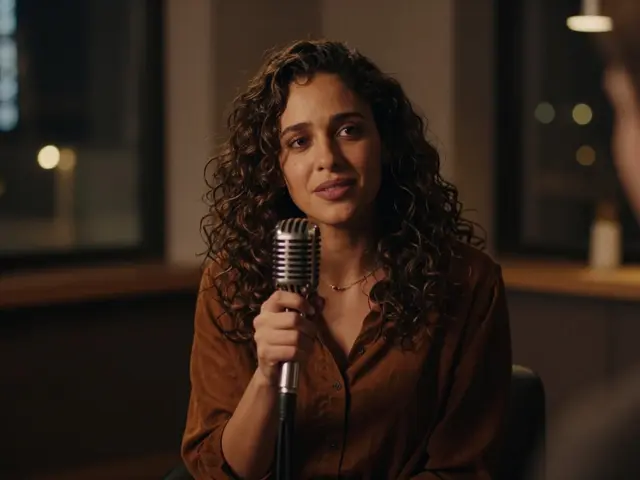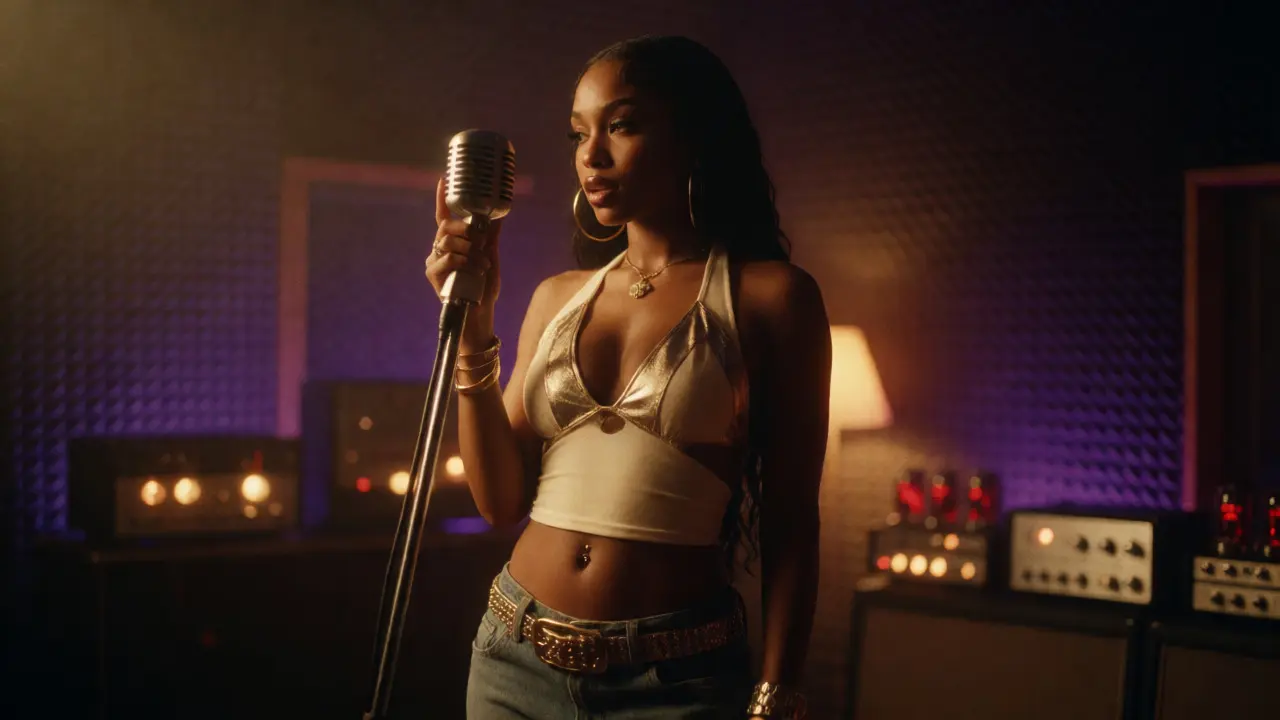
You drop a song. It gets streams. Then it fades into the digital ether, lost among millions of other tracks. Now, imagine if that same song had a second life-a visual identity that keeps people talking about it long after the audio ends. That is exactly what Alli Starr does with her visual release pairing strategy. She doesn't just release music; she packages it as a complete experience, turning a single track into a multi-faceted asset for her recording catalog.
This isn't just about looking cool on Instagram. For independent artists, especially those in the R&B and pop spaces like Starr, visuals are leverage. They multiply the value of your work. If you're sitting on a backlog of unreleased demos or struggling to get traction on new singles, understanding how to pair audio with video strategically could change your entire trajectory. Let's break down why this works and how you can apply it.
The Problem With Audio-Only Releases
Here’s the hard truth: attention spans are shrinking, but discovery algorithms are getting smarter. Spotify and Apple Music reward consistency, but they don't necessarily reward depth. When you release an audio-only track, you have one hook. Once the listener skips or finishes, that's often it. The connection is thin.
Music videos act as a retention tool. They give fans something to watch, share, and dissect. Think about the last time you watched a video multiple times just to catch the details-the outfit, the choreography, the hidden easter eggs. You weren't just listening; you were engaging. This engagement signals to platforms that your content is sticky. And sticky content gets pushed to more people.
For someone like Alli Starr, whose aesthetic blends nostalgic Y2K vibes with modern production, the visual component isn't optional-it's integral to the brand. Without it, the music might land, but it won't stick. The video provides context, mood, and narrative that audio alone cannot convey efficiently.
What Is Visual Release Pairing?
So, what exactly is visual release pairing? It is a marketing and artistic strategy where an artist releases a music video simultaneously or shortly after a single, treating them as a unified product rather than separate entities. Unlike traditional rollouts where the video might come weeks later (or never), pairing ensures maximum impact at launch.
This approach serves several jobs-to-be-done:
- Maximizing Launch Impact: Concentrating attention on one moment creates a spike in metrics rather than a trickle.
- Defining Artist Identity: Visuals cement who you are before the next song drops.
- Creating Shareable Assets: Clips from videos are easier to post on TikTok and Reels than full songs.
- Boosting Catalog Depth: Each release becomes two assets (audio + video) instead of one.
Alli Starr exemplifies this by ensuring her visuals match the sonic texture of her records. If the beat is smooth and retro, the video looks grainy and warm. If the track is upbeat, the editing cuts faster. This cohesion makes the package feel premium, even if the budget wasn't Hollywood-level.
Case Study: Alli Starr’s Strategic Aesthetic
Let's look at how this plays out in practice. Alli Starr has built a reputation for high-concept, visually rich projects. Take her work around the "Mood" era or similar singles. The videos aren't just performances; they are short films. They feature specific color palettes, recurring motifs, and stylistic choices that align perfectly with the lyrical themes.
Why does this matter for her recording catalog? Because each video adds layers to the interpretation of the song. Fans discuss the symbolism. Critics analyze the direction. This conversation extends the lifecycle of the track. Instead of dying after two weeks, the song stays relevant because the video keeps circulating on social media.
Moreover, these visuals create a cohesive universe. When you binge-watch an artist's discography, you start to see patterns. This encourages listeners to go back and check out older tracks to see if they fit the same visual language. It turns casual listeners into superfans who want to consume everything you've ever made.
How Visuals Multiply Catalog Value
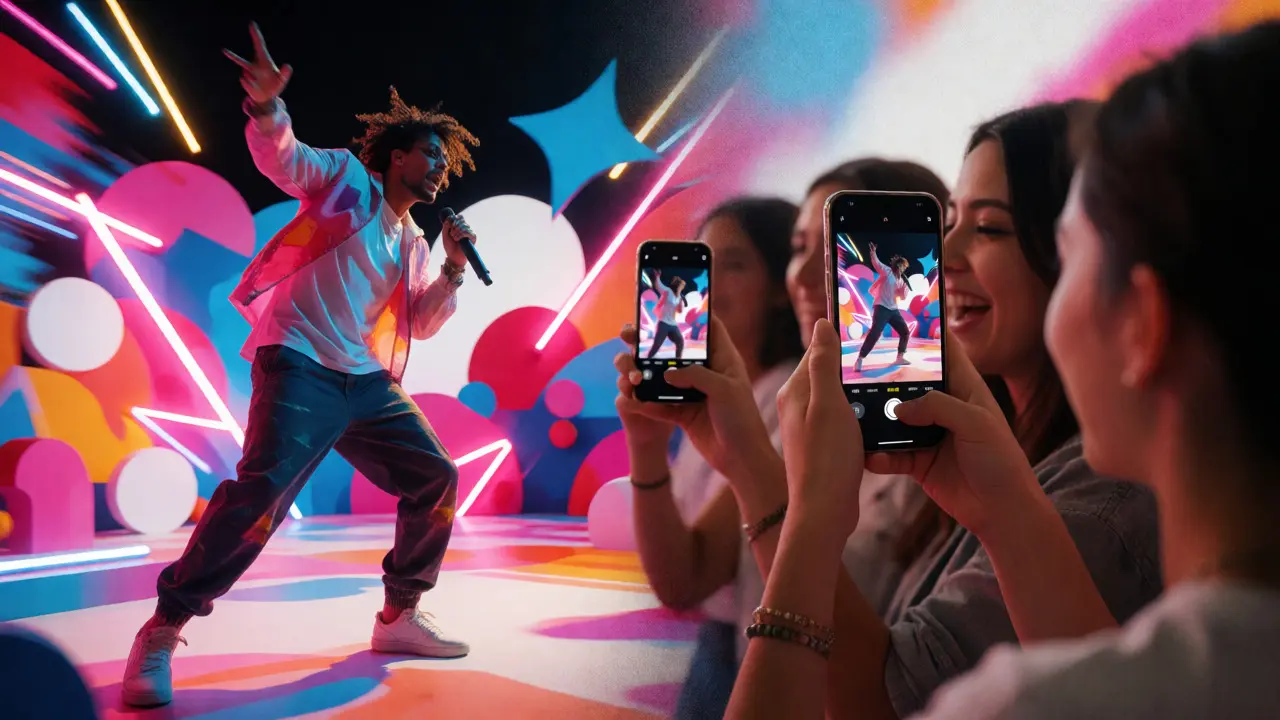
You might be thinking, "I'm not a big label artist. I can't afford a $50,000 video." That's a misconception. The goal isn't perfection; it's presence. Even low-budget visuals, if styled correctly, can double the perceived value of a release.
Here is how visuals directly impact catalog economics:
| Metric | Audio-Only Release | Paired Audio + Video |
|---|---|---|
| Average Watch Time | N/A | 3-5 minutes per view |
| Social Shares | Low (text/audio only) | High (visual clips) |
| Search Volume | Artist Name + Song Title | Artist Name + Video/Song Title |
| Merchandise Sales | Baseline | +15-20% (visual appeal drives desire) |
| Playlist Pitch Success | Standard | Higher (curators prefer complete packages) |
Notice the merchandise line. When fans connect with the aesthetic of a video, they want to wear that vibe. Alli Starr's stylized looks often inspire fan art and fashion choices, which translates directly to sales. Your catalog isn't just audio files; it's a lifestyle brand.
Practical Steps to Implement Pairing
If you want to replicate this success, you don't need a massive team. You need a plan. Here is a simplified workflow for releasing paired content:
- Concept First: Before shooting, write down three words that describe the song's mood. Use these to guide your visual direction. If the song is "melancholic," maybe your video uses blue tones and slow motion.
- Budget Wisely: Allocate 40% of your release budget to visuals. Rent good lights before renting expensive cameras. Lighting makes cheap gear look professional.
- Edit for Social: Create 15-second vertical cuts specifically for TikTok and Instagram Reels during the edit phase. Don't try to re-edit later; design for the platform.
- Release Simultaneously: Drop the audio and video within 24 hours of each other. Ideally, premiere the video on YouTube while the song goes live on streaming services.
- Engage Immediately: Post behind-the-scenes clips right after release. Ask fans what their favorite scene was. Drive comments early.
This process turns a single upload into a week-long event. You are no longer just publishing a file; you are hosting a premiere.
Pitfalls to Avoid
Not every video helps. Poorly executed visuals can actually hurt your brand. Here are common mistakes indie artists make:
- Inconsistent Aesthetic: If one video is gritty black-and-white and the next is bright neon without reason, fans get confused. Stick to a core visual identity unless you are intentionally pivoting.
- Ignoring Audio Quality: Never sacrifice sound for visuals. If the mix is bad, no amount of pretty footage will save the stream count.
- Overcomplicating the Narrative: Not every song needs a plot. Sometimes performance-based videos are stronger. Match the complexity of the video to the complexity of the lyrics.
- Delayed Release: Waiting three months to drop the video kills momentum. By then, the algorithm has moved on. Keep the gap short.
Alli Starr avoids these by maintaining strict creative control over her image. She knows when to use abstraction and when to show face. This clarity prevents dilution of her brand.
Long-Term Benefits for Your Catalog
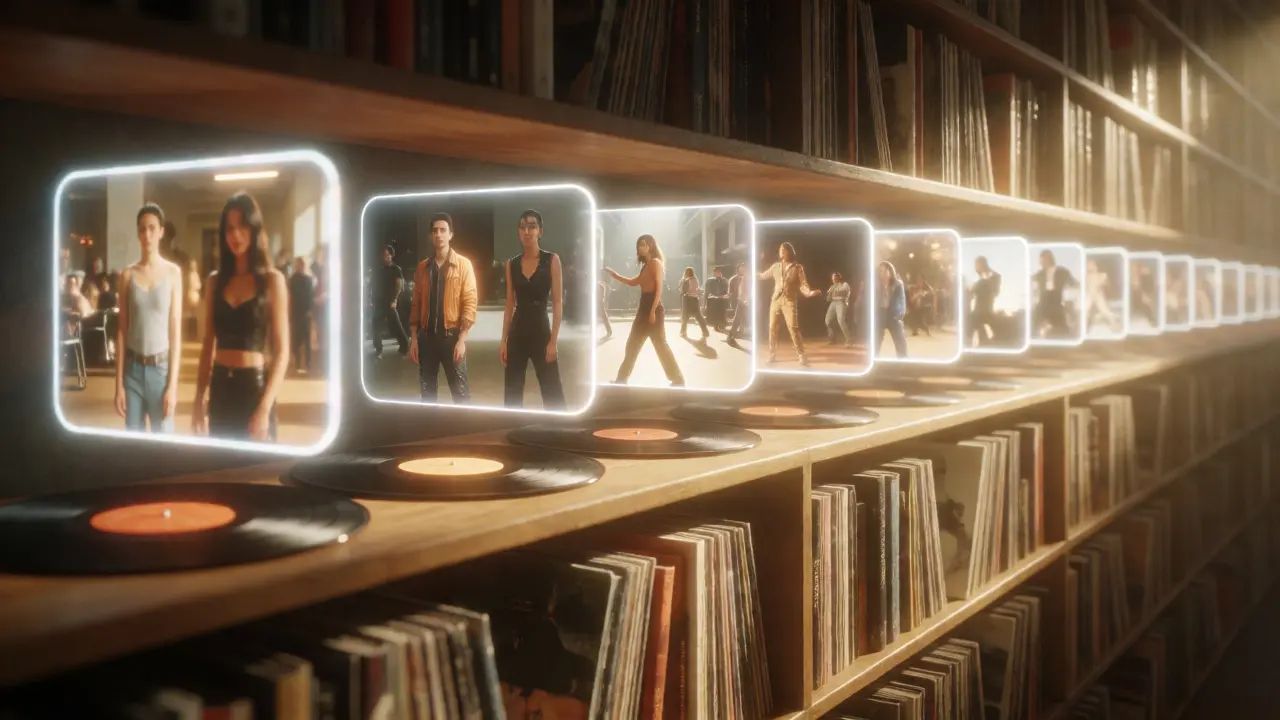
Think about your career in five years. Do you want a folder of MP3s, or do you want a library of multimedia assets? Visuals age differently than audio. Great videos become cultural references. They appear in playlists titled "Best Indie Music Videos of 2026." They get featured in blogs. They keep your name searchable.
Furthermore, licensing opportunities increase. Brands looking for sync deals often browse video platforms first. If your video has a distinct look, it stands out to supervisors. An audio-only track is invisible in that ecosystem until someone hears it. A video is visible immediately.
By treating your recording catalog as a visual archive, you future-proof your income streams. You are building equity in your intellectual property, not just chasing temporary streams.
Frequently Asked Questions
Do I need a big budget to make effective music videos?
No. Many successful indie artists use smartphones and natural light. The key is creativity and consistency, not expensive equipment. Focus on strong composition and color grading rather than camera specs.
How soon should I release the video after the song?
Ideally, release the video within 24 to 72 hours of the audio drop. This maximizes initial buzz and gives fans immediate content to engage with. Delaying too long fragments your audience's attention.
Can visuals help if my song doesn't get playlisted?
Yes. Visuals drive organic traffic through social shares and direct searches. Even without playlist support, a compelling video can generate views via YouTube recommendations and social media algorithms, leading to new listeners.
What is the best length for a music video?
Match the length of the song. However, consider creating shorter, edited versions (15-60 seconds) specifically for social media platforms like TikTok and Instagram Reels to maximize reach.
Does releasing videos affect streaming royalties?
Directly, no. Royalties come from audio streams. However, videos drive traffic to your audio page, increasing stream counts indirectly. More streams mean higher royalty payouts over time.
Next Steps for Artists
If you haven't released a video yet, pick your strongest recent single. Draft a simple concept using the three-word method mentioned earlier. Scout a location that matches the mood. Schedule a shoot day. Edit it quickly. Release it. See what happens.
For those already doing this, audit your past releases. Did the visuals align with the audio? Did you promote them effectively? Adjust your strategy based on data. Look at where viewers dropped off in your videos. Was it boring? Too chaotic? Use that feedback to refine your next pairing.
Your catalog is waiting to be seen, not just heard. Treat it with the respect it deserves, and let the visuals do the heavy lifting.