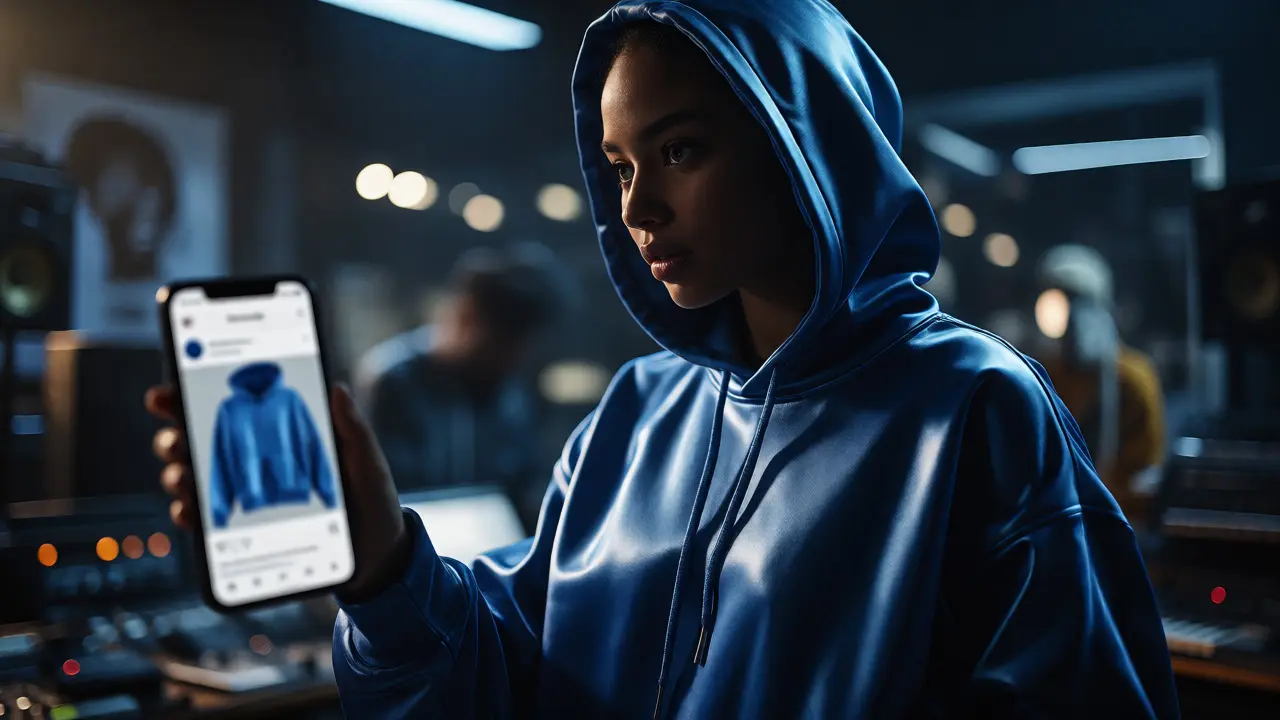
Ever wonder why some artists seem to have a line around the block for a t-shirt while others struggle to move inventory? It isn’t just about having a big following. It’s about timing. Take Alli Starr, an emerging force in the R&B and pop scene who has mastered the art of tying physical products to digital releases. She doesn’t just drop a song; she launches a moment. This approach transforms passive listeners into active participants, creating a sense of urgency that pure audio streaming can’t replicate.
The core of Alli Starr’s product strategy lies in synchronization. When a new single hits the airwaves, her merchandise isn’t sitting in a warehouse waiting for a generic online store update. Instead, specific items are teased weeks in advance, aligned with the visual aesthetic of the music video or the lyrical themes of the track. This creates a cohesive narrative. If you’re listening to "Cry Baby," you aren’t just hearing heartbreak; you’re wearing it. This psychological link between emotion and object is powerful. It turns a piece of cotton into a memory token.
Why Timing Matters More Than Design
Most independent artists make the mistake of designing merch months before a release, only to launch it when the hype has died down. Alli Starr flips this script. Her team analyzes social media sentiment during the pre-save phase. They look at which lyrics are being quoted most on TikTok or Instagram Stories. Then, they design limited-run apparel featuring those exact phrases. This data-driven approach ensures that the product resonates with what fans are already talking about.
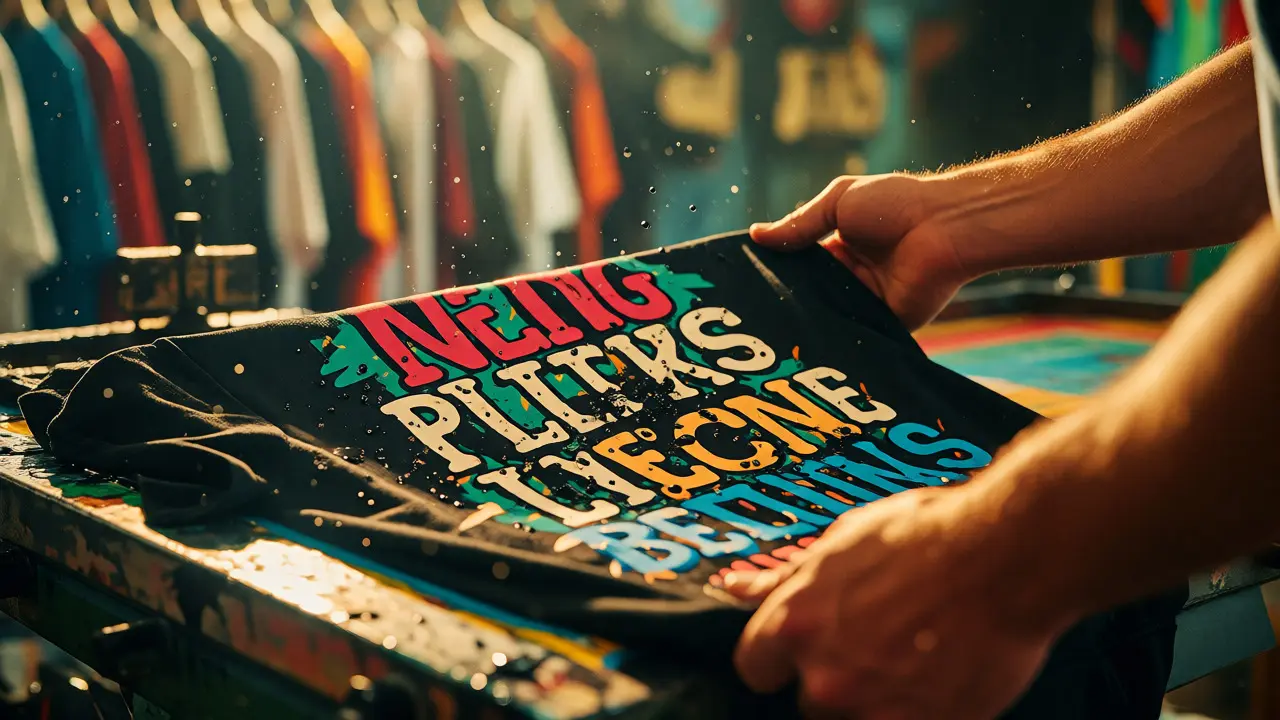
Consider the mechanics of a typical drop cycle. A single is announced two weeks out. During this window, behind-the-scenes content shows the screen-printing process. Fans see the ink hitting the fabric. They feel involved in the creation. By the time the song drops, the merch feels like an exclusive club membership rather than a transaction. This scarcity model works because it leverages the Fear Of Missing Out (FOMO). Once the initial run sells out, it rarely comes back in the same form. This preserves the value of early purchases.
The Psychology of Limited Editions
Limited editions aren’t just a marketing gimmick; they tap into deep behavioral economics. When supply is artificially constrained, perceived value skyrockets. Alli Starr’s drops often cap quantities at 500 or 1,000 units. This number is small enough to sell out quickly but large enough to reach a significant portion of her dedicated fanbase. The result? A rapid sell-out that generates buzz for the next release.
This strategy also helps with cash flow. Pre-orders funded by hype allow artists to cover production costs upfront. There’s no risk of sitting on unsold stock. For independent artists, this financial safety net is crucial. It allows them to reinvest profits into higher-quality materials or better packaging, further enhancing the unboxing experience. When a fan receives a package that smells like the scent mentioned in the song, or includes a handwritten note, the connection deepens. It’s no longer just a purchase; it’s a relationship.
| Feature | Traditional Tour Merch | Single-Tied Drops (Alli Starr Model) |
|---|---|---|
| Release Timing | Months after album release | Synchronized with single launch |
| Inventory Risk | High (overproduction common) | Low (pre-order based) |
| Fan Engagement | Passive (buy if available) | Active (anticipation driven) |
| Design Focus | Logo-centric | Narrative/Lyric-centric |
| Resale Value | Low | High (due to scarcity) |
Visual Cohesion Across Platforms
One of the standout elements of Alli Starr’s strategy is visual consistency. The color palette of the single’s cover art directly influences the merch colors. If the single features cool blues and silvers, the hoodies follow suit. This makes the merch instantly recognizable as part of that specific era of her career. Fans don’t just buy a hoodie; they buy into the "Blue Era." This segmentation helps collectors organize their wardrobes by musical phases, much like vinyl collectors organize records by year.
Social media plays a pivotal role here. Teasers aren’t just static images. They are short clips showing the merch in motion-models dancing to snippets of the unreleased track. This cross-pollination of audio and visual cues reinforces brand identity. When fans see these posts, their brains begin to associate the sound with the texture of the fabric. By the time they hit the checkout button, the decision feels intuitive, not calculated.
Community Feedback Loops
Alli Starr doesn’t guess what fans want; she asks. Before finalizing designs, her team often runs polls on Instagram Stories. Should the graphic be on the front or back? What font style fits the vibe? This involvement gives fans ownership over the product. When people help create something, they are more likely to buy it. It’s a simple principle of behavioral psychology: the IKEA effect. We value things more when we’ve contributed to their creation.
This feedback loop also serves as market research. If a poll reveals that fans prefer oversized fits over slim cuts, the entire production run adjusts accordingly. This agility is something major labels often lack due to rigid supply chains. Independent artists leveraging direct-to-consumer models can pivot quickly. They can change a supplier, adjust a print method, or alter a size range within days. This responsiveness builds trust. Fans know that their opinions matter, which fosters loyalty that transcends any single song.

Leveraging Scarcity Without Alienating Fans
There’s a fine line between exclusivity and frustration. If you drop too few items, fans miss out and get angry. If you drop too many, the item loses its special status. Alli Starr walks this tightrope by offering tiered access. Superfans who subscribe to her newsletter or join her Discord server get early access to the drop. General fans get access 24 hours later. This rewards dedication without completely excluding casual listeners.
Moreover, post-drop communication is key. Even if someone misses the first wave, they receive updates on potential restocks or related accessories. Maybe the hoodie sold out, but the tote bag tied to the same single is still available. This keeps the conversation going. It prevents the silence that often follows a failed launch. Instead of a dead end, it becomes a different path forward.
Measuring Success Beyond Sales
While revenue is important, Alli Starr’s team tracks other metrics. They monitor how often merch photos are tagged on social media. User-generated content is free advertising. Every selfie taken in a new tee is a billboard. They also track repeat purchase rates. Do buyers of one single’s merch return for the next? High retention indicates that the brand strength is growing, not just the popularity of individual songs.
Another metric is referral traffic. Did someone click the link in bio from a Spotify playlist description? Or did they find the store through a friend’s Instagram story? Understanding these pathways helps optimize future campaigns. If TikTok drives most sales, resources shift there. If email lists convert better, investment goes into newsletter growth. Data guides intuition, ensuring that each drop is smarter than the last.
This holistic view of success ensures that merch isn’t just a side hustle. It’s a core component of the artistic expression. It extends the life of the music beyond the three-minute track. It allows fans to carry the artist’s message with them physically. In an age where attention spans are shrinking, creating tangible artifacts of digital moments is a brilliant survival strategy.
How does Alli Starr decide which singles get merch?
She typically selects singles with strong visual concepts or viral potential. Tracks that generate high engagement on social media platforms like TikTok are prioritized because they indicate existing fan interest. The goal is to capitalize on momentum rather than creating demand from scratch.
Are the merch drops always limited edition?
Yes, most drops are limited runs to maintain exclusivity and manage inventory risk. However, staple items like basic logo tees may remain available year-round. Special collaborations or single-specific designs usually disappear once the initial batch sells out.
How far in advance are teasers released?
Teasers typically start two weeks before the single release. This period allows for pre-saves, social media hype building, and gathering fan feedback on design choices via polls. The actual drop usually coincides with the song’s release date.
What happens if I miss a drop?
If you miss a limited drop, your best bet is to check resale markets or wait for potential restocks of popular items. However, many single-specific items do not restock. Following the artist’s newsletter is the best way to get alerts about future opportunities or similar upcoming releases.
Does buying merch support the artist more than streaming?
Generally, yes. Streaming payouts per play are fractions of a cent. A $30 t-shirt might yield $10-$15 in profit after costs. One sale equals thousands of streams. For independent artists, merch sales are often the primary income source that funds touring and recording.