
You know that sinking feeling when you check your streaming royalties and realize you need to listen to your own song four million times just to buy a sandwich? It’s the trap of the modern musician. We’re taught to chase streams, but the math rarely adds up for anyone outside the top 0.1%. Enter Alli Starr, an independent R&B artist who cracked the code not by waiting for a label deal, but by treating her art like a diversified portfolio.
Alli didn’t just release songs; she built ecosystems around them. Her approach isn’t about working harder-it’s about working smarter across multiple channels. If you’re an indie artist wondering how to stop living paycheck-to-paycheck while chasing fame, look at how Alli structured her business. She turned a niche audience into a sustainable livelihood. Here’s how you can apply her playbook to your own career right now.
The Myth of the Single Income Source
Most artists think their job is to make music. That’s wrong. Your job is to run a media company where music is the product. When you rely solely on Spotify or Apple Music payouts, you’re vulnerable. One algorithm change, one playlist removal, and your income evaporates. Alli Starr recognized this fragility early on. She treated streaming as marketing, not money.
Think about it: if a stream pays $0.003, you need roughly 333 streams to earn a dollar. Now factor in distribution fees and taxes. You’re essentially paying people to listen to you. Alli flipped this script. She used free or low-cost access to build trust, then monetized that trust elsewhere. This shift from "selling units" to "building relationships" is the foundation of her model.
Leveraging Direct-to-Fan Platforms
If there’s one tool Alli Starr leaned on heavily, it’s direct connection. Platforms like Patreon or Bandcamp allow you to bypass intermediaries entirely. Instead of hoping a curator picks you, you ask your superfans directly for support.
Alli offered tiers that went beyond simple downloads. She provided behind-the-scenes content, early access to demos, and even personalized shout-outs. Why does this work? Because fans don’t just want the final product; they want to feel involved in the journey. By offering exclusivity, she created a sense of community. This isn’t charity; it’s a subscription service for intimacy and access.
Here’s the key takeaway: Stop giving away everything for free on social media. Use Instagram or TikTok to show snippets, but keep the full experience locked behind a paywall or a membership tier. This trains your audience to value your time and effort.
Diversification Through Merchandising
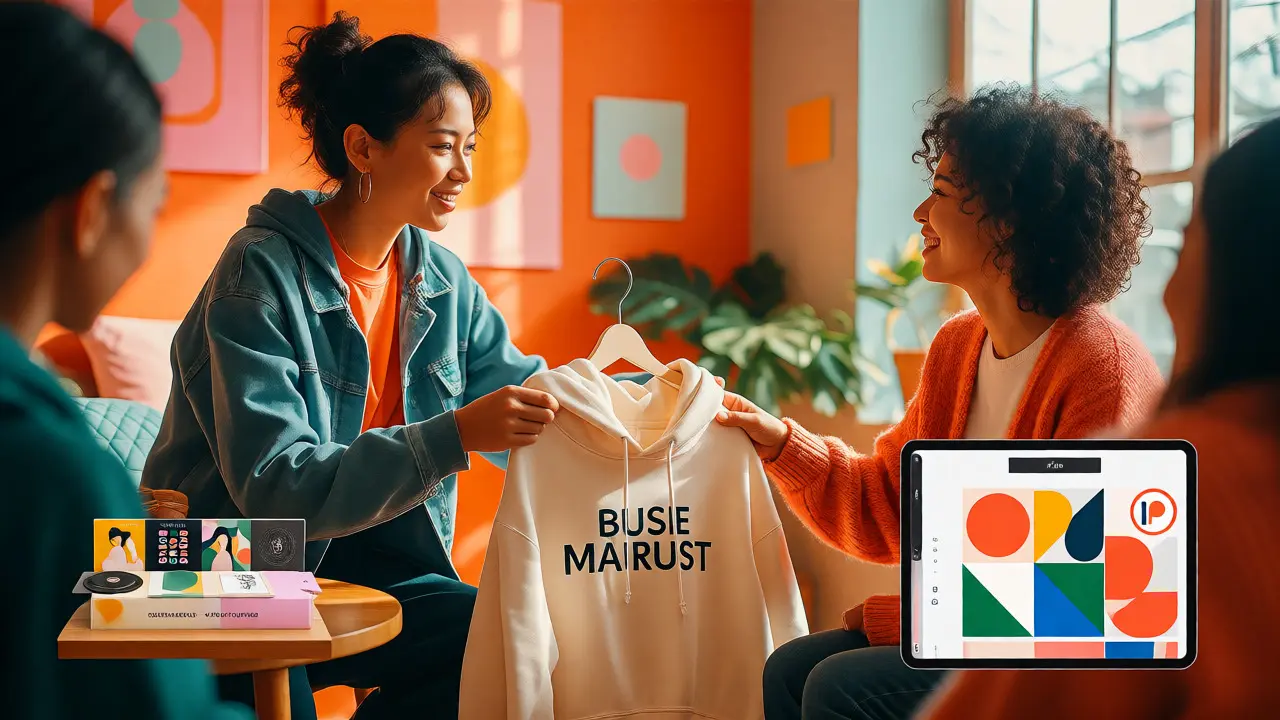
Merch isn’t just t-shirts with your logo slapped on them. For Alli, merch was an extension of her brand identity. She collaborated with local designers in Portland (yes, we’re neighbors!) to create limited-run apparel that felt high-quality rather than cheap swag.
| Feature | Traditional Merch | Strategic Merch (Alli Style) |
|---|---|---|
| Production | Bulk orders, high risk | Print-on-demand or small batches |
| Design | Logo-centric | Lifestyle/Aesthetic-focused |
| Pricing | Low margin ($15-$20) | Higher perceived value ($40+) |
| Marketing | Sold at shows only | Integrated into digital funnel |
Notice the difference? The strategic model treats merch as a fashion statement, not a souvenir. Alli dropped collections tied to album themes, creating urgency. "Buy this hoodie because it matches the vibe of my new single," becomes a compelling pitch. Plus, by using print-on-demand services initially, she avoided inventory nightmares. You don’t need to mortgage your house to start selling clothes.
Syndication and Licensing Opportunities
While touring brings cash flow, licensing brings passive income. Alli actively pitched her tracks for sync opportunities-TV shows, commercials, and video games. This is often overlooked by indie artists who think they need a major publisher to get placed.
You don’t. Platforms like Artlist, Epidemic Sound, or Musicbed connect independent creators with brands. These deals might range from $500 to $5,000 per placement, which dwarfs streaming royalties instantly. Alli optimized her metadata so her songs were searchable by mood and genre, making it easier for supervisors to find her.
Treat your catalog like a library. Tag every file meticulously. Is it upbeat? Melancholy? Cinematic? The more descriptive you are, the higher your chances of being discovered by someone with a budget.
Collaborations as Multipliers
Working alone is lonely and slow. Alli grew her audience faster by collaborating with producers and vocalists outside her immediate circle. But here’s the trick: she didn’t just feature them; she co-owned the project. Splitting masters and publishing rights upfront prevents headaches later.
When you collaborate, you tap into another artist’s fanbase. It’s cross-pollination. If Artist A has 10k listeners and Artist B has 10k, a collab doesn’t just give you 20k; it introduces each group to new tastes. Alli used these features to bridge genres, bringing hip-hop fans into her R&B world and vice versa. This expands your total addressable market without spending a dime on ads.

Building a Personal Brand Beyond Music
People buy from people. Alli shared her struggles, her creative process, and even her failures on social media. This vulnerability made her relatable. She wasn’t just a voice; she was a character with a story.
This personal brand allowed her to launch side ventures, like hosting workshops or curating playlists for brands. These activities position you as an expert, not just an entertainer. When you offer value through education or curation, you open doors to speaking fees and consulting gigs. Your name becomes a stamp of quality.
Action Plan for Indie Artists
Ready to pivot? Start small. You don’t need to do all of this tomorrow. Pick one area to strengthen this month.
- Audit your current income: Where is 80% coming from? If it’s all streaming, you’re at risk.
- Launch a basic email list: Social media algorithms change; your email list is yours forever.
- Create one exclusive product: Maybe it’s a digital zine, a beat pack, or a Patreon tier.
- Research three sync libraries: Submit your best track to one of them today.
Remember, Alli Starr didn’t become successful overnight. She iterated. She tested what worked, killed what didn’t, and doubled down on winners. Your business model should be flexible, adapting to your audience’s behavior.
Do I need a manager to implement Alli Starr’s business model?
No. In fact, starting without a manager forces you to learn the ropes. Most managers take 15-20% of gross income, which hurts when you’re just starting out. Handle your own bookings, socials, and finances first. Once you’re consistently earning enough to justify the cost, hire help for specific tasks like PR or booking, not necessarily a full-time manager.
How much should I charge for Patreon or memberships?
Start low to reduce friction. A $3-$5 tier works well for casual supporters who want early access. A $10-$20 tier should offer tangible value, like stems, tutorials, or monthly Q&As. Don’t overpromise deliverables you can’t sustain. Consistency beats quantity. It’s better to have 50 loyal patrons paying $5 than 500 people who churn after one month.
Is merch still profitable if I don’t tour?
Yes, especially with print-on-demand services like Printful or Teespring. You hold no inventory, so there’s no upfront cost. Profit margins are lower (around $5-$10 per item), but volume can make up for it. Focus on designs that reflect your aesthetic rather than just your logo. People wear things that express their identity, not just their fandom.
How do I get started with sync licensing?
Create high-quality WAV files of your instrumental versions. Sign up with reputable libraries like Artlist, Musicbed, or Songtradr. Ensure your metadata is perfect (genre, mood, BPM). Be patient; it can take months to land your first placement. Treat it like planting seeds-you won’t see harvest immediately, but it compounds over time.
What if I hate networking?
You don’t have to love it, but you must do it. Networking for introverts means focusing on depth over breadth. Build genuine relationships with 5-10 peers rather than collecting 500 business cards. Collaborate with them. Share their work. Authenticity attracts allies better than aggressive sales pitches ever will.