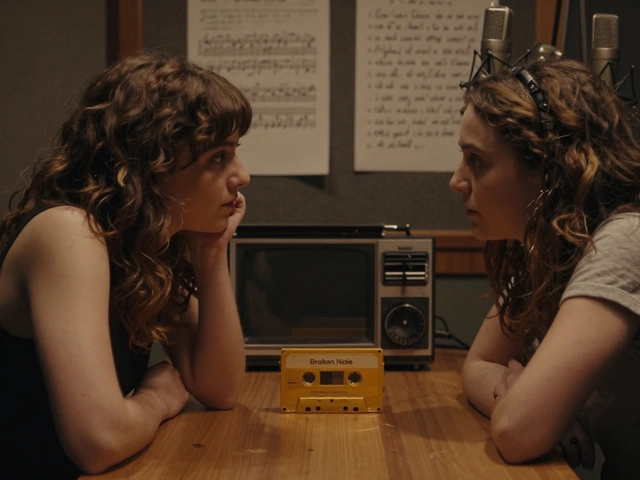
Imagine standing under the blinding lights of a sold-out arena, your heart beating in perfect sync with the bassline, while an electronic device quietly ensures that rhythm doesn't stop. For Alli Starr, a rising R&B artist known for her soulful vocals and dynamic live performances, this is not a hypothetical scenario-it is her daily reality. Since receiving a pacemaker diagnosis in her early twenties, Starr has turned a medical necessity into a cornerstone of her artistic identity, proving that physical limitations can fuel creative evolution rather than hinder it.
The intersection of high-energy performance and cardiac health is a niche but critical area of discussion in the music industry. While many artists rely on raw stamina to deliver two-hour sets, Starr’s approach redefines what endurance means. Her journey offers a blueprint for musicians navigating chronic health conditions, demonstrating how technology, mindset, and strategic planning can coexist with artistic excellence. This isn’t just a story about surviving illness; it is a masterclass in adapting one’s craft to fit a new biological reality.
Understanding the Medical Foundation
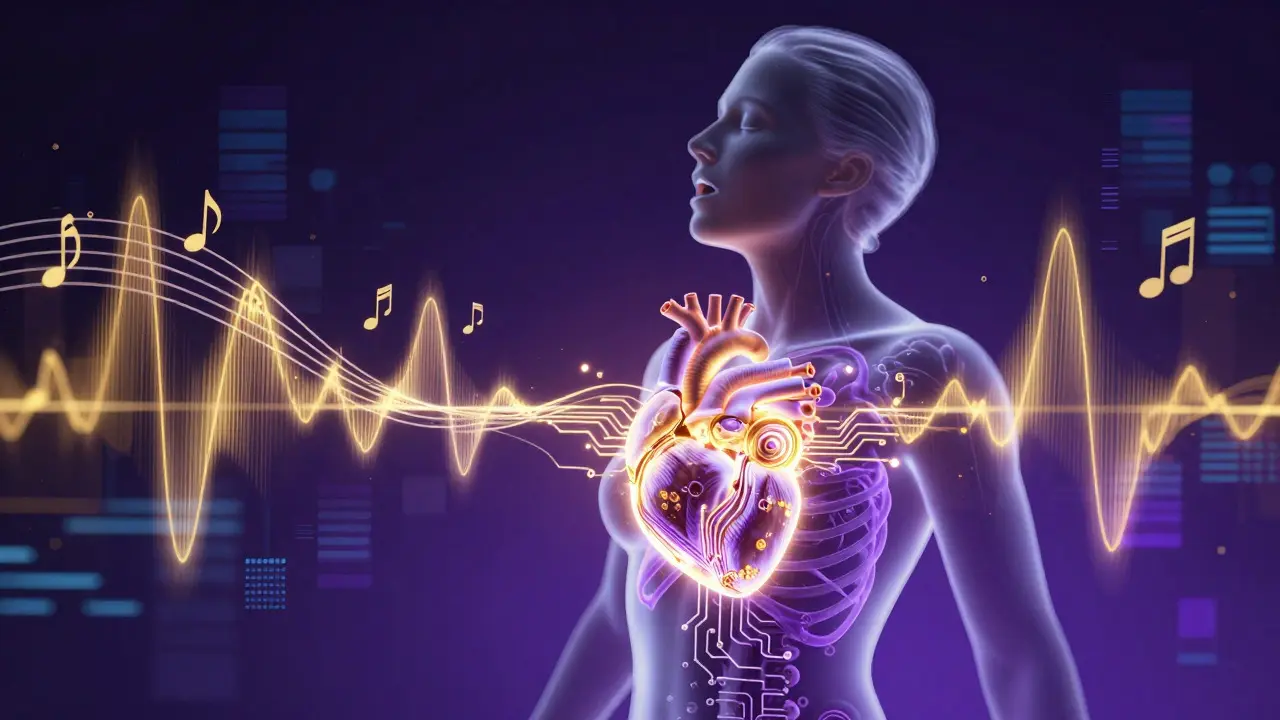
To appreciate Starr’s stagecraft, we first need to understand the hardware keeping her heart steady. A Pacemaker is a small, battery-powered device implanted under the skin near the collarbone that regulates abnormal heart rhythms by sending electrical impulses to the heart muscle. For performers, the fear is often that the device will fail or interfere with the intense physical demands of dancing and singing. However, modern pacemakers are remarkably robust. They are designed to withstand electromagnetic interference from stage equipment like pyrotechnics and large speakers, provided certain distances are maintained.
Starr’s specific condition required the device to maintain a consistent resting heart rate, which actually benefits vocal control. When the heart beats irregularly, blood flow to the diaphragm can become erratic, leading to breathlessness during long phrases. By stabilizing her cardiac rhythm, the pacemaker provides a physiological foundation that supports sustained vocal projection. This relationship between cardiac stability and respiratory efficiency is a key insight often overlooked in performer wellness discussions.
Redefining Stage Presence Through Adaptation
Before her diagnosis, Starr’s performances were characterized by high-intensity choreography and rapid movement. Post-surgery, she had to recalibrate her energy expenditure. Instead of relying on explosive bursts of activity, she shifted toward fluid, controlled movements that maximize impact without spiking her heart rate dangerously. This shift didn’t diminish the show; it refined it. Audiences often perceive this as a more mature, sophisticated style of performance, even though it was born out of medical necessity.
- Choreographic Pacing: Starr works with dance captains to map out energy peaks and valleys, ensuring that high-intensity moments are spaced evenly throughout the setlist.
- Vocal Conservation: She uses the stable heart rate provided by her device to take deeper, more efficient breaths, reducing strain on the larynx.
- Visual Storytelling: With less reliance on physical exertion, she leans heavily on facial expressions and eye contact to connect with the audience, creating an intimate atmosphere even in large venues.
This adaptive approach challenges the traditional notion that “more” is always better in live music. Sometimes, less physical movement allows for greater emotional resonance. Starr’s ability to convey vulnerability through stillness has become a signature element of her brand, distinguishing her from peers who rely solely on athletic prowess.
Technological Integration and Safety Protocols
Working with a pacemaker on stage requires a level of technical coordination that most artists never consider. Starr collaborates closely with her tour engineers and medical team to ensure that every piece of equipment is safe. Wireless microphones, for instance, must be tested for electromagnetic frequency (EMF) interference. While modern digital mics are generally safe, analog systems can occasionally cause pacing inhibition if held too close to the chest.
| Equipment/Action | Risk Level | Mitigation Strategy |
|---|---|---|
| Wireless Microphone | Low | Use digital systems; keep mic at least 6 inches from chest when not speaking. |
| Magnetic Backstage Doors | Medium | Walk quickly through; avoid lingering near strong magnets. |
| Pyrotechnics | Low-Medium | Maintain distance from ignition sources; monitor heart rate via wearable tech. |
| Intense Cardio Dance | High | Pace choreography; incorporate rest periods; use real-time biometric feedback. |
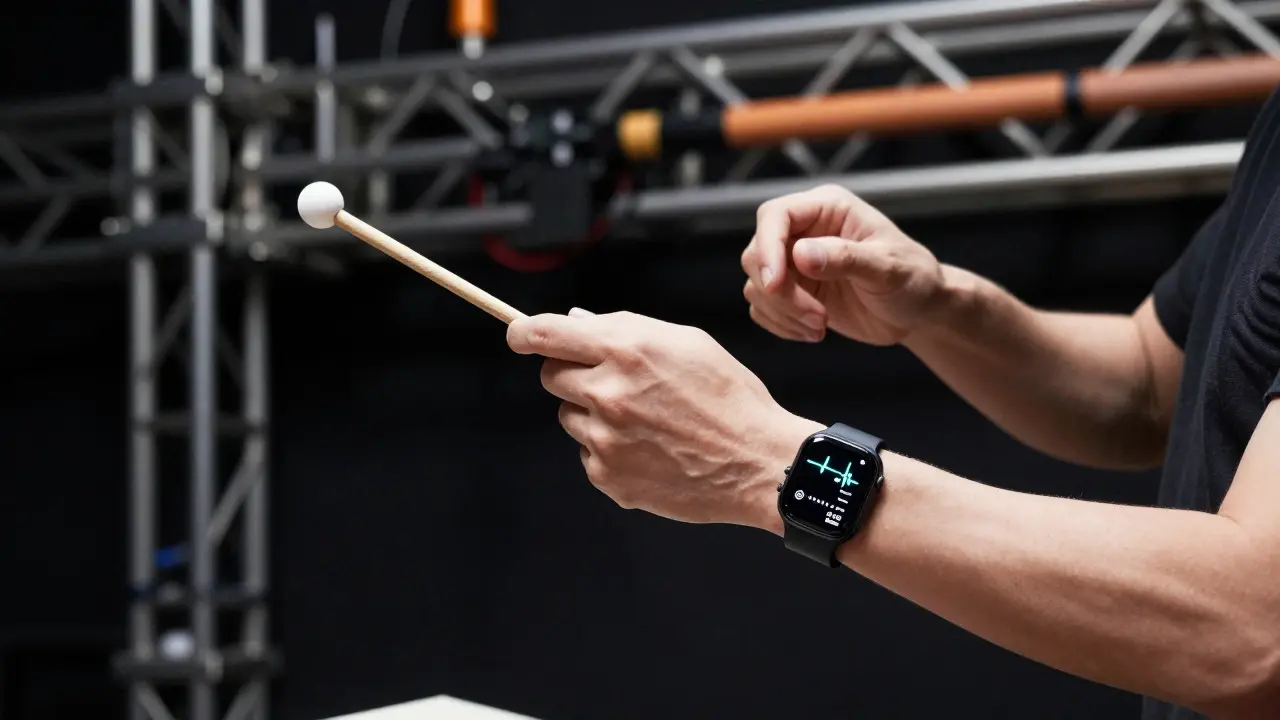
Wearable technology plays a crucial role in this ecosystem. Starr uses smartwatches with advanced ECG monitoring capabilities to track her heart rate variability (HRV) in real time. If her HRV drops significantly, indicating stress or overexertion, her stage manager receives a subtle alert. This data-driven approach allows for immediate adjustments, such as shortening a song or slowing down the tempo, without the audience ever noticing a hitch in the show.
The Psychological Impact of Chronic Illness on Artistry
Beyond the physical adaptations, the mental landscape of performing with a chronic condition is profound. Many artists struggle with the fear of public failure-what happens if the device malfunctions? What if they faint? Starr addresses this anxiety by reframing her condition as a source of authenticity. In interviews, she has spoken about how living with a visible reminder of mortality makes her lyrics feel more urgent and genuine. The audience senses this truth, creating a deeper emotional bond.
This psychological shift aligns with broader trends in Musician Wellness, the practice of maintaining physical, mental, and emotional health to sustain a long-term career in the music industry. Historically, the music industry has glorified burnout and pain as badges of honor. Starr’s openness helps dismantle these toxic narratives, encouraging other artists to prioritize their health without feeling like they are compromising their edge. Her experience suggests that resilience is not about ignoring pain but integrating it into the creative process.
Industry Implications and Future Trends
Starr’s success is influencing how labels and managers view artist longevity. As careers extend beyond the typical decade-long peak, health management becomes a business strategy, not just a personal one. Agencies are beginning to include wellness coordinators in touring teams, focusing on nutrition, sleep hygiene, and cardiac health. This shift is particularly relevant for older artists or those with pre-existing conditions, ensuring that tours remain viable and profitable.
Furthermore, the rise of virtual concerts and hybrid events offers new possibilities for artists with mobility or health constraints. High-definition streaming allows performers to focus on vocal delivery and visual aesthetics without the physical toll of traveling to multiple cities weekly. For Starr, this flexibility means she can perform globally while managing her health locally, setting a precedent for sustainable touring models in the post-pandemic era.
Frequently Asked Questions
Does a pacemaker limit an artist's ability to dance?
Not necessarily. Modern pacemakers are durable and allow for vigorous activity. The limitation usually comes from the underlying heart condition rather than the device itself. Artists like Alli Starr adapt their choreography to manage energy levels effectively, ensuring safety while maintaining high-quality performances.
Can stage equipment interfere with a pacemaker?
Yes, but the risk is manageable. Strong magnetic fields from certain backstage doors or old analog wireless microphones can potentially affect pacing. Digital wireless systems are generally safe. Artists should consult with their cardiologist and tour engineer to test all equipment before a tour begins.
How does Alli Starr monitor her health during live shows?
She uses wearable technology, such as smartwatches with ECG features, to monitor heart rate and variability in real time. This data is shared with her stage manager, allowing for subtle adjustments to the setlist or pace if signs of overexertion appear, ensuring a smooth performance without audience awareness of any issues.
What role does mental health play in performing with a chronic condition?
Mental health is critical. Fear of failure or device malfunction can create anxiety that affects performance. Reframing the condition as a source of authenticity and resilience helps artists connect more deeply with audiences. Open communication with the medical team and using mindfulness techniques can reduce pre-show jitters and improve overall well-being.
Is Alli Starr's approach applicable to other genres of music?
Yes. The principles of pacing, technological integration, and mental reframing apply across genres. Whether in rock, classical, or hip-hop, artists with health conditions can benefit from tailored choreography, real-time biometric monitoring, and a mindset focused on adaptation rather than limitation.