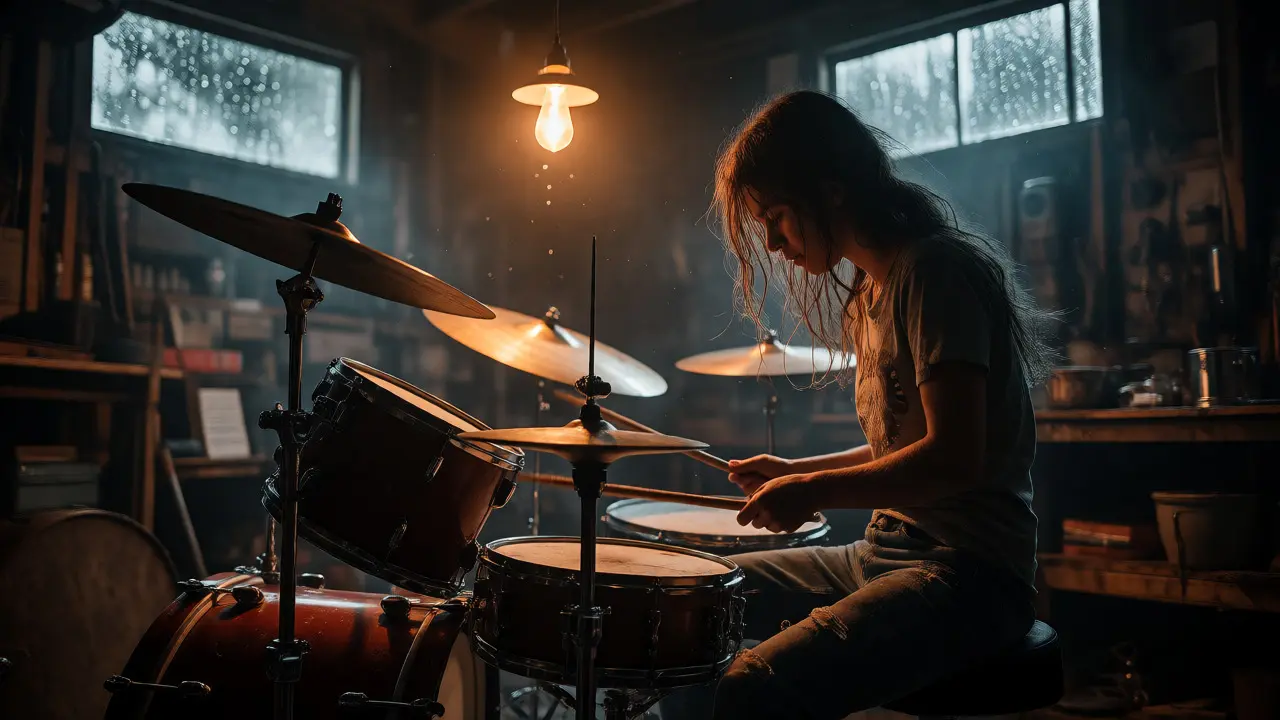
Most pop stars start with a laptop and a bedroom mic. Alli Starr started with a drum kit in her parents' garage and a stubborn refusal to use backing tracks. It sounds like a small detail now, but for a teenager trying to break into the industry, insisting on a live band was a risky bet. It meant more people to pay, more gear to haul, and a much harder sound to mix. But that teenage vision wasn't just a whim; it was the blueprint for everything she would become.
If you look at her early interviews from around 2018, you see a young artist who understood something crucial about music consumption: people don't just want to hear a song; they want to feel an event. While her peers were chasing viral TikTok snippets, Alli was obsessed with the physics of a live room. How does a bassline hit your chest? How does a drummer's energy change the tempo of a crowd? These weren't abstract questions for her. They were practical problems she tried to solve every weekend in Portland venues before she ever had a record deal.
The Garage Days: Building a Sound Before the Spotlight
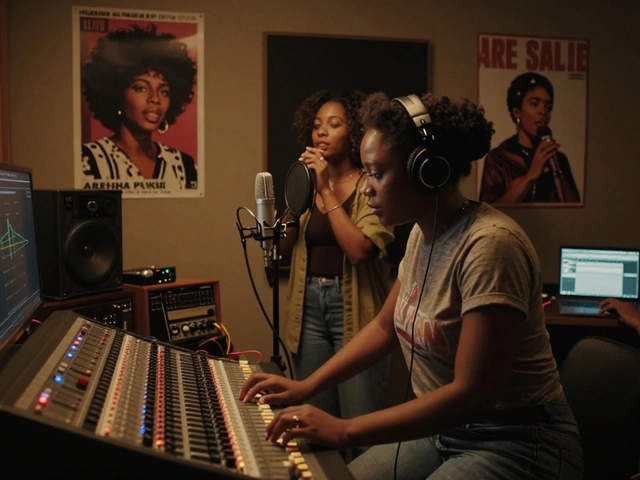
Before the lights and the screaming fans, there was just noise. Alli’s early life in Oregon was defined by this contrast. She grew up surrounded by the quiet rain of the Pacific Northwest, which gave her a unique perspective on sound. Most artists from sunny LA or NY talk about energy coming from the sun. For Alli, energy came from the need to cut through the gray. Her teenage years were spent not in recording studios, but in local practice spaces where the walls were thin and the neighbors complained.
This is where the concept of the "live band" started taking shape. She didn't hire session musicians later; she recruited friends. This distinction matters. When you build a band as a teenager, you aren't hiring employees; you're building a family unit. You learn how to compromise on arrangements because someone else has a better idea. You learn how to handle ego clashes when everyone wants the spotlight. These social dynamics shaped her stage presence long before she stepped onto a festival main stage.
Consider the logistics. A solo electronic artist needs a USB drive and a controller. A band led by a vocalist like Alli needed a van, a PA system, and a manager who could keep four other teenagers out of trouble. This logistical nightmare forced her to mature quickly. By age nineteen, she was already negotiating venue contracts and handling payroll. That experience stripped away the fantasy of fame and replaced it with the reality of work.
Why a Live Band Matters More Than Backing Tracks
You might wonder why this distinction is such a big deal. In 2026, technology makes it easy to fake it. You can trigger samples, pitch-correct vocals in real-time, and sync lighting to a click track. So why go analog? Because imperfection creates connection. When a drummer rushes slightly during a chorus, the crowd feels the urgency. When a guitarist bends a note a little sharp, it feels human. Alli’s teenage instinct was right: perfection is safe, but humanity sells tickets.
Her early vision was rooted in the idea that a concert should be unrepeatable. If you watch a video of her 2019 shows, you'll notice she rarely sings exactly the same way twice. The band reacts to her voice, and she reacts to their instruments. This feedback loop is what separates a DJ set from a rock show. It’s messy, it’s loud, and it’s alive. For a teenager, committing to this path meant accepting that some nights would be bad. Some nights the sound engineer wouldn't get it right. Some nights the singer would lose her breath. But those failures were part of the package.
| Feature | Solo Electronic Artist | Live Band (Alli Starr Model) |
|---|---|---|
| Logistics | Low complexity, portable gear | High complexity, requires transport & setup |
| Cost Structure | Fixed costs (software, hardware) | Variable costs (payroll, travel per member) |
| Performance Risk | Technical failure stops show | Musical improvisation covers errors |
| Audience Connection | Visual/Aural spectacle | Emotional/Human resonance |
| Replayability | Identical every night | Unique interpretation every night |
Translating Vision into Stage Presence
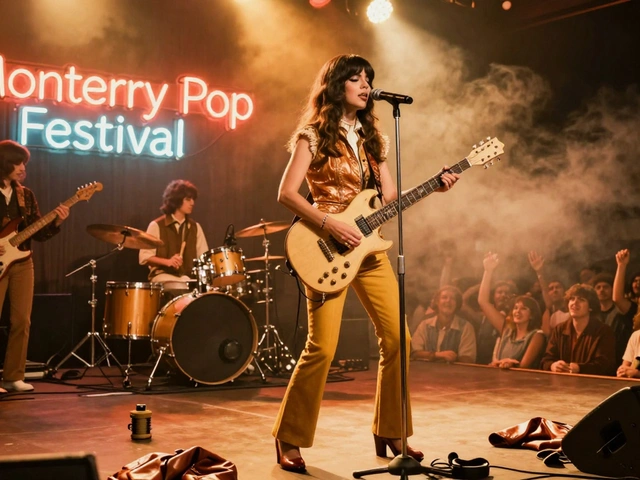
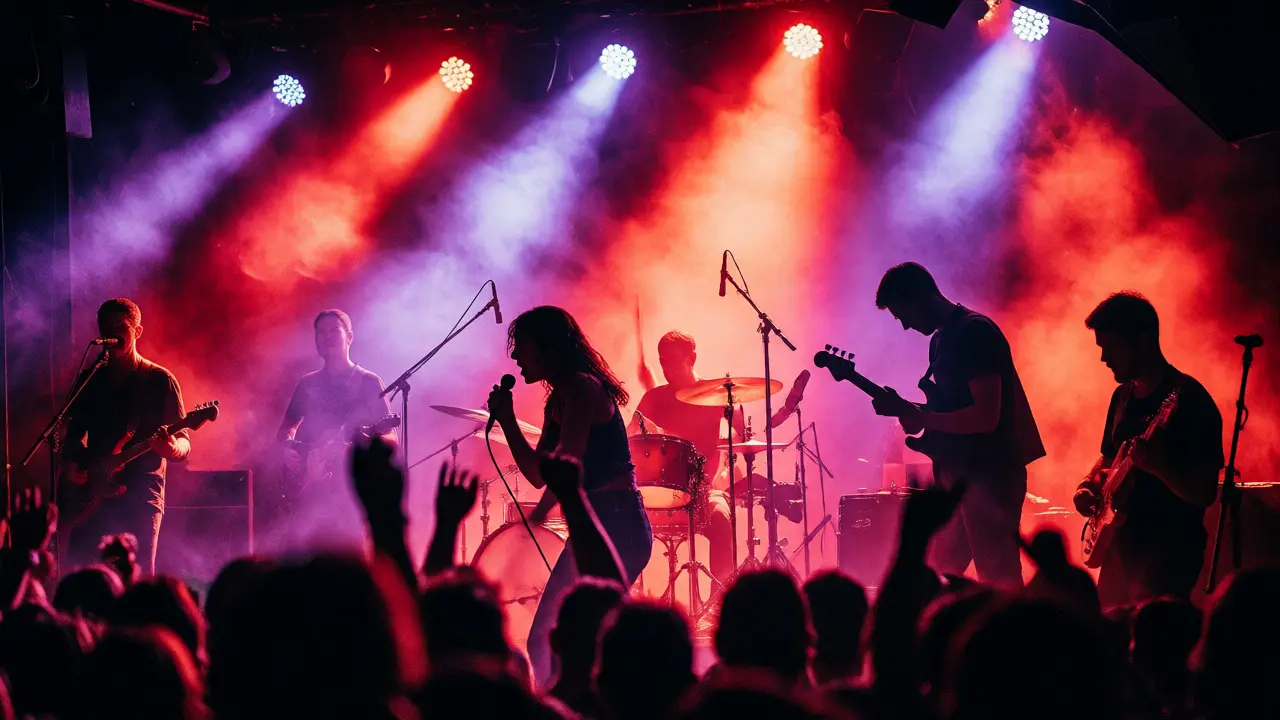
Having a dream is one thing; executing it is another. Alli’s transition from garage rehearsals to professional stages required a shift in mindset. As a teenager, she viewed the band as her safety net. On stage, she realized the band was her instrument. This subtle difference changed how she performed. Instead of standing still and singing over tracks, she moved with the rhythm section. She used eye contact with her bassist to signal transitions. She relied on her drummer to push the tempo when the crowd got lazy.
This level of non-verbal communication doesn't happen overnight. It takes hundreds of hours of shared space. Her early performances in smaller venues allowed her to fail safely. No one was paying $150 for a ticket to see a mistake. They were paying ten dollars to hang out. This low-stakes environment let her experiment with stage blocking. She learned that if she stood too far left, the guitar player looked lonely. If she stood center, the energy focused. These are tiny details, but they add up to a cohesive visual identity.
Moreover, the live band format influenced her songwriting. Writing for a band means writing parts for others. You can't just write a catchy hook; you have to write a bass groove that supports it. You have to leave space for a drum fill. This constraint actually boosted her creativity. It forced her to think in layers rather than loops. Many critics noted that her albums sounded more organic than her peers, and that’s directly tied to her teenage insistence on playing with humans instead of machines.
The Industry Pushback: Why People Said No
It wasn't all supportive cheers. Record labels loved the idea of a solo pop star. It’s cheaper. It’s easier to control. When Alli pitched her live band concept, many executives saw it as a financial burden. They asked, "Why do you need five people on stage? Just hire a keyboardist." Her response was simple: "Because I don't want to be a jukebox."
This resistance tested her resolve. Imagine being twenty years old, sitting across from industry veterans who tell you your artistic vision is inefficient. It’s tempting to fold. It’s tempting to say, "Fine, I'll use tracks." But Alli held firm. She knew that once you give up the live element, it’s hard to get back. Audiences remember authenticity. If you start with tracks, you’re forever compared to other track-based acts. If you start with a band, you own a niche that few others occupy.
Her persistence paid off when she secured her first major tour support. The label finally agreed to fund the extra members, mostly because the buzz from her live shows proved that the demand existed. Fans were talking about the energy of her concerts, not just the songs. That word-of-mouth marketing was worth more than any radio play. It validated her teenage intuition: people crave realness.
Lessons for Young Musicians Today
If you’re reading this and dreaming of starting a band, take notes from Alli’s playbook. First, start small. Don’t wait for a perfect studio. Play in garages, basements, and coffee shops. Learn how your sound works in different rooms. Second, value chemistry over skill. A technically proficient musician who doesn't listen to the group will sink the ship. Alli’s band worked because they trusted each other, not just because they could play fast.
Third, embrace the chaos. Live performance is unpredictable. Strings break. Amps hum. Voices crack. These moments aren't mistakes; they're memories. Your audience won't remember if you hit the high note perfectly. They’ll remember if you laughed when you missed it and kept going. That resilience is what turns a gig into a career.
Finally, protect your vision. The industry will try to streamline you. They’ll want to cut costs and simplify your brand. Hold onto what makes you different. For Alli, that was the raw, unpolished power of a live ensemble. It made her stand out in a sea of polished pop products. It made her real.
Frequently Asked Questions
Did Alli Starr always plan to have a live band?
Yes, from her teenage years in Oregon, Alli Starr insisted on performing with live musicians rather than relying solely on backing tracks. She believed that the human element of a band created a stronger emotional connection with audiences, even though it was logistically more difficult and expensive for a new artist.
How did having a live band influence her songwriting?
Writing for a live band forced Alli to compose with specific instrumental parts in mind, such as bass grooves and drum fills, rather than just vocal hooks. This approach resulted in more layered and organic-sounding recordings, distinguishing her music from typical electronic pop productions.
What challenges did she face pitching a live band to record labels?
Record labels initially resisted the idea due to higher costs and logistical complexities. Executives preferred solo artists with pre-recorded tracks for easier control and lower expenses. Alli had to prove that the demand for her authentic live performances outweighed the financial risks.
Why is live performance considered more authentic?
Live performances are considered more authentic because they involve real-time interaction between musicians and the audience. Imperfections, improvisations, and spontaneous reactions create a unique, unrepeatable experience that resonates emotionally with listeners, unlike the static nature of pre-recorded tracks.
What advice does Alli Starr’s story offer to aspiring musicians?
Her story advises young musicians to prioritize chemistry among band members over individual technical skill, to start performing in low-stakes environments to build confidence, and to remain steadfast in protecting their unique artistic vision against industry pressures to conform.