Not every brand partnership feels right. You can have the biggest budget, the flashiest campaign, and the most followers-but if the values don’t line up, it falls flat. Alli Starr, a musician and creative director based in Portland, has built a reputation not just for her music, but for the partnerships she chooses. She doesn’t chase trends. She doesn’t sign deals just because the offer is big. She asks one question first: Does this fit?
It Starts With Values, Not Followers
Alli doesn’t look at follower counts when she considers a collaboration. She’s seen too many brands partner with artists who later turned around and criticized them publicly. That’s not a win. That’s a disaster waiting to happen. Instead, she digs into the brand’s history. What does their mission statement actually say? Have they backed it up with real actions? Did they donate to causes they claim to support? Did they change their supply chain after a scandal, or just rebrand the packaging?
One time, a major energy drink company reached out with a six-figure offer. They wanted Alli to feature their product in a music video. She dug into their environmental record and found they’d been fined three times in the last five years for illegal waste dumping. She turned them down. No amount of money made sense if it meant lending her voice to something that hurt the same communities her fans live in.
It’s not about being perfect. It’s about being honest. Alli looks for brands that admit their mistakes and show they’re trying to do better. That’s the kind of partner she’ll work with.
Authenticity Isn’t a Buzzword-It’s a Filter
Many artists say they want "authentic" collaborations. But what does that even mean? Alli breaks it down simply: Can you tell this partnership apart from every other one?
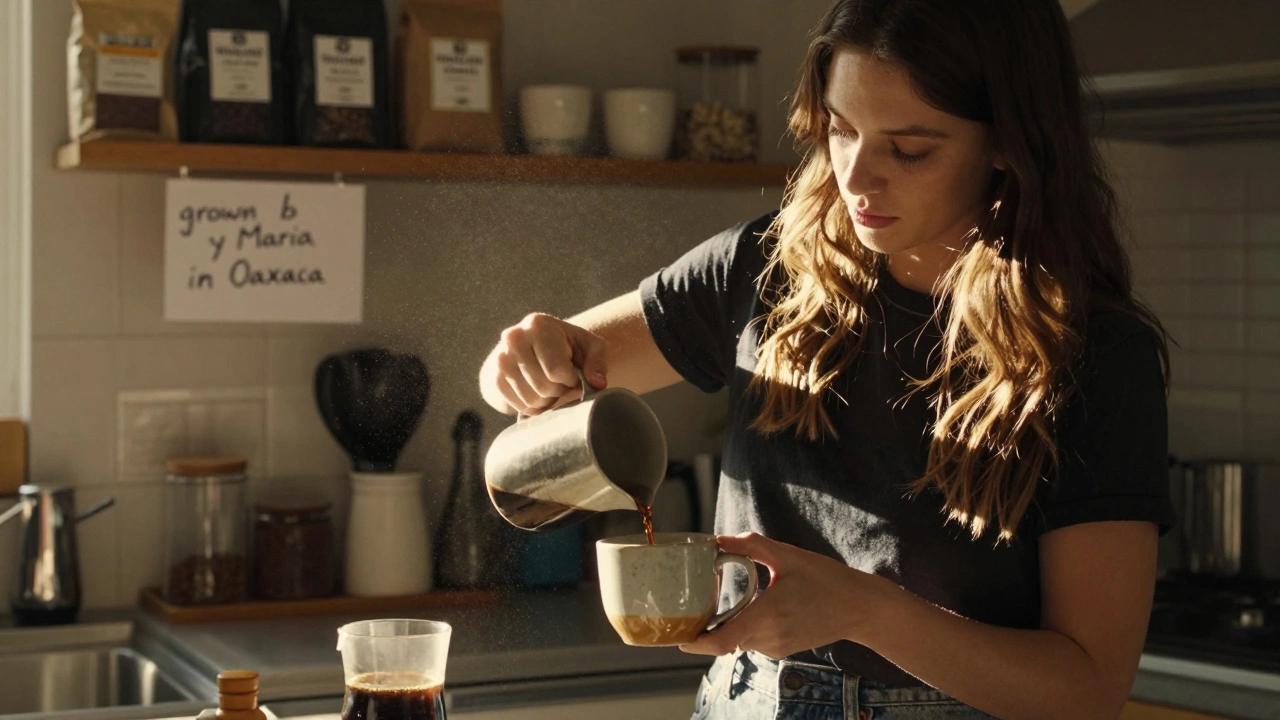
If the brand’s messaging sounds like every other ad on Instagram-if the visuals could be swapped with ten other artists-it’s not authentic. She’s worked with a local coffee roaster who didn’t want a glossy shoot. Instead, they filmed her making her morning brew in her kitchen, talking about how she picks beans based on where they’re grown and who farms them. No studio lights. No product placement. Just a real moment. The video got 1.2 million views. Not because it was polished, but because it felt true.
Alli’s rule? If the brand can’t describe why they chose her specifically-not just any musician, not just any woman of color, not just any Portland artist-then it’s not a fit. She’s not a billboard. She’s a person with a voice, a history, and a community. The partnership has to honor that.
It’s Not About the Product-It’s About the Story
She’s turned down deals for products she’d never use. A skincare line? She doesn’t wear makeup. A fitness app? She hates structured workouts. But she said yes to a small, handmade journal company because it aligned with how she writes lyrics. The founder was a former teacher who started the business after losing her job. Alli didn’t need to use the journals. She needed to believe in the story behind them.
She doesn’t care if the product is trendy. She cares if the people behind it care. Does the founder still answer customer emails? Do they visit the factories? Do they pay fair wages? Those details matter more than whether the logo looks good on a hoodie.
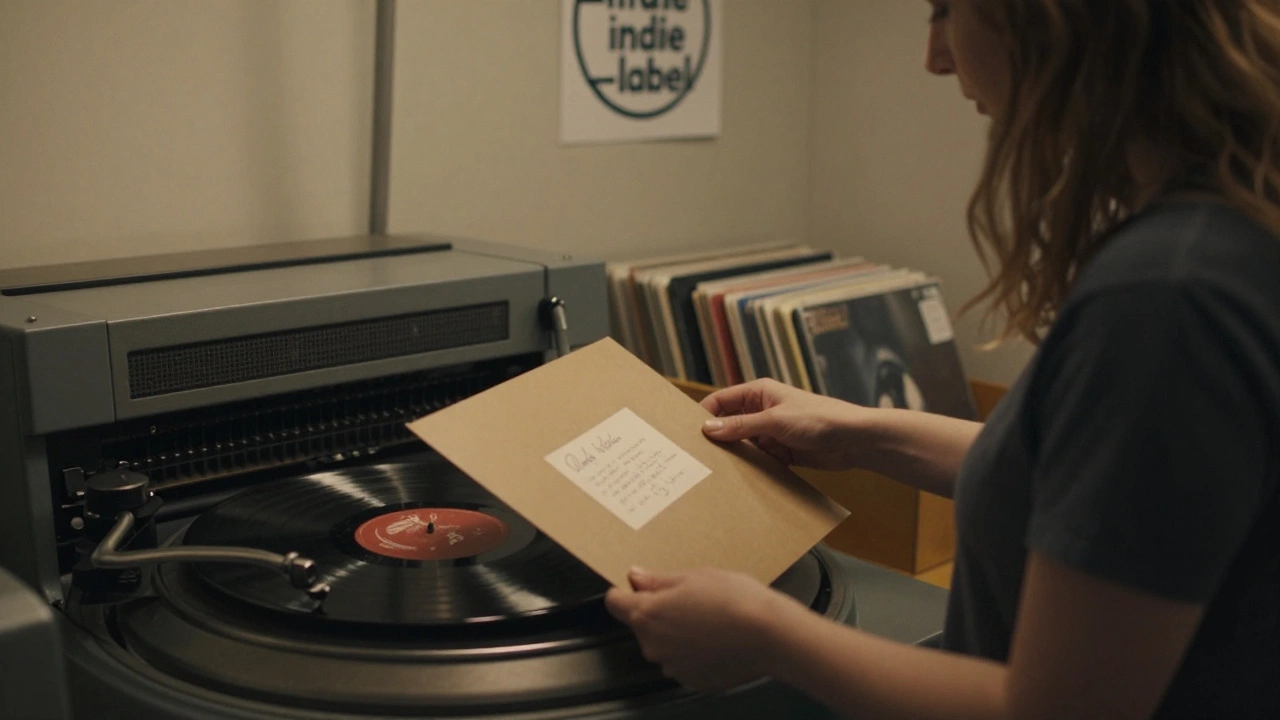
Her most successful collaboration? A limited-edition vinyl pressing with a local indie label. No ads. No influencers. Just her music, their pressing plant, and a handwritten note in every record. It sold out in 72 hours. Not because it was promoted heavily, but because it felt like something made with intention.
Boundaries Are Non-Negotiable
Alli has a list of deal-breakers. No animal testing. No data mining. No using her image without her approval. No press releases that twist her words. She’s been offered deals where the brand wanted to control her lyrics, her visuals, even her social media captions. She walks away.
She once had a brand offer her $200,000 if she’d post a video saying their product "changed her life." She didn’t even respond. She replied to their PR team with a simple: "I don’t lie to my audience. I don’t ask them to lie either."
She doesn’t see boundaries as limiting. She sees them as the foundation. Without them, the collaboration isn’t a partnership-it’s a transaction. And transactions don’t build loyalty. Trust does.
Collaboration Is a Two-Way Street
Alli doesn’t just show up and perform. She asks questions. She pushes back. She brings her team in. When she partnered with a sustainable clothing brand, she didn’t just wear their clothes. She sat in on design meetings. She suggested using organic cotton from a cooperative in Oaxaca because she’d visited it years ago and remembered the women who wove the fabric. The brand hadn’t even considered that supplier. They ended up sourcing from them for their whole line.
That’s the difference. Most collaborations are one-sided: the brand gets exposure, the artist gets paid. Alli’s partnerships are co-created. She expects to have input. She expects to be heard. And she’s not afraid to say no if the brand isn’t willing to listen.
What Makes a Partnership Last?
She’s had partnerships that lasted a week and others that turned into years. What’s the pattern? It’s not the money. It’s not the reach. It’s consistency.
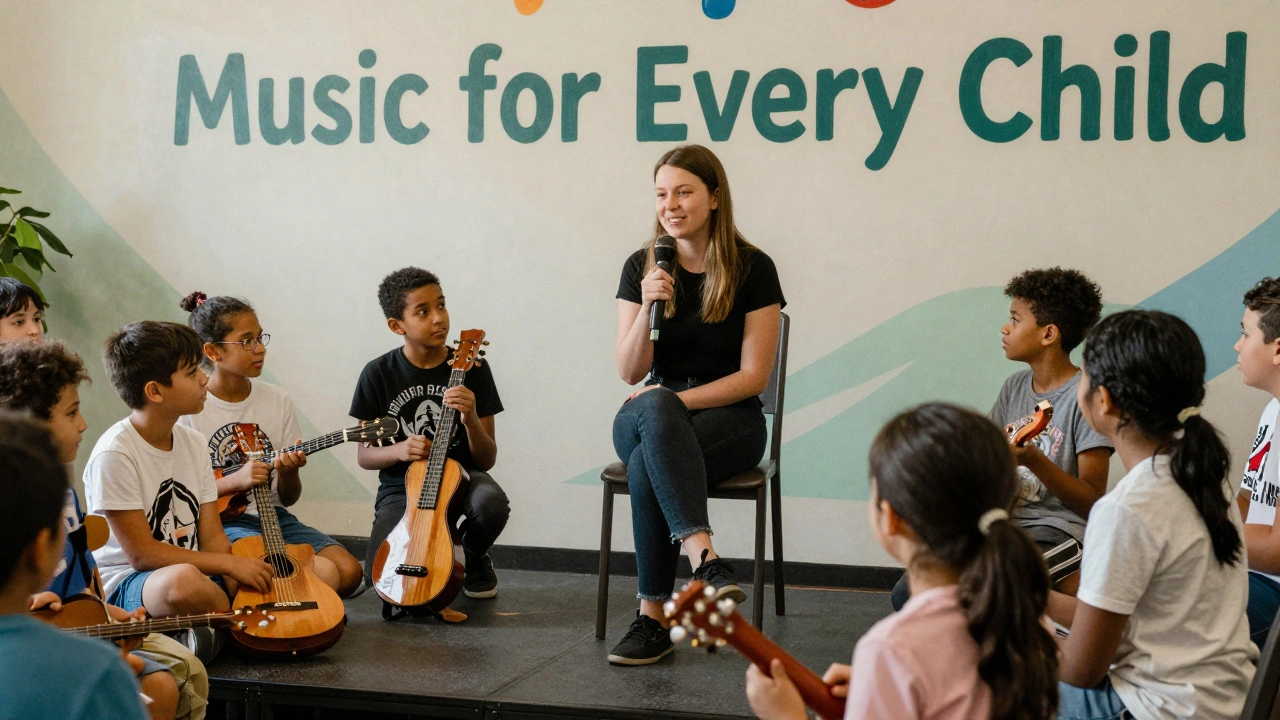
One brand she’s worked with for four years started as a small nonprofit that gave instruments to kids in underserved schools. Every year, she donates a portion of her tour proceeds to them. They don’t ask for promotion. She doesn’t ask for anything in return. But every time she plays a show, she mentions them. Her fans know their name. Some have even volunteered.
That’s the kind of partnership that sticks. Not because it’s flashy, but because it’s real. It doesn’t need to be loud. It just needs to be true.
How to Find Partnerships That Fit
If you’re an artist, a creator, or a small brand looking to build meaningful collaborations, here’s what Alli recommends:
- Start small. Work with local businesses before chasing national brands.
- Ask: "What do they actually do?" Not what they say they do.
- Look at their reviews, their social media replies, their transparency reports.
- Don’t be afraid to say no-even if the offer is big.
- Build relationships, not campaigns. Send a handwritten note. Have a real conversation.
- Let your values guide you, not your metrics.
It’s not about being the loudest. It’s about being the most honest.
Why This Matters Now More Than Ever
Consumers aren’t fooled anymore. They know when a brand is using someone’s voice to cover up a bad practice. They can spot a fake collaboration from a mile away. And they walk away.
Alli’s approach works because it’s built on trust-not manipulation. Her audience doesn’t follow her because she’s perfect. They follow her because she’s real. And they trust her choices.
In a world full of noise, the quietest voices are the ones that last.
What makes a brand partnership "authentic"?
An authentic brand partnership feels personal and true to both sides. It’s not just about logos on a poster or a product in a video. It’s when the brand’s values match the creator’s, and both sides contribute meaningfully. Alli Starr looks for brands that admit their flaws, listen to feedback, and treat the collaboration as a shared mission-not a one-time transaction.
Should artists only partner with brands they use?
Not necessarily. Alli Starr has partnered with brands whose products she doesn’t personally use, but whose mission she deeply believes in. For example, she worked with a handmade journal company because she valued the story behind it-the founder’s background, the ethical production, the community impact-even though she doesn’t use journals every day. What matters is alignment, not usage.
How do you know if a brand is truly ethical?
Look beyond their marketing. Check their public records: have they been fined for environmental violations? Do they publish transparency reports? Do they respond honestly to criticism? Read customer reviews and look at how the company handles complaints. If they avoid answering tough questions or change their story, that’s a red flag. Alli Starr digs into these details before saying yes.
Can a small brand partner with an artist like Alli Starr?
Absolutely. Alli has built some of her most meaningful partnerships with small, local businesses-like a Portland-based coffee roaster or a handmade vinyl label. She values heart over budget. If a small brand has clear values, transparency, and a genuine reason to collaborate, size doesn’t matter. In fact, she often prefers working with smaller teams because they’re more open to co-creation.
What should you do if a brand wants to control your message?
Walk away. Alli Starr has turned down six-figure deals because brands tried to dictate her words, visuals, or social media posts. Your voice is your value. If a brand wants to control it, they’re not partnering with you-they’re using you. True partnerships respect boundaries. They ask for input, not obedience.