Most people think of mortuary science as cold, clinical, and full of procedures. But for Alli Starr, it’s where her art begins. She doesn’t paint on canvas or sculpt in clay. Her medium is silence. Her studio? The quiet room after a body has been prepared, before the family arrives. That space-still, clean, untouched by grief-is where she finds her clearest vision.
How Silence Becomes a Canvas
Alli Starr worked as a licensed mortuary scientist for over twelve years before she started calling herself an artist. She didn’t set out to make art. She was just trying to make sense of what she saw every day. The way light hit a polished coffin lid. The way a hand, carefully arranged, looked like it was sleeping. The stillness that followed the last breath, before the room filled with voices and tears.
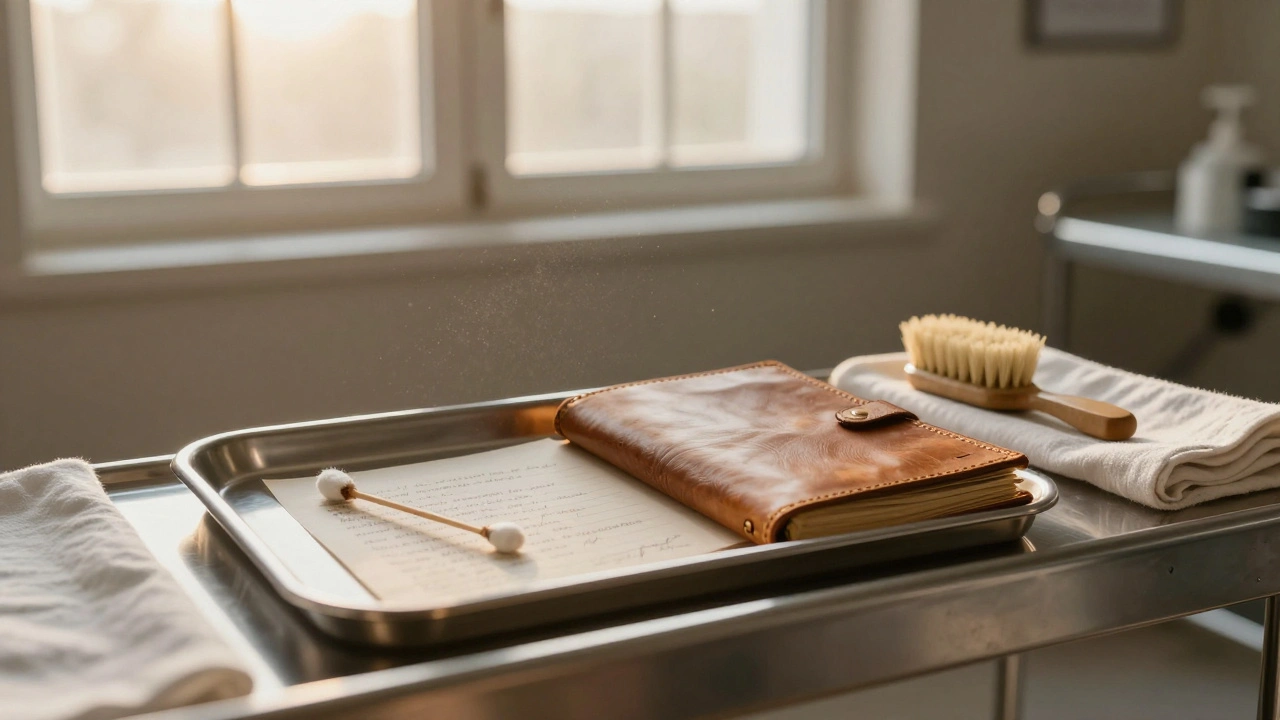
She started taking notes. Not medical notes. Poetic ones. “The lavender scent lingers longer than the mourning.” “The curl of a fingernail after embalming looks like a half-opened seashell.” She kept these in a worn leather journal. Then, one day, she turned one into a linocut print. It was just a single line: “They don’t leave. They wait.” She posted it online. No caption. No explanation. It got 12,000 shares.
That’s when she realized: the quiet spaces in mortuary science aren’t empty. They’re full of meaning. And she was the only one who knew how to listen.
The Tools of Her Trade
Alli doesn’t use brushes or chisels. Her tools are the same ones she used in the prep room: a soft-bristle brush for dusting skin, a fine-tip marker for labeling, a stainless steel tray for holding personal effects. She cleans them after each use. Then she uses them again-to make art.
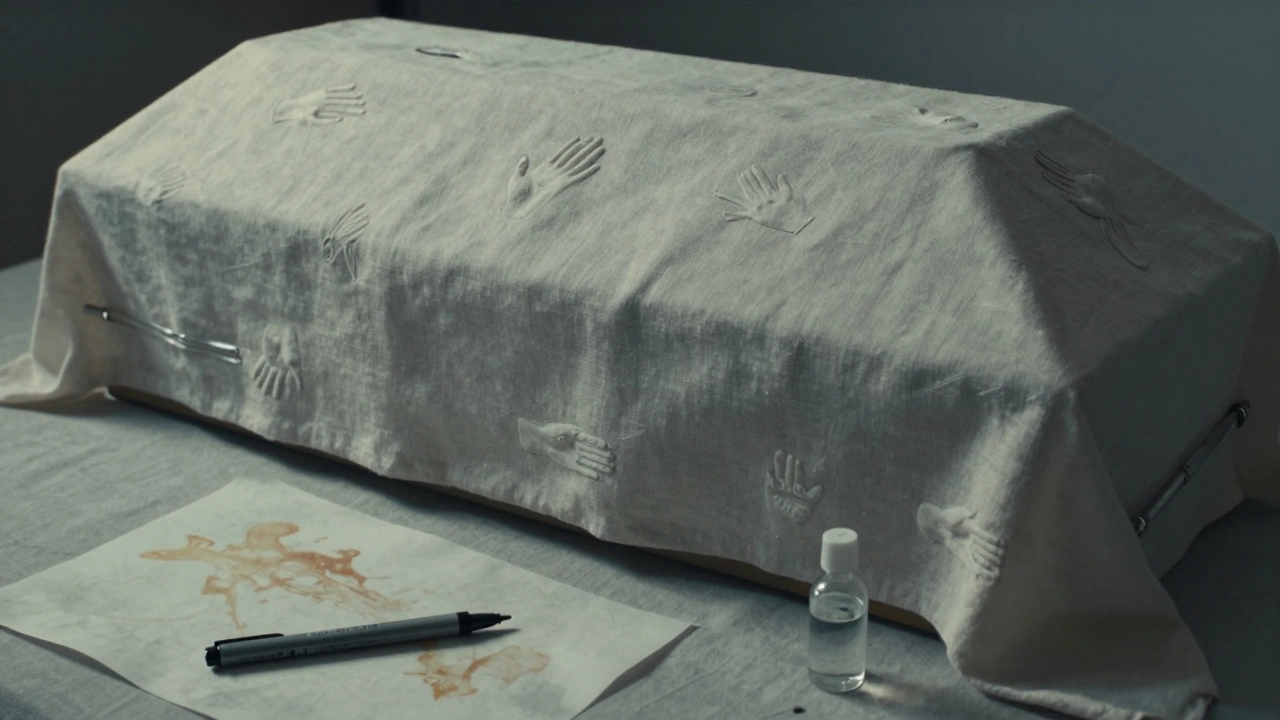
She presses fabric soaked in embalming fluid onto rice paper, letting the chemical patterns dry into abstract landscapes. She uses the same wax she applies to seal incisions to mold tiny figures-hands, faces, birds-on the edge of a coffin lid. She calls them “ghosts of presence.”
Her materials aren’t exotic. They’re ordinary, even ugly, to most people. But to her, they’re sacred. The embalming fluid isn’t poison. It’s a preserver of moments. The cotton used to stuff nostrils? It’s the last thing that touched a person before they were laid to rest. She washes it. Dries it. Stretches it. Turns it into paper.
One of her most talked-about pieces, “The Last Breath in a Jar,” is a small glass container holding a single dried cotton swab, labeled with the time of death and the name of the deceased. No photo. No date of birth. Just the time. 3:17 a.m. It’s not morbid. It’s tender.
Why Quiet Spaces Matter
Alli doesn’t work in galleries. She doesn’t sell prints. She leaves her art in places people don’t expect: inside the drawer of a funeral home’s guest book, tucked under a cushion in the chapel, taped to the inside of a restroom stall in the viewing room. She never signs them. No one knows they’re hers until someone notices the subtle shift in the air-how the silence feels different.
She believes quiet spaces aren’t just absence of sound. They’re the only places left where people can feel without being told how to feel. In a funeral home, there’s no pressure to cry. No expectation to smile. No social script. Just space. And in that space, grief becomes something personal, not performative.
She says most art today is loud. Designed to grab attention. Her art doesn’t want attention. It wants presence. She calls it “slow art.” You don’t scroll past it. You sit with it. You breathe with it.
From Prep Room to Exhibition
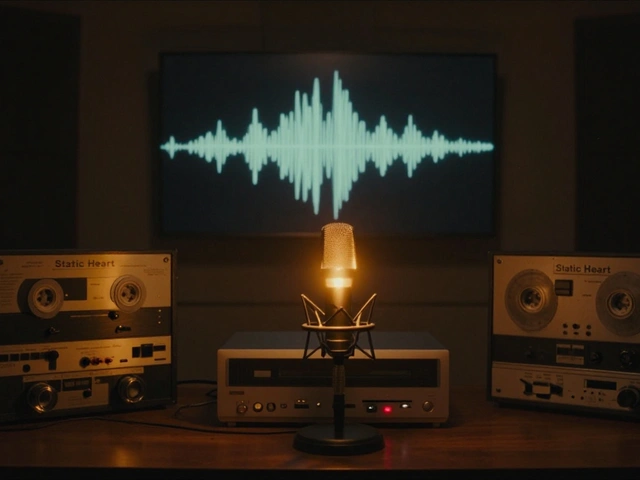
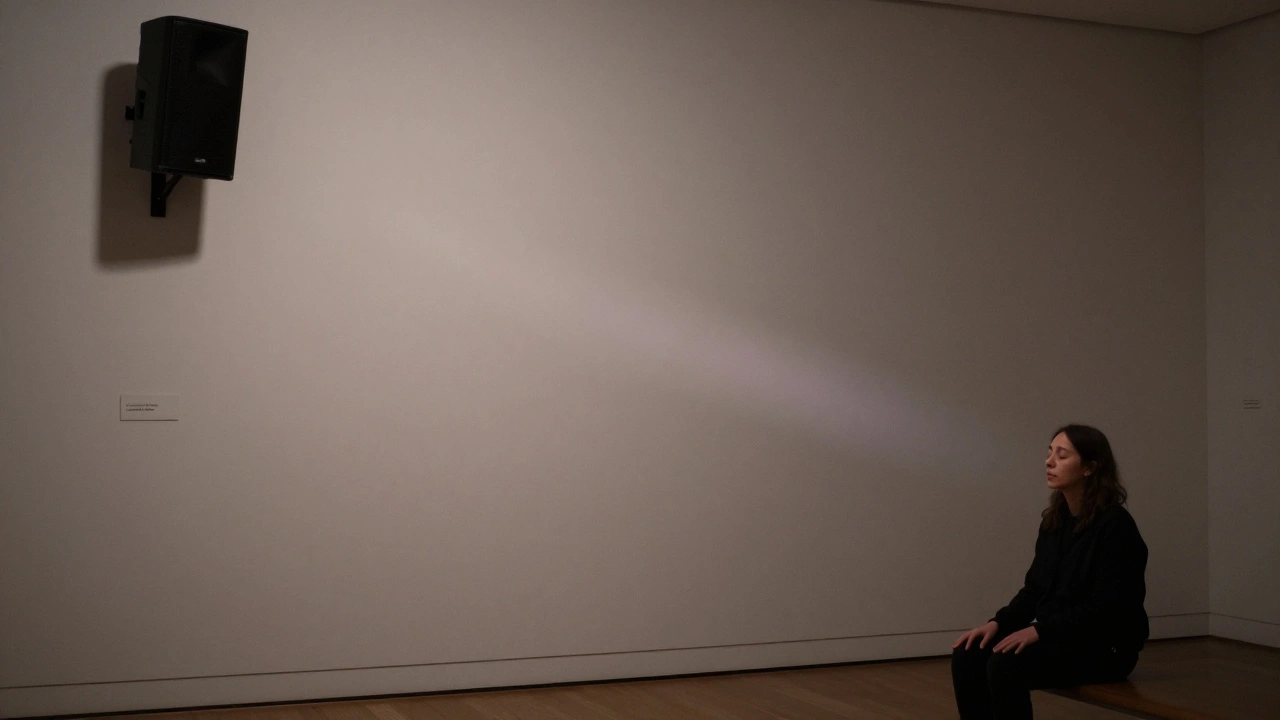
In 2024, the Portland Art Museum invited her to install a permanent piece in their new “Quiet Rooms” wing. She didn’t create a sculpture. She didn’t hang a painting. She redesigned the lighting. She changed the airflow. She installed a single speaker that plays a 12-second loop of silence-recorded in the exact acoustics of a preparation room at dawn. Visitors say it’s the first time they’ve ever felt their own breath.
One woman, 78, came three times in one week. She told a staff member, “I lost my husband in January. I didn’t cry until I sat in that room. I didn’t even know I was holding my breath.”
Alli didn’t plan that. She just wanted people to remember: silence isn’t empty. It’s full of what was, and what remains.
What Others Don’t Understand
Some people call her work morbid. Others call it beautiful. She doesn’t argue. She just says, “I’m not trying to make you feel something. I’m trying to help you feel what you already feel.”
She gets letters. Dozens. From nurses, from hospice workers, from people who’ve lost someone and never knew how to say it. “I thought I was broken because I didn’t cry. Then I saw your cotton swab. I realized I was just tired.”
She doesn’t respond. She doesn’t need to. Her art doesn’t speak. It listens.
How You Can Find Your Own Quiet Space
You don’t need to work in a funeral home to find quiet. You don’t need embalming fluid or a stainless steel tray. But you do need to stop filling the silence.
Try this: for five minutes, sit somewhere alone. No phone. No music. No TV. Just you. Notice how your breath sounds. How your body settles. How your mind tries to fill the space with thoughts. Now let them go. Don’t judge them. Just let them pass.
That’s Alli’s practice. Not in a room with a body. But in a room with yourself. She says everyone carries their own preparation room inside them. The question isn’t whether you’ve been there. It’s whether you’ve noticed it.
Her art isn’t about death. It’s about what comes after the last sound. The stillness. The space between heartbeats. The breath you didn’t know you were holding.
Maybe that’s the most creative thing of all: learning to be still long enough to hear what’s already there.