The Psychology of Negative Space
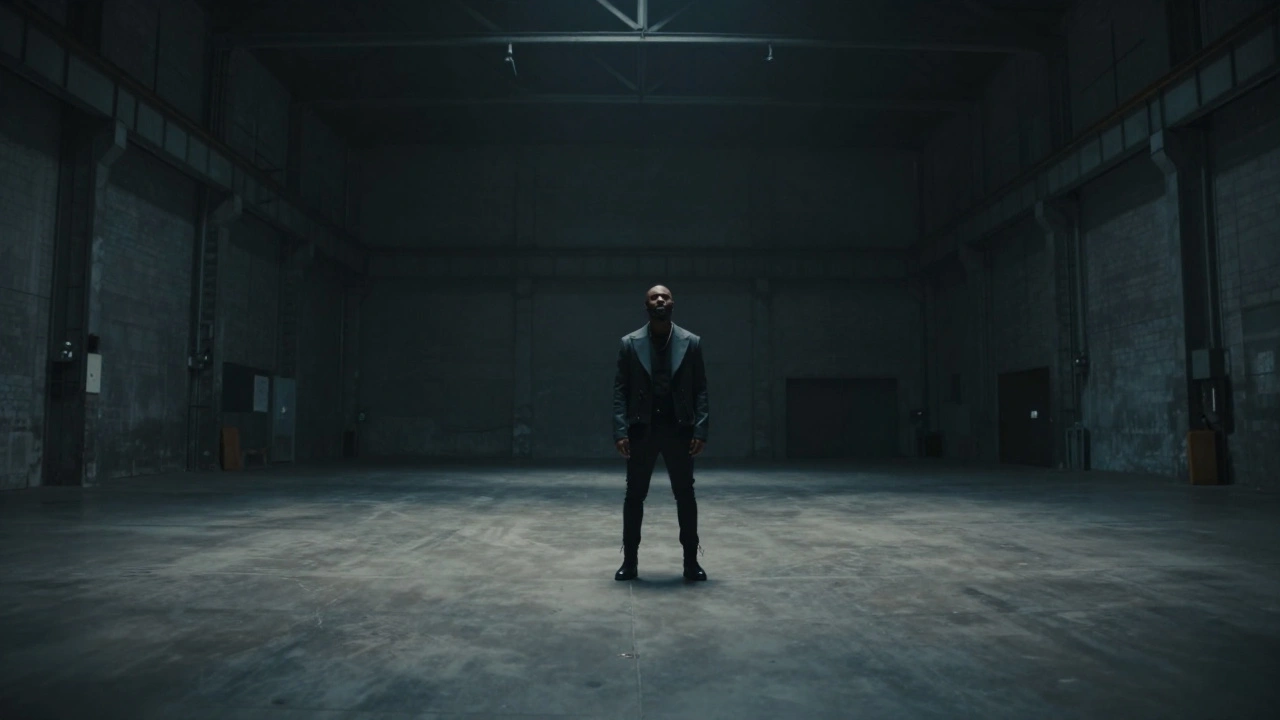
In the world of visual storytelling, what you leave out is just as important as what you put in. This is the core of negative space, the area surrounding the main subject. When Starr places an artist in a vast, open landscape-be it a salt flat or a brutalist parking garage-she isn't just making a "pretty" shot. She's manipulating the power dynamic. Think about it: when a person is surrounded by a wall of furniture or a crowd of people, they are confined. They are part of a scene. But when they stand alone in a void, the contrast makes them the absolute center of the universe. In Starr's work, this creates a sense of hyper-focus. You aren't just watching a performance; you're feeling the artist's isolation or their absolute confidence. If the song is about heartbreak, the open space feels like a lonely vacuum. If the song is an anthem of empowerment, that same space becomes a kingdom they've already conquered.Scaling Emotion Through Architecture
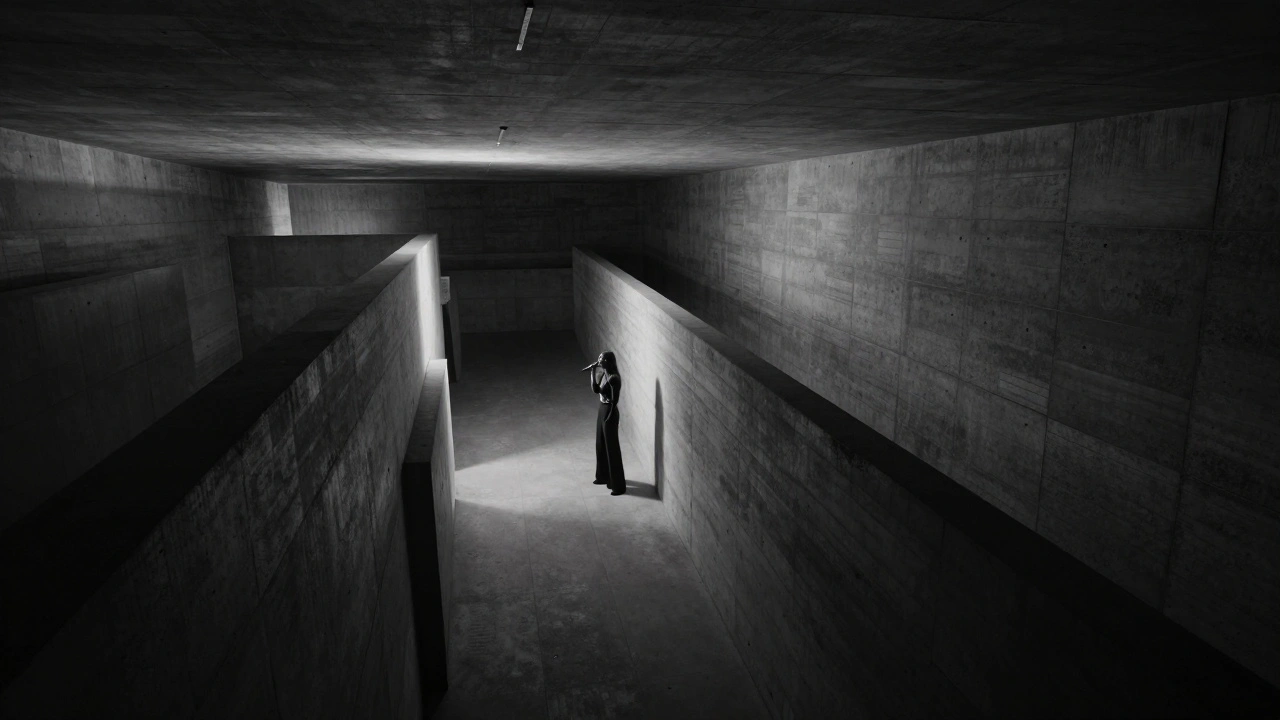
Starr often uses Brutalist architecture, characterized by raw concrete and massive, monolithic shapes, to amplify the emotional weight of R&B. The heavy, oppressive nature of the stone contrasted with the fluidity of R&B vocals creates a tension that keeps you hooked. She doesn't just shoot a wide angle and call it a day. She uses the lines of the building to point directly at the artist. This is a technique called leading lines, but Starr pushes it further by ensuring those lines lead into nothingness. By placing a singer at the end of a long, empty corridor, she communicates a journey-either toward a breakthrough or a breakdown. The architecture becomes a physical manifestation of the song's lyrics. If the artist is singing about feeling trapped despite having everything, the vast, cold emptiness of a concrete hall says that better than any dialogue ever could.| Visual Element | Emotional Effect | Cinematic Purpose |
|---|---|---|
| Vast Open Plains | Isolation / Freedom | Removes distractions to emphasize raw vocal delivery |
| High Concrete Ceilings | Insignificance / Awe | Creates a sense of "divine" or "overwhelming" scale |
| Symmetry in Void | Control / Order | Signals the artist's mastery over their environment |
The Role of the Wide Shot in R&B
Historically, R&B videos relied heavily on the close-up shot. We're used to seeing the singer's face, the sweat on their brow, the passion in their eyes. While Starr uses these, she disrupts the pattern by lingering on the wide shot. Why does this matter? Because a close-up tells you how the artist feels, but a wide shot tells you where the artist stands in the world. By keeping the camera back, Starr gives the audience room to breathe. It creates a cinematic rhythm that mimics the slow burn of a soulful track. Instead of cutting rapidly between angles, she lets a single, wide composition simmer. This encourages the viewer to look at the artist's body language, the way they occupy the space, and the sheer scale of the environment. It transforms the music video from a promotional clip into a short film.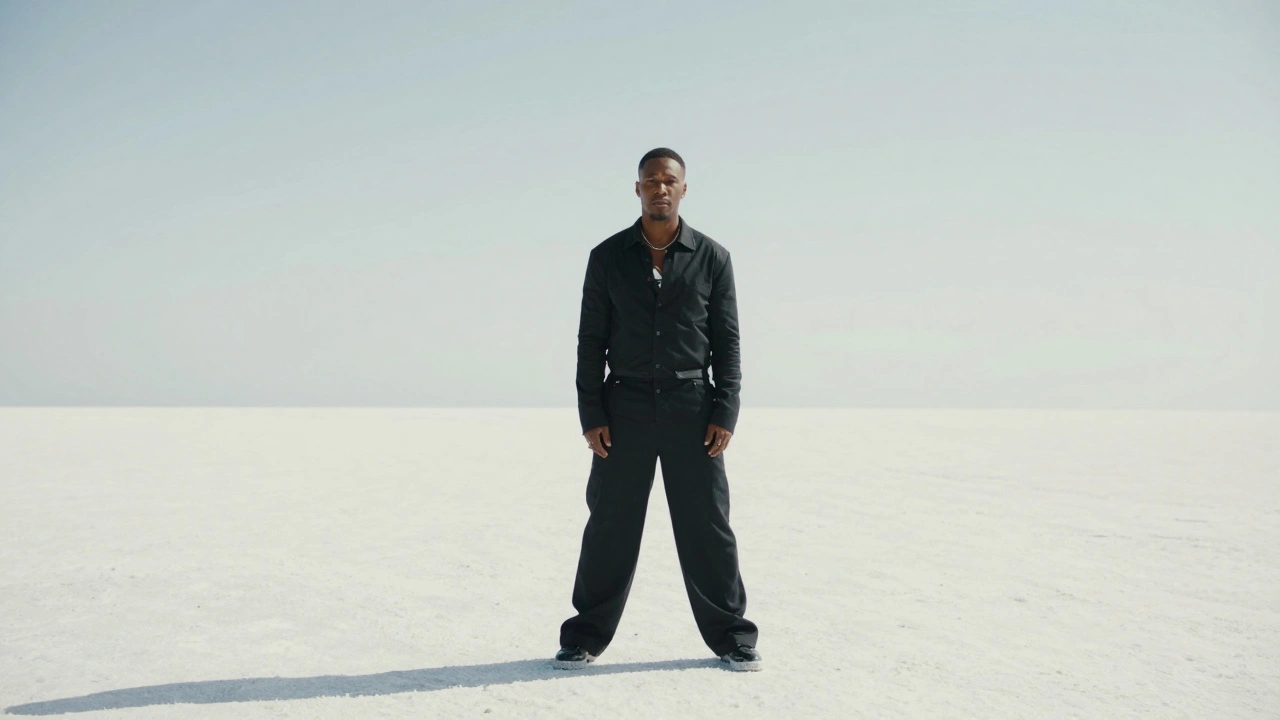
Lighting the Void
Lighting a massive open space is a nightmare for most filmmakers. You either get too much light (making it look like a grocery store) or too little (making the artist disappear). Starr handles this by using chiaroscuro lighting-the dramatic contrast between light and dark. She often uses a single, powerful light source to carve the artist out of the darkness. Imagine a dark warehouse where only one shaft of light hits the singer. The "open space" is still there, but it's now an invisible pressure pressing in from all sides. This creates a feeling of intimacy within a vacuum. It's a paradox: the space is huge, but the mood is claustrophobic. This tension is exactly what makes her work feel modern and edgy. She isn't just lighting a person; she's lighting the air around them, making the emptiness feel like a physical character in the story.
Breaking the Fourth Wall with Scale
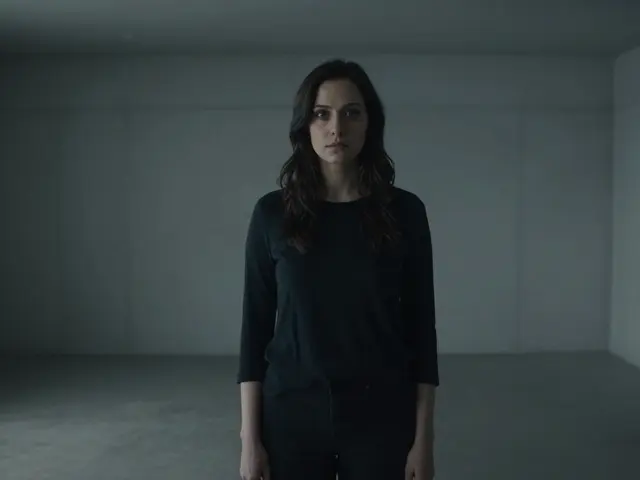
When an artist looks directly into the lens from a distance, it changes the relationship with the viewer. In a tight shot, it's a whisper. In a wide, open space, it's a command. Starr uses this to establish a sense of dominance. When the artist is small in the frame but maintains a powerful posture and direct eye contact, they aren't being dwarfed by the space-they are owning it. This is where the "control" mentioned in her style comes from. It's the confidence to be small and still be the most important thing in the room. This visual choice mirrors the evolution of modern R&B, which has moved away from the over-produced glitz of the 2000s toward a more minimalist, honest, and atmospheric sound. The visuals aren't just accompanying the music; they are translating the sonic minimalism into a visual language.Practical Takeaways for Visual Storytellers
If you're a director or a creator looking to replicate this feeling of "amplified control," you don't need a million-dollar budget or a private warehouse. It's about a few core principles:- Audit your background: Look for the simplest possible environment. A plain white wall or an empty field is better than a cluttered room.
- Embrace the air: Give your subject more room than you think they need. Let the edges of the frame breathe.
- Focus on the silhouette: In open spaces, shapes matter more than details. Ensure your subject's outline is sharp and distinct.
- Slow down the cuts: Trust your composition. If the shot is strong, you don't need to cut away every two seconds.
Does open space always signify loneliness in cinematography?
Not at all. While it can represent isolation, in Alli Starr's work, open space often represents power and control. Depending on the artist's body language and the lighting, a vast space can feel like a stage they have completely mastered rather than a void they are lost in.
What is the difference between negative space and just an empty background?
Negative space is an intentional compositional choice. An empty background is just a lack of stuff. Negative space is used to balance the frame, draw the eye to the subject, and evoke a specific emotional response, like the feeling of breath or pressure.
Why is Brutalist architecture common in modern R&B visuals?
The raw, unpolished nature of concrete reflects the "raw" emotional honesty of the music. The massive scale of these buildings provides a stark contrast to the vulnerability of the human voice, making the emotional peaks of a song feel even more intense.
How do wide shots affect the pacing of a music video?
Wide shots slow down the perceived pace. By giving the viewer more visual information to process (the environment) and reducing the number of rapid cuts, the video feels more cinematic and less like a commercial, allowing the music's mood to settle in.
Can these techniques be used for genres other than R&B?
Absolutely. Any genre that relies on mood, atmosphere, or a strong central persona-like alternative rock or ambient electronic music-can benefit from using open spaces to amplify the subject's presence.