There is a specific kind of magic that happens when the red 'Recording' light goes on. For Alli Starr, an independent artist known for her dreamy indie-pop soundscapes and introspective lyrics, the studio is not just a room with microphones; it is a laboratory for emotion. As we move through May 2026, Starr has been quietly working on what industry insiders are calling her most ambitious project yet. But what does this process actually look like? It isn’t just about singing into a mic until you get it right. It involves hours of sonic experimentation, psychological preparation, and technical precision.
If you have ever wondered how a song moves from a hummed melody in the shower to a polished track on Spotify, you need to understand the workflow behind the scenes. This article pulls back the curtain on Starr’s current sessions, revealing the tools, techniques, and mindset that define her unique creative signature.
The Vibe Check: Setting Up the Studio Environment
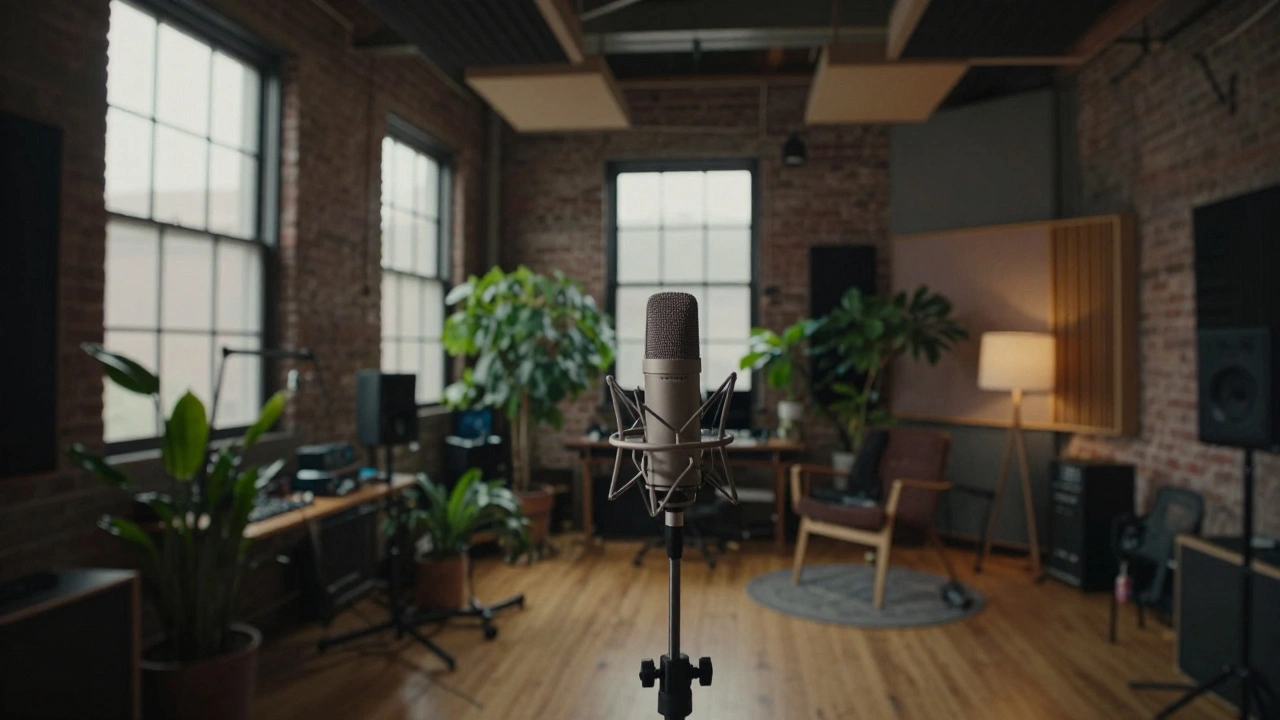
Before a single note is recorded, the environment must be curated. Starr doesn’t walk into a sterile, cold booth. She insists on a space that feels lived-in. Her current sessions are taking place in a converted warehouse studio in Portland, Oregon, which offers high ceilings and natural light-elements she says are crucial for keeping the energy open.
The physical setup matters more than you might think. Here is what you will find in her immediate workspace:
- Analog Warmth: A vintage Neumann U47 microphone, chosen for its rich mid-range frequencies that complement her vocal tone.
- Visual Comfort: Soft lighting, plants, and personal memorabilia to reduce performance anxiety.
- Acoustic Treatment: Custom baffles placed strategically to control reverb without killing the room’s natural ambiance.
This attention to detail ensures that when Starr sits down to sing, she feels safe. Safety leads to vulnerability, and vulnerability leads to better performances. It is a simple chain reaction that many producers overlook.
Capturing the Vocal: The Technical Approach
When it comes time to record, Starr’s approach is distinctively analog-first. In an era where digital plugins can fix almost anything, she prefers to get the sound right at the source. This means spending significant time on gain staging and microphone placement.
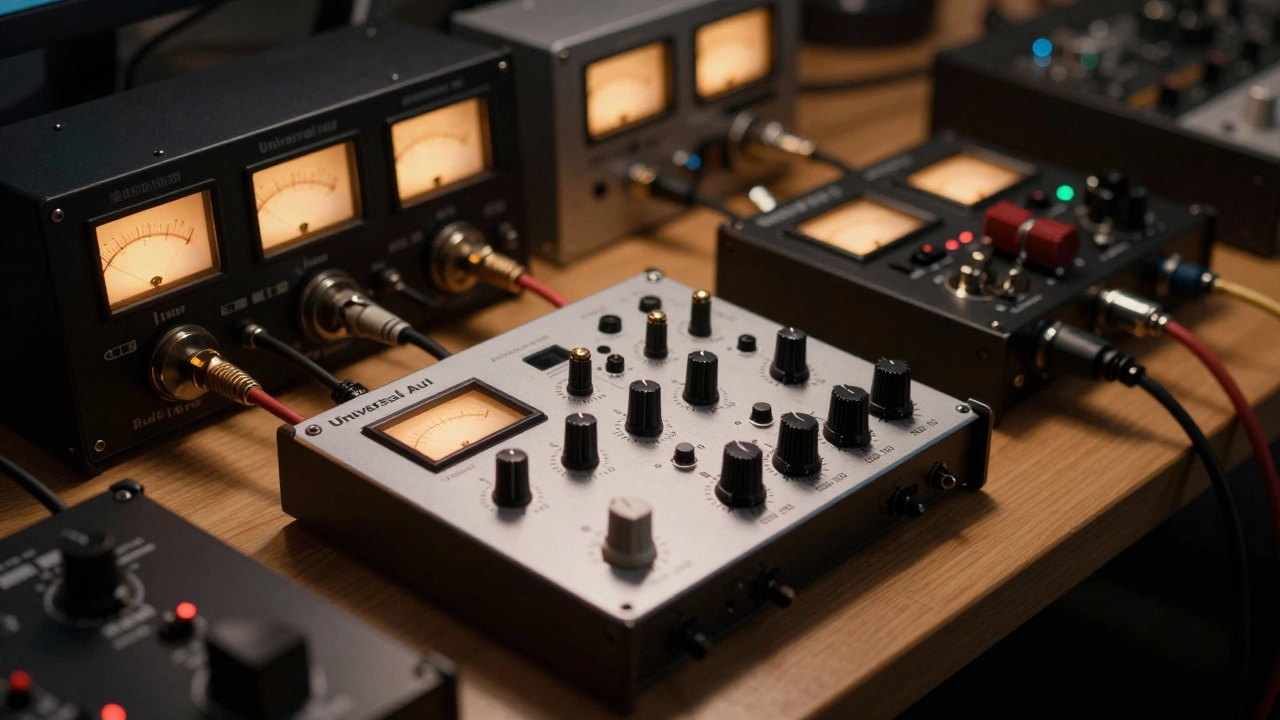
Her producer, who remains anonymous to keep the focus on the art, uses a Universal Audio Apollo x8p interface for its low-latency monitoring and pristine preamps. However, the signal path often runs through hardware compressors before hitting the computer. This technique, known as "printing," forces decisions to be made in real-time rather than in post-production.
Why does this matter? Because it preserves the dynamic nuances of the performance. If you rely too heavily on digital editing later, you risk smoothing out the human imperfections that make a voice feel authentic. Starr’s vocals are characterized by slight breathiness and raw emotional cracks-details that would be lost if over-processed early on.
| Aspect | Analog-First (Starr's Method) | Digital-Heavy (Standard Method) |
|---|---|---|
| Decision Making | Real-time commitment to sounds | Deferred decisions during mixing |
| Sound Character | Warm, organic, unpredictable | Clean, precise, consistent |
| Workflow Speed | Slower initial capture, faster mix | Faster initial capture, slower mix |
| Error Correction | Requires re-recording takes | Can be fixed with plugins/AI |
The Role of Live Instruments in Indie Pop
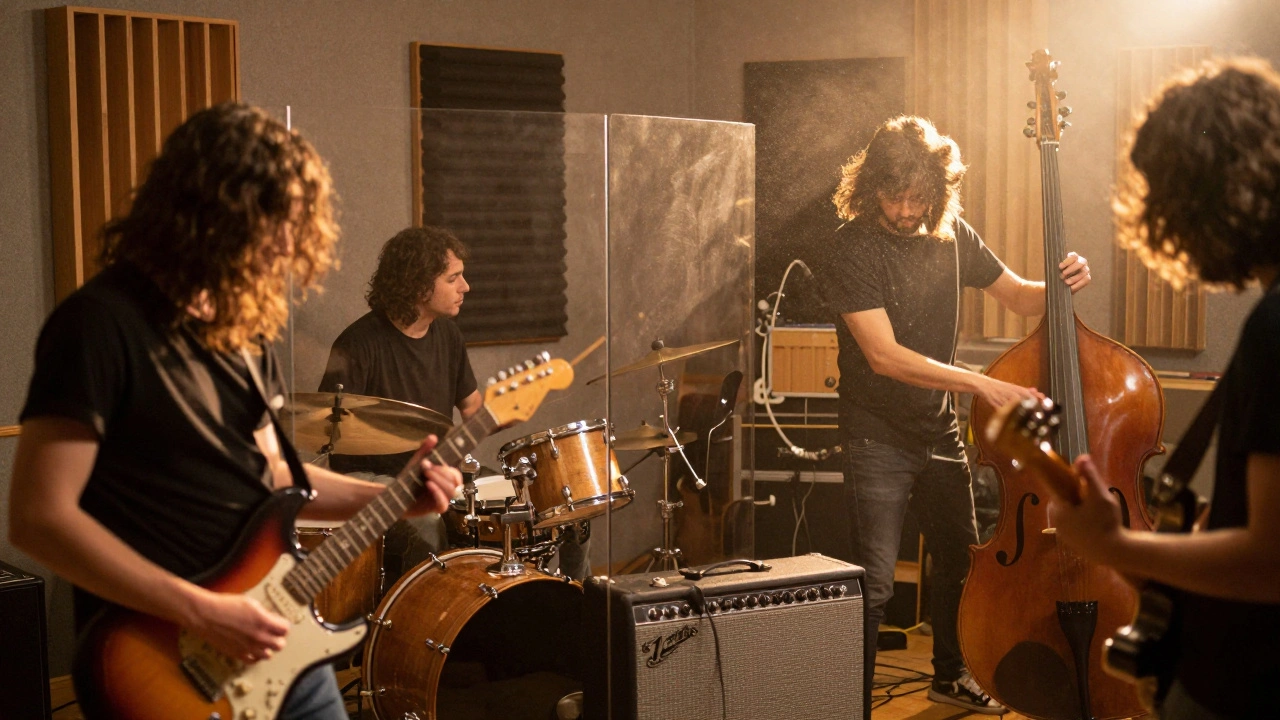
While Starr writes on piano and guitar, her current sessions feature a heavier emphasis on live instrumentation. This is a deliberate choice to distance her new work from the synthesized beats common in mainstream pop. We are seeing a resurgence of live drum kits and bass guitars being recorded together in the same room.
Recording drums live requires careful isolation. Engineers use gobos (portable acoustic shields) and strategic microphone placement to prevent bleed between instruments. The goal is to capture the interaction between the drummer and the bassist-the subtle push-and-pull of rhythm that samples cannot replicate. This method adds a layer of groove and humanity to the tracks that resonates deeply with listeners.
Guitars are also treated with care. Instead of using amp simulators, Starr plays through actual tube amplifiers like the Fender Deluxe Reverb, miked up with a combination of dynamic and condenser microphones. This captures both the punch of the speaker cone and the air around the cabinet, creating a three-dimensional soundstage.
Mental Preparation and Performance Anxiety
Let’s talk about the elephant in the room: fear. Even seasoned artists feel nervous before hitting record. Starr admits that the pressure to deliver a perfect take can sometimes stifle creativity. To combat this, she employs several mental strategies.
- Disconnection: She puts her phone in another room. No social media, no emails. Just her and the music.
- Vocal Warm-ups: Simple lip trills and sirens to loosen up the vocal cords without straining.
- Improvisation: Sometimes, the best takes come from unscripted moments. She encourages herself to experiment with ad-libs and background vocals even if they don’t fit the initial arrangement.
These habits create a ritual that signals to her brain that it is time to perform. Rituals reduce cognitive load, allowing the subconscious mind to take over. This is why some of her most iconic lines were improvised on the spot-they came from a place of flow, not calculation.
Post-Production: Editing Without Losing Soul
Once the tracking phase is complete, the files move to the editing stage. This is where many productions lose their soul. Over-compiling vocals-chopping them up into tiny pieces to align perfectly with the grid-can make a performance sound robotic.
Starr’s team uses Pro Tools for editing but adheres to strict guidelines. They only edit timing issues that distract the listener. Pitch correction is used sparingly, often bypassed entirely on lead vocals to preserve character. The philosophy is simple: if it sounds human, leave it alone.
This approach contrasts sharply with modern trends where AI-powered tools like Melodyne or Auto-Tune are used aggressively. While those tools have their place, they should be servants, not masters. The goal is transparency. You should hear the singer, not the software.
Collaboration Dynamics in the Studio
Recording is rarely a solo act. Starr works closely with a small team of trusted collaborators. This includes her long-time guitarist, a session bassist, and a producer who acts as a creative director. The dynamic in the room is collaborative, not hierarchical.
Ideas are bounced around freely. If a chorus feels weak, they might try changing the chord progression or adding a counter-melody on the saxophone. This openness fosters innovation. Some of the best hooks in her catalog came from suggestions made by engineers or other musicians during breaks.
Communication is key. Misunderstandings can lead to frustration and wasted time. Clear direction helps everyone stay aligned with the artistic vision. Regular check-ins ensure that the production serves the song, not the ego.
The Impact of Technology on Modern Recording
We cannot ignore the role of technology. In 2026, AI-assisted mixing tools are becoming more prevalent. These algorithms can analyze a track and suggest EQ adjustments or compression settings based on genre standards.
However, Starr views these tools with caution. She believes that artistry lies in breaking rules, not following them. AI can optimize a mix, but it cannot decide whether a distorted vocal fits the emotional context of a lyric. Human judgment remains irreplaceable. Technology should enhance creativity, not dictate it.
That said, remote collaboration platforms have changed how projects are managed. Files can be shared instantly across continents. This allows Starr to work with musicians from different parts of the world without needing them physically present. It expands the pool of talent available but requires disciplined file management and clear communication protocols.
What microphone does Alli Starr primarily use for vocals?
She primarily uses a vintage Neumann U47, valued for its warm tonal characteristics and ability to capture nuanced vocal details.
Why does Alli Starr prefer analog equipment over digital plugins?
Analog gear forces real-time decision-making and imparts a natural warmth and saturation that digital emulations sometimes lack, helping to preserve the organic feel of the performance.
How does Alli Starr manage performance anxiety in the studio?
She creates a comfortable environment, disconnects from digital distractions, performs vocal warm-ups, and embraces improvisation to reduce pressure and encourage authentic expression.
Is AI used in Alli Starr’s current recording sessions?
While aware of AI tools, she uses them cautiously, preferring human judgment for creative decisions. AI may assist in technical tasks but does not drive artistic choices.
What is the significance of recording live instruments together?
Recording live instruments together captures the natural interplay and groove between musicians, adding a layer of humanity and energy that is difficult to achieve with isolated tracks.