Walking into a show in Las Vegas is different from anywhere else in the country. The air feels thicker with expectation. You aren't just watching a musician; you are witnessing a machine of light, sound, and precision. For Alli Starr, an artist known for her raw, emotional R&B music that blends soulful vocals with modern beats, this environment changes everything. It forces a specific kind of discipline. It demands that every breath, every note, and every movement aligns perfectly with the technical infrastructure surrounding her.
The core issue isn't just about looking good on camera. It's about how high-end production values including audio engineering, visual staging, and crowd management systems actually alter the way an artist connects with their audience in real-time. In a small club, you can wing it. If you hit a wrong note, the room forgives you because they can see your face clearly. In a massive venue like those found in the Strip or nearby districts, the gap between the stage and the back row is huge. Technology bridges that gap, but it also creates new challenges for the performer.
The Soundstage: Precision Over Improvisation
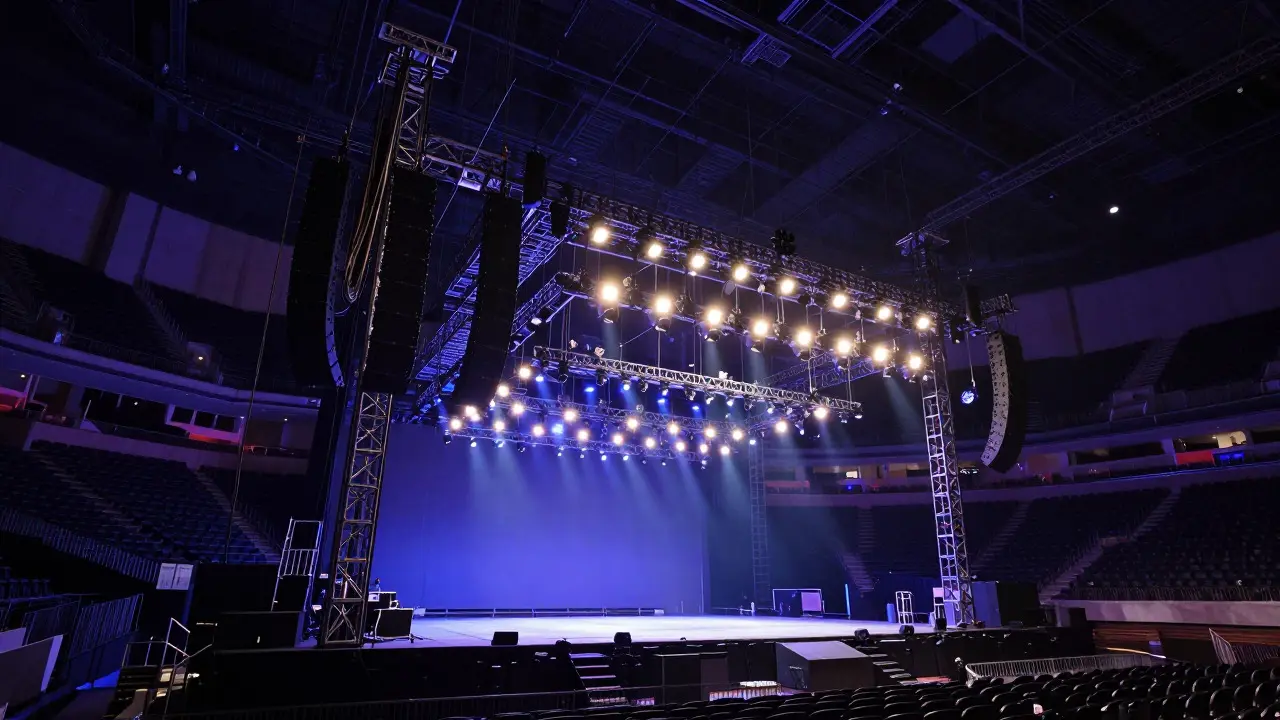
In Las Vegas, the sound system is often custom-built for the space. These aren't standard PA setups. They are linear array systems designed to push sound evenly across thousands of seats without distortion. For an R&B artist, where vocal dynamics are king, this is critical. A whisper needs to be as clear as a belt. This requires rigorous pre-show line checks and precise microphone monitoring.
Alli Starr has noted in interviews that she spends more time on vocal warm-ups when touring through Vegas than anywhere else. Why? Because the acoustics are so controlled, there is no "room tone" to hide behind. Every flaw in pitch or breath control is amplified by the high-fidelity speakers. The digital mixing console used by the front-of-house engineer allows for real-time adjustments, but the artist must provide a consistent input signal. If Alli drifts off-key, the auto-tune might catch it, but the human ear in the front row will notice the disconnect between the voice and the beat. This pressure leads to a tighter, more polished live performance. It strips away the looseness of a basement show and replaces it with a disciplined, radio-ready quality.
Visual Storytelling Through Light and Video
If sound sets the foundation, visuals set the mood. Las Vegas venues are famous for their integration of LED screens and dynamic lighting rigs. These tools allow the band to tell a story without saying a word. During slower tracks, lights dim to deep purples and blues, creating an intimate atmosphere even in a large hall. During upbeat numbers, strobes and moving heads create energy that matches the tempo.
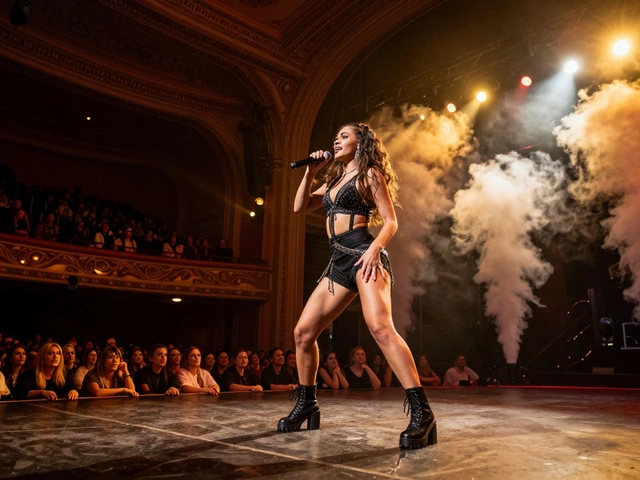
For Alli Starr, this means choreography matters more than ever. She doesn't just stand at the mic. She moves in sync with the video content projected behind her. The LED wall acts as a second performer. It reacts to her movements. This synchronization requires tight coordination between the director, the lighting programmer, and the artist. It turns a musical performance into a multimedia experience. The audience sees a cohesive world rather than just a singer on a stage. This elevates the perceived value of the craft. It shows that the music is part of a larger artistic vision.
| Element | Small Club (e.g., 200 cap) | Las Vegas Venue (e.g., 5,000+ cap) |
|---|---|---|
| Sound System | Standard PA, room-dependent | Custom Linear Array, calibrated per seat |
| Vocal Monitoring | Basic wedge monitors | In-ear monitors with isolated mixes |
| Lighting | Static fixtures, limited color | Dynamic moving heads, synchronized to song structure |
| Visuals | Minimal or none | Large LED screens with custom video content |
| Artist Freedom | High improvisation allowed | Strict timing required for tech cues |
The Technical Crew: Invisible Partners
You don't see them during the show, but they are essential. The sound engineer, the lighting designer, and the stage manager form a triangle of support. In Las Vegas, these roles are highly specialized. The sound engineer isn't just turning knobs; they are managing a complex ecosystem of inputs. They balance Alli's vocals against the backing tracks, ensuring that her voice always sits on top of the mix. This is crucial for R&B, where the vocal melody is the primary hook.
The lighting designer works from a separate console, triggering effects based on timecode. This means if Alli holds a note longer than planned, the lights might change too early. To prevent this, artists often work with the crew during rehearsals to map out exact timings. This collaboration blurs the line between musician and technician. The artist becomes a conductor of technology. This level of integration ensures that the show runs smoothly, night after night, without hiccups. It reflects the professional standard expected in the entertainment capital of the world.

Audience Engagement in a Large Space
One of the biggest challenges in a large venue is maintaining connection. In a small room, eye contact is easy. In a theater-style setup, most people are far away. How does Alli Starr bridge this gap? She uses the production values to her advantage. Camera shots are fed to the big screens, showing close-ups of her expressions. When she smiles, the entire arena sees it. When she looks down in emotion, the audience feels it magnified.
This technological mediation changes the nature of the interaction. It becomes less direct and more cinematic. However, it also allows for a broader reach. Fans who can't get close to the stage still feel included. The video director plays a key role here, selecting angles that highlight the emotional peaks of the songs. This careful curation ensures that no one feels left out of the experience. It democratizes the intimacy of the performance.
Economic Implications of High-End Production
There is a financial side to all this. High production values come with high costs. Renting the right gear, hiring skilled technicians, and producing custom video content adds up quickly. For established artists, this is manageable. For emerging ones, it can be a barrier. However, the ROI (Return on Investment) is significant. Shows in Las Vegas often have higher ticket prices due to the premium experience. Fans are willing to pay more for a polished, multi-sensory event. This revenue helps fund future tours and recordings. It creates a cycle where better production leads to higher earnings, which funds even better production.
Alli Starr has leveraged this model effectively. By investing in top-tier technical teams, she has positioned herself as a headliner rather than a supporting act. This status attracts bigger venues and larger audiences. It validates her artistic growth. The market responds to quality. In a city built on spectacle, substance wrapped in spectacle wins.

The Human Element Amidst the Technology
Despite the heavy reliance on technology, the heart of the show remains human. The best performances happen when the artist forgets the tech and focuses on the feeling. Alli Starr has described moments where the lights go down, the music fades, and it's just her and the silence. In those moments, the production values disappear. What remains is the voice. The vulnerability. The truth of the lyrics. This contrast makes the return of the full production even more powerful. It highlights the difference between the mechanical and the organic. It reminds the audience that while the lights and sounds are impressive, the soul comes from the person holding the microphone.
This balance is what defines her craft. She doesn't let the technology overshadow the music. Instead, she uses it to enhance the emotional impact. The result is a live R&B experience that is both technically flawless and emotionally resonant. It sets a benchmark for other artists looking to perform in major markets.
Frequently Asked Questions
Why do Las Vegas venues require stricter timing than smaller clubs?
Large venues use automated lighting and video systems triggered by timecode. If the artist deviates from the rehearsed timing, the visual cues may misalign with the music, breaking the immersive experience. Smaller clubs rely more on manual operation and have fewer synchronized elements.
How does sound engineering differ in a 5,000-seat arena versus a 200-seat club?
In arenas, engineers use linear array speakers to distribute sound evenly across a wide area, requiring precise calibration to avoid echo or dead spots. In clubs, standard point-source speakers are used, and the room's natural acoustics play a larger role in shaping the sound.
What role do LED screens play in enhancing an R&B performance?
LED screens extend the visual narrative by displaying close-ups of the artist, abstract visuals that match the song's mood, or live video feeds. This helps engage distant audience members and adds a cinematic layer to the live experience.
Does high production value make live music less authentic?
Not necessarily. While technology adds polish, authenticity comes from the artist's emotional delivery. When production supports the music without overwhelming it, it enhances the authenticity by allowing subtle vocal nuances to be heard clearly by everyone.
How much does it cost to produce a Las Vegas-level show?
Costs vary widely depending on scale, but a mid-sized tour with professional lighting, sound, and video crews can range from $50,000 to $150,000 per week. This includes equipment rental, labor, and travel expenses.