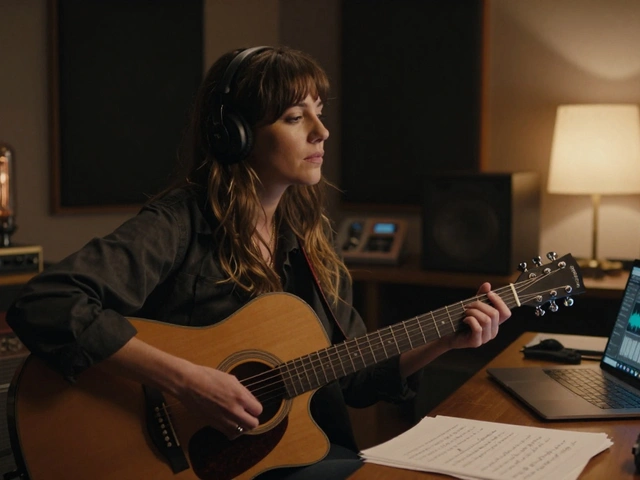
Choosing a stage name is never just about picking a cool word. It’s the first handshake between an artist and their audience. For many musicians, that initial choice feels like a temporary placeholder until they find the "real" thing. But sometimes, the evolution from a tentative alias to a solidified identity reveals the core of your brand building strategy. Take the shift from 'Alli Star' to Alli Starr. On the surface, it looks like a simple spelling tweak. In reality, it’s a masterclass in how artists refine their public persona to match their internal growth.
We often think of identity as static-who you are at 20 versus who you are at 35. But for performers, identity is fluid. It shifts with every album cycle, every viral moment, and every creative breakthrough. The relationship between a working title and a final signature isn't just administrative; it's psychological. It marks the transition from experimenting with potential to committing to a specific narrative. If you're navigating this path, understanding why names change can help you avoid the trap of chasing trends instead of cultivating authenticity.
The Psychology Behind the Name Change
Why do artists rename themselves? It rarely happens because the old name was "bad." Usually, the old name was accurate for a previous chapter but limiting for the next one. When an artist moves from 'Alli Star' to Alli Starr, the double 'r' adds weight. It suggests stability, depth, and perhaps a nod to heritage or a specific aesthetic direction. The single 'r' in 'Star' feels lighter, more transient, like a shooting star-bright but fleeting. The double 'r' anchors the name. It tells the listener, "I am here to stay. This is my foundation."
- Phonetic Weight: Longer consonant clusters often signal seriousness or maturity in branding.
- Visual Balance: Spelling affects how a logo looks on a merch shirt or a streaming profile. Symmetry matters.
- Narrative Alignment: The name must fit the story you are telling in your lyrics and visuals.
This isn't just vanity. It’s strategic positioning. A name is a cognitive shortcut. When fans hear it, they should immediately associate it with a specific vibe, sound, or emotion. If the name no longer triggers that correct association, a change is inevitable. You aren't erasing the past; you're clarifying the present.
From Placeholder to Signature: The Evolution Process
Most successful stage names go through three distinct phases. Recognizing where you are in this timeline can save you years of rebranding headaches.
- The Experiment Phase: This is where names like 'Alli Star' live. They are fun, easy to remember, and low-stakes. You’re testing waters. You might use different names for different platforms. This phase is about discovery, not definition.
- The Consolidation Phase: One name starts gaining traction. Fans begin using it consistently. Merch sells under this name. This is the critical pivot point. You need to decide if this name has enough room to grow or if it’s too narrow.
- The Legacy Phase: The name becomes synonymous with the art. Changing it now would be costly. This is where 'Alli Starr' sits. It’s established, searchable, and protected.
The jump from Phase 1 to Phase 2 is where most brands fail. They cling to the experiment name too long, outgrowing its capacity to hold their new artistic vision. Or, they rush into Phase 3 before truly knowing who they are, locking themselves into a box that doesn't fit. The key is timing. You change the name when the friction between your current identity and your public label becomes greater than the cost of switching.

Practical Implications for Brand Consistency
Changing a name sounds simple, but the logistical fallout is significant. Search engine optimization (SEO) takes time to update. Social media algorithms need to re-learn your audience. Existing fans might feel confused. To manage this, you need a clear communication strategy.
| Element | Pre-Transition ('Alli Star') | Post-Transition ('Alli Starr') |
|---|---|---|
| Search Intent | Exploratory, casual listening | Targeted, fan-base loyalty |
| Visual Identity | Bright, dynamic, varied fonts | Consistent, serif or bold sans-serif, unified palette |
| Audience Perception | New, emerging talent | Established artist with a clear voice |
| Risk Factor | Low (easy to discard) | High (requires investment) |
Notice the shift in risk. When you were 'Alli Star,' you could afford to be messy. Your brand was a sketch. Now, as 'Alli Starr,' every detail counts. Your bio, your press kit, your social handles-they all need to align perfectly. This is where Digital Asset Management is the systematic organization and control of digital files, including images, videos, and documents, ensuring consistency across all platforms becomes crucial. If your website still says 'Star' while your Instagram says 'Starr,' you lose credibility. The name change must be total and simultaneous.
Building Authenticity Through Naming
Authenticity is the currency of modern music. Fans are savvy. They can smell a calculated move from a mile away. So, how do you make a name change feel authentic rather than opportunistic? By tying it to a creative milestone. Did you release a new album? Did you move to a new city? Did your sound shift from pop-punk to indie-folk? The name change should mirror that shift.
If 'Alli Star' represented your high-energy, party-anthem era, and 'Alli Starr' represents your introspective, lyric-driven phase, the double 'r' acts as a visual cue for that maturation. It signals to the audience that the music inside the container has changed. This alignment between name and content reduces cognitive dissonance. Listeners don't have to wonder, "Is this the same person?" The name itself answers the question before they even ask it.
Consider the power of simplicity. Complex names with special characters or unusual spellings create barriers. 'Alli Starr' is easy to type, easy to say, and easy to remember. It avoids the pitfalls of over-branding. Sometimes, the best brand decision is the one that gets out of the way of the art. The name serves the artist, not the other way around.

Common Pitfalls in Artist Rebranding
Not every name change works. Here are the traps that derail promising careers:
- The Trend Chaser: Changing your name to match a current genre trend. Trends fade; names stick. If you rename yourself for a wave that crashes in six months, you’ll look foolish.
- The Fragmenter: Using different names for different sub-genres or projects. This splits your audience. Unless you are a major label act with massive resources, keep one primary identity.
- The Silent Switch: Changing the name without telling anyone. Fans will notice. They’ll assume you’re hiding something or that the old artist is dead. Always announce the transition with context.
- The Over-Thinker: Spending six months debating one letter. Analysis paralysis kills momentum. Trust your gut. If the new name makes you smile when you sign a check, it’s probably right.
The goal isn't perfection. It's progress. A name that evolves with you shows resilience. It shows that you are alive, growing, and paying attention to your own trajectory. That is a powerful message to any fan base.
Strategic Next Steps for Artists
If you’re considering a similar evolution, start by auditing your current assets. Look at your top ten songs. What words appear in the titles? What emotions dominate the lyrics? Does your current name reflect that? If not, brainstorm alternatives. Write them down. Say them out loud. See how they look in a font. Test them with trusted friends, not just fans. Friends give honest feedback; fans give polite encouragement.
Once you’ve chosen the new name, plan the rollout. Update your domain, your socials, and your email address simultaneously. Create a short video or post explaining the "why" behind the change. Keep it brief. Don’t apologize. Just state the new reality. Then, get back to making music. The name is just the frame; the art is the picture. Ensure the frame fits the picture, and the rest will follow.
Does changing a stage name hurt SEO?
It can temporarily disrupt search visibility, but it is usually recoverable within 3-6 months. The key is to set up 301 redirects on your website and update metadata on all major platforms simultaneously. Consistency is what helps search engines re-index your content under the new entity name.
When is the best time to change a stage name?
The ideal time is during a significant creative transition, such as releasing a new album or EP. This provides a natural narrative reason for the change. Avoid changing names during peak tour seasons or mid-cycle promotional pushes, as it creates confusion for booking agents and fans alike.
How do I keep existing fans engaged after a name change?
Communication is everything. Send a direct email to your list explaining the reasoning. Post a video on social media showing the thought process. Acknowledge the old name with gratitude but emphasize the forward momentum. Fans appreciate transparency and are generally supportive if they understand the artistic intent behind the shift.
Is it better to have a unique name or a common one?
A unique name helps with searchability, but a common name can build community faster. The balance lies in distinctiveness within your niche. 'Alli Starr' is common enough to be relatable but specific enough to stand out in the indie scene. Avoid names that are hard to spell or pronounce, as they create friction in sharing and searching.
Can I use both names during the transition period?
Yes, for a limited window (e.g., 30 days). Use formats like "Alli Starr (formerly Alli Star)" on bios and profiles. This bridges the gap for new listeners while reassuring old fans. After the transition period, retire the old name entirely to maintain brand clarity and focus.