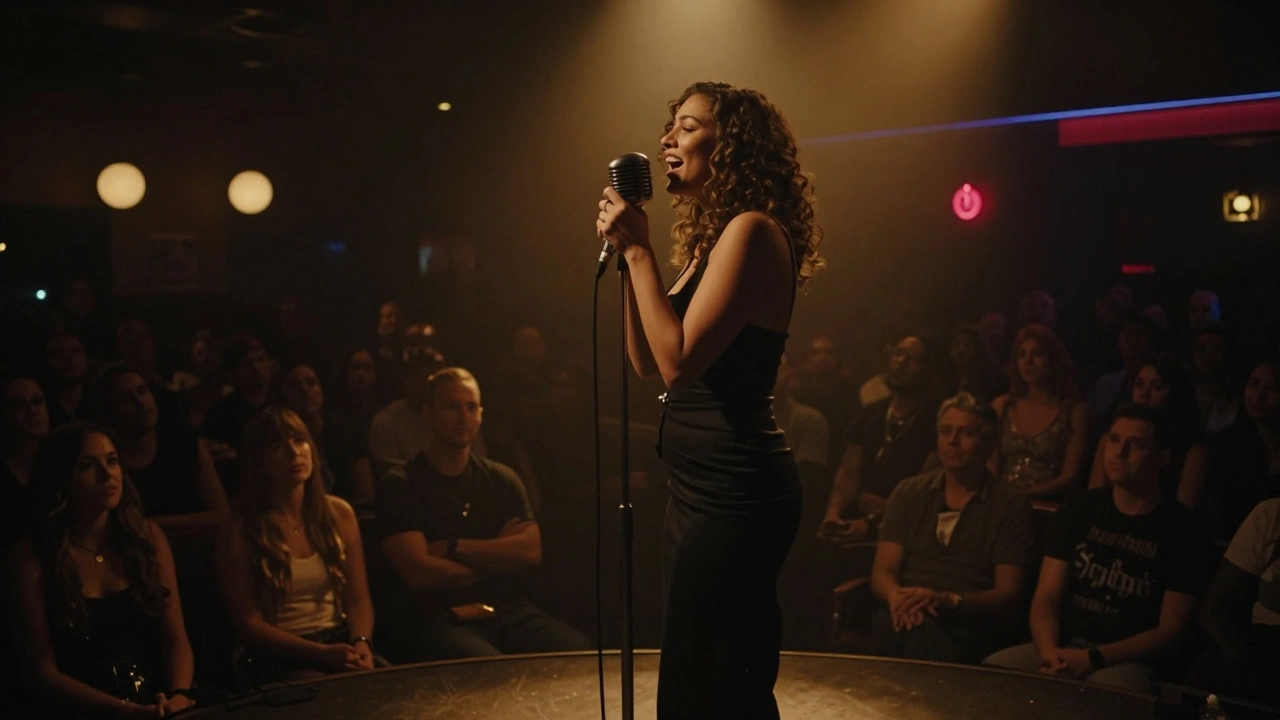
There is a quiet revolution happening in the neon-lit landscape of Las Vegas, a city historically known for high-energy spectacle and transient entertainment. For decades, the standard formula for success on the Strip relied on massive production values, celebrity headliners, and fleeting tourist attention. But a new wave of artists is rewriting that script. They are trading pyrotechnics for intimacy, and they are finding profound success by building deep, loyal communities around their craft. At the forefront of this shift is Alli Starr, an American singer-songwriter known for her powerful vocals and genre-blending style. Her recent residency has not just been a series of concerts; it has become a case study in how modern musicians can leverage the residency model to foster genuine connection.
The concept of a Residency, a performance contract where an artist plays a specific venue for a set period rather than touring constantly is nothing new. It dates back to the big band era and was revitalized by icons like Celine Dion and Elton John. However, those earlier models were often about exclusivity and scale. Starr’s approach flips the script. She isn’t using the residency to hide behind a fortress of VIP suites; she is using it as a home base to gather her tribe. This distinction is crucial for anyone looking to understand the future of live music economics.
The Shift from Touring to Anchoring
Traditional touring is exhausting. It involves constant travel, inconsistent sleep, and a revolving door of audiences who may never see you again. The financial risk is high, and the emotional toll is higher. By choosing a residency, an artist anchors themselves in one location. This stability allows for deeper creative exploration and more consistent engagement with local fans. For Starr, this meant selecting a venue that aligned with her artistic identity rather than just picking the biggest stage available.
The decision to stay put changes the dynamic between the performer and the audience. When you perform in the same room week after month, you stop being a stranger. You become a familiar presence. Fans begin to anticipate your shows not just for the music, but for the shared experience. This creates a sense of belonging that is rare in today’s disposable entertainment culture. Starr’s residency leverages this psychological shift, turning ticket buyers into regulars and regulars into advocates.
Crafting Intimacy in a Large Market
Las Vegas is a paradox. It is a city of millions, yet it can feel incredibly lonely. The sheer size of the venues often distances performers from their audience. Overcoming this requires intentional design. Starr’s team focused on creating an environment that felt personal, even within a commercial setting. This involved everything from stage layout to lighting cues, ensuring that every attendee felt seen.
Key elements of this intimate atmosphere include:
- Proximity: Designing the stage so that there are no physical barriers between the artist and the front rows.
- Consistency: Offering a similar core experience each night, which builds trust and anticipation among repeat visitors.
- Interaction: Encouraging dialogue during performances, allowing fans to share stories or request songs within a curated framework.
This focus on intimacy does not mean sacrificing quality. On the contrary, the reduced pressure of daily travel allows for tighter musical arrangements and more polished vocal performances. Starr’s ability to deliver high-caliber soul music in a relaxed setting has become a hallmark of her brand. It proves that you don’t need explosions to create excitement; you just need authenticity.
The Role of Soul Music in Community Building
Why soul music? Why not pop, rock, or electronic dance music? The answer lies in the genre’s inherent emphasis on emotion and storytelling. Soul Music, a genre characterized by its strong African American cultural influences and emotional depth has always been about connection. It thrives on the exchange of feeling between the singer and the listener. In a residency format, this exchange becomes cumulative. Each show adds another layer to the collective memory of the audience.
Starr’s repertoire often includes covers of classic soul standards alongside original material. This blend serves a dual purpose. It honors the legacy of the genre, appealing to older demographics who have followed soul music for decades, while introducing the sound to younger listeners who might discover it through her social media presence. This cross-generational appeal is vital for building a sustainable community. It ensures that the fanbase is not just a snapshot of current trends, but a living, breathing ecosystem.
Moreover, soul music often addresses themes of struggle, triumph, and love. These universal topics resonate deeply with individuals seeking comfort or celebration. By providing a space where these emotions can be safely expressed, Starr’s residency becomes more than a concert; it becomes a sanctuary. This emotional resonance is what transforms casual listeners into lifelong fans.
Leveraging Digital Tools for Physical Connection
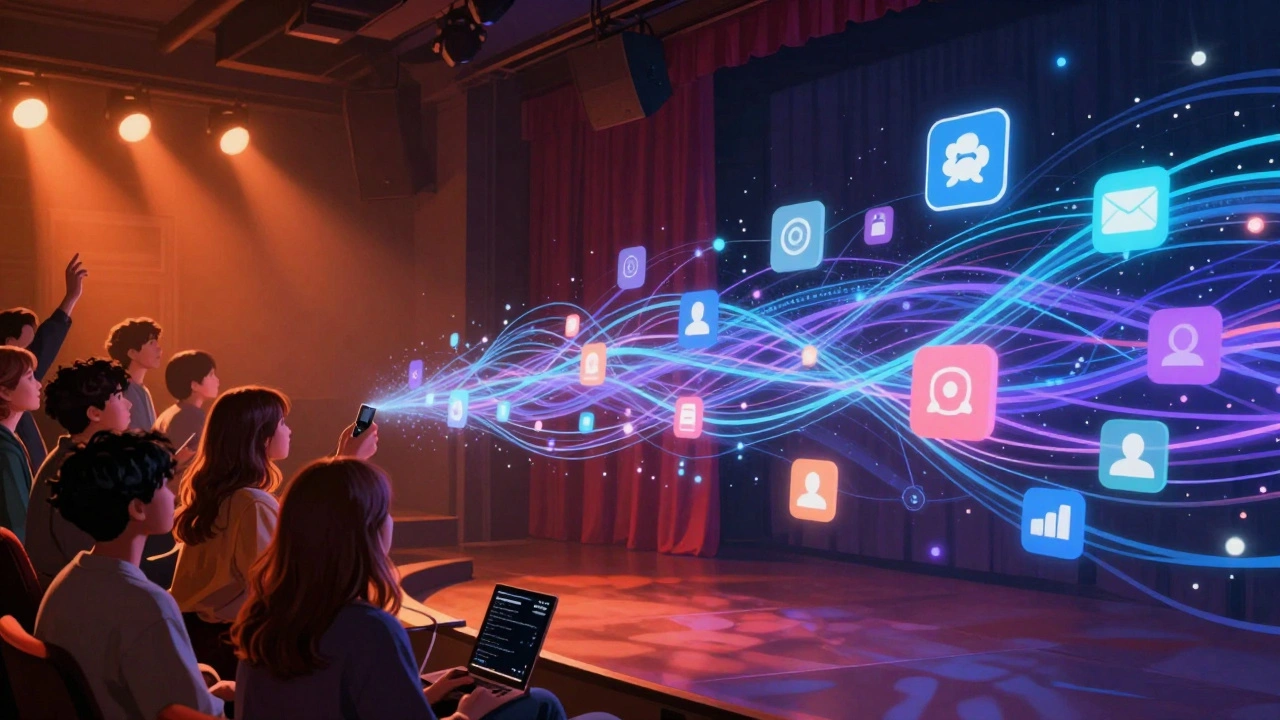
It would be naive to think that community building happens solely on stage. In 2026, the digital realm is just as important as the physical one. Starr’s team uses social media not just for promotion, but for conversation. They share behind-the-scenes content, rehearsal snippets, and personal reflections. This transparency breaks down the fourth wall, making the artist accessible even when she is not performing.
However, the key strategy here is bridging the gap. Digital engagement is used to drive physical attendance. For example, exclusive online challenges might offer meet-and-greet opportunities at upcoming shows. Or, livestreamed acoustic sessions might encourage fans to buy tickets for the next live performance. This synergy ensures that the online community feeds the offline experience, and vice versa.
Data analytics play a role here too. By tracking which digital content resonates most with their audience, Starr’s team can tailor their messaging to highlight aspects of the residency that matter most to fans. Maybe it’s the guest musicians, the setlist variations, or the post-show hangouts. Understanding these preferences allows for more targeted and effective community management.
Economic Sustainability and Artist Well-being
Beyond the artistic and communal benefits, the residency model offers significant economic advantages. Touring is expensive. Fuel, logistics, accommodation, and crew salaries eat into profits quickly. A residency reduces these overhead costs dramatically. Artists can invest more in production quality, marketing, and fan experiences without the constant drain of travel expenses.
For the artist personally, this translates to better well-being. The burnout rate among touring musicians is notoriously high. By anchoring themselves in one place, artists like Starr can maintain healthier routines. They can spend time with family, engage in local activities, and recharge creatively. This sustainability is crucial for long-term career viability. It allows artists to produce better work because they are not running on empty.
Furthermore, residencies provide predictable income streams. While touring revenue can fluctuate wildly based on ticket sales in different cities, a residency guarantees a baseline level of earnings over a set period. This financial stability gives artists the freedom to take creative risks, knowing they have a safety net. It encourages experimentation and innovation, which ultimately keeps the music fresh and exciting for the audience.
| Factor | Traditional Touring | Residency Model |
|---|---|---|
| Financial Risk | High (variable per city) | Low (predictable income) |
| Audience Relationship | Transient, one-off interactions | Deep, recurring connections |
| Artist Well-being | High stress, frequent travel | Stable routine, less fatigue |
| Production Quality | Often compromised by budget | Can be optimized for one space |
| Community Impact | Minimal local integration | Strong local cultural contribution |
Replicating the Success: Lessons for Other Artists
Not every artist is suited for a residency, but many could benefit from adopting some of its principles. If you are considering this path, start by identifying your core community. Who are your most dedicated fans? Where do they live? What do they value about your music? Use these insights to choose a venue and market that aligns with your brand.
Next, focus on consistency. Your residency should offer a reliable experience that fans can count on. This doesn’t mean boring repetition; it means maintaining a high standard of quality and emotional resonance. Whether it’s the sound mix, the lighting, or the energy on stage, ensure that every element contributes to the overall vibe.
Finally, embrace the local context. Engage with the community outside of the venue. Collaborate with local businesses, participate in charity events, and support local causes. This embeds you in the fabric of the city, making your residency a part of the local culture rather than just a visitor passing through. Starr’s success in Las Vegas is a testament to the power of this integrated approach.
The legacy of Alli Starr’s residency is not just about the music she performed, but the community she built. It shows that in an age of digital distraction, people still crave real, human connection. By prioritizing intimacy, sustainability, and authenticity, artists can create experiences that last far longer than the final encore. This is the future of live music, and it starts with listening to your audience.
What makes a residency different from a traditional tour?
A residency involves an artist performing at a single venue for a set period, whereas a traditional tour moves between multiple cities and venues. Residencies offer greater stability, lower travel costs, and the opportunity to build deeper relationships with a local audience.
How did Alli Starr use her residency to build community?
Starr focused on creating an intimate atmosphere, engaging directly with fans, and leveraging digital platforms to foster ongoing conversations. She also emphasized the emotional connection inherent in soul music, turning concerts into shared experiences.
Is the residency model financially better for artists?
Yes, generally. Residencies reduce overhead costs associated with travel and logistics, providing a more predictable income stream. This financial stability allows artists to invest more in production quality and their own well-being.
Why is soul music particularly effective for community building?
Soul music emphasizes emotional depth and storytelling, which fosters a strong connection between the performer and the audience. Its themes of struggle and triumph resonate universally, creating a shared emotional space that strengthens community bonds.
Can any artist successfully launch a residency?
While not every artist is suited for a residency, many can benefit from its principles. Success depends on having a dedicated fanbase, choosing the right venue and market, and committing to consistent, high-quality performances that prioritize audience connection.
What role does social media play in a residency?
Social media bridges the gap between live shows, keeping fans engaged through behind-the-scenes content, personal updates, and interactive challenges. It helps drive physical attendance by offering exclusive digital perks tied to live events.
How does a residency impact an artist's well-being?
Residencies reduce the physical and mental strain of constant travel, allowing artists to maintain healthier routines. This stability prevents burnout and enables them to focus more on creativity and personal life.