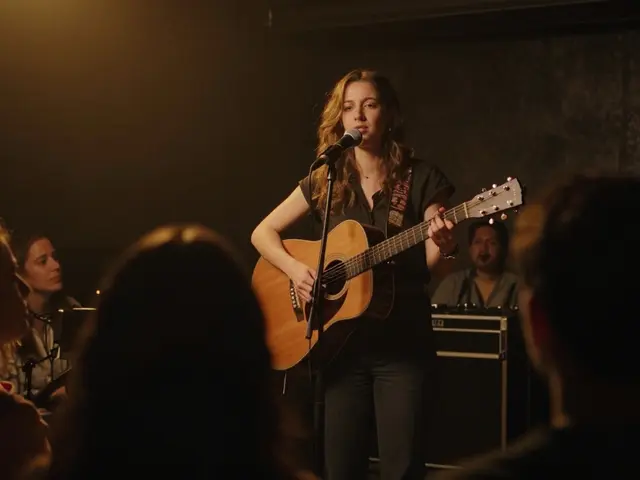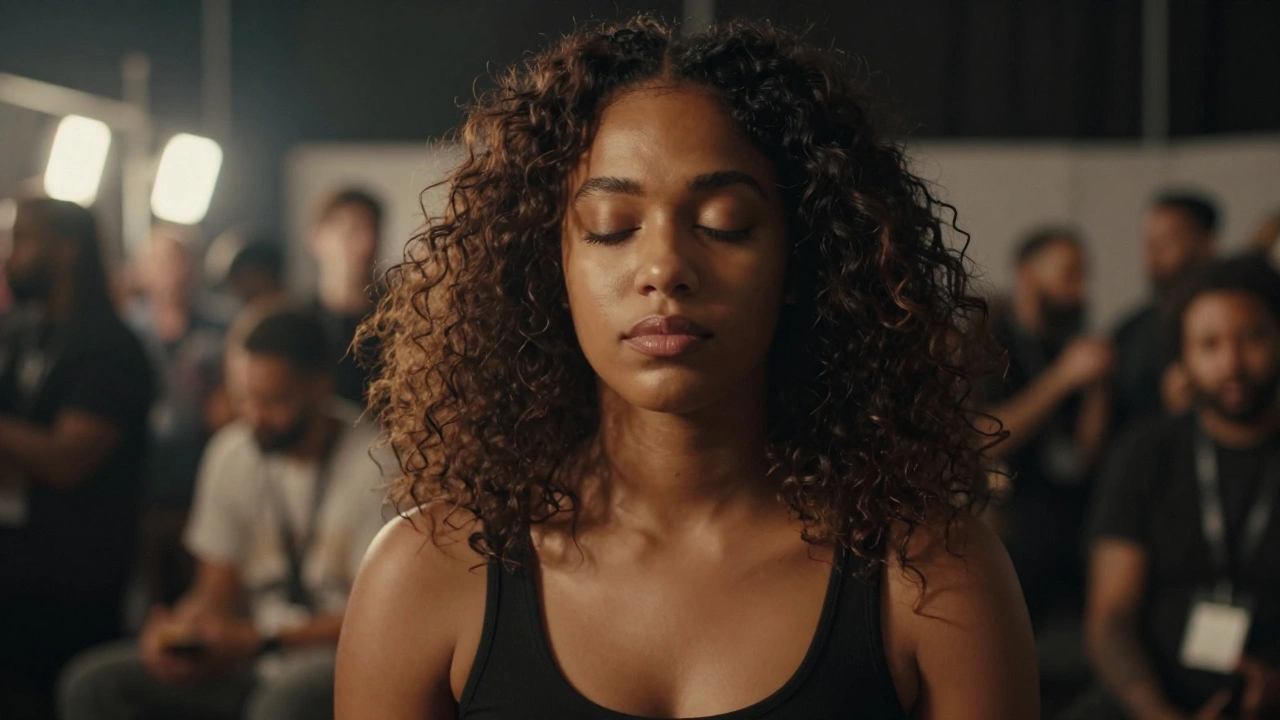
There is a moment in every live performance where the noise fades, the lights blur, and the singer stops thinking about the next note. For Alli Starr, an emerging force in the contemporary R&B music scene known for her soulful delivery and introspective lyrics, this isn’t just a lucky break. It is a practiced state of being. While many artists rely on adrenaline to power through a set, Starr leans into stillness. Her approach challenges the common belief that high-energy performances require high-anxiety preparation. Instead, she uses a meditative mindset to anchor her voice, stabilize her emotions, and connect deeply with the audience.
This method might seem counterintuitive. We often associate stage presence with fire, urgency, and explosive energy. But look closer at the legends of soul and R&B-Aretha Franklin, D’Angelo, Erykah Badu-and you’ll find a different truth. Their power came from a place of deep internal calm. Starr is tapping into this lineage, but she is also applying modern psychological tools to navigate the pressures of the 2026 music industry. If you are a performer struggling with stage fright, or simply curious about how mental clarity shapes artistic output, understanding Starr’s process offers a roadmap for sustainable creativity.
The Science of Stage Calm
Why does meditation work for singers? The answer lies in the physiology of the body. When we face a crowd, our sympathetic nervous system triggers a "fight or flight" response. Your heart rate spikes, your muscles tense, and your breath becomes shallow. For a vocalist, shallow breathing is the enemy. It restricts diaphragmatic support, causing the voice to crack or lose power.
Meditation activates the parasympathetic nervous system-the "rest and digest" mode. This lowers cortisol levels and allows for full, controlled breaths. Starr incorporates specific breathing techniques before stepping on stage. She doesn’t just take deep breaths; she practices box breathing (inhale for four seconds, hold for four, exhale for four, hold for four). This rhythmic pattern signals safety to the brain, reducing performance anxiety by up to 40% according to recent studies in performance psychology. By calming the body, she frees the mind to focus on nuance rather than survival.
This isn’t about becoming passive. It’s about creating a stable foundation so that when the emotion hits, it flows through you rather than overwhelming you. Think of it like a riverbed. Meditation creates the bed; the song provides the water. Without the structure, the water floods. With it, the flow is powerful and directed.
From Studio Silence to Stage Presence
In the recording studio, silence is a tool. Producers use it to capture clean takes. Starr brings this same reverence for silence to her live shows. Before a concert, she spends ten minutes in absolute quiet. No phone, no chat with bandmates, no checking social media. Just sitting. This practice helps her transition from the chaotic world outside to the focused world of performance.
Many musicians skip this step, jumping straight into soundchecks and warm-ups. While physical warm-ups are essential, they don’t address the mental clutter. Starr argues that mental clutter leads to technical errors. If your mind is racing with thoughts about ticket sales or online reviews, your pitch will suffer. By clearing the mental deck, she ensures that her technical skills can shine without interference.
This pre-show ritual also builds consistency. Whether she is playing a tiny club in Portland or a large festival in Los Angeles, the routine remains the same. This predictability reduces cognitive load. She doesn’t have to decide how to prepare each time; the habit handles it. This is crucial for touring artists who face jet lag, unfamiliar venues, and changing schedules. A consistent mental anchor keeps them grounded.
Vocal Technique Meets Mental Focus
R&B singing requires precision. Melisma, runs, and dynamic shifts demand tight control over vocal cords and breath support. Anxiety tightens the throat, making these techniques difficult or impossible. Starr’s meditative practice directly impacts her vocal mechanics.
She visualizes the path of her voice. During meditation, she imagines the sound traveling smoothly from her diaphragm, through her chest, and out through her mouth. This visualization primes the neural pathways involved in singing. It’s similar to how athletes visualize their movements before a game. By mentally rehearsing the physical act of singing, she reduces the effort required during the actual performance.
Additionally, meditation improves listening skills. In a live setting, a singer must hear themselves amidst drums, bass, and keys. A calm mind filters out distractions better. Starr reports that after her pre-show meditation, she can hear subtle frequencies in the mix that she might otherwise miss. This allows her to adjust her tone in real-time, ensuring her voice sits perfectly in the arrangement.
| Aspect | Traditional Adrenaline Approach | Alli Starr’s Meditative Approach |
|---|---|---|
| Primary Driver | Fear and excitement | Calm and intention |
| Breathing Pattern | Shallow, rapid | Deep, rhythmic (box breathing) |
| Vocal Tension | High (throat tightness) | Low (relaxed jaw and throat) |
| Focus Level | External (crowd reaction) | Internal (sound and feeling) |
| Sustainability | Low (leads to burnout) | High (preserves energy) |

Emotional Authenticity in R&B
R&B is a genre built on emotion. Listeners want to feel pain, joy, love, and longing. However, there is a difference between faking emotion and accessing it authentically. Many singers try to "act" sad or happy, which can come across as forced. Starr’s meditation helps her access genuine emotional states.
Through mindfulness, she learns to observe her own feelings without judgment. This self-awareness translates to her singing. When she sings about heartbreak, she isn’t pretending; she is recalling and embodying the sensation. Because she is mentally present, she can modulate her intensity. She knows when to pull back and when to push forward, creating a dynamic performance that feels alive.
This authenticity resonates with audiences. People can sense when a performer is disconnected. Starr’s calm demeanor allows her to be vulnerable on stage. She doesn’t hide behind bravado. This vulnerability creates a stronger bond with the crowd, turning a concert into a shared experience rather than a spectacle.
Navigating the Digital Age
In 2026, the pressure on musicians is higher than ever. Social media demands constant content. Algorithms dictate visibility. It’s easy to get lost in the metrics. Starr acknowledges this challenge but refuses to let it dictate her art. Her meditative mindset acts as a shield against digital noise.
She sets strict boundaries around screen time. After a show, instead of immediately checking comments or views, she engages in a post-performance reflection. She asks herself: Did I feel connected? Did I honor the song? This internal validation is more important than external likes. By prioritizing her own experience, she protects her creative integrity.
This approach also helps with longevity. Artists who chase trends often burn out quickly. Those who cultivate an inner life tend to last longer. Starr’s focus on mental wellness suggests a career built on depth rather than fleeting popularity. In an industry obsessed with virality, choosing slowness is a radical act.
Practical Steps for Aspiring Performers
You don’t need to be Alli Starr to benefit from these techniques. Any musician, dancer, or public speaker can adopt a meditative mindset. Here are actionable steps to start:
- Start Small: Begin with five minutes of daily meditation. Use an app or guided audio if needed. Consistency matters more than duration.
- Practice Box Breathing: Inhale for 4 seconds, hold for 4, exhale for 4, hold for 4. Do this before rehearsals or performances to lower anxiety.
- Create a Pre-Show Ritual: Identify one activity that helps you center yourself. It could be stretching, journaling, or sitting in silence. Stick to it.
- Visualize Success: Spend time imagining your performance going well. Feel the emotions associated with success. This primes your brain for positive outcomes.
- Limit Post-Show Screen Time: Give yourself at least 30 minutes of offline time after performing. Reflect internally before engaging with external feedback.
These steps may feel simple, even boring. That’s the point. Meditation isn’t about doing something exciting; it’s about returning to basics. By mastering the basics of your mind, you elevate your art.
The Future of Conscious Performance
As the music industry evolves, there is a growing movement toward holistic artist development. Labels and managers are beginning to recognize that mental health is not separate from professional success-it is the foundation of it. Starr represents this shift. She is part of a new generation of artists who prioritize well-being alongside talent.
This trend is likely to continue. Audiences are becoming more discerning. They crave authenticity and connection. Artists who can deliver both, while maintaining their own mental stability, will thrive. The meditative mindset is no longer a niche interest; it’s a competitive advantage.
For those of us watching from the sidelines, Starr’s journey is inspiring. It reminds us that art is not just about what we produce, but how we live. By caring for our minds, we care for our music. And in the end, that’s what truly matters.
How does meditation improve vocal range?
Meditation reduces tension in the throat and jaw, allowing for freer vibration of the vocal cords. It also improves breath control, providing the support needed for higher notes and sustained phrases. Over time, this leads to a more consistent and extended vocal range.
Can beginners learn to perform with a meditative mindset?
Yes. Meditation is a skill that improves with practice. Beginners should start with short, daily sessions and gradually incorporate breathing exercises before performances. It takes time to build the habit, but the benefits compound over weeks and months.
Does Alli Starr use any specific meditation apps?
While Starr has not publicly endorsed a single app, she advocates for simple, unguided meditation. She finds that relying on technology can sometimes create dependency. However, she recommends using apps initially to learn techniques like box breathing or body scans.
How long should a pre-performance meditation last?
Aim for 10 to 15 minutes. This is enough time to settle the nervous system without causing drowsiness. If you’re short on time, even three minutes of focused breathing can make a significant difference in reducing acute anxiety.
Is meditation only useful for solo performers?
No. Band members, dancers, and instrumentalists also benefit from meditation. It improves focus, coordination, and group cohesion. When everyone in the ensemble is centered, the overall performance quality rises.