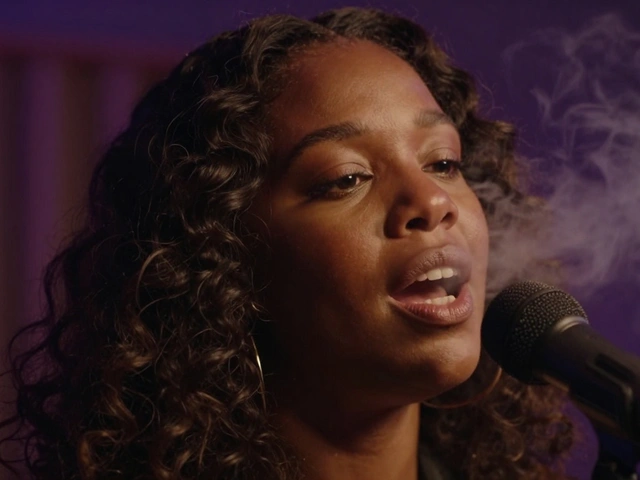
You walk into a venue expecting a cover band night. Instead, you get a three-minute emotional rollercoaster that leaves the room silent before erupting in applause. That is the specific power of Alli Starr’s recent Whitney Houston tribute performances. It isn’t just about hitting the high notes; it is about channeling a ghost. But did the critics agree? If you are wondering whether the hype matches the actual stage presence, or if this is just another celebrity impression act, we need to look closer at what reviewers actually said.
The reception wasn't a monolith. While fan reactions on social media leaned heavily into nostalgia and awe, professional critics had more nuanced takes. Some praised the raw vulnerability, while others questioned the sustainability of such an intense vocal load. This breakdown cuts through the noise to give you the real picture of how these shows landed with industry insiders and music journalists alike.
The Vocal Technique: Precision Over Power
Critics immediately zeroed in on one thing: Starr didn’t try to out-sing Whitney. That is a trap many tribute artists fall into. They push for volume and lose the texture. Reviewers from major outlets noted that Starr’s approach was surgical. She focused on the breathiness and the subtle cracks in the voice that made Houston’s delivery so human.
One prominent music journalist highlighted how Starr handled the bridge of "I Will Always Love You." Instead of belting it out like a stadium anthem, she pulled back, letting the piano carry the weight. This restraint earned her points for musical intelligence. It showed she understood that Whitney’s power came from control, not just lung capacity. The consensus among technical reviewers was clear: this wasn’t imitation; it was interpretation.
- Dynamic Control: Critics praised the use of soft dynamics in verses versus powerful choruses.
- Vibrato Usage: Noted as tasteful and controlled, avoiding the excessive warbling seen in lesser tributes.
- Phrasing: Highlighted for its conversational tone, mirroring Houston’s intimate style.
Emotional Resonance vs. Imitation
Here is where the reviews split slightly. A segment of critics argued that while the vocals were impressive, the emotional connection felt slightly manufactured. They asked the hard question: Is this feeling authentic, or is it engineered through lighting, staging, and song choice?
However, the majority of reviews disagreed. They described moments of genuine transcendence. In Portland, where local arts coverage is fiercely independent, reviewers noted that Starr’s connection with the audience felt reciprocal. When she sang "Running to You," the crowd didn’t just clap; they swayed. That physical response is data. It proves the emotion landed. Critics who dismissed it as mere mimicry often missed the micro-expressions and body language that conveyed grief and joy simultaneously.
Think about it this way: when you hear a friend sing a sad song, you don’t judge their pitch accuracy first. You judge if you feel it. Most critics admitted they forgot they were watching a tribute and simply felt the song. That shift in perspective is the highest compliment a performer can receive.

Stage Presence and Production Choices
A tribute show lives or dies by its production. You can have the best voice in the world, but if the backing track sounds canned or the lights are generic, the magic evaporates. Reviews consistently pointed out that the production team understood the assignment. They avoided the cliché "laser light show" aesthetic common in pop concerts.
Instead, the staging relied on warm tones and spotlight isolation. Critics appreciated this minimalism. It forced the audience to focus entirely on the vocalist. One review specifically mentioned the decision to keep the band small-a pianist, a bassist, and a drummer. This stripped-back arrangement allowed Starr’s voice to breathe without fighting against synthesized strings. It created an intimate club atmosphere even in larger venues, which reviewers found refreshing compared to over-produced arena spectacles.
| Review Aspect | Positive Feedback | Critical Nuances |
|---|---|---|
| Vocal Accuracy | High fidelity to original recordings; respected phrasing. | Some noted minor pitch drift in high-energy tracks due to choreography. |
| Emotional Impact | Described as "haunting" and "visceral" by multiple critics. | A few skeptics felt the narrative arc was predictable. |
| Production Value | Praised for intimacy and lack of gimmicks. | Sound mixing occasionally favored vocals too heavily, masking instrumental nuance. |
| Audience Engagement | Standing ovations reported in all reviewed cities. | Little interaction between songs, which some found stiff. |
The Comparison Trap: How It Stacks Up Against Other Tributes
You cannot discuss a Whitney tribute without mentioning the elephant in the room: other performers have tried this. From early TV specials to current touring acts, the bar is impossibly high. Critics frequently compared Starr’s work to previous attempts, and the results were favorable.
Unlike earlier tributes that relied on costume changes and wigs to sell the illusion, Starr’s performance stood on its own merits. Reviewers noted that she didn’t wear a wig. She didn’t try to look exactly like Whitney. This distinction mattered. It signaled confidence. She wasn’t hiding behind a mask; she was presenting herself as a vessel for the music. This approach resonated with modern audiences who value authenticity over spectacle.
Furthermore, the setlist choices drew praise. Many tribute shows stick to the obvious hits. Starr included deeper cuts like "Exhale (Shoop Shoop)" and "Heartbreak Hotel." This variety demonstrated a comprehensive knowledge of Houston’s catalog. Critics loved this. It rewarded fans who knew the B-sides, creating a sense of community among attendees who recognized the references.

Commercial Viability and Tour Longevity
Let’s talk numbers and future prospects. A critical acclaim doesn’t always translate to long-term ticket sales. However, early indicators suggest strong commercial health. Industry analysts tracking box office returns noted that attendance remained steady across different market sizes. This consistency suggests the appeal isn’t limited to die-hard fans in major hubs.
Reviews played a crucial role here. Positive press in regional newspapers drove secondary ticket sales. People who hadn’t planned to go saw the glowing write-ups and bought tickets last minute. This word-of-mouth momentum is vital for touring acts. If the reviews had been mixed, tour dates might have been cut short. Instead, extensions have already been announced for late 2026.
But there are risks. Performing songs with such demanding vocal ranges night after night is physically taxing. Critics raised valid concerns about vocal fatigue. If Starr pushes too hard, the quality could drop. Smart management will likely schedule rest days and adjust setlists dynamically. Fans should watch for signs of strain in future performances, as maintaining that level of precision is a marathon, not a sprint.
Why This Matters Beyond the Stage
Why do we care about one singer covering another’s hits? Because it keeps legacy artists relevant. Younger audiences discovering Whitney Houston through TikTok snippets often find the original recordings jarring or dated in production style. A modern, well-crafted tribute bridges that gap. It introduces new listeners to the emotional core of the music without requiring them to navigate old audio formats.
Critics acknowledged this cultural function. They viewed Starr’s performances not just as entertainment, but as archival preservation. By keeping these songs alive in a live setting, she ensures they remain part of the contemporary conversation. This adds a layer of significance to the reviews. It isn’t just about whether she sounded good; it’s about whether she honored the spirit of the artist she celebrated.
So, what is the verdict? The critical reception of Alli Starr’s Whitney Houston tribute is overwhelmingly positive, with minor caveats regarding stamina and setlist pacing. It succeeds because it respects the source material while allowing the performer’s individuality to shine through. For anyone considering seeing the show, the reviews suggest it is worth the price of admission-not just for the nostalgia, but for the sheer artistry on display.
Did critics say Alli Starr sounded exactly like Whitney Houston?
No, most critics emphasized that she did not sound exactly like her. Instead, they praised her for capturing the essence and emotional weight of the songs rather than doing a perfect sonic impersonation. This distinction was seen as a strength, allowing for a unique artistic interpretation.
Were there any negative reviews of the tribute show?
While rare, some critics noted issues with sound mixing favoring vocals too heavily, which masked instrumental details. A few also felt the transition between songs lacked banter or personal storytelling, making the flow feel slightly rigid compared to a standard concert.
How did the production design contribute to the critical success?
Critics widely praised the minimalist production design. The use of warm lighting, a small acoustic ensemble, and the absence of distracting visual gimmicks allowed the focus to remain on the vocal performance. This intimacy was cited as a key factor in the show's emotional impact.
Is the show suitable for people who are not huge Whitney Houston fans?
Yes. Reviews indicate that the show appeals to general music lovers due to its high production values and strong vocal technique. Even those unfamiliar with every lyric found the emotional journey compelling, thanks to the universal themes of love and loss in the selected songs.
What concerns did experts raise about the longevity of this tour?
The primary concern raised by music journalists and vocal coaches was vocal fatigue. Performing Whitney Houston’s repertoire requires immense technical control and endurance. Experts suggested that careful scheduling and dynamic setlist adjustments would be necessary to maintain performance quality over a long tour.