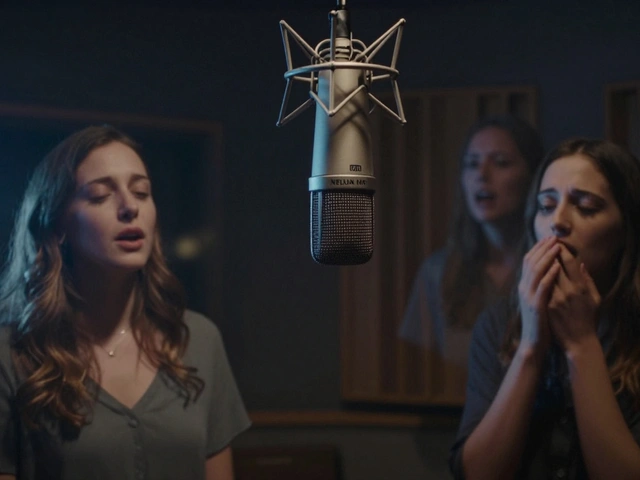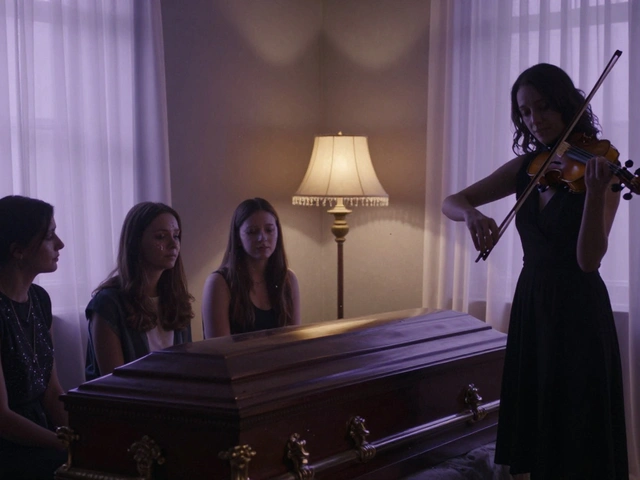
Music has always been more than just sound waves bouncing off your eardrums. It’s a vessel for empathy, a bridge between strangers, and sometimes, the only thing that makes a difficult reality feel bearable. When you look at artists like Alli Starr, you see someone who understands this power deeply. She isn’t just releasing tracks; she’s crafting narratives that pull listeners into her world, inviting them to care about issues they might otherwise scroll past. This approach-using personal narrative to foster collective action-is what we call storytelling for solidarity. It turns passive fans into active participants in community building.
Why Stories Beat Statistics Every Time
Think about the last time you donated to a cause or volunteered your time. Was it because you read a dry report on poverty rates? Probably not. More likely, you heard a specific person’s story. Maybe it was a neighbor struggling with rent, or a friend dealing with health issues. That human connection triggers an emotional response that data simply can’t replicate. Alli Starr leverages this psychological truth in her work. By sharing vulnerable moments from her own life, she creates a safe space for others to share theirs.
This method works because it bypasses our natural skepticism. We often tune out grandiose claims, but we listen when someone says, “Here is what happened to me.” In the context of community impact, this shift from abstract to concrete is crucial. It transforms charity into solidarity. Charity says, “I have extra, so I’ll give you some.” Solidarity says, “We are in this together, and your pain matters to me.” Starr’s message resonates because it rejects hierarchy. She doesn’t speak down to her audience; she speaks with them.
The Mechanics of Authentic Connection
So, how does an artist actually do this without seeming performative? It comes down to consistency and transparency. You can’t fake vulnerability for long. If you claim to care about local shelters but never show up, people notice. Alli Starr’s approach involves showing the messy parts of the process, not just the polished highlights. This authenticity builds trust, which is the currency of any successful movement.
Consider the difference between a generic Instagram post saying “Support local businesses” and a detailed video tour of a small shop owner’s daily struggle during a tough economic quarter. The latter provides context, faces, and stakes. It makes the problem real. For musicians, this means integrating their social messages into their art itself, not just tacking them on as afterthoughts. Lyrics become testimonials. Music videos become documentaries. Live performances become town halls.
| Feature | Traditional Advocacy | Story-Driven Advocacy (e.g., Alli Starr) |
|---|---|---|
| Primary Focus | Data and broad statistics | Personal narratives and lived experiences |
| Audience Role | Passive recipient of information | Active participant in shared journey |
| Emotional Engagement | Low to Moderate | High (Empathy-driven) |
| Action Trigger | Duty or obligation | Solidarity and connection |
Turning Fans into Stakeholders
When an artist shares their struggles, they invite the audience into a relationship. This changes the dynamic from consumer-producer to community-member. Fans don’t just buy tickets; they support a mission. They feel invested in the outcome of the stories being told. If Alli Starr highlights the plight of unhoused individuals in her city, her fans are more likely to engage with local housing initiatives because they’ve seen the faces behind the issue through her lens.
This engagement is measurable. Look at comment sections under posts where artists share genuine struggles versus promotional content. The former generates conversation, questions, and offers of help. The latter generates emojis. For community organizers, this distinction is gold. It means you’re not just broadcasting; you’re building a network of people who already care. You’re creating a pre-qualified base of supporters ready to mobilize when needed.
Practical Steps for Artists and Organizers
You don’t need to be a famous musician to use these tactics. Whether you run a non-profit or manage a local band, the principles remain the same. Here is how you can start using storytelling to build solidarity:
- Identify Your Core Narrative: What specific issue keeps you up at night? Don’t try to save the world. Pick one lane. Are you focused on youth arts education? Mental health awareness? Housing instability? Narrowing your focus allows for deeper storytelling.
- Amplify Marginalized Voices: Use your platform to pass the mic. If you’re an established artist, interview someone directly affected by the issue. Let them tell their story in their own words. This shifts the spotlight and validates their experience.
- Show, Don’t Just Tell: Instead of posting a flyer for a fundraiser, post a photo of the family who will benefit from it (with permission). Show the before-and-after. Visual evidence anchors the story in reality.
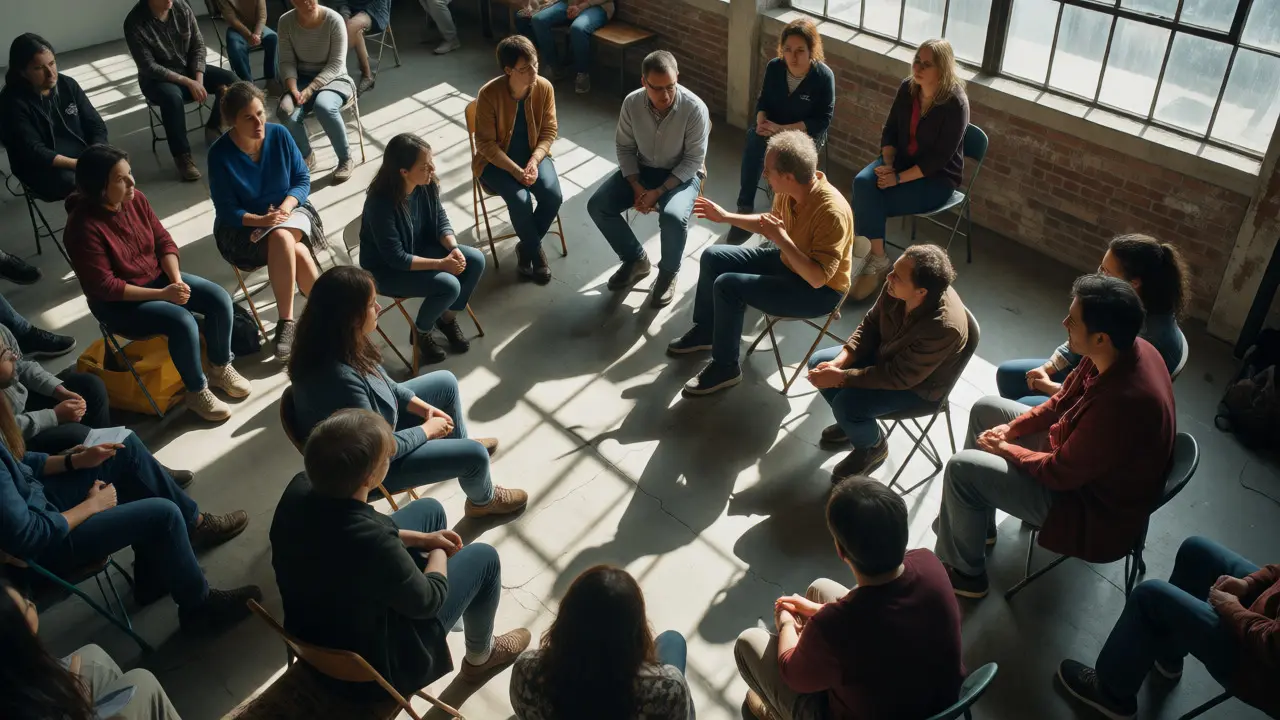
- Create Interactive Spaces: Host Q&A sessions, live streams, or community circles where people can ask questions and share their own related experiences. Make it a two-way street.
The Ripple Effect of Vulnerability
There’s a fear among many public figures that showing weakness or uncertainty will damage their brand. The opposite is true in today’s culture. People crave authenticity. When Alli Starr admits she doesn’t have all the answers, it gives her audience permission to admit they don’t either. This shared uncertainty fosters a sense of camaraderie. We are all figuring it out together.
This ripple effect extends beyond the immediate fanbase. Stories travel. A compelling narrative shared on social media can reach news outlets, other artists, and policymakers. It creates pressure for change because it puts a human face on systemic issues. It becomes harder for officials to ignore a crisis when they can name the people suffering from it. Storytelling humanizes policy debates, making them less abstract and more urgent.
Sustaining Momentum Beyond the Headline
The challenge with viral moments is sustainability. A story grabs attention, but keeping it requires consistent effort. Communities need ongoing support, not just one-time donations sparked by a trending hashtag. This is where long-term commitment matters. Artists and organizations must integrate these stories into their regular workflow. It shouldn’t be a special event once a year; it should be part of the everyday communication strategy.
Track your impact not just in dollars raised, but in conversations started. Did someone volunteer? Did a new partnership form? Did a listener send a message saying, “I didn’t know this was happening”? These qualitative metrics indicate that solidarity is taking root. They show that the story did its job: it connected people to each other and to the cause.
What is storytelling for solidarity?
It is the practice of using personal narratives and authentic experiences to connect individuals around shared challenges, fostering empathy and collective action rather than simple charitable giving.
How does Alli Starr use music for community impact?
She integrates themes of resilience and social justice into her lyrics and public persona, using her platform to highlight specific community issues and encourage direct engagement from her audience.
Why is personal narrative more effective than statistics?
Human brains are wired for story. Personal narratives trigger emotional responses and memory retention more effectively than abstract data, leading to higher rates of empathy and subsequent action.
Can small creators use these strategies?
Absolutely. Authenticity scales better than budget. Small creators can build deep connections by consistently sharing genuine stories and engaging directly with their niche communities.
What are common mistakes in advocacy storytelling?
Common pitfalls include speaking over marginalized voices instead of amplifying them, lacking follow-through on promises, and prioritizing aesthetic perfection over raw authenticity.