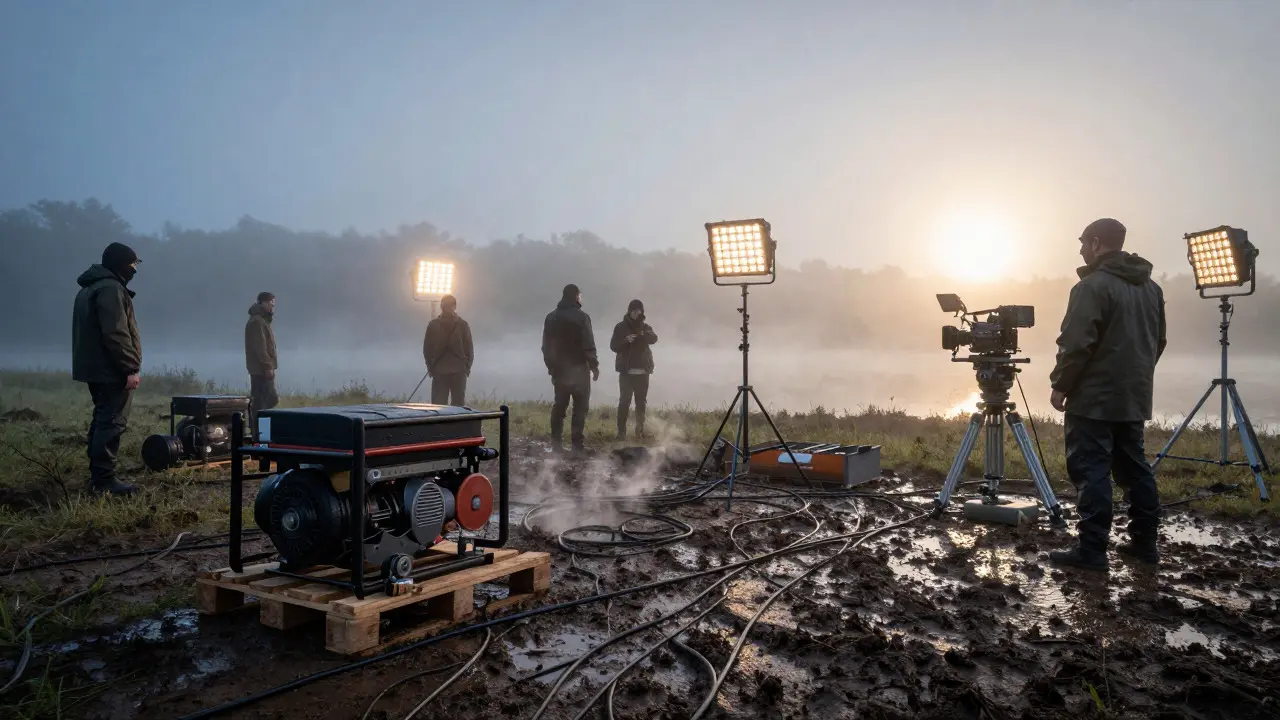
Standing in the middle of a muddy field at 6 AM, watching the sun rise over a foggy lake, is romantic until you realize your lead singer’s boots are soaked and the generator is sputtering. That’s the reality of shooting music videos visual narratives that accompany songs, requiring complex coordination between creative vision and physical execution. For director Alli Starr, these moments aren’t accidents; they’re calculated risks managed through rigorous on-location logistics the operational management of resources, personnel, and equipment at remote or outdoor filming sites.
Most people think planning is about picking a pretty background. It isn’t. It’s about knowing how many miles of cable you need to reach the grid, where the bathroom trailer fits without blocking the crane path, and what happens when it rains on a dry day. This guide breaks down the specific frameworks Starr uses to turn chaotic outdoor environments into controlled sets, ensuring the art doesn’t get lost in the chaos.
The Core Framework: Pre-Production Deep Dives
You can’t fix a bad location on the day of the shoot. The work happens weeks before. Starr treats every potential site like a forensic case file. She starts with a "site survey" that goes far beyond photos. She walks the terrain physically, measuring distances between key points: where the camera will be, where the talent stands, and where the power source needs to connect.
- Power Mapping: Calculating exact wattage requirements for lights, cameras, and heating/cooling units. If the nearest outlet is 500 feet away, you don’t just buy extension cords; you plan for voltage drop losses.
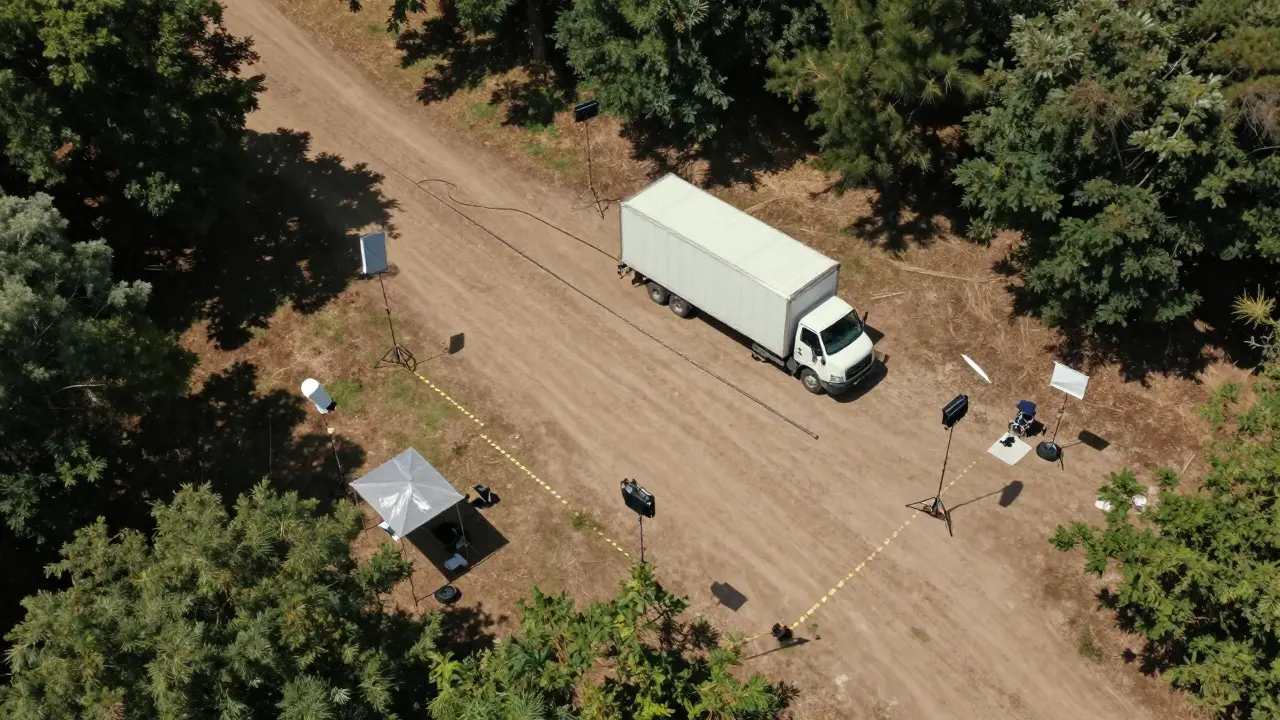
- Access Routes: Identifying exactly where trucks can park. A beautiful forest clearing is useless if the road is too narrow for a 35-foot production truck.
- Weather Windows: Checking historical data for wind speeds and precipitation patterns, not just the forecast for the next few days.
This phase defines the "feasibility score" of a location. If the access route requires a four-wheel-drive vehicle and the gear list includes heavy lighting rigs, the feasibility score drops. Starr often rejects visually stunning locations because the logistical friction is too high. It’s better to shoot a slightly less perfect spot that allows the crew to move quickly than a perfect spot that eats up half the day in setup.
Managing the Elements: Weather Contingency Plans
Outdoor shoots live and die by the weather. But "waiting for the rain to stop" is not a plan. It’s a delay tactic. Starr implements a tiered response system for weather disruptions.
- Tier 1 (Light Rain/Wind): Use rain covers for cameras and lights. Switch to waterproof audio setups. Adjust lighting ratios to account for diffused natural light.
- Tier 2 (Heavy Rain/Snow): Move to covered structures if available. If not, pivot the shot list to close-ups that don’t require wide establishing shots. Use plastic sheeting to create temporary shelters for talent and essential crew.
- Tier 3 (Storm/Danger): Call a half-day or full-day halt. Have pre-negotiated indoor backup locations ready within a 30-minute drive.
The key here is speed. Decisions must be made within 15 minutes of the weather change. To do this, the production manager must have a "Go/No-Go" checklist ready. Does the ground become slippery? Do the cables pose a tripping hazard? Is the sound quality compromised? If yes, execute the tiered response immediately. Don’t debate. Debate costs money.
Crew Communication: The Command Structure
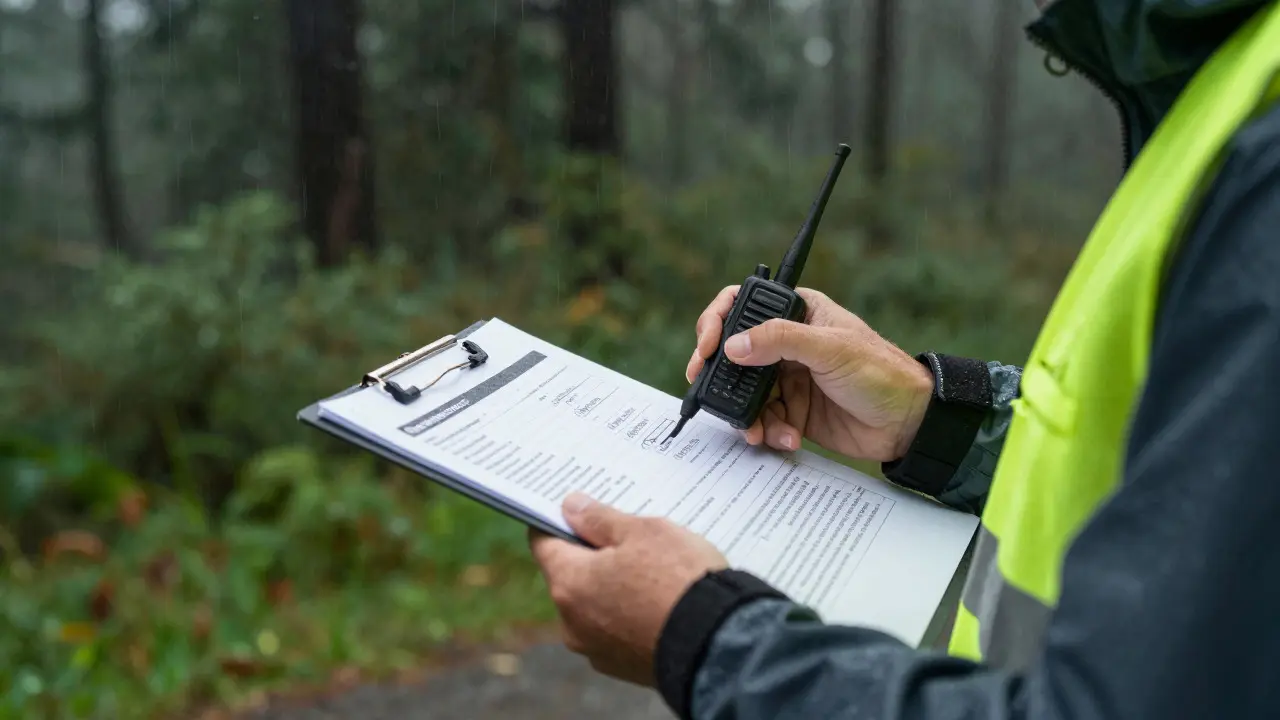
In a studio, everyone is in one room. Outdoors, the AD (Assistant Director) might be at the car, the DP (Director of Photography) is on the hill, and the gaffer is under a tree. Miscommunication kills momentum. Starr uses a strict radio protocol to maintain clarity.
Every department head has a dedicated channel. The Director and AD share a private channel for creative decisions. The Gaffer and Key Grip share a technical channel for lighting and rigging issues. The Production Manager handles logistics on a separate line. This prevents information overload. If the Director asks for a change in lens, it shouldn’t clog up the channel where the electrician is trying to solve a breaker problem.
Furthermore, there is a daily "morning huddle" that lasts no more than five minutes. Everyone gathers, looks at the shot list, identifies the top three priorities for the day, and confirms who is responsible for each. No long speeches. Just facts. This ensures that when the call time hits, everyone knows exactly what their first task is.
Equipment Strategy: Mobility vs. Stability
Gear selection changes drastically when you leave the studio. You need equipment that is portable but robust. Heavy, static lighting fixtures are often replaced with battery-powered LED panels that can be mounted on tripods or handheld rigs. This reduces the need for extensive cabling and allows for faster repositioning.
| Category | Studio Priority | On-Location Priority | Reason |
|---|---|---|---|
| Lighting | High-wattage HMI/Fresnels | Battery-powered LEDs | Portability and reduced cable management |
| Audio | Boom poles and shotgun mics | Lavaliers and windshields | Unpredictable ambient noise and wind |
| Camera Support | Dollies and cranes | Stabilizers and sliders | Uneven terrain and limited space |
| Power | Grid power | Generators and batteries | Lack of infrastructure |
Sound is often the most overlooked aspect of outdoor logistics. Wind destroys audio quality. Every microphone must have a deadcat (windshield). Talent should wear lavalier microphones under clothing as a backup. If the wind picks up, the boom operator needs to know immediately so they can adjust angles or switch to lavs. This requires constant communication between the Sound Mixer and the AD.
Local Regulations and Permits
Even if a location looks public, it usually isn’t free to use. National parks, beaches, and historic districts all have permit requirements. Failing to secure permits can result in fines or forced shutdowns mid-shoot. Starr works with local location scouts who know the bureaucratic landscape. They handle the paperwork, insurance certificates, and parking permissions weeks in advance.
Always verify if the location requires a "stunt permit" or "pyro permit" if those elements are involved. These often have longer lead times. Missing a deadline here can ruin a schedule. Keep a digital copy of all permits on the production manager’s phone, accessible offline, in case cell service is poor at the site.
Post-Shoot Recovery and Data Management
The job isn’t done when the last shot is wrapped. Offloading footage from remote locations is a logistical challenge. Without reliable Wi-Fi, you can’t upload dailies easily. Carry multiple hard drives and ensure backups are verified before leaving the site. Dust, mud, and moisture are enemies of digital media. Wipe down cameras and lenses frequently. Store memory cards in protective cases.
Finally, debrief the team. What went wrong? What went right? Did the weather plan hold up? Documenting these lessons creates a library of knowledge for future projects. This continuous improvement loop is what separates professional operations from amateur attempts.
Frequently Asked Questions
How much extra budget should I allocate for on-location shoots?
Typically, 15-20% more than a studio shoot. This covers transportation, permits, additional power generation, and contingency funds for weather delays. Unexpected travel costs for crew and equipment can add up quickly if the location is remote.
What is the biggest mistake directors make with outdoor lighting?
Relying solely on natural light without a backup plan. Sun moves fast. Clouds roll in. Always bring at least two key lights that can supplement or replace natural light within 10 minutes. If you are dependent on the sun, you are not in control of the set.
How do I handle actor comfort in extreme weather?
Provide heated or cooled tents for breaks. Offer hot drinks in cold weather and ice water in heat. Limit take lengths during extreme conditions. An uncomfortable actor performs poorly. Invest in welfare logistics; it improves performance and morale.
Is it worth hiring a local location manager?
Yes, almost always. They know the local laws, the best access routes, and which landowners are friendly to film crews. Their fee is usually recouped by avoiding costly mistakes like blocked roads, unexpected fees, or difficult neighbors. They are an investment in smooth operations.
What is the ideal size of a production truck for small music videos?
A 26-foot box truck is often the sweet spot. It fits essential lighting, grip equipment, and some wardrobe, while still being maneuverable on smaller roads. Larger trucks offer more storage but may struggle with tight urban or rural access points.